
Navigating the intricacies of airline baggage fees can be a perplexing part of planning any journey. For travelers flying with Alaska Airlines, understanding the current policies and costs associated with checked luggage is crucial for budgeting and a smooth travel experience. Alaska Airlines, known for its extensive route network across North America, including popular destinations like Seattle, Los Angeles, and Anchorage, implements a structured fee schedule for checked bags that can vary based on several factors. This comprehensive guide will break down the standard costs, explain the variables that influence these fees, and offer insightful strategies to minimize or even avoid them, ensuring you embark on your next adventure fully prepared.

Understanding Alaska Airlines’ Standard Checked Baggage Fees
Alaska Airlines, including flights operated by its regional partners Horizon Air and SkyWest Airlines, generally charges for checked bags on most domestic flights. International flights may have slightly different rules, and it’s always advisable to check the specific itinerary. The fee structure is progressive, meaning the cost per bag increases with each additional piece of luggage checked.
First Checked Bag
For most passengers, the first checked bag on an Alaska Airlines flight will incur a fee. As of current policies, this fee is typically around $30-$35. This charge applies to standard economy tickets and can be paid when you check in online, at an airport kiosk, or at the ticket counter. Paying online often provides a slight convenience and sometimes, though rarely, a small discount, but it’s best to verify current pricing directly on the Alaska Airlines website as fees are subject to change. The bag must adhere to specific weight and size limits, generally not exceeding 50 pounds (23 kg) and a maximum linear dimension (length + width + height) of 62 inches (158 cm).
Second Checked Bag
If your travel plans necessitate more luggage, a second checked bag will typically cost more than the first. The fee for a second checked bag usually ranges from $40-$45. Like the first bag, it must also comply with the standard weight and size restrictions. Travelers should carefully consider whether they genuinely need a second bag, as these costs can quickly accumulate, impacting the overall budget of a trip. For instance, a round-trip journey with two checked bags could add over $150 to your travel expenses.
Third and Additional Bags
For those requiring even more luggage, Alaska Airlines charges a significantly higher fee for a third checked bag and any subsequent bags. These fees can start from $100-$150 per bag, depending on the route and current policy. Exceeding the standard limit of two bags should be a last resort unless absolutely necessary, as the costs become prohibitive. Travelers with extensive luggage needs might find alternative shipping services to be more cost-effective than paying multiple airline bag fees.
Factors Influencing Baggage Costs
While the standard fees provide a baseline, several factors can alter the amount you pay for your checked luggage. Awareness of these variables can help you plan more effectively.
Weight and Size Restrictions
Adhering to the 50-pound (23 kg) weight limit and 62-inch (158 cm) linear dimension limit for checked bags is paramount. Bags exceeding these limits are subject to hefty overweight and oversized fees, which are separate from the standard checked bag charges.
- Overweight Bags: Bags weighing between 51 and 100 pounds (24-45 kg) can incur fees ranging from $100 to $150 per bag. Bags over 100 pounds are typically not accepted.
- Oversized Bags: Bags exceeding the 62-inch (158 cm) linear dimension limit but not more than 115 inches (292 cm) can also incur fees from $100 to $150.
These fees are cumulative, meaning an oversized and overweight bag will be charged for both infractions. Always weigh your luggage before heading to the airport to avoid unpleasant surprises and potential repacking at the check-in counter.
Route and Destination Variations
While the fees listed above are standard for most domestic flights, certain routes or international destinations may have different baggage policies. For example, flights to or from certain international locations, especially those under specific agreements, might include a free checked bag or have a different fee structure. It is critical to check the specific baggage policy for your exact itinerary on the Alaska Airlines website, particularly when traveling outside the contiguous United States.
Fare Class and Mileage Plan Status
Your fare class and your elite status with Alaska Airlines’ Mileage Plan loyalty program can significantly impact your baggage allowances.
- First Class/Business Class: Passengers flying in Alaska Airlines’ First Class or Business Class typically enjoy complimentary checked bags, often two free bags, which can be a substantial saving.
- Mileage Plan Elite Status: Members of Alaska Airlines’ Mileage Plan with MVP, MVP Gold, or MVP Gold 75K status receive free checked bags. MVP members usually get two free bags, while MVP Gold and MVP Gold 75K members typically receive three free bags. These benefits extend to traveling companions on the same reservation.
- Oneworld Alliance Status: As a member of the Oneworld Alliance, elite members of partner airlines (e.g., American Airlines AAdvantage elite members) may also receive similar baggage benefits when flying on Alaska Airlines, depending on their tier status and the specific flight.
Strategies to Reduce or Avoid Checked Bag Fees
With a clear understanding of Alaska Airlines’ fee structure, travelers can employ several strategies to minimize or even eliminate these costs.
The Benefit of Mileage Plan Elite Status
Earning elite status with Alaska Airlines’ Mileage Plan is one of the most effective ways to avoid checked bag fees. As mentioned, even the lowest tier, MVP, provides two free checked bags. For frequent flyers, accumulating the necessary qualifying miles or segments can translate into significant savings on baggage fees over the year, alongside other perks like upgrades and priority services.
Alaska Airlines Branded Credit Cards
Several co-branded credit cards offered in partnership with Alaska Airlines, such as the Alaska Airlines Visa Signature card, provide benefits that include a free first checked bag for the cardholder and up to six companions on the same reservation. This perk alone can easily offset the annual fee of the card, especially for individuals or families who travel frequently. It’s a highly recommended strategy for regular Alaska Airlines flyers.
Carrying On vs. Checking
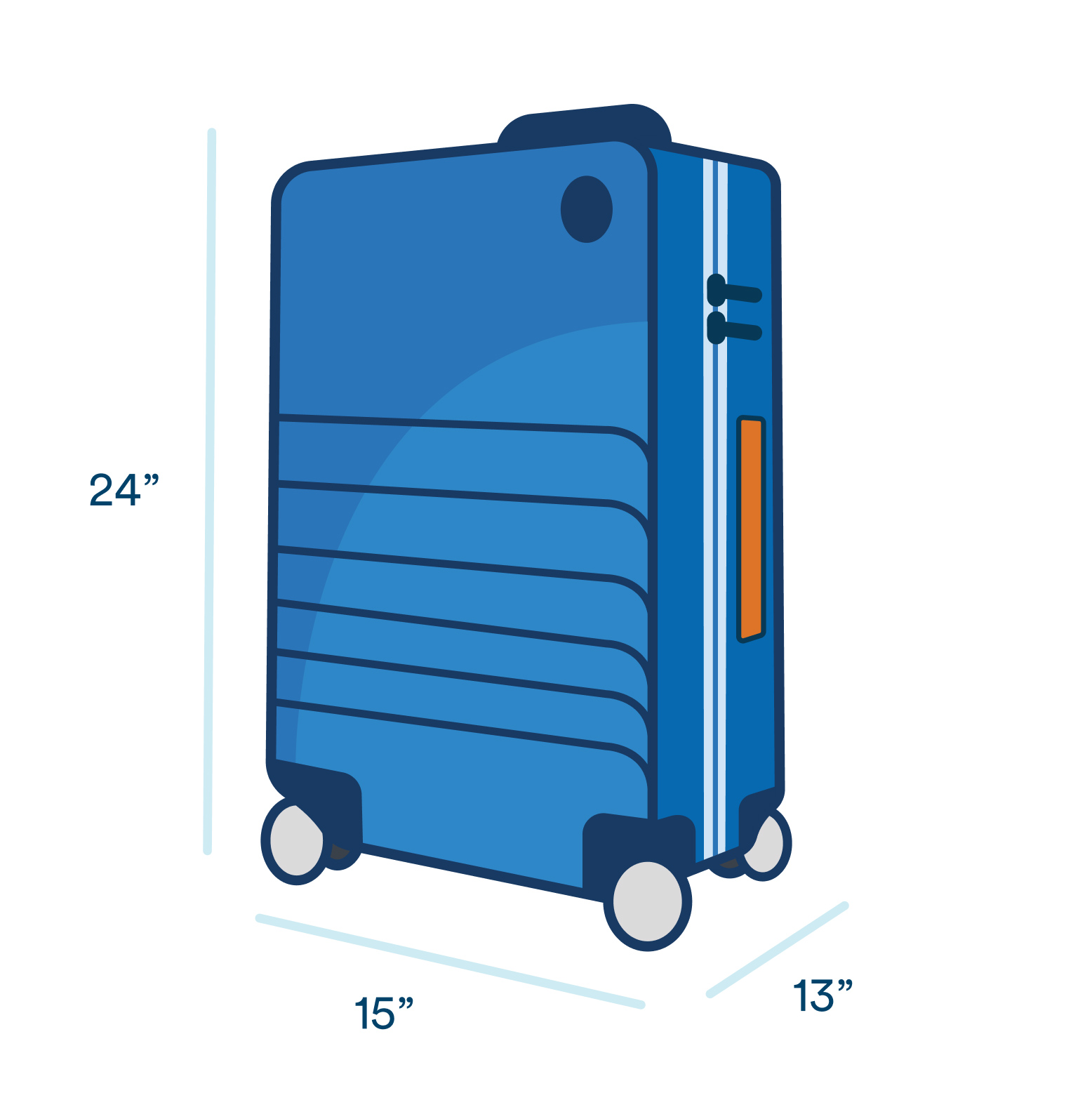
Alaska Airlines allows passengers one free carry-on bag and one personal item (e.g., a purse, laptop bag) per person. Utilizing this allowance to its fullest can often eliminate the need to check a bag, thereby saving you money. Ensure your carry-on meets the airline’s size requirements (typically 22″ x 14″ x 9″ including handles and wheels) to avoid being forced to gate-check it and potentially incur a fee. Efficient packing techniques, such as rolling clothes tightly or using packing cubes, can maximize space in your carry-on.
Shipping Your Luggage
For travelers with numerous bags, oversized items, or those who prefer not to deal with luggage at the airport, third-party luggage shipping services can be a viable alternative. Companies specialize in door-to-door luggage delivery, often at a competitive price compared to multiple airline bag fees, especially for heavy or bulky items. This option also offers the convenience of traveling through the airport unencumbered.
Traveling Light and Efficient Packing
The simplest and most straightforward way to avoid baggage fees is to pack light. Assess your true needs for the trip and consider if you can make do with fewer items or lighter alternatives.
- Versatile Clothing: Pack clothes that can be mixed and matched or worn in layers for various occasions and weather conditions.
- Toiletries: Purchase travel-sized toiletries or use refillable containers to save space and weight. Alternatively, plan to buy larger items at your destination.
- Laundry: If your trip is extended, consider doing laundry at your destination rather than packing enough clothes for the entire duration.
- Digital Alternatives: Instead of physical books or maps, rely on e-readers and smartphone apps.
Special Items and Considerations
Certain items fall outside the standard baggage categories and have specific rules and fees.
Sports Equipment
Alaska Airlines generally accepts most sports equipment, such as skis, golf clubs, surfboards, and bicycles. These items are often treated as standard checked bags and are subject to the same fees as a first, second, or third bag, provided they meet specific weight and size limits (though some oversized dimensions are permitted for specific sports equipment without an oversized fee). However, some very large or heavy items may incur additional handling fees. Always check the specific requirements for your equipment on the Alaska Airlines website.
Musical Instruments
Musical instruments can be carried on if they fit in the overhead bin or under the seat. Larger instruments that do not fit in the cabin must be checked and are subject to standard baggage fees, provided they meet weight and size restrictions. For very valuable or delicate instruments, purchasing an additional seat for the instrument might be an option, but this needs to be arranged directly with the airline.
Pet Travel
Traveling with pets, either in the cabin (small pets) or as checked baggage/cargo (larger pets), involves specific rules and substantial fees. These fees are separate from standard baggage charges and can range from $100 to $150 each way. Strict regulations regarding carriers, health certificates, and animal well-being must be followed.
Military Personnel Benefits
Active U.S. military personnel and their dependents often receive generous baggage allowances from Alaska Airlines. Typically, this includes several free checked bags (e.g., five free bags) with increased weight limits (e.g., up to 70 lbs per bag). This benefit is a recognition of their service and provides significant relief for military families during relocation or travel. Proper military identification is required.

What to Do If Your Bag is Lost or Damaged
While every effort is made to ensure your bags reach their destination safely, incidents can occur. If your checked bag is lost, delayed, or damaged, it’s crucial to report it immediately to an Alaska Airlines representative at the airport’s baggage service office before leaving the airport. Provide your baggage tags and itinerary details. The airline will initiate a search and provide updates. In cases of permanent loss or damage, you may be entitled to compensation based on the airline’s contract of carriage and federal regulations, though limits typically apply. Keeping valuable items and essential medications in your carry-on is always recommended.
Understanding Alaska Airlines’ checked baggage policies empowers you to make informed decisions, manage your travel budget effectively, and enjoy a hassle-free journey. By leveraging loyalty programs, credit card benefits, or simply packing smarter, you can navigate bag fees with confidence and ease.
LifeOutOfTheBox is a participant in the Amazon Services LLC Associates Program, an affiliate advertising program designed to provide a means for sites to earn advertising fees by advertising and linking to Amazon.com. Amazon, the Amazon logo, AmazonSupply, and the AmazonSupply logo are trademarks of Amazon.com, Inc. or its affiliates. As an Amazon Associate we earn affiliate commissions from qualifying purchases.