
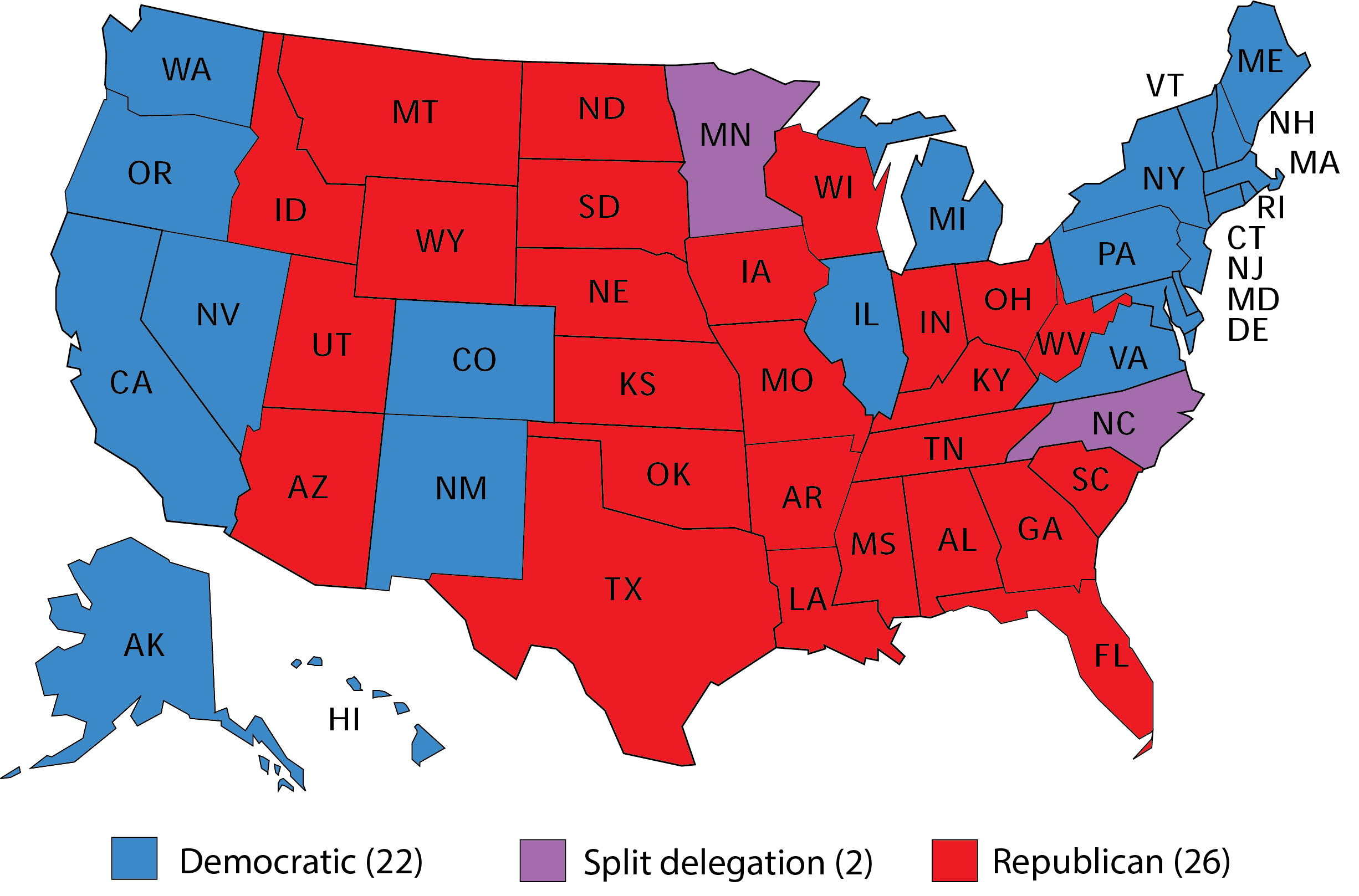
Alaska, often dubbed “The Last Frontier,” captivates visitors with its breathtaking wilderness, unique wildlife, and a distinctive cultural tapestry woven from indigenous traditions, pioneer spirit, and an economy deeply tied to natural resources. For travelers planning a visit, understanding the prevailing cultural and political leanings of a destination can enrich the experience, offering context for local interactions, business environments, and even the character of various regions. While broad political labels rarely capture the full nuance of any state, Alaska has long been recognized for its conservative bent, predominantly aligning with the Republican Party. This political identity, however, is multifaceted and contributes to the unique fabric of the Alaskan experience.
Understanding Alaska’s Political Landscape for Tourists
Alaska’s political landscape is shaped by several key factors that resonate throughout its local culture and economy. The state’s vastness, low population density, reliance on resource extraction (oil, gas, mining, fishing), strong military presence, and a deep-rooted self-reliance contribute to a generally conservative ethos. This doesn’t mean Alaska is a monolith; urban centers like Anchorage and Juneau often display more liberal tendencies, contrasting with the staunchly conservative rural areas. For tourists, this political identity manifests in various aspects, from conservation debates to community values.
Historical Roots and Cultural Impact
The historical narrative of Alaska is one of rugged individualism, frontier expansion, and the challenging of natural elements. Early pioneers and settlers were drawn by the promise of resources and the freedom of untamed land, fostering a spirit of self-sufficiency that aligns closely with conservative principles. The state’s brief history as a U.S. territory and then its rapid development following the discovery of oil at Prudhoe Bay further cemented an economic philosophy centered on resource development.
This history has cultivated a culture where outdoor recreation, hunting, fishing, and a general appreciation for the wild are deeply ingrained. Many conservative policies in Alaska revolve around the management of these resources, aiming for a balance between economic development and environmental stewardship, often with an emphasis on local control. For visitors, this translates into readily available outdoor activities, a prevalence of gear shops, and a local population often eager to share their knowledge of the wilderness. It also means that discussions around land use, such as mining projects versus wilderness preservation, are common and often passionately debated, offering a window into the local cultural values.
Economic Drivers and Their Political Leanings
Alaska’s economy is heavily reliant on industries that typically lean conservative, such as oil and gas, commercial fishing, and mining. These sectors often advocate for less regulation and policies that support extraction and production. This economic foundation profoundly influences the political discourse and public policy, impacting everything from infrastructure development to public services.
For tourists, understanding this economic context helps explain the prevalence of certain types of businesses and the overall mindset in many communities. For example, in towns along the Trans-Alaska Pipeline route or in fishing communities on the Kenai Peninsula, the economic prosperity is visibly linked to these industries. Local pride often intertwines with the success of these sectors. This perspective can inform how travelers engage with local businesses, understand community concerns, and appreciate the unique economic engine that drives much of the Alaskan way of life.
How Political Identity Shapes the Alaskan Visitor Experience
The predominant conservative political identity of Alaska subtly, and sometimes overtly, shapes the experience of a tourist. From the types of attractions promoted to the general atmosphere of local communities, these leanings are part of the cultural tapestry that makes Alaska distinctive.
Outdoor Recreation and Conservation Perspectives
A significant draw for tourists to Alaska is its unparalleled natural beauty and opportunities for outdoor adventure. The state boasts national parks like Denali National Park, vast national forests, and countless state parks. While environmental conservation is a shared value across the political spectrum, the approach to it can differ. Conservative viewpoints in Alaska often emphasize responsible resource management that allows for human use and economic benefit, rather than strict preservation for its own sake. This means visitors might encounter debates or different perspectives on issues like hunting quotas, fishing regulations, or the development of trails and facilities within wilderness areas.

Many Alaskans, regardless of political affiliation, hold a deep connection to the land and appreciate its wild character. Outfitters, guides, and tour operators are often integral parts of local communities, and their services reflect this ingrained love for the outdoors. Tourists will find an abundance of guided fishing trips, hunting expeditions, wildlife viewing tours, and backcountry adventures, all managed within a framework that balances access with sustainability. Understanding the local perspective on land use can enhance a visitor’s appreciation for the ongoing dialogue surrounding Alaska’s natural treasures.
Local Communities and Cultural Norms
The conservative leanings of many Alaskan communities often translate into a emphasis on traditional values, community self-reliance, and a strong sense of local identity. In smaller towns, visitors might observe a greater emphasis on church, community events, and a general preference for straightforward, practical communication. While Alaska is incredibly welcoming to visitors, it’s also a place where people value their privacy and the integrity of their community way of life.
This plays out in various ways for tourists. You might find fewer large chain stores outside of major cities, with a stronger presence of locally owned businesses that reflect the entrepreneurial spirit. Local festivals and events often celebrate traditional skills, subsistence living, and community bonds, offering authentic cultural insights. Understanding these nuances allows visitors to engage more respectfully and meaningfully with locals, appreciating the unique fabric of each town and village, whether it’s Fairbanks in the interior or a remote fishing village.
Navigating Alaska: Tips for Culturally Aware Travelers
For the discerning traveler, acknowledging the political leanings of a destination isn’t about agreeing or disagreeing, but about gaining a richer, more informed perspective. In Alaska, this awareness can enhance interactions and ensure a more respectful and insightful journey.
Engaging with Locals Respectfully
Alaskans are generally friendly and open, but like any community, they appreciate respect for their way of life. When engaging in conversations, particularly on sensitive topics such as resource development, environmental policy, or Native Alaskan rights, approaching discussions with curiosity and an open mind is key. Avoid generalizations or imposing outside perspectives. Instead, ask questions, listen to local stories, and seek to understand the diverse viewpoints that exist within the state.
Many Alaskans are proud of their state and its unique challenges and opportunities. Show genuine interest in their experiences, whether it’s surviving a harsh winter, the intricacies of the commercial fishing industry, or the beauty of their local wilderness. This approach will foster positive interactions and provide invaluable insights into the state’s true character, far beyond any political label.
Supporting Local Businesses and Initiatives
A visit to Alaska is an opportunity to support the local economy directly. Given the state’s emphasis on self-reliance and local enterprise, choosing independent shops, restaurants, tour operators, and accommodations contributes significantly to the communities you visit. Many Alaskan businesses are deeply intertwined with the state’s natural resources, from artists crafting goods from local materials to restaurants serving freshly caught seafood.
By patronizing these establishments, travelers not only gain authentic experiences but also support the livelihoods of Alaskans who are often striving to preserve their unique way of life amidst modern challenges. This act of conscious tourism aligns well with the local values of community strength and economic independence, regardless of specific political affiliations.

The Diverse Faces of Alaska: Beyond the Stereotypes
While Alaska is often painted with a broad conservative brush, it is crucial for tourists to remember the immense diversity within the state. The political landscape is not uniform. Urban centers like Anchorage and Juneau have significant populations that lean liberal, contributing to a vibrant mix of arts, progressive social movements, and diverse culinary scenes. Furthermore, the numerous Native Alaskan communities across the state hold unique governance structures, cultural practices, and political priorities that often transcend the traditional Republican vs. Democratic Party divide, focusing instead on self-determination, land rights, and cultural preservation.
Tourists visiting Alaska will encounter a spectrum of viewpoints, experiences, and lifestyles. The key to a rewarding visit is to approach the journey with an open mind, a spirit of inquiry, and a deep respect for the varied individuals and communities that call this incredible state home. Understanding the overarching political identity simply adds another layer of appreciation for the complex, resilient, and utterly captivating spirit of Alaska.
LifeOutOfTheBox is a participant in the Amazon Services LLC Associates Program, an affiliate advertising program designed to provide a means for sites to earn advertising fees by advertising and linking to Amazon.com. Amazon, the Amazon logo, AmazonSupply, and the AmazonSupply logo are trademarks of Amazon.com, Inc. or its affiliates. As an Amazon Associate we earn affiliate commissions from qualifying purchases.