
The pristine wilderness of Alaska conjures images of majestic mountains, vast glaciers, and expansive boreal forests. For those exploring the natural landmarks and unique ecosystems of this grand state, understanding its native flora is paramount. A common question arises regarding the presence of certain tree species, particularly the distinctive Blue Spruce. While its striking silver-blue needles and conical form are widely recognized, its natural range primarily lies far to the south. Therefore, the simple answer to whether Blue Spruce is wild in Alaska is generally no; it is not native to the Alaskan wilderness, though its cultivated presence in urban and suburban landscapes can sometimes lead to confusion.

Understanding Spruce Diversity in Alaska’s Boreal Forests
Alaska is home to an incredible array of natural beauty, including vast tracts of spruce forests that are fundamental to its ecological identity. These forests are not uniform, however, and comprise specific spruce species adapted to the harsh northern climate. Distinguishing between these native species and any introduced varieties is crucial for appreciating Alaska’s genuine natural heritage.
Native Spruce Species of Alaska
Alaska’s wild forests are dominated by three principal spruce species, each with distinct ecological roles and geographical distributions within the state. The most iconic is arguably the Sitka spruce (Picea sitchensis), the largest species of spruce and a true giant of the temperate rainforests found along Alaska’s southern coast, particularly within areas like the Tongass National Forest. Its towering height and massive trunks are defining features of these lush coastal ecosystems, contributing significantly to the biomass and biodiversity of the region.
Moving inland and north, the landscape transitions to forests dominated by White spruce (Picea glauca). This species is widespread across interior Alaska, flourishing in drier, colder climates than its coastal cousin. It forms vast forests around cities like Fairbanks and is a critical component of the boreal forest biome that stretches across much of North America. White spruce is resilient, capable of withstanding extreme temperature fluctuations, and serves as a vital habitat for countless wildlife species.
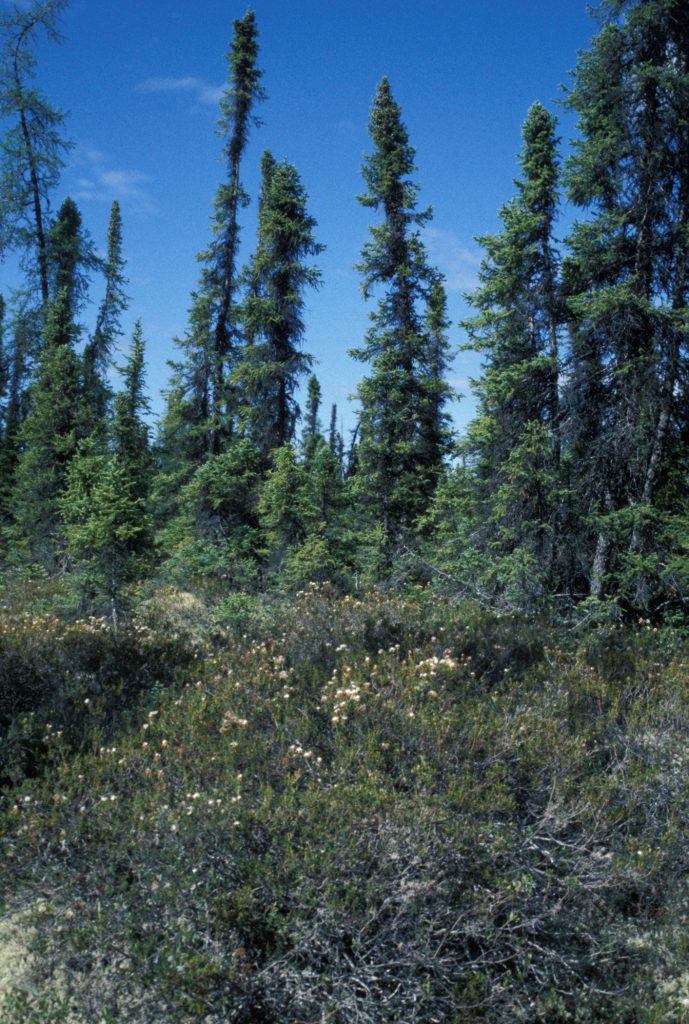
Finally, Black spruce (Picea mariana) is another indigenous species, often found in wetter, colder, and poorly drained soils, such as muskegs and bogs, throughout interior and south-central Alaska. It is typically smaller than White spruce and forms dense, sometimes stunted stands, particularly in areas prone to permafrost. All three of these species are perfectly adapted to the Alaskan environment, forming the backbone of its forest landscapes and natural landmarks.
The Distinct Characteristics of Blue Spruce
In contrast, the Blue Spruce (Picea pungens), sometimes referred to as Colorado Blue Spruce, exhibits characteristics that set it apart from its Alaskan relatives. Its most distinguishing feature is the vibrant glaucous (blue-green to silvery-blue) hue of its stiff, sharp needles. This coloration is due to a waxy coating on the needles, providing resilience against drought and intense sunlight – conditions more prevalent in its native range. The cones of Blue Spruce are also typically longer and more cylindrical than those of White spruce or Black spruce. While these traits make it a highly desirable ornamental tree, they are not naturally occurring features of Alaska’s wild forest ecosystems.
The Geographic Range and Natural Habitats of Blue Spruce
Understanding the natural distribution of the Blue Spruce is key to comprehending why it is not found wild in Alaska. Its natural habitat is far removed, geographically and climatically, from the Alaskan wilderness.
Origins and Primary Distribution
The Blue Spruce is endemic to the central and southern Rocky Mountains of North America. Its native range spans parts of the United States, specifically from Arizona and New Mexico north through Colorado, Utah, Wyoming, and into eastern Idaho and Montana. Within this range, it typically grows at elevations between 6,000 and 10,000 feet (1,800 to 3,000 meters), primarily along streams and in moist valley bottoms where soil moisture is reliable. This mountainous, semi-arid to sub-humid environment is vastly different from the coastal rainforests, interior boreal forests, or subarctic tundra of Alaska.
Climatic and Soil Preferences
The Blue Spruce thrives in areas with consistent moisture, cool summers, and cold, snowy winters. It prefers deep, moist, well-drained soils, often sandy or gravelly loams. While it can tolerate a wide range of soil conditions, it is not typically found in the perpetually waterlogged, acidic soils characteristic of many Alaskan bogs and muskegs, nor does it possess the extreme cold hardiness and adaptability to permafrost conditions that Black spruce does. The species’ natural adaptations are tailored to its Rocky Mountains home, making it ill-suited for competitive establishment within Alaska’s native forest ecosystems without human intervention.
Investigating Blue Spruce’s Presence in Alaskan Ecosystems
Given its native range, any Blue Spruce found in Alaska is a result of human cultivation. However, the presence of non-native species, even if planted, can have varying implications for the local environment.

Documented Wild Occurrences vs. Cultivated Introductions
There are no documented naturally occurring wild populations of Blue Spruce in Alaska. Any specimens observed in the state are almost certainly cultivated trees, planted for their aesthetic value in urban parks, residential yards, and commercial landscaping. Cities like Anchorage, Fairbanks, and Juneau may feature Blue Spruce among their ornamental plantings. These trees, while striking, do not represent a natural expansion of the species’ range or an indigenous component of Alaska’s natural landmarks.
It is important for visitors and residents alike to differentiate between these intentional plantings and the truly wild, native forests. The ecological integrity of Alaska’s wild landscapes, from Denali National Park to the Chugach National Forest, relies on the dominance of native species that have co-evolved with the local climate, soil, and wildlife.
Ecological Implications of Non-Native Species
While Blue Spruce is not considered an invasive threat in Alaska in the same way some other introduced species can be, the introduction of any non-native plant has potential, albeit often minor in this case, ecological implications. In urban settings, cultivated Blue Spruce does not typically outcompete native species or alter natural ecosystem processes on a broad scale. However, even ornamental plantings can occasionally host non-native pests or diseases that could, theoretically, spread to susceptible native spruce species, though such instances are rare and usually localized. The primary impact is often on perceptions, as casual observers might mistake planted trees for naturally occurring ones, thereby misinterpreting the true composition of Alaska’s natural flora.
Blue Spruce as an Ornamental and Its Role in Alaskan Landscapes
Despite its non-native status, the Blue Spruce has found a niche in Alaska’s human-modified landscapes due to its visual appeal and hardiness.
Popularity in Urban and Suburban Settings
The Blue Spruce’s distinctive blue-green foliage and symmetrical, conical shape make it a popular choice for landscaping in temperate regions worldwide, including parts of Alaska where conditions are somewhat amenable to its growth. It is commonly planted in front yards, parks, and along boulevards in communities across the state, adding a touch of color and structure to urban environments. Its ability to withstand cold temperatures, albeit not the full spectrum of Alaskan wildland conditions, makes it a viable option for a cultivated tree in protected settings. For those who appreciate its aesthetic, it serves a valuable role in creating visually appealing public and private spaces.
Distinguishing Wild Stands from Planted Specimens
For the discerning nature enthusiast or ecologist, telling the difference between a naturally occurring spruce stand and an area planted with Blue Spruce is relatively straightforward. Wild spruce forests in Alaska will feature a mix of Sitka spruce, White spruce, or Black spruce, depending on the region. These trees will exhibit natural variation in size, shape, and distribution, often growing alongside other native flora and integrating seamlessly into the broader ecosystem.
Planted Blue Spruce will typically be found in rows, patterns, or as solitary specimens in manicured areas. Their uniform appearance, distinct silvery-blue needles, and location within developed areas are strong indicators of human planting. While these trees contribute to the visual amenity of communities, they do not represent the wild, untamed nature that defines Alaska’s most cherished natural landmarks and wilderness areas.
Conservation and Ecological Considerations for Alaska’s Native Forests
Focusing on the native flora is essential for the long-term health and appreciation of Alaska’s natural landscapes, which are vital ecological landmarks.
Protecting Endemic Species and Habitats
The conservation efforts in Alaska are rightly focused on protecting its native forests and the incredible biodiversity they support. Understanding the specific characteristics and distribution of species like Sitka spruce, White spruce, and Black spruce is fundamental to these efforts. These trees provide critical habitat for numerous wildlife species, from moose and caribou to various birds and small mammals, and play a crucial role in maintaining soil stability, water quality, and carbon sequestration. Preserving these endemic species ensures the resilience and health of the Alaskan environment for future generations.
The Broader Context of Forest Health and Biodiversity
The question of whether Blue Spruce is wild in Alaska serves as a valuable entry point into a broader discussion about forest health and biodiversity. Alaska’s forests are dynamic natural landmarks, constantly evolving under the influence of climate, fire, and other ecological processes. While cultivated Blue Spruce adds to the aesthetic appeal of certain human-modified landscapes, it does not contribute to the ecological integrity of the wild Alaskan forest. The true beauty and ecological significance lie in the native species, their intricate relationships with the environment, and their capacity to adapt and thrive in one of the world’s last great wildernesses. Appreciating Alaska’s natural landmarks means recognizing and valuing the genuine, wild species that define its unique character.
LifeOutOfTheBox is a participant in the Amazon Services LLC Associates Program, an affiliate advertising program designed to provide a means for sites to earn advertising fees by advertising and linking to Amazon.com. Amazon, the Amazon logo, AmazonSupply, and the AmazonSupply logo are trademarks of Amazon.com, Inc. or its affiliates. As an Amazon Associate we earn affiliate commissions from qualifying purchases.