
Alaska, the Last Frontier, offers a culinary landscape as vast and wild as its physical terrain. Beyond the breathtaking glaciers and majestic wildlife, a distinctive food culture awaits the adventurous palate. Rooted in its indigenous heritage, abundant natural resources, and the resilience of its inhabitants, Alaskan cuisine is a celebration of freshness, sustainability, and hearty flavors. For any visitor embarking on a journey through this magnificent state, exploring its unique gastronomic offerings is as essential as witnessing its natural wonders.
The Unrivaled Bounty of Alaskan Waters: A Seafood Lover’s Paradise
It’s impossible to discuss Alaskan food without immediately highlighting its world-renowned seafood. The cold, nutrient-rich waters surrounding Alaska yield an unparalleled bounty, making it a dream destination for anyone who appreciates fresh, high-quality fish and shellfish.
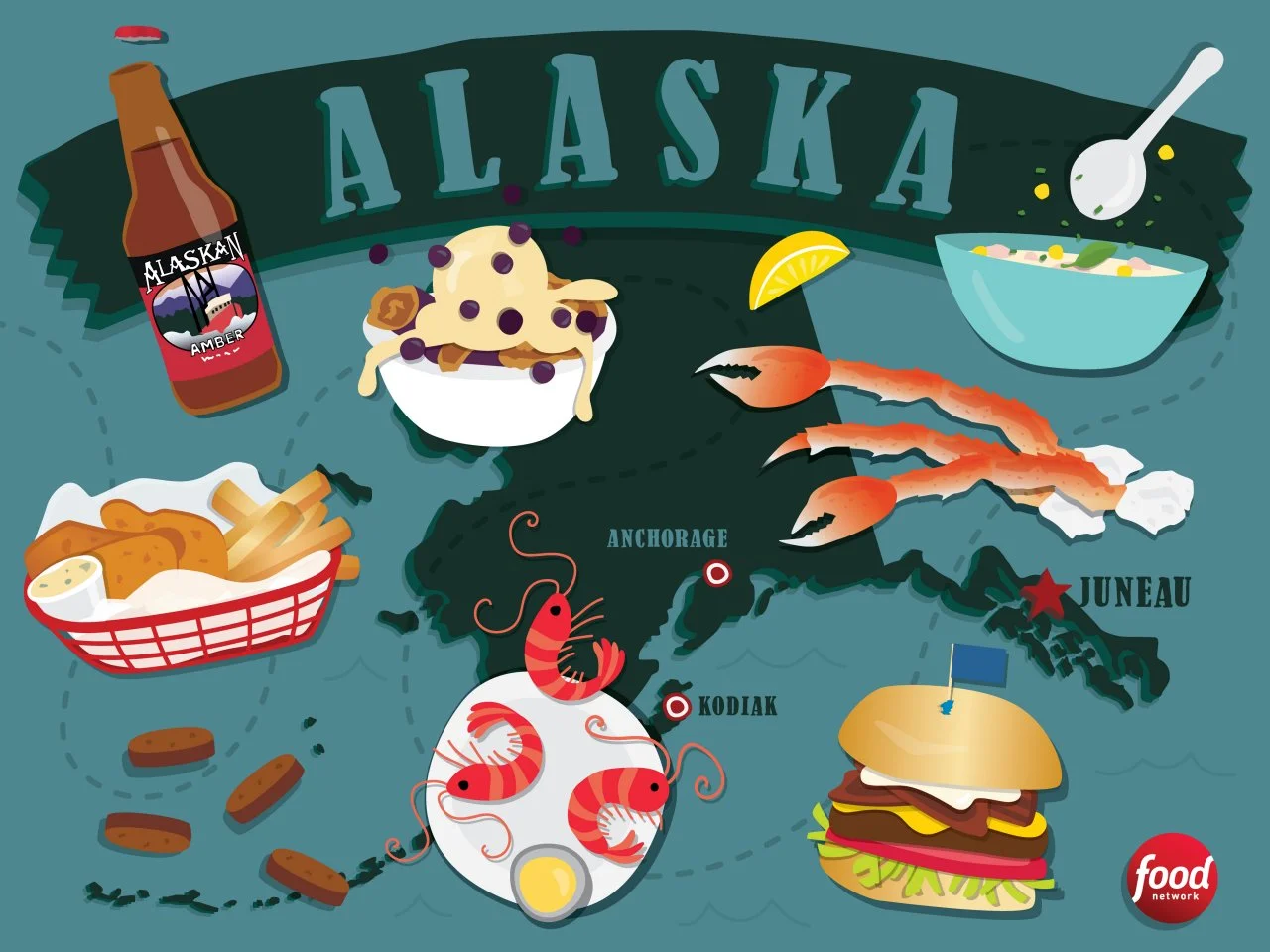
Salmon: The King of Alaskan Cuisine
Salmon is not merely a fish in Alaska; it’s a way of life, an economic pillar, and a cultural touchstone. Five species thrive here: King (Chinook), Sockeye (Red), Coho (Silver), Pink (Humpy), and Chum (Dog). Each offers a distinct flavor and texture, but the King Salmon is often heralded for its rich, buttery taste and substantial fillets. The iconic Copper River Salmon, celebrated for its high fat content and incredible flavor, is a seasonal delicacy that draws gourmands from around the globe. Whether grilled over an open flame, smoked to perfection, or pan-seared with local herbs, salmon is a must-try. Look for it on menus in cities like Anchorage and Juneau, often served simply to let its natural flavors shine.
Halibut: The Versatile Whitefish
Another superstar of the Alaskan seas is Halibut. Known for its firm, flaky white flesh and mild flavor, halibut is incredibly versatile. It can be baked, fried, grilled, or even served as ceviche. Its substantial size often means generous portions, making it a satisfying meal. Fishing for halibut is a popular tourist activity in coastal towns such as Seward and Homer, where charter boats offer visitors the chance to catch their own dinner.
King Crab and Other Shellfish Delicacies
For those with a taste for luxury, Alaskan King Crab is an unforgettable experience. These colossal crustaceans boast sweet, succulent meat, particularly in their legs. Often served steamed with drawn butter, the sheer size and richness of King Crab make it a celebratory dish. Beyond king crab, look for Snow Crab and Dungeness Crab, both offering distinct, delicious flavors. Alaskan scallops, plump and sweet, and Prince William Sound oysters are also highly prized. Many seafood restaurants across the state, from fine dining establishments to casual crab shacks, pride themselves on serving these fresh catches daily.
Wild Game and Foraged Flavors: A Taste of the Frontier
Beyond the ocean’s bounty, Alaska’s vast wilderness provides a unique array of land-based meats and foraged ingredients that reflect the state’s rugged character.
Reindeer, Elk, and Caribou: Meats of the Tundra
While less common than seafood, wild game meats are a significant part of Alaskan cuisine, particularly in more remote areas or specialty restaurants. Reindeer sausage is perhaps the most accessible and popular game meat for visitors, often found as a breakfast staple or street food in cities like Anchorage and Fairbanks. Its distinct, slightly gamey flavor is often blended with spices. More upscale eateries might offer caribou or elk steaks, typically lean and flavorful, reflecting the animals’ natural diets. These meats are usually prepared simply to highlight their robust flavors.
Wild Berries and Mushrooms: Nature’s Candy and Umami
The short but intense Alaskan summer brings forth an explosion of wild berries. Blueberries, salmonberries, cloudberries, and cranberries (known locally as lingonberries) are abundant and feature prominently in desserts, jams, and sauces. From classic wild berry pies to tarts, muffins, and even savory glazes for game meats, these berries add a burst of concentrated flavor. In the fall, foragers seek out wild mushrooms like porcinis and morels, which lend an earthy umami to many dishes. Visiting local farmer’s markets, especially in Palmer or Talkeetna, is an excellent way to sample these seasonal treasures.
Local Specialties and Comfort Foods: A Taste of Alaskan Culture
Beyond the primary ingredients, Alaska boasts several unique dishes and culinary traditions that offer a deeper insight into its local culture and history.

Sourdough: A Historical Staple
The legacy of the Klondike Gold Rush left an indelible mark on Alaskan cuisine: sourdough. Prospectors carried their sourdough starters, allowing them to bake fresh bread on long journeys. Today, sourdough is a beloved part of Alaskan identity. You’ll find sourdough pancakes for breakfast, sourdough bread served with dinner, and even sourdough rolls in many restaurants. Its tangy flavor and chewy texture are distinct and comforting. Many Alaskans proudly maintain their own starters, some passed down through generations.
Akutaq (Eskimo Ice Cream): An Indigenous Treat
A unique indigenous dish, Akutaq, often called “Eskimo ice cream,” is a traditional Inupiaq and Yup’ik food. Traditionally made from whipped animal fat (often caribou or seal fat) mixed with snow or water, wild berries, and sometimes ground fish, it’s a calorie-dense and culturally significant dish. While you might not find it in every restaurant, seeking it out at cultural festivals or specific indigenous eateries offers a rare and authentic culinary experience. Modern versions sometimes use vegetable shortening instead of animal fat.
Fry Bread and Other Hearty Fare
Fry bread, a simple yet satisfying deep-fried dough, is another staple often found at community events, roadside stands, and some casual dining spots. It can be served sweet with honey or berries, or savory with chili or ground meat. Given the often-harsh climate, Alaskan cuisine also embraces hearty comfort foods. Think rich stews, chili, and robust chowders, especially those laden with fresh Alaskan seafood. These dishes offer warmth and sustenance, reflecting the practical needs of living in a rugged environment.
Dining Experiences: From Fine Cuisine to Food Trucks
Alaska’s dining scene caters to a range of preferences and budgets, from upscale establishments offering gourmet creations to casual eateries serving up local favorites.
Upscale Dining and Culinary Innovation
In major cities like Anchorage and Juneau, you’ll find fine dining restaurants that elevate Alaskan ingredients to an art form. Chefs here are often passionate about sourcing hyper-local ingredients, combining traditional flavors with modern culinary techniques. Expect exquisite presentations of King Salmon, seared Halibut, and perhaps even game meats, often paired with wild berries or foraged greens. Making reservations in advance is advisable, especially during the peak summer tourist season.
Casual Eateries and Food Trucks
For a more laid-back experience, countless casual restaurants, diners, and cafes dot the landscape. These are excellent places to try local favorites like fish and chips made with fresh Halibut, or a bowl of rich seafood chowder. Food trucks are also increasingly popular, particularly in Anchorage and during summer festivals, offering everything from reindeer sausages to gourmet burgers and fusion cuisine. Don’t overlook the local brewpubs; many offer delicious pub fare that pairs perfectly with locally crafted beers, often incorporating local ingredients like spruce tips or Alaskan barley.
Farmer’s Markets and Local Shops
To truly immerse yourself in Alaskan food culture, visit a local farmer’s market. Towns like Anchorage, Fairbanks, and Palmer host vibrant markets during the summer months, brimming with fresh produce (the long daylight hours lead to enormous vegetables!), homemade preserves, baked goods, and local crafts. This is an ideal place to sample smoked salmon spreads, local honey, and a variety of wild berry products. Specialty shops often sell locally caught and processed seafood, including canned or smoked varieties perfect for taking home as souvenirs.

Practical Tips for the Alaskan Food Explorer
To make the most of your culinary journey through Alaska, consider these practical tips:
- Embrace Seasonality: Alaska’s harvest seasons are short but bountiful. Salmon runs are typically from May to September, while wild berries ripen mid-to-late summer. Eating seasonally ensures the freshest and most authentic experience.
- Ask Locals for Recommendations: Alaskans are passionate about their food. Don’t hesitate to ask tour guides, hotel staff, or even fellow travelers for their favorite local eateries or hidden gems.
- Be Prepared for Pricing: Due to logistics and the high quality of ingredients, dining in Alaska can be more expensive than in other parts of the United States. Factor this into your travel budget.
- Try Different Preparations: Don’t limit yourself to one way of eating salmon or halibut. Explore different preparations—grilled, smoked, baked, fried, or in a chowder—to appreciate the versatility of Alaskan seafood.
- Consider Food Tours: In larger cities, guided food tours can offer an organized and insightful way to sample a variety of local specialties and learn about the stories behind the food.
Eating your way through Alaska is an adventure in itself. From the depths of its pristine waters to the vastness of its wilderness, the food of the Last Frontier tells a compelling story of nature’s generosity and human ingenuity. So, pack your appetite and prepare to savor the unforgettable flavors that make Alaskan cuisine truly unique.
LifeOutOfTheBox is a participant in the Amazon Services LLC Associates Program, an affiliate advertising program designed to provide a means for sites to earn advertising fees by advertising and linking to Amazon.com. Amazon, the Amazon logo, AmazonSupply, and the AmazonSupply logo are trademarks of Amazon.com, Inc. or its affiliates. As an Amazon Associate we earn affiliate commissions from qualifying purchases.