
Unveiling Alaska’s Floral Emblem: The Forget-Me-Not
For travelers venturing into the majestic landscapes of Alaska, discovering the state’s official flower offers a deeper connection to its unique spirit and natural beauty. The official state flower of Alaska is the Forget-Me-Not (Myosotis alpestris), a delicate yet resilient bloom perfectly embodying the rugged charm and enduring memory of the Last Frontier. This tiny, five-petaled wonder, with its vivid sky-blue hue and often a yellow or white center, holds a significant place in the hearts of Alaskans and serves as a poignant symbol for visitors.
The Forget-Me-Not’s journey to becoming the state flower is rooted in sentiment and history. It was officially adopted in 1917, well before Alaska achieved statehood in 1959. This early designation reflected the flower’s prevalence and its deep symbolic meaning. The phrase “forget me not” itself evokes themes of remembrance, lasting affection, and loyalty—qualities often associated with the challenging yet rewarding lives of pioneers and prospectors who settled the vast Alaskan wilderness. For many, it symbolizes the enduring memory of those who ventured into the harsh frontier, as well as the lasting impression Alaska leaves on all who experience its grandeur. Its seemingly fragile appearance belies an impressive hardiness, thriving in cold, often unforgiving climates, much like the spirit of the people and the land it represents. As tourists explore the state, encountering this unassuming flower provides a subtle yet powerful reminder of Alaska’s rich historical tapestry and its timeless allure.
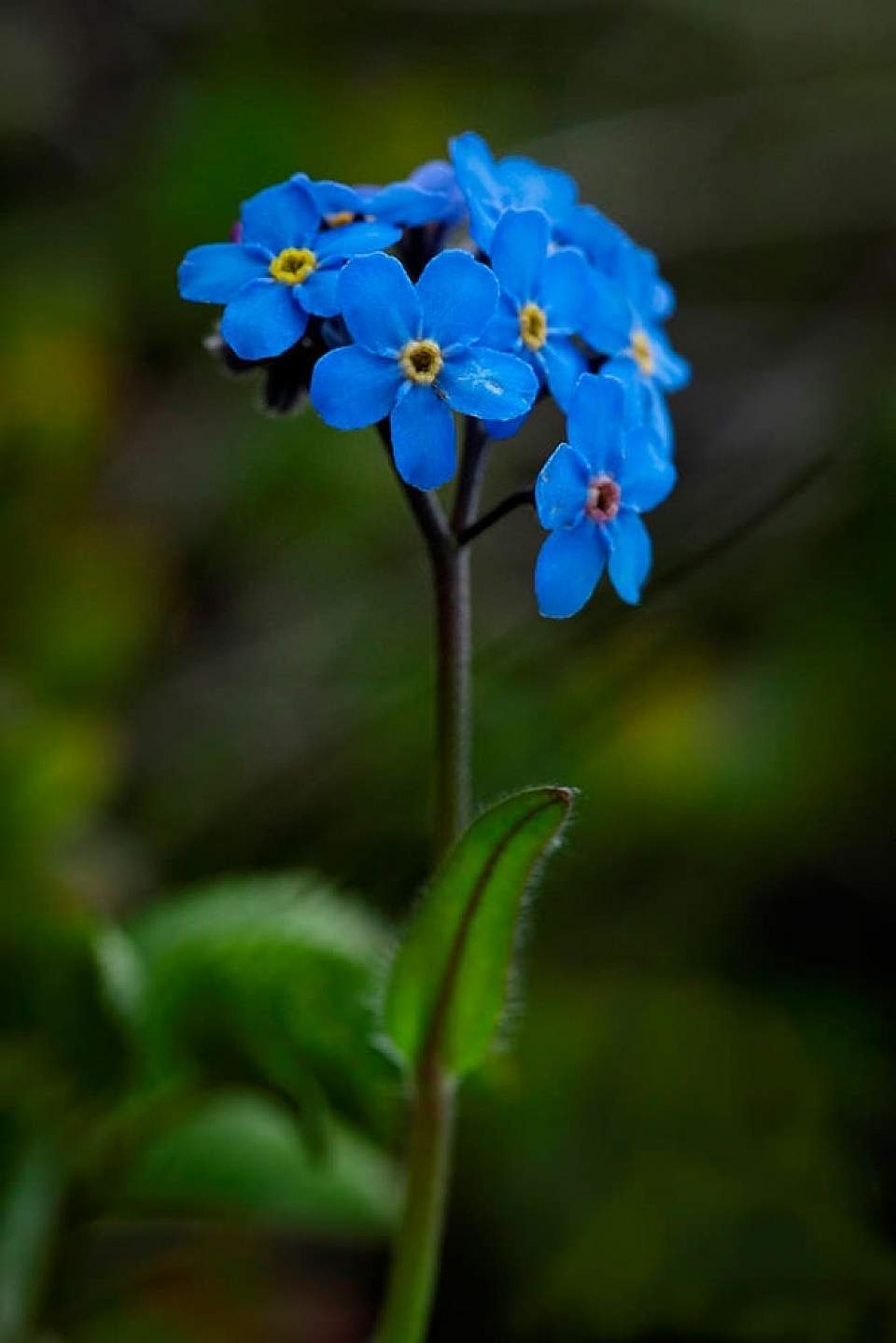
Where to Encounter the Forget-Me-Not in Alaska
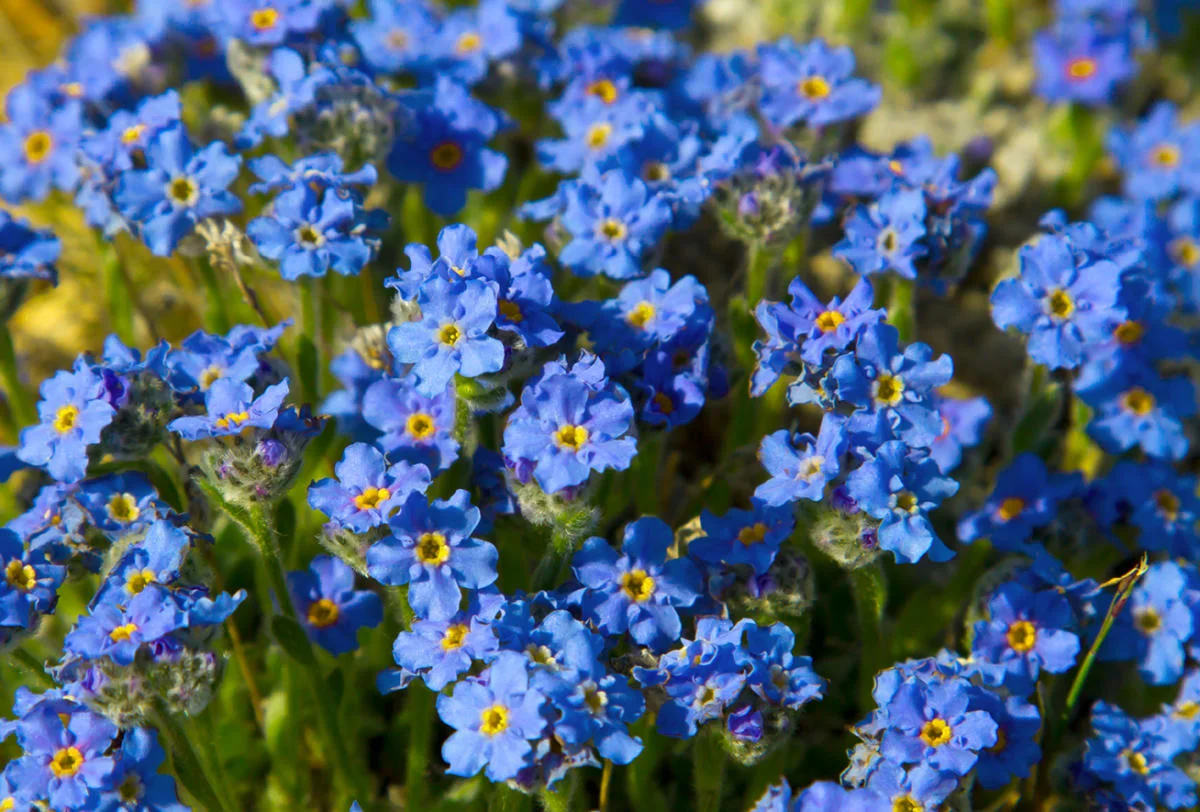
For tourists eager to witness Alaska’s state flower in its natural habitat, timing and location are key. The Forget-Me-Not is remarkably widespread across the state, particularly thriving in alpine meadows, open woodlands, and along riverbanks and moist tundra areas. Its peak blooming season typically spans from late spring through mid-summer, generally from June to August, when the Alaskan landscape bursts into vibrant life under the endless daylight.
Prime Viewing Locations
- Denali National Park and Preserve: One of Alaska’s most iconic destinations, Denali offers unparalleled opportunities to spot Forget-Me-Nots. Along the park road and on various hiking trails, these blue blossoms carpet the ground, often alongside other wildflowers, creating stunning photographic opportunities against the backdrop of towering peaks, including Denali itself. Tour buses often pause at scenic overlooks, giving visitors ample time to appreciate the ground-level flora.
- Chugach State Park: Easily accessible from Anchorage, Chugach State Park provides numerous trails where the Forget-Me-Not can be found. Trails like those around Eklutna Lake or within the Eagle River Nature Center are excellent choices for a leisurely hike and wildflower spotting.
- Talkeetna and Surrounding Areas: The charming town of Talkeetna, a popular base for Denali expeditions, also boasts lush natural areas where Forget-Me-Nots thrive. Exploring the local walking paths or taking a scenic float trip on the Susitna River can reveal these delicate flowers.
- Fairbanks and Interior Alaska: In interior Alaska, particularly around Fairbanks, the Forget-Me-Not is a common sight in gardens, along roadways, and on hiking trails like those at the Creamer’s Field Migratory Waterfowl Refuge or the University of Alaska Fairbanks Arboretum.
- Southeast Alaska (Coastal Areas): While perhaps not as abundant as in the interior and alpine regions, Forget-Me-Nots can also be found in certain coastal areas and rainforest edges of Southeast Alaska, often along hiking trails leading into the Tongass National Forest.
When planning your visit, inquire with local visitor centers or park rangers about current blooming conditions and specific trails known for their wildflower displays. Remember to stay on designated paths to protect the fragile ecosystems and avoid disturbing the natural environment.
The Forget-Me-Not’s Place in Alaskan Culture and Tourism
The Forget-Me-Not is far more than just a botanical specimen; it is a thread woven into the very fabric of Alaskan culture, influencing everything from local artistry to the tourist experience. Its widespread recognition makes it a subtle yet powerful ambassador for the state.
Cultural Significance and Souvenirs
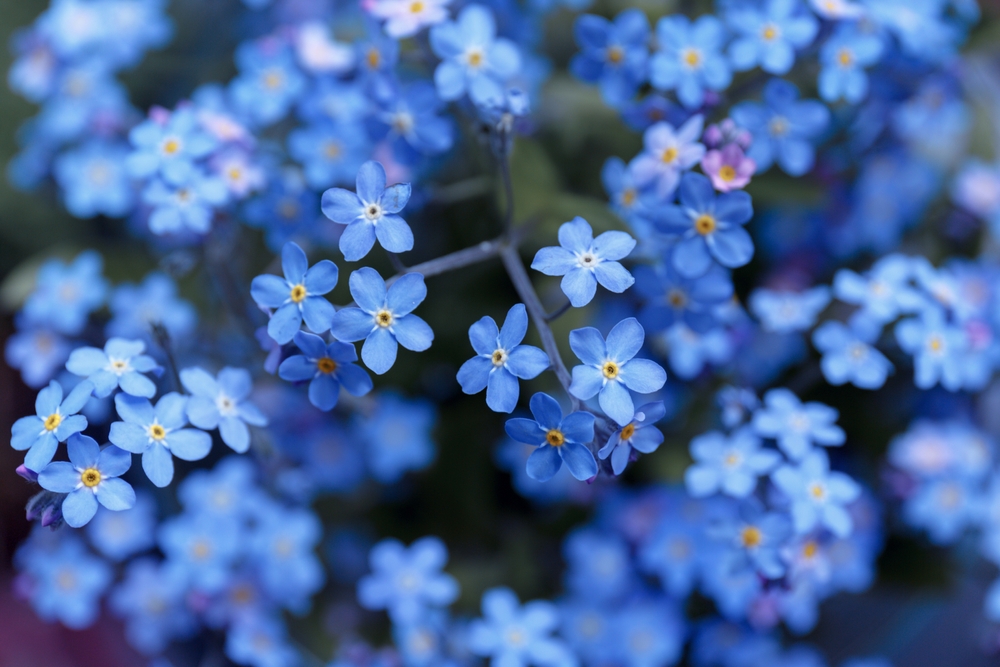
Across Alaska, the Forget-Me-Not frequently appears in local art and craftwork. Tourists will find its likeness on a myriad of souvenirs, including intricate jewelry, pottery, paintings, and embroidered fabrics. These items offer a tangible piece of Alaska to take home, serving as a reminder of the state’s natural beauty and the meaningful symbolism of the flower itself. Local artisans often incorporate the Forget-Me-Not’s blue and yellow hues into their designs, creating authentic mementos that tell a story. Its image is also commonly used in tourism marketing materials, instantly recognizable as a symbol of the state’s wilderness and charm.
While specific historical uses by Alaskan Natives for the Myosotis alpestris itself might be limited or less documented in a broad sense, the profound connection to nature and the symbolism of remembrance resonate deeply within indigenous cultures. The collective admiration for wildflowers and the importance of remembering ancestors and traditions are universal themes. The modern association of the Forget-Me-Not with Alaska’s identity ensures its presence in contemporary storytelling and local folklore, celebrating the land’s persistent beauty.
Enhancing the Tourist Experience
For the discerning traveler, knowing about the Forget-Me-Not transforms a casual stroll into a scavenger hunt, an ordinary landscape into a canvas of cultural significance. Spotting these small, vibrant blooms amidst the vast Alaskan wilderness becomes a moment of connection, a silent nod to the state’s heritage. It deepens the appreciation for the flora, adding an intellectual layer to the visual spectacle.
- A Symbol to Seek: Tourists can make it a personal goal to find the Forget-Me-Not during their travels, much like seeking out wildlife. This active engagement enhances the sense of discovery and creates lasting memories.
- Photography Opportunities: The bright blue of the Forget-Me-Not provides a striking contrast against green foliage or rugged terrain, making it a popular subject for nature photographers. Capturing its image offers a unique perspective on Alaska’s delicate beauty.
- Educational Value: Learning about the state flower offers insight into local values and the natural environment. It’s an easy and engaging way to absorb a piece of Alaskan identity.
Responsible tourism is paramount when appreciating Alaska’s wildflowers. While it’s tempting to pick a bloom, it’s crucial to leave them undisturbed for others to enjoy and for the ecosystem to thrive. Photography and observation are the best ways to connect with these natural treasures without causing harm. Respecting trail markers and avoiding off-trail excursions also protects these delicate habitats.
Beyond the Bloom: Exploring Alaska’s Wider Floral Diversity
While the diminutive Forget-Me-Not reigns supreme as Alaska’s official state flower, the state’s vast and varied ecosystems host an astonishing array of wildflowers that captivate visitors from late spring through early autumn. Exploring this broader floral diversity adds another rich layer to the Alaskan tourist experience, transforming hikes and scenic drives into vibrant botanical tours.
Other Iconic Alaskan Wildflowers
- Fireweed: Perhaps the most recognizable wildflower after the Forget-Me-Not, Fireweed (Chamerion angustifolium) carpets vast swathes of Alaska with its brilliant magenta spikes. Its blooming cycle is often said to signal the changing seasons; when the top blossoms are still opening, summer is in full swing, but when the lowest blossoms begin to go to seed, the first frosts are not far behind. It thrives in disturbed areas, earning its name from often being the first plant to recolonize after a wildfire or glacier retreat.
- Lupine: Several species of Lupine grace the Alaskan landscape, from the purple Arctic Lupine to the taller, often blue or pink varieties found in meadows. Their conical flower clusters create stunning vertical accents in fields and along roadsides, particularly in the interior and south-central regions.
- Alaska Poppy: Distinct from the common garden poppy, the Alaska Poppy (Papaver nudicaule) features delicate, papery petals in shades of yellow, orange, and sometimes white, often found in rocky, high-alpine environments. Its bright colors provide a cheerful contrast to the rugged terrain.
- Wild Iris: The Northern Blue Flag Iris (Iris setosa), commonly known as Wild Iris, is a striking purple-blue flower that thrives in wet meadows and marshy areas, particularly in Southeast and south-central Alaska.
- Chocolate Lily: Also known as Indian Rice, the Chocolate Lily (Fritillaria camschatcensis) is a unique, bell-shaped flower with dark maroon to brownish petals, often mottled, exuding a distinctive scent reminiscent of chocolate. It’s a fascinating find for any wildflower enthusiast.
- Dwarf Dogwood (Bunchberry): While its true flowers are tiny and greenish, the Dwarf Dogwood (Cornus canadensis) is known for its prominent white bracts that resemble petals, later producing clusters of bright red berries, adding color to the forest floor.
Tips for Wildflower Photography and Observation
For tourists keen on capturing the beauty of Alaska’s wildflowers, here are a few tips:
- Go Macro: Many of Alaska’s most captivating wildflowers, including the Forget-Me-Not, are small. A macro lens or a camera with a good macro mode will allow you to capture intricate details.
- Golden Hour Lighting: Early morning or late evening light (the “golden hour”) creates soft, warm illumination that enhances colors and textures, making flowers truly pop.
- Get Low: Don’t be afraid to get down to the flower’s level. This perspective can create stunning, immersive shots and highlight the flower against a blurred background.
- Look for Context: While close-ups are great, also try to capture the wildflowers within their landscape, showcasing the scale of Alaska’s wilderness and where these delicate blooms thrive.
- Be Patient: Wind can be a challenge for clear photos. Wait for lulls in the breeze to get sharper images.
- Leave No Trace: Always remember the principles of “Leave No Trace.” Admire and photograph, but do not pick or disturb the wildflowers. Staying on designated trails helps protect these fragile ecosystems for future visitors.
By understanding and appreciating the Forget-Me-Not and its many floral companions, tourists can truly immerse themselves in the natural and cultural richness that makes Alaska an unforgettable destination.
LifeOutOfTheBox is a participant in the Amazon Services LLC Associates Program, an affiliate advertising program designed to provide a means for sites to earn advertising fees by advertising and linking to Amazon.com. Amazon, the Amazon logo, AmazonSupply, and the AmazonSupply logo are trademarks of Amazon.com, Inc. or its affiliates. As an Amazon Associate we earn affiliate commissions from qualifying purchases.