
The mention of Alaska often conjures images of majestic glaciers, abundant wildlife, and rugged wilderness. Yet, beneath the veneer of its breathtaking natural beauty lies a unique economic and social phenomenon that profoundly shapes the lives of its residents: the Permanent Fund Dividend, or PFD. Far from a mere government handout, the PFD is an annual disbursement to eligible Alaskans derived from the state’s vast natural resource wealth, primarily oil. Understanding the PFD is crucial for anyone seeking to grasp the unique local culture, economic drivers, and daily rhythm of life in the Last Frontier. It represents a fundamental aspect of Alaskan identity, fostering a distinct relationship between the state’s citizens and its natural resources.

The Alaskan Permanent Fund Dividend: An Overview
The story of the PFD begins with the discovery of oil at Prudhoe Bay in 1968, a pivotal moment that transformed Alaska’s economic landscape. Recognizing the finite nature of this resource and the potential for boom-and-bust cycles, then-Governor Jay Hammond championed the creation of a permanent savings account. In 1976, Alaskan voters approved a constitutional amendment establishing the Alaska Permanent Fund (APF). The APF is not merely a savings account; it’s an endowment managed by the Alaska Permanent Fund Corporation, designed to invest and grow a portion of the state’s mineral revenue. The core principle was to ensure that future generations would also benefit from the state’s non-renewable resources, rather than solely relying on fluctuating oil prices.
The PFD itself was established in 1980, with the first checks distributed in 1982. Its purpose was twofold: to share a portion of the state’s resource wealth directly with its citizens and to build public support for the Permanent Fund by making Alaskans direct stakeholders in its success. The amount of the dividend varies each year, determined by a five-year average of the fund’s investment earnings and legislative decisions. It’s not directly tied to the annual price of oil but rather to the performance of the diversified investment portfolio managed by the APFC. This separation from immediate oil revenues provides a buffer against market volatility and ensures a more stable, albeit fluctuating, annual distribution. The PFD has become a deeply ingrained part of the Alaskan calendar, eagerly anticipated by residents every fall.
Eligibility and Application: Who Receives the PFD?
Becoming eligible for the Permanent Fund Dividend is a straightforward, yet strict, process designed to ensure that the benefits are reserved for bona fide residents of Alaska. The overarching principle is demonstrating intent to remain a permanent resident.
Residency Requirements
To qualify for a PFD, an individual must generally meet two primary criteria:
- Residency for a Full Calendar Year: The applicant must have been an Alaskan resident for a full calendar year preceding the application period. This means residing in the state from January 1st through December 31st of the qualifying year. For instance, to apply for the 2024 PFD, one must have resided in Alaska for all of 2023.
- Intent to Remain an Alaskan Resident: Crucially, applicants must also declare their intent to remain an Alaskan resident indefinitely. This declaration is a key component of the application and is backed by various checks and balances.
There are specific exceptions and nuances to these rules. For example, individuals who have been absent from Alaska for more than 180 days during the qualifying year may still be eligible if their absence was for an allowable reason, such as military service, education, medical treatment, or accompanying an immediate family member on such an absence. However, these absences must be temporary, and the individual must maintain their Alaskan residency during that time. Additionally, individuals convicted of certain felonies or incarcerated during the qualifying year may be ineligible.
The Application Process
The PFD application period typically opens on January 1st and closes on March 31st each year. The process is largely digitized, making it accessible to most Alaskans.
- Online Application: The vast majority of applicants submit their forms online through the Alaska Permanent Fund Division website. This method is encouraged for its efficiency and reduces processing time.
- Required Documentation: Applicants must provide accurate personal information, including social security numbers and details about their residency history. The system often cross-references data with other state agencies to verify residency.
- Filing Deadlines: Adhering to the March 31st deadline is critical. Late applications are generally not accepted, emphasizing the state’s commitment to a timely and orderly distribution process.
- Monitoring Application Status: After submission, applicants can track the status of their application online. The PFD Division meticulously reviews each application, and it is not uncommon for additional information or clarification to be requested.
Once approved, the dividends are typically disbursed in early October. This annual payout is a significant event for many Alaskan families, often shaping their financial planning for the year.
Economic and Social Impact on Alaska
The Permanent Fund Dividend exerts a profound influence on Alaska’s economy and social fabric, creating a unique environment distinct from other U.S. states. It has become an integral component of the local culture and a key economic stabilizer.
Stimulating Local Economies
Every fall, when the PFD checks are distributed, a palpable buzz ripples through Alaskan communities. The influx of hundreds of millions of dollars directly into consumer hands provides an annual economic stimulus. Local businesses, from small boutiques in Juneau to hardware stores in Fairbanks, often see a surge in sales. Residents use their dividends for a wide array of purchases: paying down debt, making home improvements, buying winter gear, or saving for future endeavors. This direct injection of capital helps sustain local economies, particularly in remote areas where other economic opportunities might be scarce. The PFD effectively serves as a form of universal basic income, albeit one tied to resource wealth, impacting everything from retail sales to service industries. This predictable annual boost offers a unique economic rhythm, providing a crucial liquidity event for families and small businesses alike.
Poverty Reduction and Income Equality
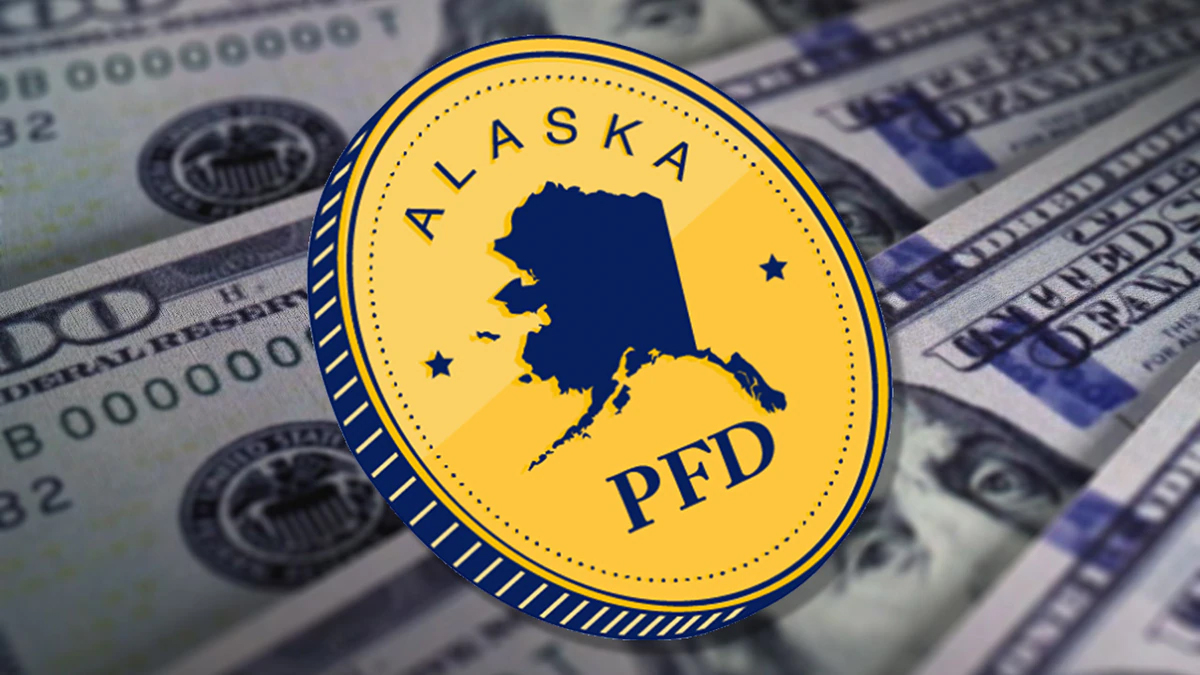
One of the most significant social impacts of the PFD is its role in poverty reduction and promoting income equality. Studies have shown that the dividend disproportionately benefits low-income families, as the fixed amount represents a larger percentage of their annual income. For these families, the PFD can be a lifeline, helping to cover essential expenses, escape debt cycles, or invest in education and healthcare. This broad distribution of wealth helps to mitigate economic disparities, making Alaska one of the states with lower income inequality compared to the rest of the nation. It provides a safety net that, in combination with other social programs, helps elevate the living standards of many Alaskans, fostering a more resilient and equitable society.
Impact on Migration and Local Identity
The PFD also plays a subtle role in influencing migration patterns to and from Alaska. While not the sole reason for moving to the state, the prospect of an annual dividend can be an attractive incentive, particularly for individuals and families seeking economic stability. More profoundly, the PFD has woven itself into the fabric of Alaskan identity. It embodies the state’s unique approach to resource management and community sharing. Generations of Alaskans have grown up with the PFD as a constant, shaping their financial literacy, their connection to the state’s natural resources, and their sense of communal ownership. This shared experience creates a distinctive cultural bond, where residents feel a direct stake in the state’s prosperity. It fosters a sense of collective benefit from the vast, wild lands they call home.
PFD and the Alaskan Lifestyle: More Than Just Money
The Permanent Fund Dividend is not merely a financial transaction; it’s a cultural phenomenon that deeply intertwines with the Alaskan way of life, influencing everything from individual planning to community traditions. For residents and those considering a move to the Last Frontier, understanding this unique aspect offers vital insights into the local culture.
Financial Planning and Annual Rituals
For many Alaskan families, the PFD is an anticipated annual boost that dictates a portion of their financial planning. It’s often used for large purchases, essential winter preparations, or long-term savings. Discussions about “what to do with the PFD” are common, ranging from buying new snowmachines or fishing boats to repairing homes, paying for college tuition, or taking a much-needed vacation. This annual cycle of expectation and disbursement creates a unique rhythm to the year, with businesses often ramping up sales and services in anticipation of the payout in early October. Schools sometimes even schedule a “PFD holiday” or a “teacher work day” around the distribution to accommodate families receiving their checks.
Supporting Local Adventures and Preparedness
Given Alaska’s rugged environment and the outdoor-centric lifestyle of many residents, the PFD often fuels adventures and ensures preparedness. It might fund a new set of tires for a winter vehicle, contribute to purchasing camping or hunting gear, or allow for essential maintenance on a cabin in the bush. This direct investment in lifestyle activities and preparedness is a critical aspect of Alaskan resilience. It empowers individuals and families to engage more deeply with their natural surroundings, whether through subsistence activities, recreation, or simply enduring the long, harsh winters. The PFD, therefore, indirectly supports the very activities that define much of the Alaskan spirit.
Fostering a Sense of Shared Ownership
Beyond its economic utility, the PFD cultivates a powerful sense of shared ownership among Alaskans. Knowing that each resident receives a portion of the state’s resource wealth fosters a collective stake in the future of the Alaska Permanent Fund and the responsible management of natural resources. This shared benefit reinforces a community bond, creating a unique form of civic engagement. Residents often discuss the fund’s performance, the debates surrounding its future, and the implications for their annual dividend, making financial literacy and awareness of state economics a more common conversation than in many other parts of the country. This shared experience contributes significantly to the distinct local culture, where residents feel directly connected to the prosperity and challenges of their state.
Challenges and Future Outlook of the PFD
While the Permanent Fund Dividend has been a cornerstone of Alaskan life for decades, it is not without its challenges and ongoing debates, particularly as the state grapples with evolving economic realities. The future of the PFD is a frequent topic of discussion in homes, community centers, and legislative chambers across Alaska.
Declining Oil Revenues and Fiscal Pressures
The primary challenge facing the PFD stems from Alaska’s diminishing oil production and the volatility of global oil prices. For many years, the state relied heavily on oil revenues to fund government services, with the Permanent Fund’s earnings seen as an additional benefit. However, as oil revenues have declined, the state has increasingly turned to the Permanent Fund’s earnings not just for the PFD, but also to fund essential government services like education, healthcare, and infrastructure. This has created a fierce political debate over the “draw” from the fund – how much should be taken for dividends versus state services. The tension lies in balancing the constitutional mandate to protect the fund’s principal with the immediate needs of the state budget and the public’s expectation of a robust PFD.
The Political Debate Over PFD Formula
Historically, the PFD amount was calculated using a specific statutory formula based on a five-year average of the Permanent Fund’s earnings. However, in recent years, governors and the legislature have frequently deviated from this formula due to budget shortfalls, often setting the PFD amount through the annual appropriations process. This has led to inconsistency in dividend amounts, political uncertainty, and strong public disagreement. Some argue for strict adherence to the original formula to maintain its integrity and economic stimulus, while others contend that the state’s fiscal solvency must take precedence. This ongoing legislative back-and-forth highlights the PFD’s central role in Alaskan politics and public discourse, making it a key issue in every election cycle.

Long-Term Sustainability and Diversification
Looking ahead, the long-term sustainability of the PFD and the broader Alaska Permanent Fund is paramount. Efforts are underway to diversify Alaska’s economy beyond oil, exploring opportunities in tourism, renewable energy, and technology. A stronger, more diversified state economy would alleviate pressure on the Permanent Fund to fund government services, allowing its earnings to more consistently support the dividend. Furthermore, careful management of the fund’s investments by the Alaska Permanent Fund Corporation will be crucial to ensuring its continued growth and ability to provide for future generations. The PFD remains a unique and powerful expression of Alaskan sovereignty and resource management, symbolizing a commitment to sharing wealth and investing in its citizens for the long haul, even as it navigates a complex and changing future.
LifeOutOfTheBox is a participant in the Amazon Services LLC Associates Program, an affiliate advertising program designed to provide a means for sites to earn advertising fees by advertising and linking to Amazon.com. Amazon, the Amazon logo, AmazonSupply, and the AmazonSupply logo are trademarks of Amazon.com, Inc. or its affiliates. As an Amazon Associate we earn affiliate commissions from qualifying purchases.