
The very mention of “triangle” in a geographical context often conjures images of the Bermuda Triangle and its legendary disappearances. However, on the opposite side of the continent, a similarly enigmatic region known as the Alaska Triangle captivates the imagination of travelers, adventurers, and mystery enthusiasts alike. Far from being merely a spooky legend, the Alaska Triangle represents a vast, rugged, and profoundly wild section of Alaska that beckons with both its unparalleled natural beauty and its unsettling reputation. For those contemplating travel to the Last Frontier, understanding this unique area is key to appreciating both the majesty and the inherent challenges of Alaskan exploration.

Defining the Enigmatic Region
Understanding the Alaska Triangle begins with grappling with its amorphous boundaries and the unique characteristics that define it as a travel destination. Unlike geopolitical borders, the Alaska Triangle is more of a cultural and historical construct, born from an accumulation of unexplained phenomena rather than precise cartography.
Geographical Extent
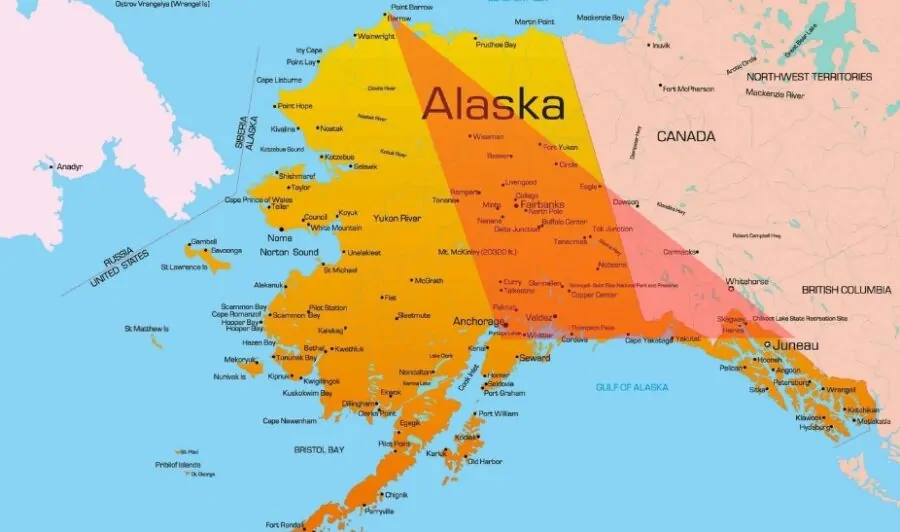
While there is no universally agreed-upon map that delineates the Alaska Triangle, it is generally understood to encompass a vast, triangular-shaped area spanning much of central and southeastern Alaska. The three points of this unofficial triangle are commonly cited as Anchorage in the south-central region, the remote town of Barrow (now Utqiaġvik) on the Arctic coast, and Juneau, the state capital in the panhandle. This immense geographical area covers hundreds of thousands of square miles, stretching across diverse landscapes ranging from the towering peaks of the Alaska Range, including Denali (North America’s highest mountain), to the vast interior tundra, dense boreal forests, and intricate coastal fjords. It includes significant portions of the Chugach Mountains, the Yukon-Kuskokwim Delta, and the icy waters of the Gulf of Alaska. This sheer scale underscores that the “triangle” is less a specific spot and more a representation of the state’s most remote, wild, and challenging environments, areas where human presence is sparse and nature reigns supreme.
Historical Context of the Name
The concept of the Alaska Triangle as a place of mystery gained significant traction following the unexplained disappearance of US House Majority Leader Hale Boggs and Congressman Nick Begich in 1972. Their small plane vanished without a trace during a flight from Anchorage to Juneau, triggering one of the largest search-and-rescue operations in US history, which ultimately yielded no wreckage or bodies. This high-profile incident, combined with a staggering number of other missing persons and aircraft reports in the region over decades, cemented the area’s reputation.
Local legends and Indigenous oral traditions, long predating modern disappearances, also speak of mystical forces and ‘Hairy Man’ creatures said to inhabit the deepest wilderness, adding layers of cultural depth to the mystery. The term “Alaska Triangle” itself emerged in popular culture as a way to encapsulate the disproportionately high number of reported disappearances—estimates suggest over 20,000 people have vanished in Alaska since 1970, with many concentrated within this region. For travelers, this historical context adds a unique, often eerie, dimension to exploring Alaska’s vastness, making it a destination of both incredible beauty and profound intrigue.
The Lure of the Alaskan Wilderness
Despite, or perhaps because of, its enigmatic reputation, the Alaska Triangle area is an undeniable magnet for travelers seeking the ultimate wilderness adventure. Its appeal lies in its untamed nature, offering experiences found nowhere else on Earth.
Untamed Landscapes and Natural Wonders
The landscapes within the Alaska Triangle are nothing short of breathtaking. From the colossal glaciers carving their way through the Chugach Mountains to the sweeping vistas of Denali National Park and Preserve, the region offers a visual spectacle of raw, powerful nature. Travelers can witness dramatic fjords like those in Prince William Sound, teeming with marine life such as orcas, humpback whales, and sea otters. Inland, vast forests stretch for hundreds of miles, providing habitat for grizzly bears, moose, caribou, and wolves. The Yukon River, one of North America’s longest, snakes through the interior, a historical artery for trade and exploration. Adventurers are drawn to these landscapes for world-class hiking, mountaineering, fishing, kayaking, and wildlife viewing. The sheer scale and untouched quality of the environment offer an unparalleled sense of solitude and connection to nature that is increasingly rare in the modern world. Visiting such areas, even on guided tours, provides a profound perspective on the planet’s enduring wildness.
Remote Communities and Unique Cultures
Within and around the Alaska Triangle’s immense expanse are numerous small, often isolated communities, each with its own distinct character and cultural heritage. From the bustling hub of Anchorage, the starting point for many Alaskan adventures, to smaller towns like Talkeetna, a base for Denali climbers, and the more remote Indigenous villages scattered across the interior and along the coasts, these settlements offer a glimpse into truly unique ways of life. Many of these communities are primarily accessible by small aircraft or boat, reinforcing their isolation and the self-reliance of their inhabitants.
Travelers have the opportunity to engage with Alaska’s rich Indigenous cultures, including the Athabascan peoples of the interior, the Yup’ik and Inupiaq along the coasts, and the Tlingit, Haida, and Tsimshian of the panhandle. Cultural centers, local festivals, and artisan workshops provide avenues to learn about traditional hunting, fishing, art forms, and storytelling that have shaped these communities for millennia. This cultural immersion adds significant depth to the travel experience, moving beyond mere scenic appreciation to a deeper understanding of human resilience and adaptation in one of the world’s most challenging environments.
The Mystery Unveiled: Disappearances and Phenomena

The central allure and defining characteristic of the Alaska Triangle from a travel perspective is its reputation as a zone of unexplained disappearances. This aspect, while unsettling, contributes to its mystique and draws a specific kind of intrepid traveler.
Statistical Anomalies and Missing Persons
Alaska’s vastness, extreme weather, and treacherous terrain make it inherently dangerous. However, the sheer volume of disappearances within the Alaska Triangle seems to defy simple explanation. Reports suggest that thousands of people have vanished in this region since the 1970s, far exceeding national averages relative to its population. These cases include small aircraft, experienced hikers, hunters, and local residents. What makes these incidents particularly compelling is the frequent lack of any trace—no wreckage, no bodies, no distress signals, as if the individuals simply ceased to exist. For travelers drawn to the thrill of the unknown, the statistics serve as a somber reminder of the wilderness’s power and the mysteries it still holds. This phenomenon has spurred numerous documentaries, books, and investigations, fueling a unique form of “dark tourism” for those interested in exploring the edges of human understanding.
Theories: Geophysical, Atmospheric, and Paranormal
Various theories attempt to explain the disappearances, ranging from the scientific to the speculative, all of which contribute to the Alaska Triangle’s mystique.
- Geophysical Explanations: One prevailing theory points to the geological activity beneath Alaska. The state is situated on the Pacific Ring of Fire, a highly seismically active zone. Some researchers speculate about powerful electromagnetic anomalies or “vortexes” caused by geological stresses that could interfere with navigation equipment, disorient individuals, or even open temporary portals. The sheer magnetism of certain areas could indeed affect compasses and radio signals.
- Atmospheric Conditions: Alaska’s weather is notoriously unpredictable and severe. Sudden blizzards, whiteouts, and rapid changes in air pressure can disorient pilots and hikers. The complex topography—deep valleys, towering mountains, and vast icefields—can create unique microclimates and powerful downdrafts that can quickly ground aircraft or lead to fatal falls for those on foot. The vastness also means that even small incidents can quickly escalate into irrecoverable situations.
- Paranormal and Cryptid Theories: For many, the more sensational theories are the most captivating. These include suggestions of extraterrestrial activity, given the numerous UFO sightings reported in Alaska. Others point to the existence of cryptids, such as the aforementioned ‘Hairy Man’ (similar to Bigfoot), or even interdimensional beings. While lacking scientific proof, these theories are deeply woven into the local folklore and popular imagination, adding to the region’s appeal for those seeking thrills beyond the conventional.
Indigenous Perspectives and Lore
Long before modern disappearances captivated the world, Indigenous peoples of Alaska had their own explanations for the dangers of certain wilderness areas. Their oral traditions often speak of powerful spirits, mischievous creatures, or sacred lands that demand respect and caution. The Tlingit and Athabascan cultures, for example, have tales of spirits that can lead travelers astray or entities that guard the wilderness. These stories often serve as cautionary tales, emphasizing the need for humility and preparedness when venturing into the wild. For travelers, understanding these perspectives offers a profound connection to the land’s ancient history and the deep respect its original inhabitants have for its unpredictable forces. Engaging with these stories through local guides or cultural centers enriches the travel experience, providing a vital, often overlooked, layer of understanding about the Alaska Triangle.
Navigating the Triangle: Travel Considerations
Traveling within or near the perceived boundaries of the Alaska Triangle is undoubtedly an unforgettable experience, but it demands careful planning and respect for the environment. It’s a journey into true wilderness, where preparedness is not just recommended, but essential.
Essential Safety Precautions
For any traveler venturing into Alaska’s backcountry, especially within areas known for their remoteness, safety is paramount.
- Inform Others: Always inform friends, family, or local authorities of your itinerary, including expected return times and specific routes.
- Be Prepared for Weather Extremes: Alaska’s weather can change dramatically in minutes. Pack layers, waterproof gear, and emergency shelters.
- Navigation: Do not rely solely on electronic devices. Carry physical maps, a compass, and know how to use them. A satellite communication device (like a SPOT device or Garmin InReach) for emergency signaling is highly recommended.
- Wildlife Awareness: You are in bear country. Carry bear spray, know how to use it, and understand bear safety protocols. Keep food properly stored.
- First Aid: Carry a comprehensive first aid kit and know basic wilderness first aid.
- Guided Tours: For inexperienced wilderness travelers, engaging certified guides for hiking, fishing, or flying tours is the safest way to experience the region. Their expertise in navigation, survival, and local conditions is invaluable.
- Physical Fitness: Many trails and activities require a good level of physical fitness. Assess your capabilities honestly.
Exploring Nearby Destinations
While the mysteries of the Alaska Triangle define its reputation, most travelers experience the region by visiting its gateway cities and surrounding natural attractions.
- Anchorage: As Alaska’s largest city, Anchorage serves as a primary entry point and offers excellent infrastructure, museums, restaurants, and access to the Chugach Mountains and Prince William Sound.
- Fairbanks: Further north, Fairbanks is the gateway to the Arctic Circle and an excellent spot for viewing the Aurora Borealis (Northern Lights) in winter. It also offers access to interior Alaska’s vast wilderness.
- Juneau: Accessible only by air or sea, Juneau is nestled in the scenic Inside Passage and provides opportunities for glacier viewing (like the Mendenhall Glacier), whale watching, and exploring temperate rainforests.
- Denali National Park and Preserve: A world-renowned destination offering unparalleled wildlife viewing and majestic views of Denali, located squarely within the broader Alaska Triangle area. Bus tours provide access deep into the park’s wilderness.
- Coastal Towns: Charming towns like Seward and Valdez offer access to glaciers, marine wildlife, and stunning coastal scenery.
These destinations allow travelers to experience the immense beauty and unique culture of Alaska without necessarily venturing into the most remote and challenging areas associated with the triangle’s disappearances.
Responsible Tourism in a Fragile Environment
Traveling through the Alaska Triangle area means engaging with one of the world’s last great wild spaces. Responsible tourism practices are crucial to preserve its pristine nature.
- Leave No Trace: Pack out everything you pack in. Minimize your impact on trails, campsites, and water sources.
- Respect Wildlife: Observe animals from a safe distance. Never feed wildlife.
- Support Local: Patronize local businesses, guides, and accommodations to contribute to the economic well-being of Alaskan communities.
- Educate Yourself: Learn about the local ecology, history, and Indigenous cultures before you go.
- Minimize Disturbances: Be mindful of noise levels and avoid disrupting the serene wilderness experience for others and for wildlife.
The Alaska Triangle is more than just a place of mystery; it is a gateway to understanding the profound power and fragile beauty of Alaska’s wilderness. For the discerning traveler, it offers not just stunning vistas and thrilling adventures, but also a chance to ponder the enduring questions that wilderness, in its truest form, continues to pose to humanity.
LifeOutOfTheBox is a participant in the Amazon Services LLC Associates Program, an affiliate advertising program designed to provide a means for sites to earn advertising fees by advertising and linking to Amazon.com. Amazon, the Amazon logo, AmazonSupply, and the AmazonSupply logo are trademarks of Amazon.com, Inc. or its affiliates. As an Amazon Associate we earn affiliate commissions from qualifying purchases.