
Understanding the climate of Anchorage, Alaska, is paramount for any traveler planning a visit, as current temperatures are merely a snapshot of a highly dynamic environment. While a specific temperature point in time can inform immediate packing decisions, a truly insightful travel plan requires a deeper dive into Anchorage’s seasonal variations, which dictate everything from available activities to essential gear. Whether you’re chasing the midnight sun, witnessing the Northern Lights, or exploring vast wilderness, knowing what to expect from the mercury and beyond will ensure a comfortable and unforgettable Alaskan adventure.
Navigating Anchorage’s Diverse Climate: A Traveler’s Guide
Anchorage experiences a subarctic climate, but its coastal proximity to the Cook Inlet and the sheltering effect of the surrounding Chugach Mountains provide a unique microclimate. This means temperatures can fluctuate significantly not only between seasons but also within a single day. For the traveler, this translates to a constant need for adaptability and preparation. The “current temperature” is a crucial piece of information for the moment, but it’s the broader climatic context that truly empowers successful travel planning.
The Snapshot: A Spring Day in Anchorage
As of this moment, the current temperature in Anchorage, Alaska, hovers around 40°F (4°C). This reading signifies a typical spring day, characterized by the gradual thawing of winter’s embrace and the promise of longer, brighter days. At 40°F, the air feels crisp and cool, requiring a medium-weight jacket, perhaps a warm sweater, and sturdy, potentially waterproof footwear. Pockets of lingering snow might still be present, especially in shaded areas or at higher elevations, while exposed areas show the first signs of greening.
For travelers arriving with this temperature, immediate outdoor activities like walking the Tony Knowles Coastal Trail or exploring downtown Anchorage are pleasant but demand appropriate layering. It’s a temperature that encourages brisk movement and appreciation of the emerging landscape, but also serves as a reminder that truly warm weather is still a little while away. This transitional period offers a unique blend of winter’s stark beauty and summer’s budding vibrancy, making it an appealing time for those who enjoy fewer crowds and the dramatic shift in seasons.
Seasonal Temperature Fluctuations and Travel Planning
While the immediate temperature informs your next hour, comprehensive travel planning for Anchorage demands an understanding of its distinct seasons. Each period brings its own set of weather patterns, influencing recommended activities, necessary attire, and overall travel experience.
Summer (June-August): The Peak Season
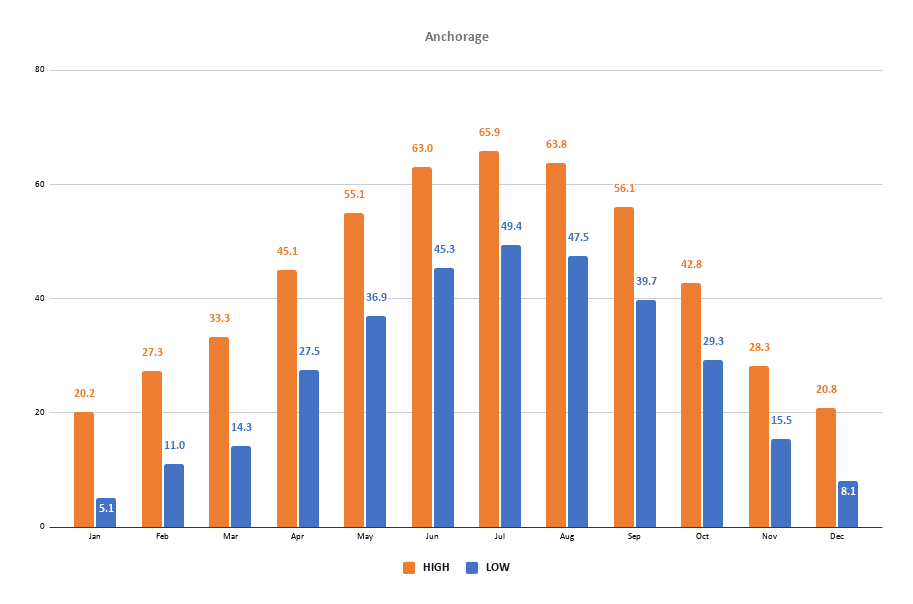
Anchorage’s summer is a glorious, vibrant period, making it the most popular time for visitors. Average temperatures typically range from 55°F (13°C) to 78°F (25°C), though warmer days can push into the 80s°F (27°C). The true marvel of Alaskan summer is the “midnight sun,” with nearly 19-20 hours of daylight in June and July, allowing for extended outdoor adventures.
Travelers can indulge in world-class hiking in Chugach State Park, wildlife viewing (moose, bears, eagles), and fishing for salmon in local rivers. Boat tours to see glaciers and marine life in Prince William Sound or Resurrection Bay are also prime activities. Packing should focus on layers: light shirts, fleeces, waterproof and windproof jackets are essential. Sunscreen, sunglasses, and a wide-brimmed hat are critical due to the extended daylight and strong UV index. Don’t forget insect repellent, as mosquitoes can be prevalent, especially near water or in dense foliage. Comfortable hiking boots are a must for exploring the numerous trails.
Fall (September-November): Crisp Air and Autumn Hues
As summer wanes, Anchorage transitions into a strikingly beautiful, yet brief, autumn. Temperatures typically fall between 30°F (-1°C) and 50°F (10°C). The days shorten significantly, and the landscape transforms into a breathtaking tapestry of gold, orange, and red as birch and aspen leaves change color.
This season offers a quieter travel experience with fewer crowds. Activities include scenic drives, particularly along the Seward Highway, photography, and spotting migrating birds. Some summer activities, like fishing, may still be available early in the season. As the season progresses, thoughts turn to early winter sports like cross-country skiing at higher elevations. Essential packing includes warmer layers such as wool sweaters, down vests, insulated jackets, hats, gloves, and waterproof pants. Sturdy, waterproof hiking boots are vital, as trails can become muddy or experience early snowfall.
Winter (December-March): A Wonderland of Snow and Ice
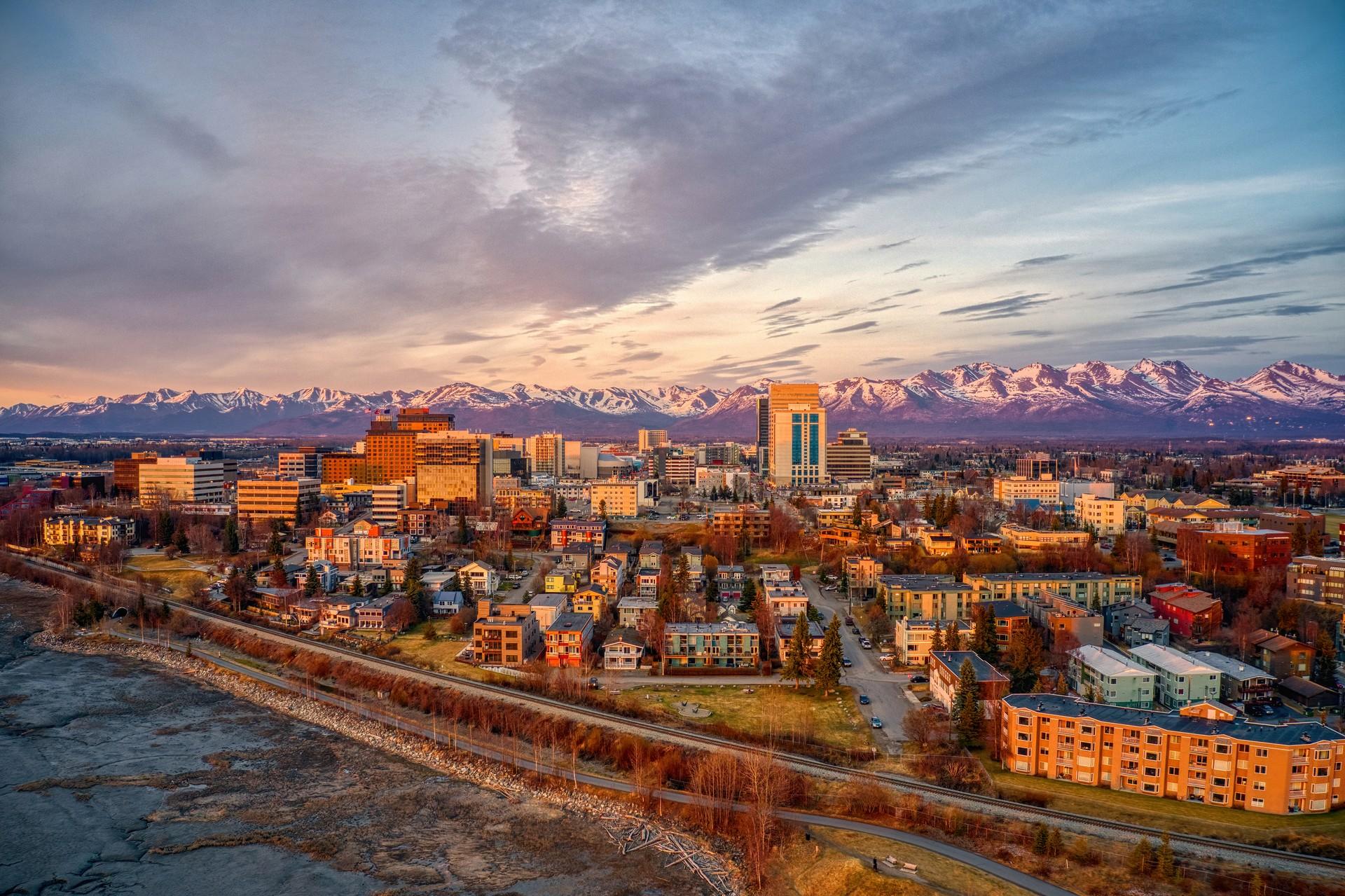
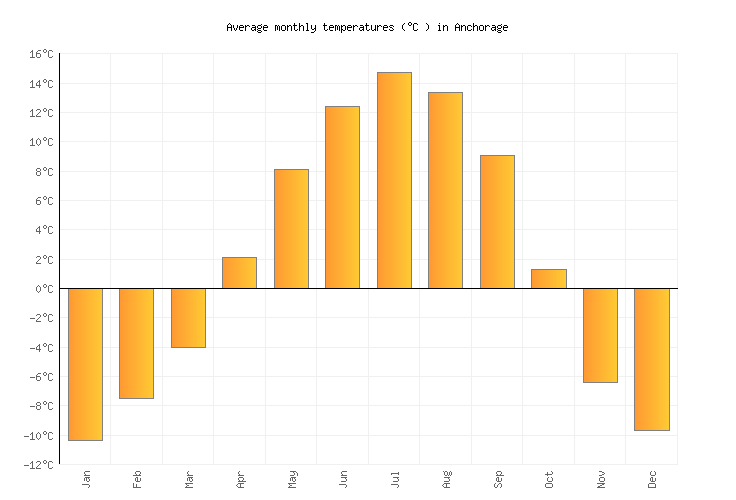
Anchorage truly transforms into a winter wonderland, albeit a cold one. Average temperatures range from a chilly 5°F (-15°C) to 30°F (-1°C), though prolonged periods below 0°F (-18°C) are not uncommon. Daylight hours are significantly reduced, with only about 5-6 hours of light around the winter solstice. This, however, sets the stage for spectacular displays of the Aurora Borealis (Northern Lights).
Winter is prime time for unique Alaskan experiences. Travelers can enjoy downhill skiing and snowboarding at Alyeska Resort in Girdwood, dog sledding, snowmobiling, ice skating, and cross-country skiing on vast trail networks. The annual Fur Rendezvous festival in February offers a glimpse into Alaskan culture. Packing requires heavy-duty winter gear: multiple thermal base layers, fleece mid-layers, an insulated waterproof and windproof outer parka, insulated snow pants, a warm hat that covers the ears, waterproof gloves or mittens, and highly insulated, waterproof winter boots with good grip. Hand and foot warmers are also highly recommended.
Spring (April-May): Thaw and Reawakening
Spring in Anchorage, characterized by our “current temperature” of 40°F (4°C), is a season of dramatic change. Temperatures generally rise from 35°F (2°C) to 55°F (13°C) over these two months. Snowmelt is the defining feature, leading to slushy conditions and often muddy trails, but also revealing vibrant new growth. Daylight hours rapidly increase, bringing renewed energy to the landscape and its inhabitants.
This shoulder season offers quieter travel and unique opportunities for wildlife viewing as animals emerge from hibernation or migrate. Birdwatching becomes excellent as migratory species return. While some trails might still be too wet or snowy for comfortable hiking, many paved paths become accessible. It’s a good time for cultural explorations in town or scenic drives. Packing for spring requires waterproof outer layers (jacket and pants), warm inner layers that can be shed, sturdy waterproof boots (ideally calf-high to contend with slush and puddles), and warm socks. Sunglasses are important for snow glare and brighter days.
Beyond Temperature: Other Weather Considerations for Travelers
While temperature is a primary factor, Anchorage’s weather system involves several other elements that significantly impact the travel experience.
Precipitation Patterns
Anchorage receives moderate precipitation throughout the year. Summers can see regular, though often light, rainfall, making waterproof outer layers crucial. Fall typically brings more consistent rain, sometimes mixed with snow. Winters, naturally, are dominated by snow, often accumulating significantly. Spring is characterized by melting snow and occasional rain showers. Always consult the local forecast for precipitation chances, as a wet day at 40°F can feel much colder than a dry day at the same temperature.
Daylight Hours and Their Impact
The extreme variation in daylight hours is one of Alaska’s most striking features. In summer, the near-constant daylight can be invigorating but might disrupt sleep for some; eye masks are highly recommended. Conversely, winter’s short daylight hours can limit outdoor activity time and require adjustments to schedules. Understanding these shifts is vital for planning your daily itinerary and managing expectations. Many winter activities, like Northern Lights viewing, are only possible in darkness, making the short days an advantage for night sky enthusiasts.
Wind Chill and Humidity
Despite its coastal location, Anchorage generally experiences relatively low humidity. However, wind can be a significant factor, especially during colder months or on exposed trails. A moderate breeze can drastically lower the “feels like” temperature (wind chill), making 20°F feel like 0°F. Always factor in wind when checking forecasts and preparing your layers, especially your outer shell, which should be windproof. While humidity is low, fog can sometimes roll in from Cook Inlet, particularly in coastal areas or during transitional seasons.
Preparing for Your Anchorage Adventure
Regardless of the “current temperature” on the day you search, thorough preparation is the hallmark of a successful Anchorage travel experience.
Essential Packing Tips for Any Season
The golden rule for Alaskan travel is layering. This allows you to adapt to rapidly changing temperatures and activity levels. Start with a moisture-wicking base layer (synthetics or merino wool), add an insulating mid-layer (fleece or down), and top with a waterproof and windproof outer shell.
- Footwear: Always bring comfortable, waterproof footwear suitable for walking and potential rugged terrain. Insulated boots are crucial for winter.
- Headwear: A warm hat (winter/fall/spring) and a wide-brimmed hat or baseball cap (summer) are vital.
- Gloves/Mittens: Essential for colder months, and lighter gloves can be useful in cooler summer evenings.
- Sun Protection: Sunglasses are a must year-round to protect against glare from snow, water, or the intense summer sun. Sunscreen is also important.
- Insect Repellent: Critical during summer months.
- Hydration: Always carry a reusable water bottle.
- Navigation: A map, compass, or GPS device is wise, especially for venturing into wilderness areas.
By understanding Anchorage’s climate beyond a single temperature reading, you can pack strategically, plan activities intelligently, and fully embrace the natural splendor and unique experiences this magnificent Alaskan city offers, no matter the season.
LifeOutOfTheBox is a participant in the Amazon Services LLC Associates Program, an affiliate advertising program designed to provide a means for sites to earn advertising fees by advertising and linking to Amazon.com. Amazon, the Amazon logo, AmazonSupply, and the AmazonSupply logo are trademarks of Amazon.com, Inc. or its affiliates. As an Amazon Associate we earn affiliate commissions from qualifying purchases.