
For travelers envisioning a quintessential Alaskan adventure, understanding the weather in Alaska during June is paramount. June marks the true beginning of summer in the Last Frontier, a period characterized by extended daylight, blossoming wildflowers, and generally milder temperatures, making it one of the most popular months to visit. However, Alaska’s vastness means temperature can vary dramatically across its diverse regions, from its temperate rainforests to its Arctic tundra. Planning an unforgettable trip requires delving into these regional nuances.
Understanding Alaska’s Unique Summer Climate
Alaska’s summer climate, particularly in June, is a fascinating blend of mild conditions, significant regional variation, and the profound influence of its high latitude. Unlike the consistently hot summers experienced in many lower latitudes, Alaska offers a unique warmth that often feels crisp and refreshing, even on its sunniest days.
The Myth vs. Reality of Alaskan Summers
Many first-time visitors expect Alaska to be perpetually cold, even in summer. While certainly not tropical, June breaks this stereotype with surprising warmth. Coastal areas benefit from moderating oceanic influences, while inland regions can experience surprisingly warm, sometimes even hot, days. The reality is a comfortable climate ideal for outdoor exploration, far removed from the icy images often associated with the state. Day temperatures in popular tourist areas frequently hover in the 50s and 60s Fahrenheit (10-20°C), with some interior locations reaching into the 70s (21-26°C) or occasionally higher.
Geographical Impact on Temperatures
Alaska’s sheer size and varied topography are the primary drivers of its diverse climate zones. The Pacific Ocean heavily influences the southern coastal regions, leading to cooler, wetter conditions. The towering Alaska Range acts as a significant barrier, sheltering the interior from maritime moisture and creating a more continental climate with greater temperature extremes. North of the Brooks Range, the Arctic Circle dictates a significantly colder environment, even in summer. Therefore, a journey across Alaska in June can feel like experiencing multiple seasons in one trip.
The Phenomenon of the Midnight Sun
One of Alaska’s most iconic June features is the “Midnight Sun.” Due to the Earth’s axial tilt, regions at high latitudes experience extended periods of daylight during summer. In June, most of Alaska enjoys 18-20 hours of daylight, and locations north of the Arctic Circle, such as Utqiaġvik (formerly Barrow), experience 24 hours of continuous daylight. This constant light influences not just the atmosphere but also ground temperatures, preventing them from dropping as low as they would during conventional nights. It also profoundly impacts travel experiences, allowing for extended outdoor activities and unique photographic opportunities late into what would traditionally be evening hours.
Regional Temperature Breakdowns for June
To accurately plan for a trip to Alaska in June, it’s crucial to understand the temperature patterns in specific regions. Each offers a distinct experience, reflected in its average monthly temperatures.
Southcentral Alaska: Anchorage and Surrounds
Southcentral Alaska is the most populous region and home to Alaska’s largest city, Anchorage. In June, this area experiences some of the most pleasant weather statewide. Average high temperatures in Anchorage typically range from 60-65°F (15-18°C), while average lows are around 45-50°F (7-10°C). Days are long and often sunny, though occasional rain showers are not uncommon. Areas like the Kenai Peninsula and Prince William Sound will have similar temperatures, perhaps a few degrees cooler due to their proximity to water, with higher chances of overcast skies and precipitation. This climate is perfect for hiking, fishing, and exploring the vast natural beauty.
Interior Alaska: Fairbanks and Denali National Park
Interior Alaska, encompassing cities like Fairbanks and popular destinations like Denali National Park, has a more continental climate, leading to warmer summer days compared to coastal areas. In Fairbanks, June average highs can reach 68-75°F (20-24°C), and occasionally even higher, while average lows typically settle around 48-52°F (9-11°C). The drier air can make these temperatures feel quite comfortable. Denali National Park often mirrors Fairbanks with similar daytime highs, though mountain elevations mean temperatures can drop significantly as you ascend or during the evenings. Expect abundant daylight here, with skies remaining bright well past midnight.
Southeast Alaska: Juneau and the Inside Passage
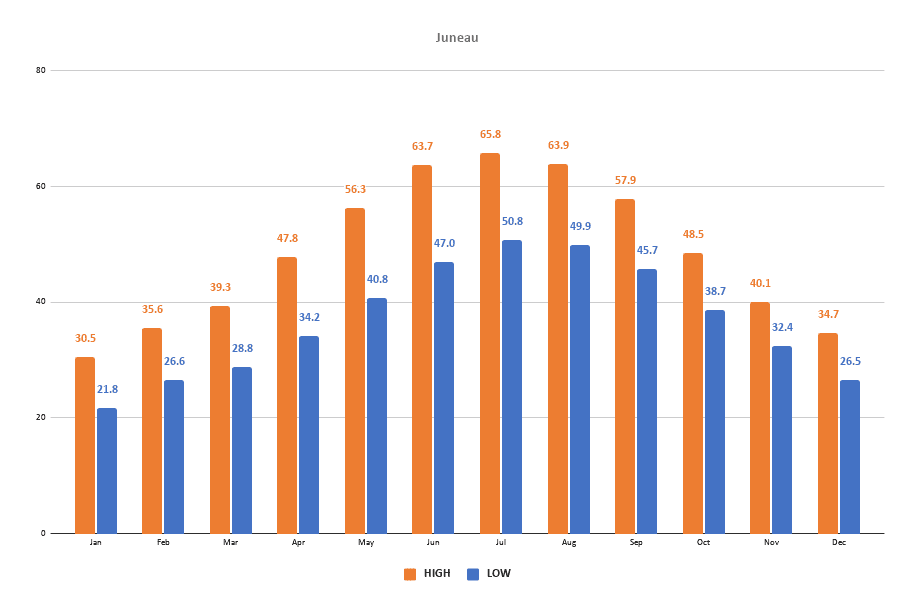
Southeast Alaska, known for its lush rainforests, glaciers, and the scenic Inside Passage cruise route, is characterized by a maritime climate. This means milder temperatures but significantly more precipitation compared to other regions. In Juneau, the capital city, average high temperatures are typically 58-63°F (14-17°C), with average lows around 45-48°F (7-9°C). While June is one of the drier months for this region, travelers should still anticipate frequent rain showers and overcast days. The mild, moist conditions contribute to the area’s stunning green landscapes.

Arctic and Western Alaska: Utqiaġvik and Nome
Venturing into Arctic Alaska and Western Alaska brings a stark change in climate, even in June. Utqiaġvik, the northernmost city in the United States, remains quite cool, with average high temperatures usually between 35-45°F (2-7°C) and lows often near freezing, 30-35°F (-1-2°C). This is due to its proximity to the Arctic Ocean and the presence of lingering sea ice. Nome, on the Bering Sea coast, sees slightly warmer conditions, with average highs of 50-55°F (10-13°C) and lows around 40-45°F (4-7°C). Both regions experience 24 hours of daylight, which, despite the lower temperatures, can feel surprisingly pleasant on a sunny day. Travel to these regions requires a much more robust cold-weather gear list.
Preparing for June Weather: Packing and Activities
Understanding Alaska’s June temperatures directly informs essential travel preparations, from what to pack to what activities are most suitable. Embracing the layers approach is key to comfort in Alaska’s dynamic summer climate.
Essential Packing List for an Alaskan June
Despite the milder temperatures, travelers should pack for all four seasons when visiting Alaska in June. The core principle is layering:
- Base Layers: Moisture-wicking synthetic or wool shirts for warmth and to manage perspiration.
- Mid-Layers: Fleece jackets, down vests, or wool sweaters for insulation.
- Outer Layer: A waterproof and windproof jacket is non-negotiable, especially in coastal and Southeast Alaska. A rain jacket with a hood is ideal.
- Bottoms: Comfortable hiking pants (preferably quick-dry), jeans for urban areas, and a pair of waterproof over-pants if planning extensive outdoor activities.
- Footwear: Waterproof hiking boots are essential for trails and wet conditions. Comfortable walking shoes for cities.
- Accessories: A warm hat (beanie), gloves, and a scarf are surprisingly useful, particularly for early mornings, evenings, or glacier tours. Sunglasses are also important due to the extended daylight.
- Bug Protection: Mosquitoes can be prevalent, especially in interior and bush areas. Pack repellent with DEET or picaridin.
- Sleep Mask: Crucial for light sleepers affected by the Midnight Sun.
Activities Best Enjoyed in June’s Mild Weather
June’s pleasant temperatures and long daylight hours open up a plethora of activities across Alaska:
- Wildlife Viewing: June is prime time for seeing wildlife, including bears, moose, caribou, and a variety of birdlife. Consider a bus tour into Denali National Park or a wildlife cruise in Kenai Fjords National Park.
- Hiking and Backpacking: Trails are typically snow-free at lower elevations, offering breathtaking scenery. From easy walks near Anchorage to multi-day backcountry expeditions, the options are endless.
- Fishing: Salmon runs begin in June, making it an excellent month for sport fishing in rivers and coastal waters.
- Glacier Viewing: Take a boat tour through Prince William Sound or Southeast Alaska’s fjords to witness massive glaciers calve into the sea.
- Cruising the Inside Passage: The mild weather and calm waters make June an ideal time for a cruise through Southeast Alaska’s stunning waterways.
- Kayaking and Canoeing: Explore serene lakes and protected coves under the extended daylight.
Weather-Dependent Considerations for Travel
While generally favorable, June weather in Alaska can still present challenges. Rain is common in coastal areas, so having waterproof gear is critical to fully enjoying outdoor activities. Mountain passes and higher elevation trails, particularly in early June, might still have lingering snow or muddy conditions, requiring appropriate footwear and caution. Flexibility in your itinerary is always advisable, as weather conditions can change rapidly, potentially impacting flightseeing tours, boat departures, or access to certain areas. Always check local forecasts closer to your travel dates.
Daily Temperature Fluctuations and Variability
One of the defining characteristics of Alaska’s June weather is its notable daily temperature fluctuation and overall variability. Travelers should be prepared for conditions that can shift rapidly within a single day or across consecutive days.
Day vs. Night Temperatures
Even with the long daylight hours, there’s a significant difference between daytime highs and nighttime lows in Alaska during June. While midday can be comfortably mild, even warm, temperatures drop considerably once the sun dips towards the horizon (or simply stays lower in the sky in Arctic Alaska). For example, Anchorage might see 65°F (18°C) during the day, but it could easily fall to 45°F (7°C) by the time most people consider it “night.” This temperature swing underscores the importance of layering and having warm gear readily accessible, even if the day starts out sunny and warm.
Dealing with Unpredictable Weather Shifts
Alaska’s weather is notoriously unpredictable. A clear, sunny morning can quickly give way to rain, wind, or even hail, especially in mountainous or coastal regions. Conversely, a dreary start can transform into a beautiful afternoon. This variability necessitates a prepared mindset. Always carry your rain gear and an insulating layer, even on days that look promising. Checking local weather forecasts daily, sometimes even hourly, is a wise practice. Being flexible with your plans and having alternative indoor activities in mind can save the day if outdoor conditions become unfavorable.

Long-term Climate Trends and What They Mean for Travelers
Like many regions globally, Alaska’s climate is experiencing long-term shifts. Travelers might notice that summer temperatures are trending slightly warmer, and certain weather patterns are becoming more intense or less predictable. For visitors, this means that historical averages serve as a good guide, but extreme events—such as unseasonably warm spells or prolonged periods of rain—are becoming more common. Staying informed about current conditions and being prepared for a broader range of temperatures and precipitation types will ensure a safe and enjoyable journey through Alaska’s stunning landscapes in June.
LifeOutOfTheBox is a participant in the Amazon Services LLC Associates Program, an affiliate advertising program designed to provide a means for sites to earn advertising fees by advertising and linking to Amazon.com. Amazon, the Amazon logo, AmazonSupply, and the AmazonSupply logo are trademarks of Amazon.com, Inc. or its affiliates. As an Amazon Associate we earn affiliate commissions from qualifying purchases.