
Traveling to Anchorage, Alaska offers a unique adventure, from breathtaking landscapes to a vibrant urban core nestled amidst wilderness. A crucial piece of information for any traveler planning a trip to this magnificent destination is understanding its time zone. Properly preparing for time differences ensures smooth travel, effective communication, and a seamless transition into local life, allowing you to fully immerse yourself in all that Alaska has to offer.
Navigating Alaska Standard Time (AKST) and Alaska Daylight Time (AKDT)
Anchorage, like most of Alaska, observes the Alaska Time Zone. This time zone operates as Alaska Standard Time (AKST) during the fall and winter months and switches to Alaska Daylight Time (AKDT) during spring and summer.

The UTC Offset
The global standard for time is Coordinated Universal Time (UTC). During Alaska Standard Time (AKST), Anchorage is 9 hours behind UTC (UTC-9). When Daylight Saving Time is in effect, the clocks move forward one hour, and Anchorage observes Alaska Daylight Time (AKDT), which is 8 hours behind UTC (UTC-8).
When Daylight Saving Time Occurs
Daylight Saving Time in Anchorage and the rest of the Alaska Time Zone follows the same schedule as the contiguous United States. Clocks spring forward on the second Sunday in March and fall back on the first Sunday in November. This shift is particularly significant in Alaska due to its extreme seasonal variations in daylight hours. While the time zone adjustment is conventional, the natural light cycle in Anchorage can be a profound experience for visitors, with nearly 19 hours of daylight in mid-summer and as little as 5.5 hours in mid-winter. Understanding the time zone, therefore, is not just about clock times but also about managing your expectations for natural light.
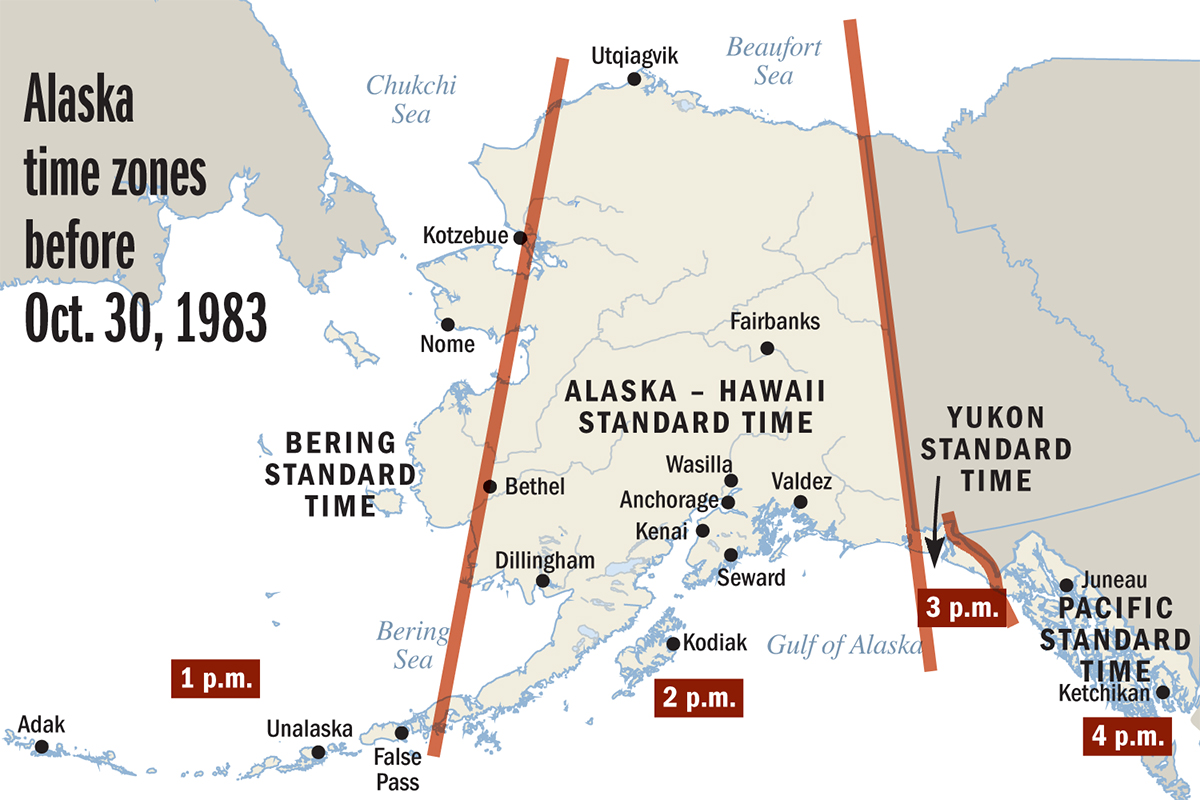
It’s important to note that a small portion of Alaska, specifically the westernmost Aleutian Islands, observes Hawaii Standard Time (HST) or Hawaii Daylight Time (HDT), which is an hour behind Alaska Time Zone. However, for travelers heading to Anchorage, Fairbanks, Juneau, or most other popular Alaskan destinations, the Alaska Time Zone is the relevant standard.
Time Differences from Major U.S. Hubs
For most travelers arriving in Anchorage from the contiguous United States, a significant time difference will be a factor. This difference requires careful consideration when booking flights, scheduling activities, and communicating with friends and family back home.
Relative to the Pacific Time Zone (PT)
The Pacific Time Zone (PT), observed in states like California, Oregon, and Washington, is one hour ahead of Alaska Time Zone. So, if it’s 10:00 AM in Seattle, it will be 9:00 AM in Anchorage. This relatively small difference makes it easier for travelers from the West Coast to adjust. Direct flights from Seattle or Portland are common routes into Anchorage.
Relative to the Mountain Time Zone (MT)
Travelers from the Mountain Time Zone (MT), which includes states such as Colorado, Arizona, and Utah, will experience a two-hour time difference. If it’s 10:00 AM in Denver, it’s 8:00 AM in Anchorage. This gap starts to become more noticeable for scheduling purposes, especially for early morning activities upon arrival.
Relative to the Central Time Zone (CT)
The Central Time Zone (CT), encompassing states like Texas, Illinois, and Minnesota, is three hours ahead of Alaska Time Zone. If it’s 10:00 AM in Chicago, it will be 7:00 AM in Anchorage. This difference is substantial enough to warrant careful planning for calls home or checking in with work.
Relative to the Eastern Time Zone (ET)
For visitors from the Eastern Time Zone (ET), covering the majority of the East Coast from Florida to Maine, the time difference is four hours. If it’s 10:00 AM in New York City, it will be 6:00 AM in Anchorage. This is the most significant time difference for domestic travelers and will likely require a strategic approach to combat jet lag and ensure smooth transitions. A typical flight from the East Coast will have you arriving in Anchorage in what feels like the middle of the night to your body clock.
Practical Travel Tips for Time Zone Adjustment
Adjusting to Anchorage’s time zone, especially with the added complexities of its unique daylight patterns, is key to a successful and enjoyable trip. Here are some actionable tips for travelers:
Combating Jet Lag Proactively
- Adjust Before You Go: A few days before your flight, try to shift your sleep schedule closer to Anchorage’s time. If you’re coming from the East Coast, for example, try going to bed and waking up an hour earlier each day.
- Hydrate and Avoid Alcohol: Stay well-hydrated during your flight and minimize alcohol consumption. Dehydration can exacerbate jet lag symptoms.
- Maximize Sunlight Exposure: Upon arrival, expose yourself to natural light, especially in the morning. This helps reset your body’s circadian rhythm. Given Anchorage’s dramatic daylight hours, this is particularly effective in summer, though remember the sun might still be high at 10 PM. In winter, maximize exposure during the short daylight hours.
- Manage Sleep Strategically: Resist the urge for long naps on your first day. A short power nap (20-30 minutes) can be helpful, but try to stay awake until a reasonable local bedtime. Use an eye mask and earplugs if the midnight sun in summer disrupts your sleep.
Scheduling Activities and Communication
- Plan “Light” First Days: Don’t overschedule your first day or two in Anchorage. Allow time for your body to adjust. Opt for lighter activities like exploring downtown Anchorage, visiting the Anchorage Museum, or a leisurely walk along the Tony Knowles Coastal Trail.
- Synchronize Meals: Try to eat meals according to local Anchorage time, even if you’re not hungry. This helps re-establish your internal clock.
- Communicate Consciously: When calling or messaging home, always be mindful of the time difference. A call that’s convenient for you in Anchorage might be in the middle of the night for friends or family on the East Coast. Use world clock apps to easily track multiple time zones.
- Consider Tour Start Times: If booking excursions or tours, check their start times carefully. An 8 AM tour in Anchorage might feel like 12 PM to your body if you’re coming from the Eastern Time Zone, making it a comfortable start. Conversely, a 6 AM departure for a Denali National Park tour might be a challenge if your body thinks it’s 10 AM, but hasn’t yet adjusted.
The Unique Alaskan Daylight Experience
Beyond the standard time zone adjustment, Anchorage’s position high on the globe brings dramatic seasonal changes in daylight. In summer, you’ll experience extended daylight, often referred to as the “midnight sun.” This can be disorienting as the sun might be shining brightly at 11 PM or even later. Conversely, winter brings very short days with limited daylight hours.
- Embrace or Counteract the Light: In summer, use the extended daylight to your advantage for outdoor activities like hiking in Chugach State Park or fishing, but be diligent about using blackout curtains for sleep. In winter, plan activities around the precious daylight hours and embrace cozy evenings.
- Sunlight and Mood: Be aware that the extreme light changes can affect mood and energy levels. Many Alaskans use light therapy lamps in winter to combat seasonal affective disorder. As a visitor, try to maximize your exposure to natural light when available and ensure you get adequate rest.
Optimizing Your Anchorage Itinerary with Time in Mind
Understanding Anchorage’s time zone allows you to craft a more enjoyable and efficient travel itinerary, minimizing disruptions and maximizing your time exploring.
Flight Planning and Connections
When booking flights, especially those with connections, always confirm all times are displayed in local time zones. A seemingly quick layover might feel rushed if you haven’t accounted for the time shift. If flying from the lower 48 states, expect your flight to arrive in Anchorage at a relatively early local time, often in the afternoon or early evening. This can be an advantage, giving you time to check into your accommodation and perhaps grab an early dinner before settling in for the night, aiding your adjustment.
Maximizing Your Experiences
The time zone combined with the seasonal daylight changes creates unique opportunities.
- Summer Exploration: During summer, the extended daylight allows for longer days of exploration. You can hike late into the evening, enjoy wildlife viewing tours that run until sunset (which could be very late!), or even play a round of golf under the midnight sun. Your body clock might still be on an earlier time zone, meaning a late dinner in Anchorage (say, 8 PM local time) could feel like an early dinner to you, making it easier to enjoy the vibrant summer evenings.
- Winter Wonders: In winter, plan your outdoor activities like skiing at Alyeska Resort or dog sledding during the precious daylight hours. The early sunsets (around 3-4 PM) lead to long, dark evenings, which are perfect for seeking the Northern Lights (Aurora Borealis) viewing, enjoying cozy restaurants, or experiencing Anchorage’s indoor attractions.

Business Travel Considerations
For business travelers, time zone differences are particularly critical. Scheduling virtual meetings with colleagues in other time zones requires careful planning to avoid conflicts. Always use a world clock and clearly state the time zone when scheduling. If you’re presenting or attending crucial meetings, ensure you allow extra time for adjustment before important commitments.
In conclusion, knowing that Anchorage, Alaska operates within the Alaska Time Zone (AKST/AKDT), typically 4 hours behind the Eastern Time Zone, is more than just a factual detail. It’s a fundamental piece of travel intelligence that empowers you to plan smarter, adjust more comfortably, and ultimately, have a richer and more rewarding experience in this extraordinary part of the world. Embrace the unique temporal rhythm of Anchorage, and you’ll find yourself ready for adventure no matter the hour.
LifeOutOfTheBox is a participant in the Amazon Services LLC Associates Program, an affiliate advertising program designed to provide a means for sites to earn advertising fees by advertising and linking to Amazon.com. Amazon, the Amazon logo, AmazonSupply, and the AmazonSupply logo are trademarks of Amazon.com, Inc. or its affiliates. As an Amazon Associate we earn affiliate commissions from qualifying purchases.