
Understanding the precise time in Alaska is more than a mere curiosity for travelers; it’s a critical component of effective trip planning, seamless communication, and fully appreciating the unique rhythms of the Last Frontier. Far removed from the contiguous United States, Alaska operates on its own temporal schedule, one that often presents a significant shift for visitors. Navigating its time zones is key to scheduling flights, coordinating tours, and even simply knowing when to call loved ones back home. This guide delves into the specifics of Alaska’s time, its implications for travel, and how to make the most of your journey into a land where daylight hours can stretch or shrink dramatically with the seasons.

Understanding Alaska’s Time Zones
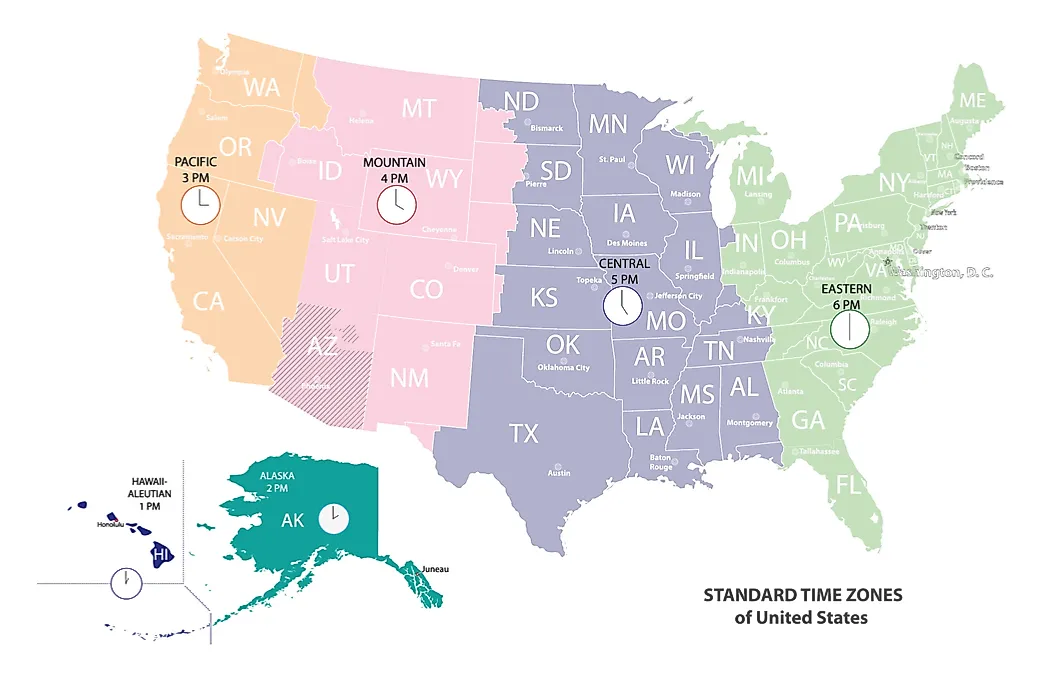
While most visitors might assume Alaska operates on a single time zone, the reality is slightly more nuanced, incorporating two distinct zones to accommodate its vast longitudinal expanse.
The Alaska Time Zone (AKT)
The majority of Alaska, including major cities such as Anchorage, Fairbanks, and Juneau, observes the Alaska Time Zone (AKT). This time zone is 9 hours behind Coordinated Universal Time (UTC-9). For comparison, AKT is one hour behind Pacific Time (PT), four hours behind Eastern Time (ET), and six hours behind Greenwich Mean Time (GMT/UTC).
During standard time, if it’s 12:00 PM (noon) in New York City (ET), it would be 8:00 AM in Anchorage (AKT). This significant time difference means travelers arriving from the East Coast of the United States will experience a substantial shift, often requiring careful adjustment to avoid jet lag and to optimize their initial days in the state.
The Hawaii-Aleutian Time Zone (HAT)
A smaller, western portion of Alaska, specifically the westernmost Aleutian Islands west of 169°30′ W longitude, observes the Hawaii-Aleutian Time Zone (HAT). This zone is 10 hours behind Coordinated Universal Time (UTC-10) during standard time. HAT is one hour behind AKT. Key locations in this zone include the remote island of Adak. While most tourists will not venture into this specific time zone, it’s important for those planning highly specialized expeditions or for understanding the full temporal breadth of the state.
Daylight Saving Time in Alaska
Like most of the United States, Alaska observes Daylight Saving Time (DST). On the second Sunday in March, clocks spring forward one hour, shifting Alaska to Alaska Daylight Time (ADT), which is UTC-8. The Hawaii-Aleutian Time Zone simultaneously shifts to Hawaii-Aleutian Daylight Time (HADT), UTC-9. Clocks fall back on the first Sunday in November, returning to standard time. This seasonal adjustment means that for part of the year, the time difference between Alaska and other regions of the world shifts by an hour, a crucial detail for scheduling and communication.
The Impact on Travel Planning
The time difference in Alaska is not just a numerical fact; it profoundly influences various aspects of travel planning, from booking logistics to daily itineraries.
Flight Schedules and Connections
When booking flights to Alaska, always pay close attention to the arrival and departure times, noting the time zone indicated. A flight departing Seattle (Pacific Time, UTC-8) at 2:00 PM might arrive in Anchorage (Alaska Daylight Time, UTC-8) at 4:00 PM, making it seem like a short flight. However, a flight from Chicago (Central Time, UTC-5) departing at 2:00 PM might arrive in Anchorage at 5:00 PM Alaska time, which is effectively an 8-hour journey due to the 4-hour time difference. Miscalculations can lead to missed connections, late arrivals for pre-booked transfers, or unnecessary stress. Always confirm all times are local to the airport of departure and arrival.
Accommodation Check-ins and Check-outs
Hotels and lodges in Alaska operate on local time. This might seem obvious, but if you’re arriving on an early morning flight after a significant time zone change, your body clock might feel it’s much later than the hotel’s 3:00 PM check-in time. Conversely, a late afternoon flight departure might mean you’re checking out significantly earlier than your internal clock expects. Plan for these shifts, perhaps by booking an extra night for an early arrival or arranging for late check-out or luggage storage for a late departure.
Tour and Activity Bookings
Alaska’s guided tours, wildlife cruises, fishing charters, and flightseeing excursions are often meticulously timed. Booking a whale watching tour out of Seward or a glacier hike in Denali National Park for 9:00 AM Alaska time requires you to be punctual based on local clocks, not your home time. Confirm all tour start times and factor in travel to departure points. Missing a scheduled activity due to a time zone miscalculation can be disappointing and costly, especially with many tours having strict no-refund policies for latecomers.

Adjusting to Alaska Time
Jet lag can significantly impact your enjoyment of Alaska’s stunning landscapes and activities. Proactive strategies are essential for a smooth transition.
Battling Jet Lag
For travelers arriving from further east, especially the East Coast or Europe, jet lag can be a considerable challenge. The key is to start adjusting even before you depart. Shift your sleep schedule by an hour or two each night in the days leading up to your trip. Once in Alaska, immediately adopt the local time, regardless of how tired you feel. Expose yourself to natural light during the day, stay hydrated, and try to avoid long naps that can further disrupt your circadian rhythm.
Maximizing Daylight
One of Alaska’s most captivating features, especially in summer, is its incredibly long daylight hours, often referred to as the “midnight sun.” While not directly related to the time zone itself, the sheer duration of daylight can trick your body’s internal clock. If the sun is still high at 10:00 PM, it can be difficult to wind down. Consider using blackout curtains or an eye mask in your accommodation to ensure restful sleep. Embrace the extended daylight for activities but also be mindful of over-scheduling, allowing your body to rest.
Communication with Home
The significant time difference means coordinating calls or video chats with friends and family back home requires planning. Before you leave, share your itinerary and the local time difference with those you wish to connect with. Set reminders or use world clock apps to avoid calling at inconvenient hours. For instance, if you’re in Anchorage (ADT) at 7:00 PM, it’s already 1:00 AM the next day in London (BST) or 11:00 PM in New York City (EDT).
Time Considerations for Specific Alaska Experiences
Beyond practical scheduling, Alaska’s unique temporal characteristics deeply influence some of its most iconic travel experiences.
Summer Solstice and Midnight Sun
The summer months in Alaska, particularly around the Summer Solstice in June, bring the phenomenon of the Midnight Sun. North of the Arctic Circle, the sun literally does not set for weeks or even months. Even in southern cities like Anchorage, daylight can last 19-20 hours. While official clocks still tick through 24 hours, the constant daylight profoundly affects daily life and activity. Travelers find themselves able to hike, fish, or explore late into what would traditionally be night, blurring the lines between daytime and evening. This extended period offers unparalleled opportunities for outdoor activities but also requires discipline to maintain a healthy sleep schedule.
Winter Darkness and Aurora Borealis Viewing
Conversely, the winter months bring extreme darkness, especially in the northern reaches of Alaska. In places like Fairbanks, close to the Arctic Circle, daylight hours are severely limited, with only a few hours of twilight around midday. This extended darkness, however, creates optimal conditions for viewing the spectacular Aurora Borealis or Northern Lights. Travelers planning a winter trip for aurora viewing need to embrace the long nights, understanding that prime viewing hours are typically between 10:00 PM and 3:00 AM local time. This means adjusting your sleep pattern to stay up late and, if necessary, taking daytime naps to recover.
Remote Alaskan Wilderness Expeditions
For those embarking on remote wilderness expeditions, such as backcountry hiking in Gates of the Arctic National Park or kayaking through the fjords of Prince William Sound, time zones may seem less relevant. However, for safety and logistics, maintaining a consistent schedule based on Alaska local time is vital. This is crucial for checking in with base camps, emergency contacts, or coordinating pick-ups. In areas with no cell service, satellite phones and GPS devices will typically display UTC, requiring a mental conversion to local Alaska time.
Essential Time Zone Tools for Travelers
To ensure a seamless temporal transition during your Alaska adventure, utilize modern tools and smart planning. Your smartphone or travel watch will automatically update to local time when you land, but it’s always good practice to double-check. Consider downloading a world clock app that allows you to simultaneously view multiple time zones, making it easy to compare Alaska time with your home time. Before departure, confirm DST dates if your trip spans March or November.
By understanding “What time is it in Alaska?” and how its unique temporal landscape impacts your journey, you can mitigate potential disruptions and fully immerse yourself in the awe-inspiring beauty and experiences this extraordinary destination offers. A little temporal foresight ensures your Alaskan adventure unfolds on time and without a hitch.
LifeOutOfTheBox is a participant in the Amazon Services LLC Associates Program, an affiliate advertising program designed to provide a means for sites to earn advertising fees by advertising and linking to Amazon.com. Amazon, the Amazon logo, AmazonSupply, and the AmazonSupply logo are trademarks of Amazon.com, Inc. or its affiliates. As an Amazon Associate we earn affiliate commissions from qualifying purchases.