
Winter in Alaska offers an unparalleled tapestry of pristine snowscapes, vibrant celestial displays, and unique outdoor adventures. Far from hibernating, this vast state transforms into a wonderland for travelers seeking both serenity and exhilaration. From chasing the elusive aurora borealis to embarking on dog sledding expeditions, a winter journey here promises unforgettable experiences that defy the cold.
Embrace the Northern Lights Chase
One of the most compelling reasons to visit Alaska in winter is the unparalleled opportunity to witness the aurora borealis, a mesmerizing natural light show. The long, dark nights and clear skies create ideal conditions for viewing this ethereal phenomenon. The experience of seeing the sky ablaze with dancing greens, purples, and reds is often described as life-changing, making it a pinnacle attraction for any winter traveler.

Prime Viewing Locations
While the Northern Lights can technically be seen across much of Alaska, certain destinations offer significantly better odds due to their proximity to the Arctic Circle and minimal light pollution. Fairbanks is widely considered the best place in the state, and one of the top destinations globally, for aurora viewing. Its location beneath the “auroral oval” means the lights are visible on average 240 days a year. Many tour operators in Fairbanks offer guided excursions, taking visitors to remote cabins or dedicated viewing areas away from city lights.
Other excellent spots include Anchorage (though light pollution can be an issue, venturing just outside the city improves chances), Talkeetna, and even further north along the Dalton Highway towards the Gates of the Arctic National Park. Resorts like Chena Hot Springs Resort near Fairbanks combine aurora viewing with the therapeutic warmth of natural hot springs, while unique accommodations like Borealis Basecamp offer geodesic domes with transparent roofs for comfortable viewing directly from your bed.
Aurora Photography Tips
Capturing the Northern Lights requires specific techniques and equipment, transforming the experience into an even more engaging activity. A sturdy tripod is essential to prevent camera shake during long exposures. A wide-angle lens with a low aperture (f/2.8 or lower) will allow more light in, crucial for dimly lit scenes. Manual focus is key, set to infinity. Recommended camera settings typically involve a high ISO (1600-6400), an aperture of f/2.8-f/4, and an exposure time of 10-25 seconds, depending on the aurora’s brightness. Remember to dress warmly, as waiting for the lights can involve prolonged exposure to extreme cold. Many aurora tours also include professional photographers who can offer guidance or even take stunning portraits with the aurora as a backdrop.
Thrilling Winter Sports and Activities
Beyond the captivating celestial show, Alaska in winter offers an adrenaline-pumping array of outdoor activities that leverage its snowy landscape. These experiences allow travelers to immerse themselves fully in the wild beauty of the Last Frontier.
Dog Sledding Adventures
Dog sledding is an iconic Alaskan experience, rooted deep in the state’s history and culture. Visitors can choose from various options, from short, scenic rides that last an hour or two to multi-day expeditions that delve deep into the wilderness. Many tours provide an opportunity to meet the enthusiastic canine athletes and learn about the sport from experienced mushers. Locations around Anchorage, Fairbanks, and Denali National Park offer these experiences. For those visiting during early March, witnessing the start of the Iditarod Trail Sled Dog Race in Anchorage provides an extraordinary insight into the “Last Great Race on Earth.”
Skiing and Snowboarding
Alaska’s rugged mountains provide exceptional terrain for skiing and snowboarding. Alyeska Resort in Girdwood, just an hour south of Anchorage, is the state’s premier ski destination, known for its steep slopes, abundant snowfall, and stunning views of Turnagain Arm and the Chugach Mountains. It also offers night skiing, adding another dimension to the experience. For those seeking more adventurous terrain, heli-skiing and cat-skiing operations provide access to untouched powder in remote areas, offering unparalleled thrills for experienced skiers. Cross-country skiing and snowshoeing are also immensely popular, with numerous groomed trails available in state parks like Chugach State Park and around cities like Fairbanks and Anchorage.
Ice Skating and Ice Fishing

For more tranquil winter enjoyment, ice skating on frozen lakes and ponds is a delightful activity, often found in city parks once the ice is thick enough. Many communities, including Anchorage, maintain outdoor rinks. Ice fishing offers a unique angling experience, allowing visitors to drop a line through a hole in the ice in search of pike, arctic char, or rainbow trout. Guided ice fishing tours are available, providing all necessary equipment, heated shelters, and expert guidance, making it accessible even for beginners. Popular ice fishing locations include lakes near Fairbanks and Anchorage.
Explore Alaskan Culture and Wildlife
Winter provides a distinct perspective on Alaska’s rich cultural heritage and resilient wildlife. While some animals migrate or hibernate, others are more easily spotted against the snowy backdrop, and indoor attractions offer warmth and insight into the state’s unique identity.
Museums and Cultural Centers
Delve into Alaska’s history, art, and indigenous cultures at its various museums. The Anchorage Museum is a must-visit, housing extensive collections on Alaskan art, history, ethnography, and science. It provides a comprehensive overview of the state’s diverse heritage. In Fairbanks, the University of Alaska Museum of the North offers a deeper dive into the natural and cultural history of the Arctic, including impressive displays of Alaskan wildlife and indigenous artifacts. The Alaska Native Heritage Center in Anchorage, while sometimes having reduced winter programming, still offers an invaluable opportunity to learn about Alaska’s eleven major Native culture groups through exhibitions and demonstrations.
Wildlife Viewing in Winter
Although bears are hibernating, winter in Alaska still presents incredible wildlife viewing opportunities. Against the white snow, animals like moose, caribou, lynx, and various bird species stand out. The Alaska Wildlife Conservation Center near Portage Glacier (an attraction in itself, though accessed via the Seward Highway) is open year-round, offering guaranteed sightings of iconic Alaskan animals in spacious enclosures. Here, you can see bison, musk ox, elk, reindeer, and even grizzlies (awake in warmer enclosures) up close. Venturing out on snowshoe or cross-country ski trails also often leads to discovering tracks and occasionally spotting animals in their natural habitats.
Unique Winter Events and Festivals
Alaska’s winter calendar is dotted with unique events and festivals that celebrate the season, its hardy residents, and rich traditions. Attending these events offers a lively and authentic insight into Alaskan life.
Winter Festivals and Races
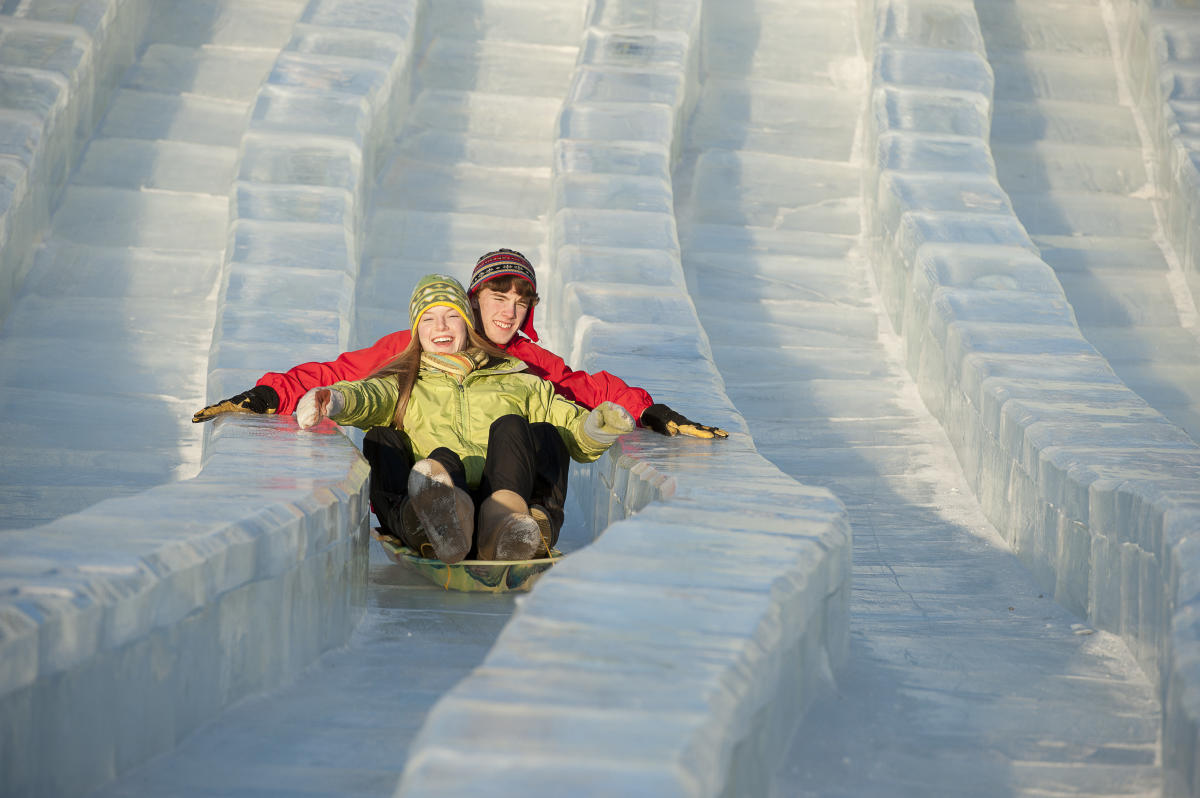
The Iditarod Trail Sled Dog Race, starting in early March in Anchorage, is perhaps the most famous. The ceremonial start is a spectacle of cheering crowds, excited dogs, and determined mushers. Another thrilling event is the Iron Dog Race, the world’s longest snowmobile race, which covers over 2,500 miles across diverse and challenging terrain. Cities like Fairbanks host annual winter festivals that feature ice sculpture competitions, traditional Native games, and other snow-related activities, turning downtown areas into festive, frozen art galleries. These events provide not only entertainment but also a deeper understanding of the resilience and ingenuity required to thrive in a northern climate.
Essential Winter Travel Tips for Alaska
Planning a winter trip to Alaska requires careful consideration to ensure comfort, safety, and maximum enjoyment of your experiences. Proper preparation is key to embracing the cold and relishing the unique beauty of the season.
Packing and Preparation
Layering is paramount when dressing for Alaskan winters. Start with a moisture-wicking base layer (merino wool or synthetics), add insulating mid-layers (fleece or down), and top with a waterproof and windproof outer shell. Essential accessories include a warm hat that covers your ears, insulated gloves or mittens, thermal socks, and waterproof, insulated winter boots with good traction. Hand and foot warmers can also be a lifesaver. Beyond clothing, consider bringing a headlamp, spare batteries (cold drains them quickly), a portable power bank for electronics, and sunscreen/lip balm (snow reflection can cause sunburn).
Transportation Considerations
Navigating Alaska in winter differs significantly from summer travel. Rental cars typically come equipped with winter tires, but four-wheel drive is highly recommended, especially if you plan to explore beyond major city limits. Roads can be icy or snow-covered, and daylight hours are limited, requiring cautious driving. For longer distances, consider the Alaska Railroad‘s winter service, offering scenic routes between Anchorage, Talkeetna, and Fairbanks, allowing you to relax and enjoy the snowy landscapes. Air travel via bush planes is also a common and often necessary mode of transport for reaching remote lodges or communities, though winter weather can cause delays. Always check road and weather conditions before embarking on any journey. Planning your itinerary around shorter daylight hours will also optimize your travel time.
LifeOutOfTheBox is a participant in the Amazon Services LLC Associates Program, an affiliate advertising program designed to provide a means for sites to earn advertising fees by advertising and linking to Amazon.com. Amazon, the Amazon logo, AmazonSupply, and the AmazonSupply logo are trademarks of Amazon.com, Inc. or its affiliates. As an Amazon Associate we earn affiliate commissions from qualifying purchases.