Navigating Alaska’s Diverse July Climate
An Alaska cruise in July offers an unparalleled experience, but understanding the region’s unique climate during peak summer is crucial for optimal packing. While July is generally considered the warmest month, “warm” in Alaska is relative, and conditions can vary dramatically from one port to the next, and even within a single day. The vastness of the state means you might experience anything from mild sunshine to chilly, rainy conditions, sometimes within hours.
Varied Temperatures Across Regions
Cruises typically traverse the Inside Passage, visiting coastal towns like Juneau, Ketchikan, and Skagway. Average July temperatures in these areas typically range from 55°F to 65°F (13°C to 18°C). However, temperatures can dip into the 40s°F (4°C) on cooler days, especially when approaching glaciers such as the Hubbard Glacier or Mendenhall Glacier. The ship’s deck, exposed to ocean winds, will often feel significantly cooler than sheltered inland areas. If your itinerary includes land excursions inland, perhaps to places like Denali National Park, prepare for even wider temperature swings, from potentially warmer daytime highs to near-freezing nights. The key takeaway is to anticipate and pack for all four seasons, even within a single summer month.
Precipitation Expectations
July is one of the drier months in some parts of Alaska’s coastal region compared to the fall, but rain is still a common occurrence. The Pacific Northwest rainforest climate ensures that you should always be prepared for showers, ranging from a light drizzle to more sustained rainfall. Ports like Ketchikan, known as the “Salmon Capital of the World,” receive substantial annual rainfall, and a sunny day can quickly give way to a downpour. Packing reliable waterproof gear is not just recommended; it’s essential to fully enjoy your excursions.
Daylight Hours and UV Exposure
A significant advantage of an Alaska cruise in July is the extended daylight. In Juneau, for instance, the sun can be up for over 18 hours. This allows for longer sightseeing opportunities and maximizes your time ashore. However, prolonged daylight also means extended exposure to UV rays, even on cloudy days. Sunscreen, sunglasses, and a wide-brimmed hat are crucial, regardless of the perceived temperature or cloud cover, to protect against sunburn and eye strain.
The Art of Layering: Your Alaskan Wardrobe Strategy
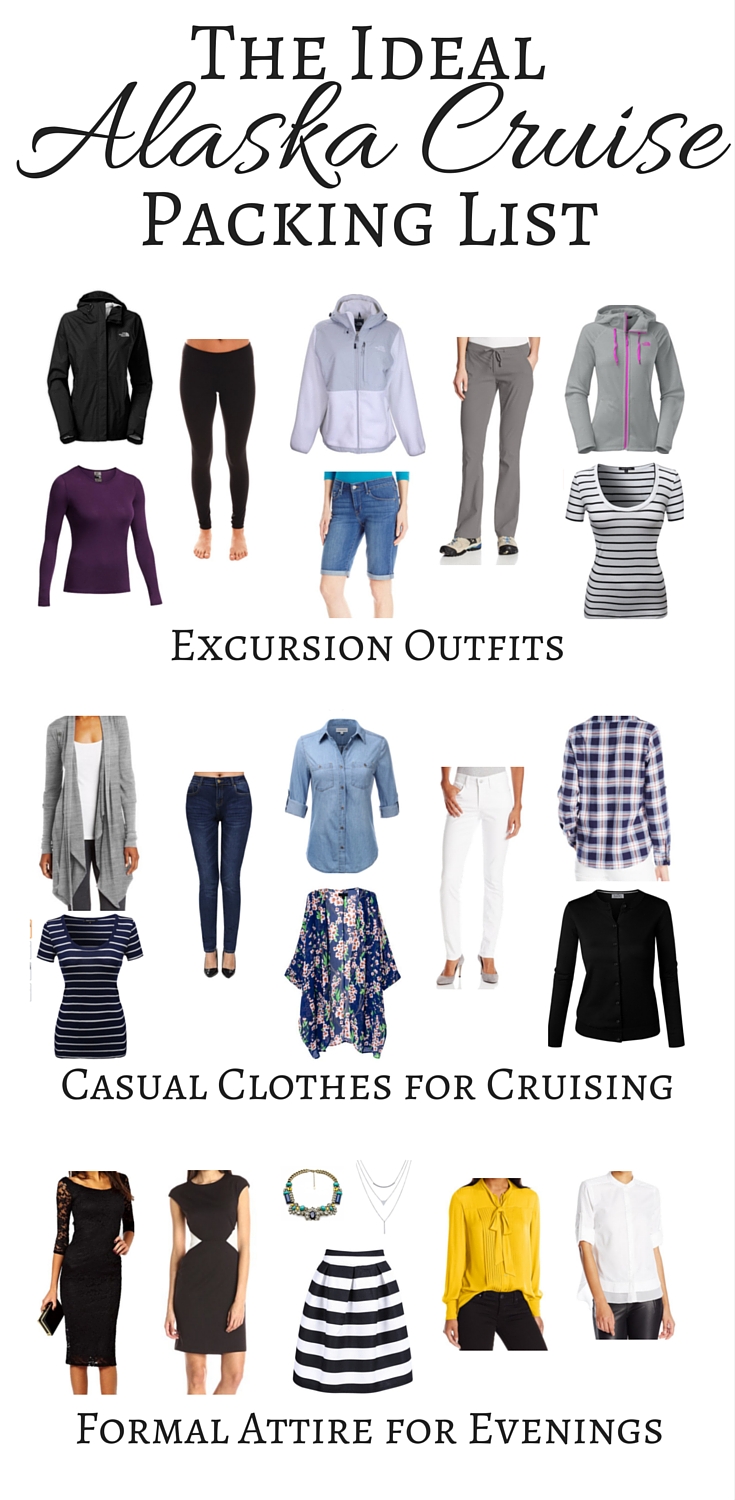
The cornerstone of successful packing for an Alaska cruise is the art of layering. This strategy allows you to adapt seamlessly to fluctuating temperatures and weather conditions, ensuring comfort whether you’re whale watching on deck, exploring a bustling port, or venturing onto a glacier.
Base Layers: Moisture-Wicking Fabrics
Your first layer, closest to your skin, should be designed to wick moisture away, keeping you dry and comfortable. Opt for synthetic fabrics like polyester or merino wool. Avoid cotton for base layers, as it retains moisture, which can lead to discomfort and a chill once wet. Long-sleeve shirts and leggings made from these materials are ideal for cooler days or as a foundation for other layers. For warmer moments, short-sleeve moisture-wicking shirts are perfect.
Mid-Layers: Insulation for Warmth
The mid-layer provides crucial insulation. Fleece jackets, sweaters (wool or synthetic), and down vests or jackets are excellent choices. These items trap warm air, providing significant warmth without excessive bulk. A mid-weight fleece jacket is versatile enough for most situations, while a packable down jacket offers superior warmth for glacier days or cooler evenings on deck. Having a couple of options for mid-layers allows you to adjust your insulation based on the day’s forecast and activity level.
Outer Layers: Waterproof and Windproof Protection
This is arguably the most critical component of your Alaska packing list. A high-quality, waterproof and windproof jacket is non-negotiable. Look for options with sealed seams and a durable water repellent (DWR) finish. A hooded jacket is particularly beneficial for protecting your head from rain and wind. Consider also bringing waterproof pants, especially if you plan on participating in activities like kayaking, hiking, or extended shore excursions in potentially wet conditions. Brands known for outdoor gear often provide excellent options for these essential items.
Footwear: Waterproof Boots and Comfortable Walking Shoes
Your feet will thank you for thoughtful footwear choices.
Waterproof hiking boots or sturdy waterproof walking shoes are essential for shore excursions, particularly for exploring natural areas, hiking trails, or even walking around port towns that might have puddles or muddy paths. Ensure they are comfortable, well broken-in, and provide good ankle support.
For casual wear on the ship or short walks in dry conditions, comfortable sneakers or walking shoes are ideal. Some cruise lines may have a more formal night, so a pair of dressier shoes might be desired, but comfortable functionality should be prioritized. Pack several pairs of wool or synthetic socks to keep your feet dry and blister-free.
Accessories: Hats, Gloves, and Scarves
Even in July, temperatures can drop, especially on deck, during glacier viewing, or on early morning excursions. A warm, waterproof or water-resistant hat (beanie style) is excellent for retaining body heat. A wider-brimmed hat can provide sun protection on brighter days. Lightweight, waterproof gloves are advisable for keeping hands warm and dry, particularly for activities like zodiac boat tours or wildlife viewing on deck. A scarf or neck gaiter can offer extra warmth and protection against chilly winds.
Practical Essentials Beyond Clothing
While clothing layers are paramount, several other items will significantly enhance your Alaska cruise experience.
Photography Gear and Optics
Alaska is a photographer’s paradise, teeming with stunning landscapes and abundant wildlife.
Binoculars are a must-have for spotting whales, bears, eagles, and distant glaciers from the ship or during shore excursions. A good pair with at least 8x magnification will greatly enhance your viewing experience.
Bring a camera with extra batteries and plenty of memory cards. The cold weather can drain batteries faster, and you’ll likely take more photos than anticipated. Consider a waterproof case or bag for protection against rain and spray.
A small, lightweight tripod can be useful for capturing stunning landscape shots, especially during low light or for long exposures.
Health and Wellness Preparedness
Even on vacation, health and comfort are priorities.
Pack any prescription medications in your carry-on bag, along with a copy of your prescriptions.
Over-the-counter remedies for headaches, seasickness (anti-nausea medication or patches), cold symptoms, and digestive issues are prudent.
Sunscreen (SPF 30 or higher) and lip balm with SPF are essential due to reflective surfaces (water, snow) and extended daylight.
Insect repellent is highly recommended, especially for land excursions or if you plan to spend time outdoors in port towns where mosquitoes and gnats can be prevalent, particularly in areas like Haines or Sitka during calm evenings.
Hand sanitizer is always a good idea for travel.
Personal Comfort and Convenience Items
A small daypack or backpack is invaluable for shore excursions, allowing you to carry layers, water bottles, snacks, cameras, and souvenirs.
A reusable water bottle is environmentally friendly and ensures you stay hydrated. Many ships have water stations for refills.
Consider a portable power bank for charging your phone or other small electronics, especially useful when outlets are scarce or during long excursions.
Pack a small umbrella for light rain in port.
Ziploc bags in various sizes are surprisingly useful for wet clothing, protecting electronics, or organizing small items.
Entertainment for Downtime
While there’s always something to do on a cruise, quiet moments or sea days can be enhanced with personal entertainment. Load your e-reader with books, download movies or TV shows to your tablet, or create playlists of your favorite music. Consider a pair of noise-canceling headphones for relaxation. Playing cards or a small travel game can also be a nice touch.
Attire for Cruise Ship Life and Special Events
Beyond the rugged outdoor gear, remember you’ll be spending a significant amount of time on the cruise ship itself.
Casual Daywear on Board
During the day, comfort is key. Jeans, casual pants, shorts (for warmer indoor areas or very mild days), t-shirts, and light sweaters are perfectly acceptable. Many passengers opt for athletic wear for gym access or active relaxation. The ship’s interior is temperature-controlled, so you won’t need heavy layers indoors.
Evening Attire: From Casual to Elegant
Cruise lines generally have varied dress codes for dinner. Most Alaska cruises tend to be more relaxed.
Casual: For most evenings, “cruise casual” is appropriate, meaning slacks/khakis and collared shirts for men, and blouses, skirts, or casual dresses for women. Jeans are often acceptable in many dining venues.
Smart Casual/Informal: Some dining rooms or specialty restaurants might request smart casual. This typically means dress shirts and slacks for men (jacket optional), and dresses, skirts, or dressy pants with blouses for women.
Formal (Optional): Many Alaska cruises have one or two “formal” nights, though participation is entirely optional. If you wish to partake, men might wear a suit or tuxedo, and women an evening gown or cocktail dress. However, it’s increasingly common for passengers to skip formal wear, even on designated formal nights, opting for smart casual instead. Check your specific cruise line’s dress code policy, but generally, one “nicer” outfit will suffice if you choose to participate.
Smart Packing Strategies for a Seamless Journey
Efficient packing makes your trip smoother and more enjoyable.
Luggage Considerations
Most travelers find a medium-sized suitcase (25-29 inches) sufficient for an Alaska cruise. A carry-on bag is essential for items you’ll need immediately upon boarding or for medication. Consider soft-sided luggage if you anticipate your cabin having limited storage space. Remember that space in cruise cabins can be compact.
Space-Saving Techniques
Rolling clothes tightly can save significant space and minimize wrinkles.
Packing cubes are excellent for organizing clothing by type, outfit, or activity, making it easier to find items and keep your cabin tidy.
Wear your heaviest items (like your waterproof jacket and boots) on embarkation and disembarkation days to save luggage space and weight.
Pre-Cruise Checklist and Documents
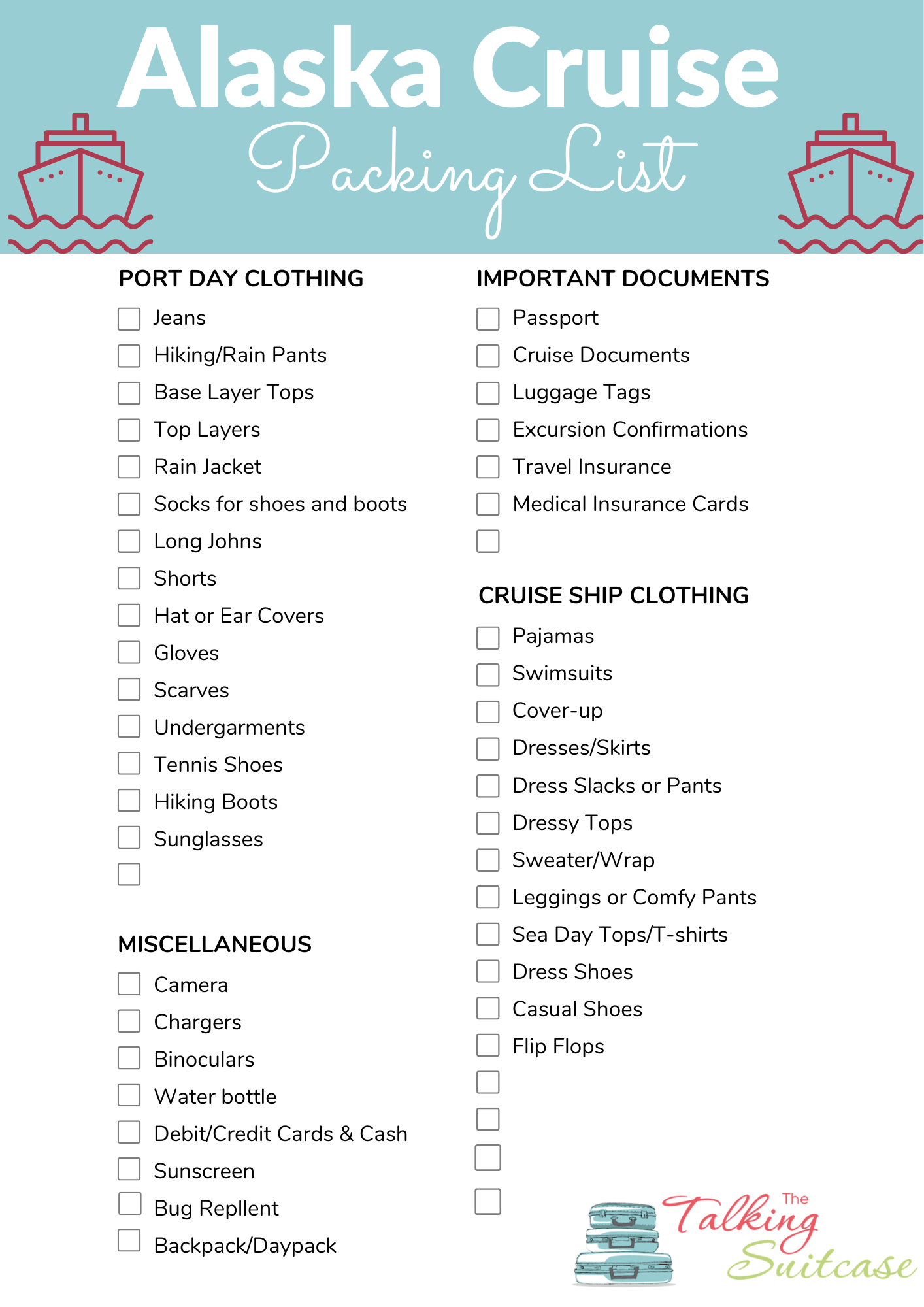
Create a comprehensive packing list well in advance and check items off as you pack.
Ensure all essential travel documents (passport/ID, cruise tickets, flight information, insurance details) are organized and easily accessible, preferably in a travel wallet or digital format on your phone.
Don’t forget chargers for all your electronic devices and adapters if traveling internationally before or after your cruise.
By meticulously planning and packing with Alaska’s unique July climate in mind, you’ll be well-prepared to embrace every breathtaking vista and thrilling adventure that this magnificent destination offers.