
Embarking on an Alaska cruise promises an unparalleled journey through some of the world’s most breathtaking natural landscapes, from towering glaciers to dense temperate rainforests. Unlike typical tropical voyages, packing for the Last Frontier requires a strategic approach to ensure comfort and preparedness for highly variable weather conditions. This guide will navigate you through the essentials, helping you curate a wardrobe that keeps you warm, dry, and stylish as you explore the magnificent wonders of Alaska.
Understanding Alaska’s Variable Climate
The key to successful packing for an Alaska cruise lies in recognizing the region’s notoriously unpredictable weather. While summer months (June, July, August) offer the mildest temperatures, you can still encounter anything from sunny 70-degree Fahrenheit days to chilly, rainy conditions in the low 40s—sometimes all within a single day. The secret weapon against this variability is layering.
The Inside Passage and Beyond
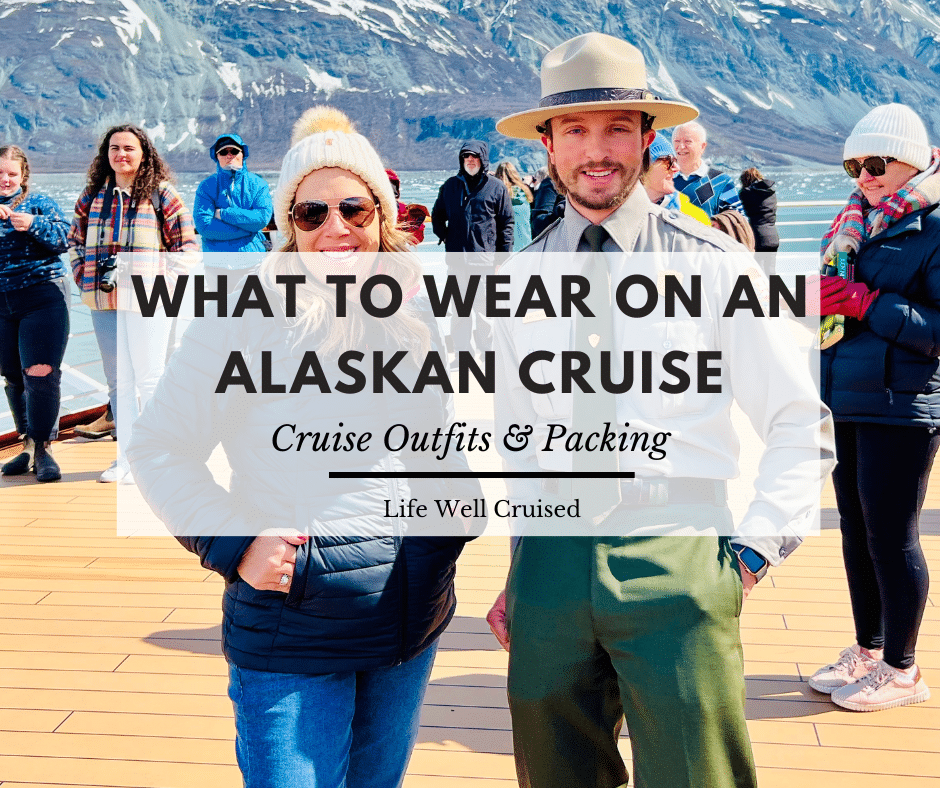
Most Alaska cruises primarily sail through the sheltered waters of the Inside Passage. Here, coastal towns like Juneau, Skagway, and Ketchikan experience maritime climates characterized by frequent rain and moderate temperatures. However, when the ship ventures further north or into glacial fjords like Glacier Bay National Park or Tracy Arm Fjord, temperatures drop significantly, and winds can be brisk. Being prepared for these colder, windier environments is crucial, especially when spending time on the outer decks viewing wildlife or glaciers.
Seasonal Fluctuations
- May/Early June: These shoulder seasons can be cooler with a higher chance of rain, but often offer fewer crowds and vibrant spring scenery. Expect average temperatures between 40-55°F (4-13°C). Warm layers are paramount.
- Late June/July/Early August: The peak season brings the warmest temperatures, often reaching 60-70°F (15-21°C) on sunny days, though cooler and rainy days are always possible. This period also sees the longest daylight hours, perfect for extended exploration.
- Late August/September: Fall brings crisp air, a chance to see autumn foliage, and declining temperatures (40-55°F / 4-13°C). Rain becomes more common, making waterproof gear indispensable. Wildlife viewing, especially bears, can be excellent as they prepare for winter.
Essential Layers: The Key to Comfort
The layering system is the cornerstone of any Alaska cruise wardrobe. It allows you to add or shed clothing as temperatures and activity levels change, ensuring optimal comfort.
Base Layers: Moisture-Wicking Marvels
Your base layer is the first layer against your skin, designed to wick moisture away from your body, keeping you dry and preventing chills.
- Long-sleeve shirts and leggings: Opt for synthetic materials like polyester or merino wool. Avoid cotton for base layers, as it absorbs moisture and takes a long time to dry, leading to discomfort and chilling when wet.
- Quantity: Pack 2-3 sets, especially if you plan on active shore excursions.
Mid-Layers: Insulation for Warmth
The mid-layer provides insulation to trap body heat, keeping you warm.
- Fleece jackets or sweaters: A good quality fleece jacket (e.g., Polartec 200 or 300 weight) is ideal for its warmth-to-weight ratio and quick-drying properties. Alternatively, wool or down sweaters can also serve this purpose.
- Vests: A fleece or light down vest can be an excellent addition for core warmth without restricting arm movement.
- Quantity: 2 versatile mid-layers should suffice.
Outer Layers: Waterproof and Windproof Protection
This is your shield against the elements—rain, wind, and sea spray.
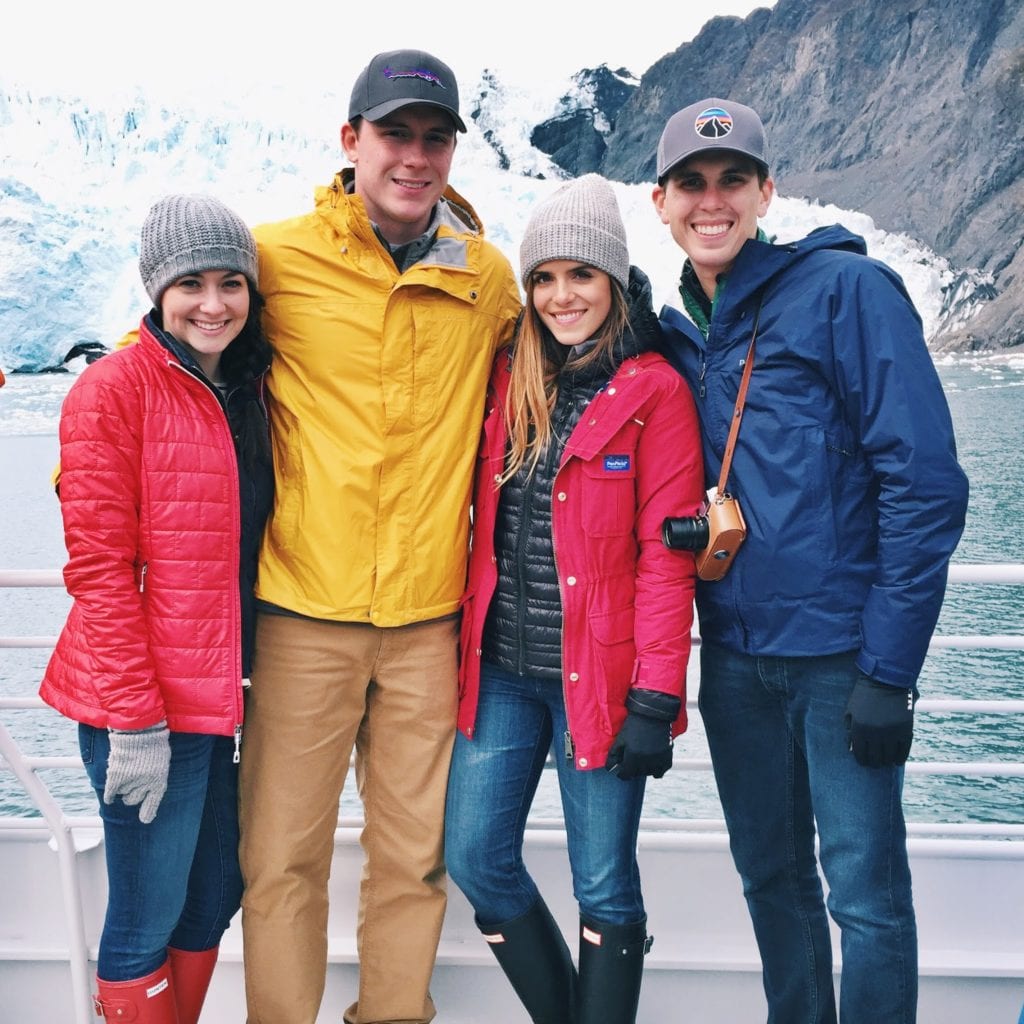
- Waterproof and windproof jacket: A high-quality rain jacket is non-negotiable. Look for one with a breathable membrane (like Gore-Tex) to prevent overheating. Ensure it has a hood.
- Waterproof pants: While not always necessary, a pair of lightweight waterproof pants (also known as rain pants) can be a lifesaaver for rainy shore excursions, especially if you plan on hiking or participating in activities like kayaking or Zodiac tours. They can be easily pulled over your regular pants.
- Quantity: One reliable set of outer layers is usually enough.
Onboard Attire: From Casual Comfort to Evening Elegance
While the focus on Alaska cruises is often on rugged exploration, life onboard the ship offers a different set of wardrobe considerations, balancing comfort with social occasions.
Daytime Deckwear
During the day, comfort and practicality reign supreme.
- Casual wear: Jeans, khakis, comfortable pants, and versatile tops (long-sleeve and short-sleeve) are perfect for lounging on deck, enjoying ship amenities, or participating in casual onboard activities. Remember those base and mid-layers for viewing glaciers from the deck.
- Layering: Even indoors, the ship’s air conditioning can sometimes be cool, so having a light sweater or cardigan handy is always a good idea.
Evening Dining and Entertainment

Most cruise lines have a relaxed dress code, often referred to as “resort casual” or “smart casual,” for dinner in the main dining rooms.
- Smart casual: For women, this might include dresses, skirts, tailored pants with blouses, or smart separates. For men, collared shirts (polo or button-down) with khakis or dress slacks are appropriate. A sports coat is optional but can elevate an outfit. Jeans are generally acceptable if neat and dark-washed.
- Evening wear (optional): Some cruises may have one or two “formal” or “optional formal” nights. If you wish to participate, women might wear cocktail dresses, evening gowns, or dressy pantsuits. Men might opt for a suit and tie, or even a tuxedo. Check your specific cruise line’s dress code policy if you are interested in these events. If not, the casual dining options on board will always be available.
Special Occasions
Consider bringing one or two “nicer” outfits if you plan to celebrate a special occasion, attend a captain’s dinner, or enjoy specialty restaurants onboard. These outfits can be a step up from smart casual but often don’t require full formal wear unless specified.
Excursions and Shore Adventures: Practicality Meets Exploration
Your shore excursions are where your layering system truly shines. The activities available in Alaska range from gentle town strolls to rugged wilderness explorations, each demanding appropriate attire.
Hiking and Wilderness Exploration
Many ports offer opportunities for hiking, nature walks, or guided tours into the rainforest.
- Layered clothing: As discussed, base, mid, and outer layers are essential.
- Durable pants: Quick-drying hiking pants or convertible pants are excellent. Jeans are generally not recommended for strenuous hikes, especially in wet conditions, due to their tendency to absorb water and become heavy.
- Sturdy, waterproof hiking boots: Non-negotiable for comfort and safety on trails that can be muddy or uneven.
Glacial Viewing and Wildlife Tours
Whether by catamaran, zodiac, or even helicopter, these excursions require serious warmth.
- Warmest layers: Double up on mid-layers if necessary. A thick fleece or down jacket is recommended under your waterproof shell.
- Insulated gloves, hat, and scarf: Essential to protect against biting winds and cold temperatures near glaciers.
- Warm socks: Wool or synthetic socks are best.
Town Exploration and Souvenir Shopping
For leisurely days exploring charming towns like Sitka or Hoonah, comfortable walking shoes and casual, layered clothing are perfect. You’ll still want your waterproof outer shell, as rain can surprise you at any moment.
Footwear and Accessories: Don’t Forget the Details
Often overlooked, the right footwear and accessories can make a significant difference in your overall comfort and enjoyment.
Sturdy, Waterproof Footwear
- Waterproof hiking shoes or boots: Your primary pair of shoes should be waterproof, comfortable for walking extended periods, and have good traction. This is crucial for shore excursions.
- Comfortable walking shoes: A second pair of comfortable sneakers or deck shoes is useful for onboard activities and casual strolls in town on drier days.
- Dress shoes (optional): If you plan on participating in formal nights, a pair of dressier shoes or heels for women and dress shoes for men.
- Slip-on sandals/slippers: For cabin comfort or spa visits.
Hats, Gloves, and Scarves
- Warm, waterproof hat: A beanie or fleece hat is critical for retaining body heat.
- Waterproof gloves: Essential for cold, windy days, especially during glacier viewing or any outdoor activities.
- Scarf or neck gaiter: Provides extra warmth and protection against the wind.
Sunglasses and Sunscreen
Despite the cooler temperatures, the sun’s UV rays can be intense, especially when reflecting off glaciers or water.
- Polarized sunglasses: Protect your eyes and enhance visibility of wildlife.
- High-SPF sunscreen: Apply regularly, even on cloudy days.
Backpack or Day Bag
A small, waterproof daypack is invaluable for shore excursions to carry your rain gear, water bottle, camera, binoculars, and any souvenirs.
By embracing the layering system and packing strategically, you’ll be perfectly equipped to enjoy every facet of your extraordinary Alaska cruise adventure, from the grandeur of ice-carved fjords to the vibrant culture of coastal towns. Prepare for all seasons in one trip, and you’ll create memories to last a lifetime.
LifeOutOfTheBox is a participant in the Amazon Services LLC Associates Program, an affiliate advertising program designed to provide a means for sites to earn advertising fees by advertising and linking to Amazon.com. Amazon, the Amazon logo, AmazonSupply, and the AmazonSupply logo are trademarks of Amazon.com, Inc. or its affiliates. As an Amazon Associate we earn affiliate commissions from qualifying purchases.