
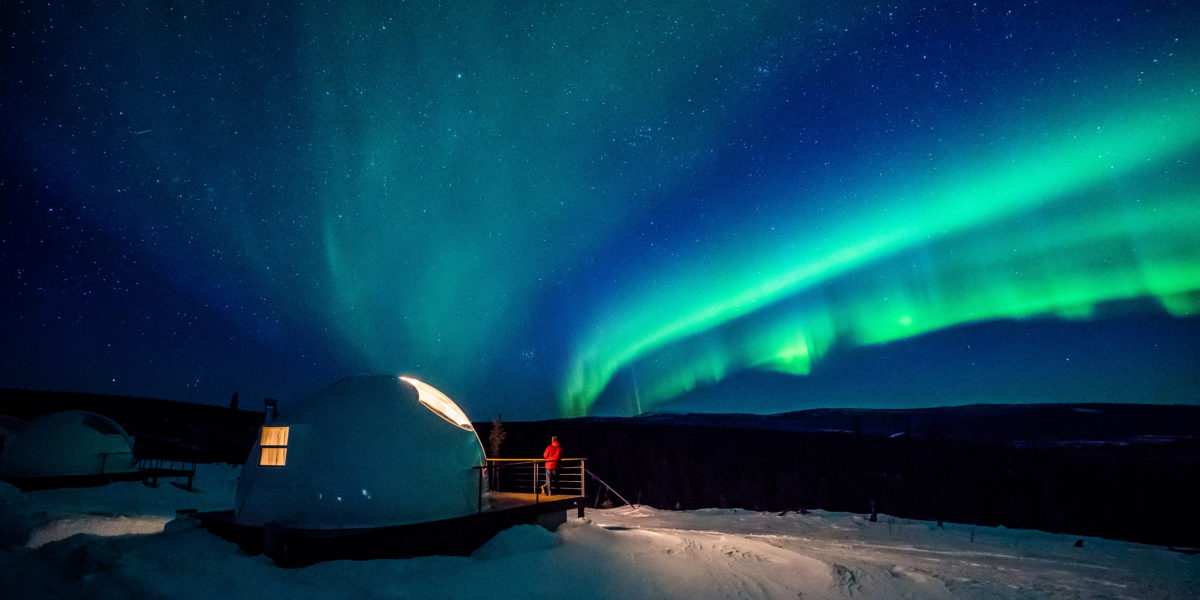
The elusive and breathtaking Aurora Borealis, commonly known as the Northern Lights, stands as one of nature’s most spectacular displays. For many, witnessing this celestial dance across the Arctic sky is a profound bucket-list aspiration. Alaska, with its vast wilderness, minimal light pollution, and high latitude, offers some of the best opportunities on Earth to experience this phenomenon. Understanding the optimal viewing windows and conditions is paramount to transforming this dream into a vivid reality.
The Prime Season for Aurora Viewing in Alaska
The visibility of the Northern Lights is largely dictated by two critical factors: darkness and solar activity. In Alaska, these elements converge most favorably during specific months, creating the ideal aurora-chasing season.

Unveiling the Darkest Skies: September to April
The definitive period for seeing the Aurora Borealis in Alaska spans from late August through late April. During these months, the nights are long and dark enough to allow the vibrant colors of the aurora to shine through.
- Autumn (September – October): This is a favored time for many travelers. The temperatures are relatively mild compared to the depths of winter, and the landscape is often adorned with brilliant fall colors, providing stunning foregrounds for aurora photography. The skies are dark enough by mid-September, and the early season often brings clear, crisp nights before the heavier snows of winter arrive. This period also allows for a wider range of daytime activities, from hiking to wildlife viewing, making it a well-rounded travel experience.
- Winter (November – March): The heart of the aurora season lies within these months. With the shortest days and longest nights, winter offers maximum darkness. Temperatures can be extremely cold, particularly in interior Alaska, but the consistent darkness and often clear, dry air create prime conditions. The snow-covered landscape also adds to the magical ambiance, reflecting the faint light and enhancing the overall experience. January, February, and March are often cited as the best months due to the long periods of darkness and generally stable weather patterns, which can lead to clear skies.
- Early Spring (April): As spring approaches, the days gradually lengthen, but there’s still ample darkness in early April for aurora viewing. Temperatures begin to moderate, making outdoor excursions more comfortable. However, by late April, the increasing daylight hours significantly diminish aurora visibility, marking the end of the prime season.
It is generally not possible to see the Aurora Borealis from May to August in most of Alaska due to the phenomenon of the “midnight sun.” During these summer months, the sun remains above the horizon for extended periods, resulting in insufficient darkness for the aurora to be visible to the naked eye, even if solar activity is strong.
The Influence of Solar Activity
While darkness provides the canvas, solar activity provides the paint. The Aurora Borealis is caused by solar winds carrying charged particles from the sun, which interact with Earth’s magnetic field and atmosphere. The strength of these solar winds, often measured by the KP-index (Kp), directly correlates with the intensity and visibility of the aurora.
- Solar Cycle: The sun operates on an approximately 11-year cycle of activity. During solar maximum, the aurora is generally more frequent and intense. During solar minimum, while still visible, displays may be less common or weaker. It is always wise to consult aurora forecasts from organizations like the Geophysical Institute at the University of Alaska Fairbanks or the NOAA Space Weather Prediction Center when planning a trip. These forecasts can predict activity levels several days in advance, offering valuable insight for travelers.
- Geomagnetic Storms: Exceptional aurora displays often coincide with geomagnetic storms, which are temporary disturbances of the Earth’s magnetosphere caused by solar wind shockwaves and clouds of magnetic field and plasma called coronal mass ejections (CMEs). These events can produce auroras visible much further south than usual and with incredible intensity and vibrancy.
Top Destinations for Aurora Chasing in Alaska
While the entire state of Alaska offers aurora potential, certain regions stand out due to their northern latitude, favorable weather patterns, and developed infrastructure for tourism.
Fairbanks: The Aurora Capital of Alaska
Widely recognized as the “Aurora Capital of Alaska,” Fairbanks is located directly under the auroral oval, a ring-shaped region around the Earth’s geomagnetic poles where auroras are most frequently seen. Its interior location typically means drier, clearer skies than coastal areas.
- Accessibility and Infrastructure: Fairbanks boasts an international airport (Fairbanks International Airport) and a range of accommodation options, from hotels to cozy cabins. Numerous tour operators offer aurora-specific excursions, including heated viewing lodges, dog sledding and aurora packages, and tours to remote areas away from city lights.
- Key Viewing Spots: Popular spots around Fairbanks include Chena Hot Springs Resort (offering the added bonus of natural hot springs), Eielson Farm Road for self-drivers, and various private viewing lodges specifically designed for aurora photography and comfort. The Geophysical Institute at the University of Alaska Fairbanks provides excellent local aurora forecasts and educational resources.
Anchorage and Southcentral Alaska: Coastal and Mountain Views
While Anchorage itself has too much light pollution for prime viewing, locations just outside the city offer good opportunities, especially during strong aurora displays.
- Nearby Retreats: Driving north on the Parks Highway towards Talkeetna or Palmer, or east into the Matanuska-Susitna Valley, significantly reduces light pollution. Areas like Hatcher Pass or Girdwood (though coastal, can offer views with strong activity) provide stunning mountain backdrops for the aurora.
- Considerations: Southern Alaska generally experiences more cloud cover than the interior due to its proximity to the coast, so flexibility and checking local forecasts are crucial. However, the accessibility of Anchorage International Airport makes it a convenient starting point for an Alaska adventure.
Denali National Park: Wilderness and Solitude
Denali National Park and Preserve offers an unparalleled wilderness experience for aurora viewers, especially during the shoulder seasons.
- Remote Beauty: The lack of light pollution within the park boundaries creates incredibly dark skies. Viewing the aurora over the majestic Denali mountain range is an iconic experience.
- Winter Access: While the park road is largely closed to private vehicles in winter, certain sections remain accessible for winter activities like cross-country skiing and snowshoeing, and limited lodging options are available just outside the park entrance. During late August and September, before heavy snowfall, much of the park road is still open, offering excellent opportunities for aurora viewing.
Remote Alaskan Bush Communities: Truly Off-Grid
For the adventurous traveler seeking the ultimate remote aurora experience, communities in the Alaskan Bush like Nome, Barrow (now officially Utqiagvik), or Kotzebue offer extraordinary opportunities.
- Extreme North: Utqiagvik, the northernmost city in the United States, experiences weeks of continuous darkness in winter, maximizing aurora viewing potential.
- Logistical Challenges: Traveling to these remote areas often requires multiple flights, can be expensive, and requires careful planning regarding accommodation and supplies. However, the reward is an unadulterated aurora experience with virtually no light pollution and a unique insight into Arctic life.
Essential Tips for Your Alaskan Aurora Trip

To maximize your chances of seeing the Northern Lights and ensure a comfortable and memorable trip, consider these practical tips.
Monitor Weather and Cloud Cover Diligently
Clear skies are non-negotiable for aurora viewing. Always check local weather forecasts and dedicated aurora prediction websites for cloud cover estimates. Even on a night with high solar activity, heavy cloud cover will obscure the show. Flexibility in your itinerary can be a significant advantage, allowing you to chase clear skies or wait for optimal conditions.
Optimal Viewing Times
While the aurora can appear at any point after nightfall, the most common period for intense displays is between 10 PM and 2 AM local time. Many tour operators will schedule their excursions around these hours, but it’s important to be patient; the aurora can be unpredictable and may fluctuate in intensity throughout the night. Staying up late, or even all night, especially during a strong forecast, can pay dividends.
Gear Up for Arctic Temperatures
Alaska winters are notoriously cold. Dressing in layers is crucial, especially when standing outside for extended periods.
- Base Layers: Moisture-wicking thermal underwear.
- Mid-Layers: Fleece or down insulation.
- Outer Layer: Waterproof and windproof parka and snow pants.
- Extremities: Insulated, waterproof boots, thick wool socks, warm gloves or mittens, and a heavy-duty hat that covers your ears. Hand and foot warmers are also highly recommended.
- Camera Gear Protection: Batteries drain rapidly in the cold, so carry spares close to your body.
Guided Tours vs. Self-Driving
Both options have merits, depending on your comfort level and budget.
- Guided Tours: Often include transportation to prime viewing spots, heated facilities, hot beverages, and expert guides who can interpret the aurora and assist with photography. Many tours also combine aurora viewing with other winter activities like dog sledding or snowmobiling. This is an excellent option for those unfamiliar with driving on icy roads or who prefer a hassle-free experience.
- Self-Driving: Provides maximum flexibility to chase clear skies or find secluded spots. However, it requires a reliable vehicle suitable for winter conditions (four-wheel drive, winter tires), confidence in driving on snow and ice, and a good understanding of local geography to avoid light pollution. Always inform someone of your route and expected return time when venturing into remote areas.
Photography Essentials
Capturing the aurora requires specific camera settings and equipment.
- Camera: A DSLR or mirrorless camera with manual settings is essential.
- Lens: A wide-angle lens with a fast aperture (f/2.8 or wider) is ideal.
- Tripod: Absolutely critical for long exposures to avoid blur.
- Remote Shutter Release: Helps prevent camera shake.
- Settings: Typically high ISO (800-3200+), wide-open aperture, and shutter speeds ranging from 5 to 30 seconds, depending on aurora intensity. Experimentation is key.
Beyond the Lights: Experiencing Winter Alaska
While the Aurora Borealis is undoubtedly the main draw, a trip to Alaska during the aurora season offers a wealth of other unique winter experiences that complement your celestial quest.
Embracing the Snow: Dog Sledding and Snowmobiling
Winter in Alaska is synonymous with snow, and locals have perfected ways to enjoy it.
- Dog Sledding: Experience the thrill of a traditional Alaskan mode of transport. Many tours offer short rides or even multi-day expeditions, allowing you to meet the mushers and their incredible canine athletes.
- Snowmobiling (Snowmachining): Explore vast snowy landscapes, frozen rivers, and remote trails on a snowmobile. Guided tours are available for all skill levels.
Winter Festivals and Ice Art
Alaskan communities celebrate winter with various festivals and events.
- Anchorage Fur Rendezvous: A historic winter festival featuring the Running of the Reindeer, dog sled races, and cultural events.
- World Ice Art Championships in Fairbanks: Witness incredible ice sculptures crafted by artists from around the globe. This event usually runs from late February into March, providing a unique daytime activity before the aurora hunt.
Wildlife Viewing in a Winter Wonderland
Many of Alaska’s iconic wildlife species are active in winter, and their tracks are often easier to spot in the snow.
- Moose, Caribou, and Dall Sheep: These animals are commonly seen in winter.
- Bison: Herds can be found near Delta Junction.
- Birding: Even in winter, species like ptarmigan, eagles, and owls can be observed.
Visiting Alaska to see the Northern Lights is an expedition into a realm of natural wonder. By understanding the optimal timing, selecting the right destinations, and preparing thoroughly, travelers can significantly enhance their chances of witnessing one of Earth’s most mesmerizing natural spectacles, complemented by an unforgettable Alaskan winter adventure.
LifeOutOfTheBox is a participant in the Amazon Services LLC Associates Program, an affiliate advertising program designed to provide a means for sites to earn advertising fees by advertising and linking to Amazon.com. Amazon, the Amazon logo, AmazonSupply, and the AmazonSupply logo are trademarks of Amazon.com, Inc. or its affiliates. As an Amazon Associate we earn affiliate commissions from qualifying purchases.