
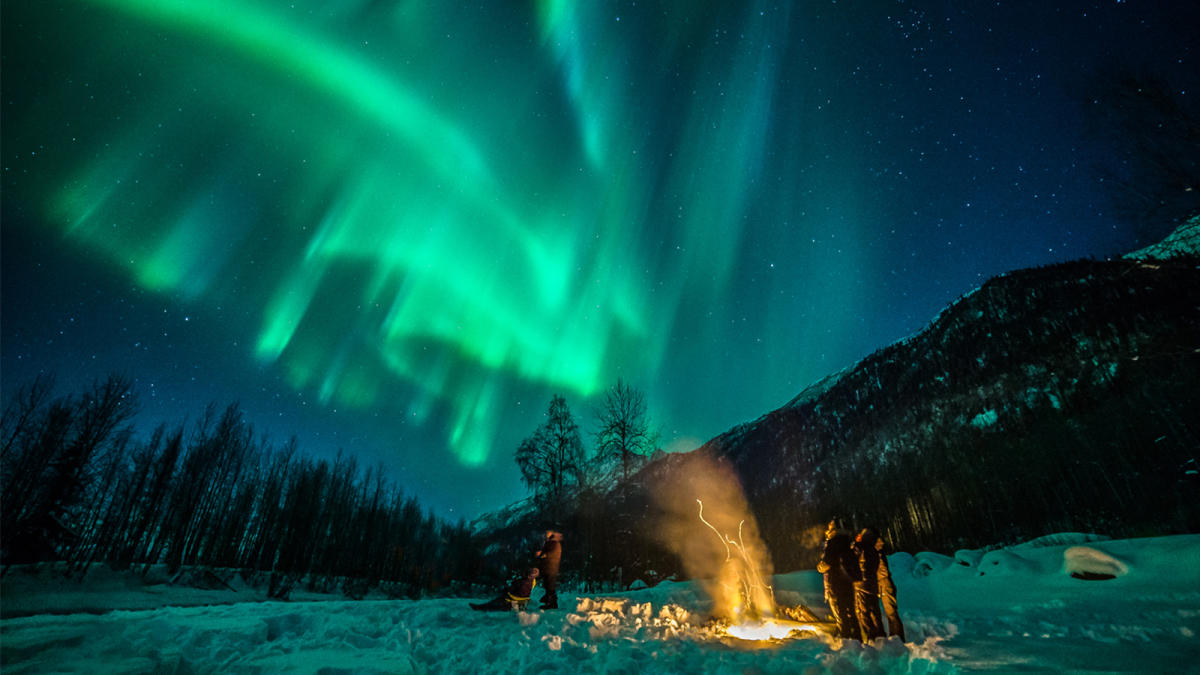
The celestial ballet of the Aurora Borealis, often known as the Northern Lights, draws travelers from across the globe to the pristine wilderness of Alaska. Witnessing this breathtaking natural phenomenon is a bucket-list experience, a vivid display of greens, purples, and reds dancing across the night sky. While Alaska is undoubtedly one of the best places on Earth to see the aurora, timing your visit is crucial to maximize your chances of a successful sighting. Understanding the interplay of seasons, darkness, weather, and solar activity is key to planning an unforgettable aurora-chasing adventure.
The Prime Season: Autumn and Winter’s Embrace
The fundamental requirement for seeing the Northern Lights is darkness, and abundant darkness is something Alaska offers in spades during its colder months. While solar storms and geomagnetic activity occur year-round, the sun-drenched summers of the Last Frontier make visible aurora displays a rarity.
The Darker Skies Equation
The optimal window for aurora viewing in Alaska spans from late August through mid-April. This extended period offers enough hours of true darkness for the lights to become visible. During the peak of summer, regions like Fairbanks experience up to 24 hours of daylight, making aurora sightings impossible, regardless of solar activity. As autumn descends, the days shorten dramatically, ushering in the long nights that are essential for the aurora to paint its masterpiece.
The equinoxes, particularly the autumnal equinox in late September and the vernal equinox in late March, are often cited as excellent times for aurora viewing. This is due to the Earth’s orientation relative to the sun and the solar wind, which can increase the likelihood of geomagnetic disturbances. While not a guarantee, many experienced aurora chasers find these periods particularly fruitful.
Optimal Months Breakdown
Each segment of the prime season offers distinct advantages and considerations for travelers.
September-October: The Shoulder Season Sweet Spot
For many, late August and September represent an ideal time to visit. The nights grow sufficiently dark by late August, and while temperatures are crisp, they are far milder than the frigid depths of winter. This shoulder season also allows for a wider range of daytime activities before heavy snowfalls restrict access. Travelers can enjoy hiking, wildlife viewing, and scenic drives while still having a good chance of seeing the aurora at night. October brings colder temperatures and more consistent darkness, often with the added beauty of snow-dusted landscapes. Cloud cover can be a factor, but the relative warmth compared to mid-winter makes extended outdoor waiting more comfortable.
November-February: Deep Winter’s Darkest Nights
This period marks the heart of Alaska’s winter, characterized by the longest nights and coldest temperatures. While challenging due to extreme cold and potentially heavy snowfall, these months offer the most consistent darkness and often the most spectacular displays. Temperatures can plunge well below 0°F (-18°C), requiring serious cold-weather gear and careful planning. However, if you are prepared for the cold, the deep winter provides unparalleled opportunities for stunning photographic backdrops, with snow-covered trees and frozen landscapes enhancing the aurora’s ethereal glow. This is also when iconic Alaskan winter activities like dog sledding and ice sculpting are in full swing.
March-April: Spring’s Lingering Darkness
As spring approaches, the days gradually lengthen, but there remains ample darkness for aurora viewing, especially in the northern parts of the state. March is often considered a prime month, benefiting from still-long nights and slightly milder temperatures than February. The spring equinox in late March can be a particularly active time for solar storms. By April, the window for consistent sightings begins to narrow, especially in southern Alaska, but northern locations still offer good possibilities. This period can offer a balance of manageable cold and good aurora chances, making it a popular choice for those wanting to avoid the harshest winter conditions.
Key Factors Influencing Your Aurora Sighting
Beyond the season, several other critical elements dictate the success of your aurora hunt.
Darkness is Paramount
To truly appreciate the aurora, you need a dark sky. This means getting away from city lights, which cause light pollution. Even a full moon can diminish the intensity of fainter aurora displays, so many aurora chasers aim for the period around a new moon for optimal viewing conditions. Remote locations away from towns and cities are always preferable.
Clear Skies are Non-Negotiable
The aurora occurs high in the Earth’s atmosphere, meaning any cloud cover will obstruct your view. Clear skies are arguably the most important factor, even more so than high solar activity. A strong aurora display hidden behind thick clouds is still hidden. Weather patterns in Alaska can be unpredictable, with coastal areas often experiencing more cloudiness. Checking both the general weather forecast and specialized aurora forecasts is essential.
Solar Activity (Kp-index)
The Kp-index is a measure of global geomagnetic activity, ranging from 0 (very quiet) to 9 (intense geomagnetic storm). While you can see the aurora with a low Kp-index (e.g., Kp 2-3) under perfectly dark and clear conditions, higher Kp values (4 and above) indicate more intense and widespread displays, visible further south. Resources like the University of Alaska Fairbanks Geophysical Institute provide excellent short-term aurora forecasts, often predicting activity levels for the coming days.
Geographic Location Within Alaska

While Alaska is vast, not all locations are equally ideal for aurora viewing. The closer you are to the magnetic pole, the better your chances.
Fairbanks: The Aurora Capital
Often touted as the “Aurora Capital of the World,” Fairbanks is strategically located beneath the “auroral oval,” a band around the Earth’s magnetic pole where aurora activity is most concentrated. Its interior location also contributes to drier, clearer skies compared to coastal regions. Fairbanks offers excellent infrastructure for aurora tourism, including dedicated viewing lodges, heated yurts, and numerous tour operators.
Beyond Fairbanks: Remote and Rewarding
Other northern locations like Coldfoot (on the Dalton Highway north of Fairbanks) and even further north to Barrow (officially Utqiaġvik), the northernmost city in the United States, offer phenomenal viewing opportunities due to their extreme northern latitude. Locations above the Arctic Circle are prime, but they are also significantly more remote and challenging to access. Even Anchorage and Southcentral Alaska can experience aurora displays, but you’ll need to drive significantly away from city lights and hope for strong activity and clear skies. Coastal cities like Juneau, Seward, or Ketchikan are generally less reliable due to persistent cloud cover and lower latitude.
Planning Your Alaskan Aurora Expedition
A trip to Alaska for the Northern Lights requires thoughtful preparation to ensure both comfort and success.
Best Destinations for Aurora Viewing
While Fairbanks remains the top choice for its reliability and accessibility, consider these options:
- Fairbanks and surrounding areas: Easy access to viewing points, tour operators, and amenities. Ideal for first-timers.
- Coldfoot: Located along the Dalton Highway, offering a rugged Arctic Circle experience. Limited services but incredible dark skies.
- Nome and Kotzebue: These remote northwestern towns offer excellent northern latitude and authentic Alaska Native cultural experiences, though logistics are more complex.
- Wilderness lodges: Several remote lodges, such as those near Denali National Park or deep in the Brooks Range, provide unparalleled dark sky environments, often with specialized aurora viewing packages.
Recommended Trip Duration
To maximize your chances of seeing the aurora, especially given the unpredictable nature of weather and solar activity, plan for a stay of at least 3 to 7 nights in a prime viewing location. This allows for cloudy nights or lower solar activity, giving you multiple opportunities to witness the display. Aurora viewing is often a waiting game, so patience is a virtue, and multiple nights increase your odds exponentially.
What to Pack and Prepare
- Extreme Cold Weather Gear: This is non-negotiable for winter travel. Layering is key: thermal base layers, fleece mid-layers, and a waterproof/windproof outer shell. Include insulated boots, heavy gloves or mittens, a warm hat that covers your ears, and a neck gaiter or scarf. Hand and foot warmers are also highly recommended.
- Camera Equipment: A DSLR or mirrorless camera with a wide-angle lens (f/2.8 or faster), a sturdy tripod, and extra batteries (cold drains batteries quickly) are essential for capturing the lights.
- Warm Beverages and Snacks: Bring a thermos with hot coffee, tea, or cocoa, and high-energy snacks for late-night waiting.
- Flexibility: Be prepared to adapt your plans based on weather and aurora forecasts. Some tours might require rescheduling.
Guided Tours vs. Self-Exploration
- Guided Tours: Many operators in Fairbanks offer aurora chasing tours. These typically include transportation to dark viewing sites, heated shelters, and experienced guides who monitor conditions. This is a convenient option, especially for those unfamiliar with driving in Alaskan winter conditions.
- Self-Exploration: Renting a car (preferably an AWD/4WD vehicle with winter tires) allows for ultimate flexibility. You can drive to various dark spots, but be aware of road conditions and be confident in your ability to handle winter driving. Always inform someone of your plans.
Beyond the Lights: Daytime Alaskan Adventures
While the aurora is the main draw, don’t overlook the incredible daytime experiences Alaska offers during the prime viewing season. Building a diverse itinerary enhances your travel experience, ensuring there’s always something to enjoy, even on a cloudy aurora night.
Winter Activities
Alaska transforms into a winter wonderland, offering a plethora of activities:
- Dog Sledding: Experience the state sport firsthand, either through short rides or multi-day expeditions.
- Ice Sculpting: If visiting in March, you might catch the World Ice Art Championships in Fairbanks.
- Snowmobiling (Snowmachining): Explore vast snowy landscapes.
- Cross-country Skiing and Snowshoeing: Many groomed trails are available.
- Ice Fishing: Try your hand at catching fish through a hole in the ice.
- Hot Springs: Relax in the natural warmth of places like Chena Hot Springs near Fairbanks, which also offers aurora viewing opportunities from the warm water.
- Winter Festivals: Depending on your timing, you might witness events like the Iditarod Trail Sled Dog Race start in early March.
Cultural Experiences
Delve into the rich history and vibrant culture of Alaska.
- Visit the Alaska Native Heritage Center in Anchorage to learn about indigenous cultures.
- Explore local museums, art galleries, and enjoy Alaskan cuisine.
- Interact with locals and learn about life in the Arctic.

Maximizing Your Chances: Tips for Success
- Stay Informed: Regularly check aurora forecasts (Kp-index) and local weather conditions. Websites and apps dedicated to aurora forecasting are invaluable.
- Be Patient: The aurora often appears and fades, sometimes remaining elusive for hours. Dress warmly and be prepared for long waits.
- Dress Appropriately: Layers are paramount. You can always remove layers if you get too warm, but you can’t add what you don’t have.
- Look North (but scan the sky): While the aurora typically appears in the northern sky, strong displays can fill the entire celestial dome.
- Find a Dark Spot: Get away from any artificial light sources. The further you are from cities, the better.
- Consider an Aurora Wake-Up Service: Some lodges and hotels in prime viewing areas offer to alert guests when the lights appear.
- Have Backup Plans: If skies are cloudy, have other activities planned so your trip remains enjoyable regardless.
- Embrace the Cold: A true Alaskan aurora experience often involves braving sub-zero temperatures. View this as part of the adventure.
Witnessing the Aurora Borealis in Alaska is an extraordinary journey. By understanding the best times to visit and the factors that influence visibility, you can significantly enhance your chances of experiencing this magical natural wonder.
LifeOutOfTheBox is a participant in the Amazon Services LLC Associates Program, an affiliate advertising program designed to provide a means for sites to earn advertising fees by advertising and linking to Amazon.com. Amazon, the Amazon logo, AmazonSupply, and the AmazonSupply logo are trademarks of Amazon.com, Inc. or its affiliates. As an Amazon Associate we earn affiliate commissions from qualifying purchases.