
Planning an Alaska cruise involves more than just selecting a ship and itinerary; the timing of your voyage profoundly shapes the experience. Unlike Caribbean sailings that span most of the year, the Alaska cruise season is relatively short, compressed into a five-month window from May to September. Each segment of this season offers distinct advantages and disadvantages, catering to different preferences and priorities. Understanding these nuances is key to finding your ideal time to explore the Last Frontier by sea.
Understanding the Alaska Cruise Season
The Alaska cruise season officially runs from early May to late September. This brief period aligns with the region’s milder weather, longer daylight hours, and the peak activity of its iconic wildlife. Deciding when to go within this window often boils down to balancing factors like weather, crowd levels, pricing, and specific interests such as wildlife viewing or glacier exploration.
Early Season (May – Early June)
The early season, typically from the second week of May through the first two weeks of June, marks the awakening of Alaska from its winter slumber. This period is characterized by a sense of freshness and renewal, offering a unique perspective on the state’s natural beauty.
Pros:
- Fewer Crowds and Better Prices: As the season kicks off, demand is lower, leading to more attractive fares for cruises and potentially for pre- or post-cruise land excursions. Popular ports like Juneau, Skagway, and Ketchikan are less congested, allowing for a more relaxed exploration experience.
- Abundant Wildlife: Spring brings a surge of wildlife activity. Bears emerge from hibernation, eager for food, and many migratory birds return to nest. Whale sightings, particularly humpback whales and orca, are excellent as they arrive to feed in Alaska’s nutrient-rich waters.
- Meltwater Waterfalls: As the snow and ice begin to melt, countless waterfalls cascade down mountainsides, creating spectacular visual displays that are particularly vibrant in May and early June.
Cons:
- Cooler Temperatures: Expect cooler weather, especially in May, with average daytime temperatures ranging from 40°F to 55°F (4°C to 13°C). Rain is also more common.
- Potentially Less Greenery: While signs of spring are everywhere, the landscape might not be as lush and green as it is later in the summer.
- Limited Excursion Availability: Some land-based tours or higher-elevation activities might not be fully operational until later in the season due to lingering snow or ice.
Peak Season (Mid-June – August)
The peak season, spanning from mid-June to the end of August, is when Alaska truly shines, offering the warmest weather and longest daylight hours. This is the most popular time to cruise, and for good reason.
Pros:
- Warmest Weather and Longest Daylight: Daytime temperatures typically range from 55°F to 75°F (13°C to 24°C), making outdoor activities more comfortable. Crucially, daylight hours are incredibly long, sometimes extending to 18-20 hours in northern regions, allowing for extended exploration and sightseeing.
- Optimal Glacier Viewing: Warmer temperatures often mean clearer skies, which enhance visibility for breathtaking glacier views in places like Glacier Bay National Park or College Fjord.
- All Excursions Fully Operational: Every tour and adventure, from helicopter glacier landings to wildlife kayaking, is typically available and in full swing during this period.
- Active Wildlife: Wildlife remains very active, with baby animals often visible, and prime viewing for various species as they prepare for winter.
Cons:
- Highest Prices and Largest Crowds: Demand is at its peak, leading to higher cruise fares, more expensive excursions, and potentially crowded ports and attractions. Booking well in advance is essential.
- Limited Availability: Cabins, especially popular categories, can sell out quickly.
Late Season (September)
The late season, primarily the month of September, offers a unique charm as Alaska transitions into autumn. It’s a time of changing colors and a quieter, more reflective atmosphere.
Pros:
- Fall Foliage: The landscape transforms into a stunning tapestry of gold, orange, and red, particularly beautiful in the interior and along some of the fjord cruises.
- Fewer Crowds and Better Prices: Similar to the early season, crowds dwindle, and prices drop, offering a more serene and budget-friendly experience.
- Excellent Wildlife Viewing: Bears are often seen actively fishing for salmon, preparing for hibernation. The chance to see the northern lights also increases, especially towards the latter half of the month and for those combining their cruise with land tours into areas like Fairbanks or Denali National Park.

Cons:
- Cooler Temperatures and Increased Rain: Temperatures continue to drop, ranging from 35°F to 50°F (2°C to 10°C), and the likelihood of rain increases significantly. Rougher seas can also be more common.
- Shorter Daylight Hours: Daylight begins to noticeably shorten, limiting the amount of time for shore excursions and evening sightseeing.
- Some Excursions May Close: Towards the end of September, some tours and attractions may begin to close for the winter season.
Factors Influencing Your Choice
Beyond the general season segments, several specific factors should weigh into your decision for an Alaska cruise.
Weather and Daylight
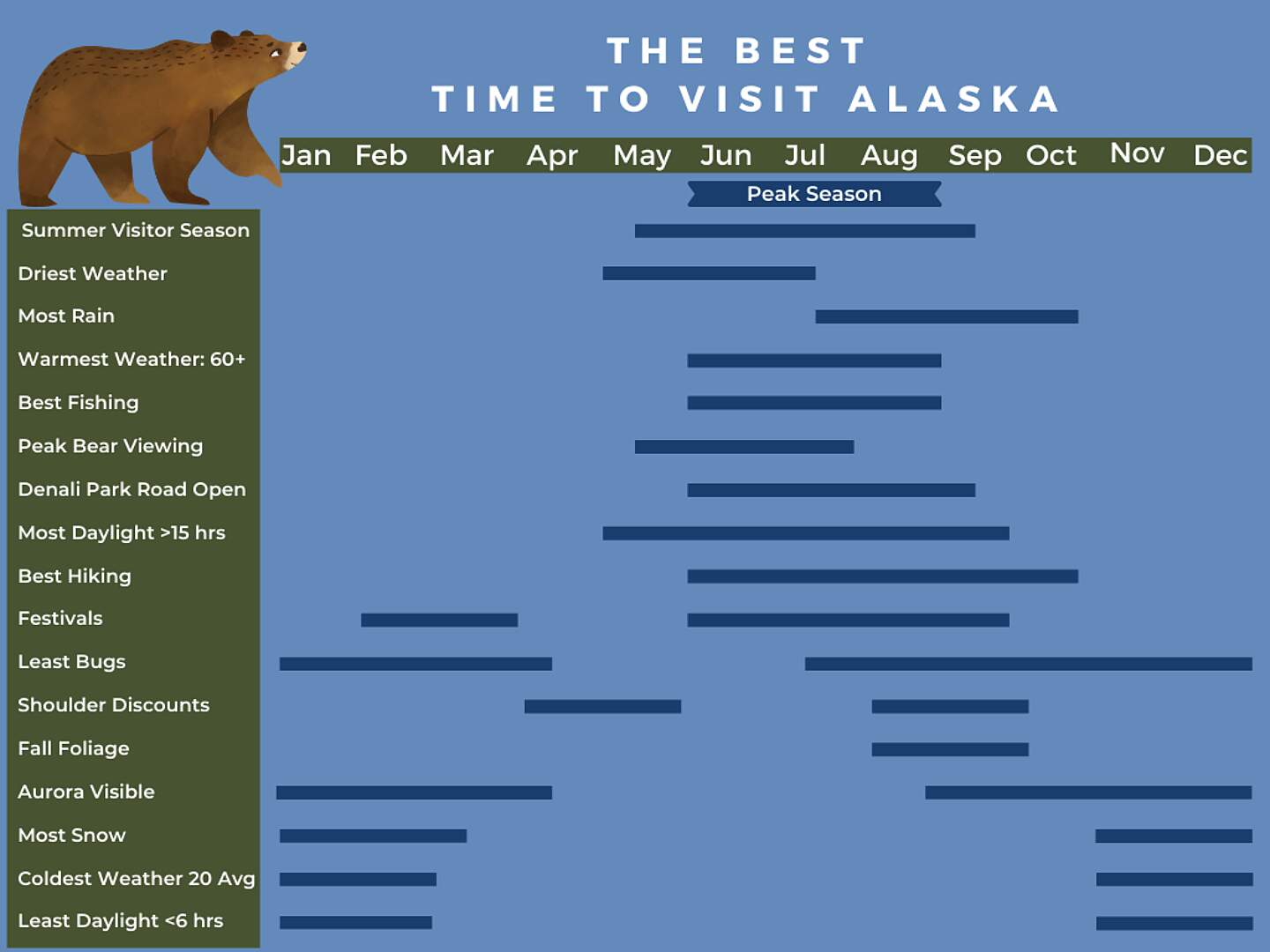
The unpredictable nature of Alaskan weather means being prepared for anything, regardless of when you go. However, the probability of warmer, drier days and extended daylight is highest in July and August. If long days for sightseeing and outdoor comfort are paramount, the peak season is your best bet. If you prefer cooler temperatures and don’t mind a bit of rain for fewer crowds, the shoulder seasons of May and September are excellent. Always pack layers!
Wildlife Viewing
Different animals have their prime viewing times.
- Whales: May and June are excellent for whale watching as they migrate to Alaska’s waters. Humpback whales, orca, and gray whales are commonly spotted throughout the season, but early season offers the first chances to see them.
- Bears: Bears, including brown bears and black bears, are more easily spotted in May and early June as they forage after hibernation. In August and September, they are frequently seen congregating around rivers and streams for the salmon run, particularly in locations like Denali National Park or on excursions from Ketchikan.
- Salmon Run: The salmon run typically peaks in July and August, attracting not only bears but also eagles and other predators.
- Marine Life: Seals, sea lions, otters, and various seabirds are abundant throughout the entire season.
Pricing and Crowds
Generally, the relationship between pricing, crowds, and the time of year is inversely proportional.
- May and September: Offer the best value, with lower cruise fares and less crowded ports, making them ideal for budget-conscious travelers or those seeking a more tranquil experience.
- June, July, and August: Command the highest prices and experience the largest crowds. This is the school holiday period, making it popular for families. Booking well in advance (12-18 months) is often necessary to secure desired cabins and itineraries during this peak.
Excursion Availability
Most major excursions are available throughout the season, but some highly seasonal activities or those dependent on specific weather conditions might have limited windows. For instance, some remote wilderness lodges or specific hiking trails might not fully open until mid-June. If you have a specific, unique excursion in mind, check its operating dates before booking your cruise. Activities like dog sledding on glaciers, helicopter tours, and active kayaking trips are generally reliable from June through August.

Tailoring Your Alaska Experience
Ultimately, the “best” time to go on an Alaska cruise is subjective and depends entirely on your personal preferences and priorities.
- For the Budget-Conscious and Crowd-Averse: Aim for the early season (May-early June) or late season (September). You’ll enjoy significant savings, fewer people at popular attractions, and a more intimate encounter with Alaska’s wilderness. You’ll need to be prepared for cooler, potentially wetter weather.
- For Optimal Weather and Full Activity Access: The peak season (mid-June-August) is your ideal choice. You’ll get the warmest temperatures, longest daylight hours, and guaranteed availability for all excursions. Be prepared for higher costs and more crowds, especially in popular ports like Juneau, Skagway, and embarkation points like Whittier or Seward.
- For Wildlife Enthusiasts: While wildlife is present all season, May-June offers excellent opportunities for whale sightings and bears emerging from hibernation. August-September is prime for viewing bears during the salmon run.
- For Northern Lights Seekers: While never guaranteed, the late season (September) significantly increases your chances of witnessing the aurora borealis, particularly if you extend your trip with a land tour into the interior.
By carefully considering these factors against your own travel style and interests, you can pinpoint the perfect window to embark on your unforgettable Alaska cruise adventure. Each month offers a unique facet of this magnificent destination, ensuring that whenever you choose to go, you’re in for an extraordinary journey.
LifeOutOfTheBox is a participant in the Amazon Services LLC Associates Program, an affiliate advertising program designed to provide a means for sites to earn advertising fees by advertising and linking to Amazon.com. Amazon, the Amazon logo, AmazonSupply, and the AmazonSupply logo are trademarks of Amazon.com, Inc. or its affiliates. As an Amazon Associate we earn affiliate commissions from qualifying purchases.