
The sheer scale and dynamic beauty of Hubbard Glacier, often hailed as the “Galloping Glacier,” position it as one of the most awe-inspiring natural landmarks on Earth. Nestled in the remote wilderness of Southeast Alaska, this colossal river of ice is a testament to the raw power of nature, constantly reshaping its environment with dramatic calving events and relentless forward motion. Its unique characteristics and significant ecological impact make it a paramount destination for those seeking to witness an active, advancing tidewater glacier, a geological rarity in an era of widespread glacial retreat. Understanding its precise location, geological context, and the remarkable ways it influences the surrounding landscape is key to appreciating its status as an iconic landmark.

Locating the ‘Galloping Glacier’
Hubbard Glacier’s remote and spectacular location is part of its mystique. It lies at the head of Yakutat Bay in Alaska, specifically at the terminus of Disenchantment Bay. This puts it within the vast expanse of Wrangell-St. Elias National Park and Preserve, a UNESCO World Heritage Site that spans both the United States and Canada. Its colossal ice mass originates from a large icefield shared with Yukon, Canada, extending into Tatshenshini-Alsek Provincial Park.
Geographic Coordinates and Setting
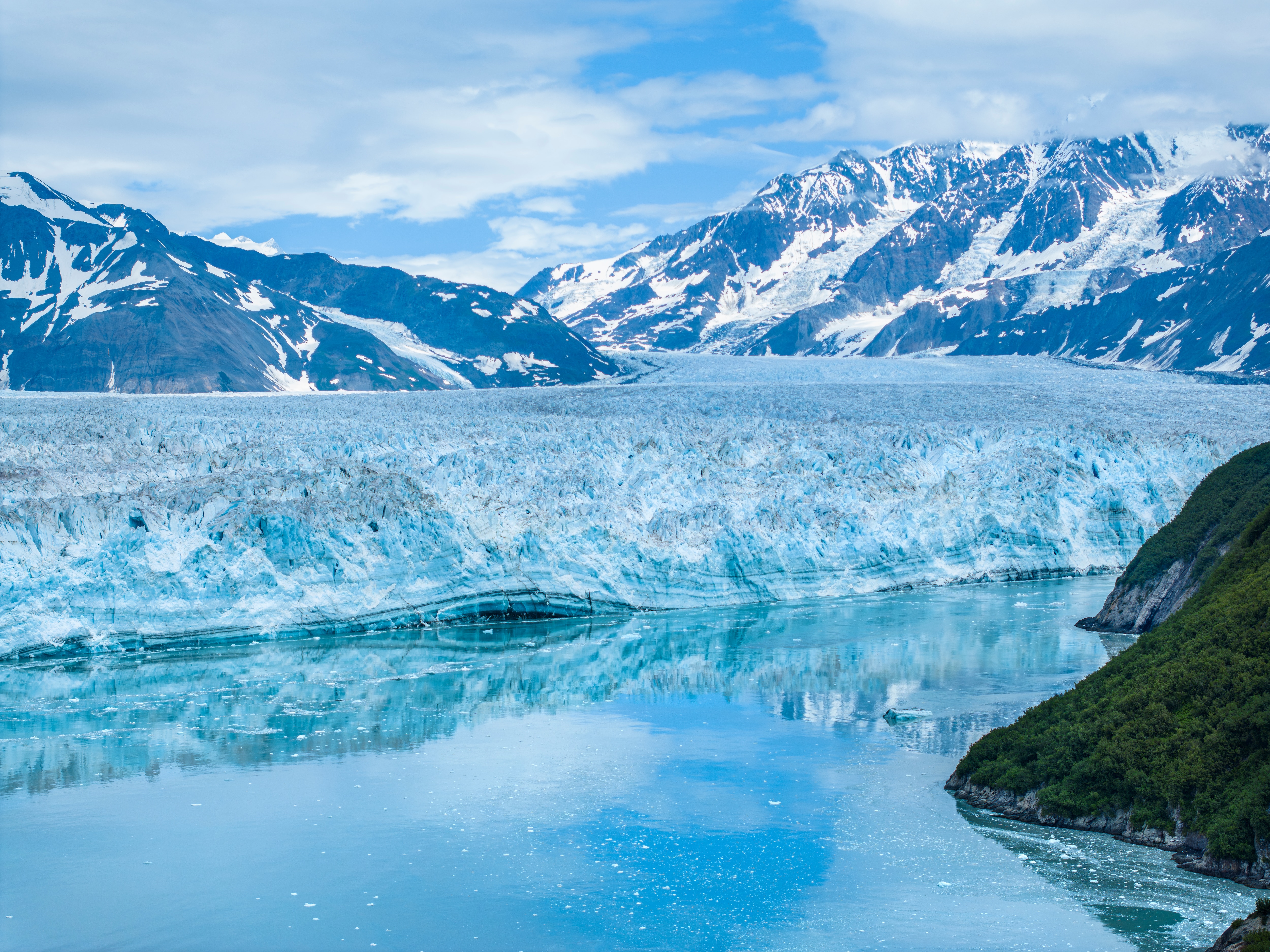
The main calving front of Hubbard Glacier typically sits around 59°58′N latitude and 139°39′W longitude. This position places it in a region characterized by rugged mountains, dense coniferous forests, and a maze of fjords and bays that define the Alaskan panhandle. The glacier’s formidable ice wall, towering hundreds of feet high and stretching for miles across, is the dominant feature of Disenchantment Bay. The surrounding landscape is largely uninhabited, preserving a pristine wilderness feel that amplifies the grandeur of the glacier. Its proximity to the Chugach Mountains and St. Elias Mountains provides a dramatic backdrop, with peaks often shrouded in mist or glistening with fresh snow, making for an unforgettable visual spectacle.
The Gulf of Alaska’s Influence
The glacier’s location near the Gulf of Alaska plays a crucial role in its unique behavior. This region is known for its heavy snowfall, particularly in the upper reaches of the glacier’s accumulation zone. The substantial precipitation feeds the glacier, providing the necessary mass balance for its continued advance. Unlike many glaciers worldwide that are retreating due to climate change, Hubbard Glacier has demonstrated a remarkable resilience and, in some periods, a rapid surge forward, earning it the moniker “Galloping Glacier.” This dynamic interaction with the regional climate and topography is what makes it a perpetually changing and fascinating landmark for scientists and visitors alike. The cold, nutrient-rich waters of the Gulf also contribute to the vibrant marine ecosystem found in the bays fed by the glacier, adding another layer of ecological significance to its landmark status.
Geological Marvel and Dynamic Nature
Hubbard Glacier is not merely a static chunk of ice; it is a living, breathing geological entity that consistently redefines the landscape around it. Its immense scale and active nature distinguish it as one of the planet’s most impressive tidewater glaciers.
Formation and Scale
Hubbard Glacier is an outflow glacier from the vast icefields of Mount Logan, the highest peak in Canada. Stretching approximately 76 miles (122 km) in length and reaching a width of up to 7 miles (11 km) at its terminus, it is one of the longest and widest glaciers in North America. The ice can be as much as 1,200 feet (366 meters) thick at its face, with depths potentially reaching over 2,000 feet (610 meters) further up its course. This staggering volume of ice represents centuries of snowfall compacted into dense, blue-white ice, slowly but powerfully carving its path through the bedrock. The sheer weight and erosive force of this ice have sculpted the dramatic U-shaped valleys and fjords that characterize the Alaskan coastline, leaving an indelible mark on the region’s geomorphology.
Calving Events and Tidal Glacier Characteristics
As a tidewater glacier, Hubbard Glacier flows directly into the ocean. This interaction with saltwater leads to spectacular calving events, where massive chunks of ice break off the glacier’s face and crash into Disenchantment Bay, creating towering waves and a thunderous roar. These events range from small icefalls to truly monumental detachments, some creating icebergs the size of ten-story buildings. The glacier’s ‘galloping’ nature refers to its periodic surges, where it can advance at rates significantly faster than typical glaciers, sometimes several feet per day. This rapid movement is believed to be influenced by factors such as increased basal lubrication from meltwater and the glacier’s unique thermal regime. The vibrant blue hues of the ice, a result of light absorption and scattering within the compressed ice, add to the visual drama of these dynamic processes, making each viewing experience unique.
The 1986 and 2002 Closures of Russell Fjord
The most dramatic demonstrations of Hubbard Glacier’s dynamic power occurred in 1986 and again in 2002. During these events, the glacier advanced so rapidly that its leading edge completely blocked the narrow entrance to Russell Fjord. This blockage created a massive freshwater lake, Russell Lake, which rose rapidly, threatening the local ecosystem and potentially flooding salmon spawning grounds. The rising water levels generated immense pressure against the ice dam. In both instances, after weeks of accumulating pressure, the ice dam catastrophically failed, sending millions of gallons of freshwater surging into Yakutat Bay and altering the local salinity. These natural damming and breaching events underscore the glacier’s immense power and its ability to drastically, albeit temporarily, reshape the local environment, making it a living laboratory for glaciological study and a powerful symbol of nature’s relentless force.

Accessibility and Viewing Hubbard Glacier
Given its remote location within a national park and wilderness area, experiencing Hubbard Glacier requires careful planning. While challenging to reach independently, several established avenues offer breathtaking views of this natural wonder. The journey to Hubbard Glacier is as much a part of the experience as the destination itself, unfolding through some of Alaska’s most pristine and dramatic scenery.
Cruise Ship Expeditions
The most popular and accessible way to witness Hubbard Glacier is via a cruise ship expedition. Many major cruise lines offer itineraries that include a scenic cruising day in Disenchantment Bay. These cruises typically depart from major ports such as Seattle, Vancouver, Whittier, or Seward. As the ship approaches the glacier, passengers are treated to panoramic views from various decks, often accompanied by naturalists providing insightful commentary on the glacier’s geology, ecology, and history. Cruise ships typically maintain a respectful distance from the calving face for safety, allowing visitors to witness the colossal ice wall, listen to the ‘white thunder’ of calving ice, and marvel at the sheer scale of the landmark. These tours provide comfortable amenities, making the remote journey accessible to a wide range of travelers.
Kayaking and Small Boat Tours
For a more intimate and adventurous encounter, specialized small boat and kayaking tours are available. These tours, often operating out of Yakutat, allow visitors to get closer to the glacier’s terminus (within safe limits, guided by experienced professionals). Kayakers can paddle through the calm waters of Disenchantment Bay, navigating among smaller icebergs and experiencing the glacier’s presence from a water-level perspective. This option offers a profound sense of scale and connection to the natural environment, allowing for quiet observation of marine life and the subtle sounds of the ice. However, due to the inherent dangers of calving ice and sudden waves, these tours require participants to be in good physical condition and strictly adhere to guide instructions. They provide an unparalleled, immersive experience of this dynamic landmark.
Flightseeing Tours
Another spectacular way to appreciate the immense scale and intricate features of Hubbard Glacier and its surrounding icefields is through flightseeing tours. Departing from nearby towns or larger hubs, these aerial excursions offer a bird’s-eye view of the glacier’s vast expanse, tracing its path from the high alpine accumulation zones down to the calving front. From above, one can grasp the interconnectedness of the glacier with the surrounding mountain ranges, the dendritic patterns of its tributaries, and the sheer magnitude of the ice. Flightseeing tours provide a unique perspective on the geological forces at play, revealing hidden crevasses, meltwater channels, and the impressive scope of the entire Wrangell-St. Elias icefield. It’s an unforgettable way to comprehend the true grandeur of this Alaskan landmark.
The Ecological and Environmental Significance
Beyond its stunning visual appeal, Hubbard Glacier holds immense ecological and environmental significance. As an active and advancing glacier, it represents a unique case study in glaciology and provides a critical habitat for a diverse array of flora and fauna, making it a living landmark of natural history.
Biodiversity and Marine Life
The waters surrounding Hubbard Glacier are teeming with life, a direct result of the glacier’s influence. As the glacier grinds rock into fine glacial flour, it releases nutrient-rich sediment into Disenchantment Bay and Yakutat Bay. This influx of nutrients supports a robust food chain, starting with phytoplankton and zooplankton, which in turn feed larger marine organisms. The cold, oxygenated waters are a haven for various species of fish, attracting their predators. Harbor seals are commonly seen resting on floating icebergs, using them as platforms to escape predators. Sea otters also frequent the area, foraging in the nutrient-rich waters. Majestic marine mammals like humpback whales and orcas are known to visit the bay, particularly during salmon runs, showcasing the richness of this ecosystem. Numerous seabirds, including kittiwakes and murres, nest on the cliffs surrounding the bay, further contributing to the vibrant biodiversity of this glacial environment.
Research and Conservation Efforts
Hubbard Glacier’s unusual behavior, particularly its advancement against a global trend of glacial retreat, makes it a critical subject for scientific research. Glaciologists and climatologists study its dynamics to better understand the complex interplay of precipitation, temperature, and glacial movement. The 1986 and 2002 fjord-closure events provided invaluable data on the environmental impacts of such rapid glacial changes. Conservation efforts in the region focus on preserving the pristine wilderness of Wrangell-St. Elias National Park and Preserve and Tatshenshini-Alsek Provincial Park, ensuring that this natural landmark and its unique ecosystem remain undisturbed. These protected areas serve as vital refuges for wildlife and provide opportunities for ongoing scientific inquiry into one of the planet’s most active and important glaciers.
Indigenous History and Cultural Context
The region surrounding Hubbard Glacier has a rich history tied to indigenous peoples, particularly the Tlingit and Eyak tribes. For centuries, these communities have lived in harmony with the challenging yet bountiful Alaskan wilderness, developing profound cultural and spiritual connections to the land, sea, and ice. The glaciers, mountains, and waterways were not just geographical features but integral parts of their cosmology, providing resources, shaping their stories, and defining their way of life. While direct interaction with the glacier’s immediate vicinity might have been limited due to its formidable nature, its presence undoubtedly influenced the broader regional culture, navigation, and resource utilization. Today, Hubbard Glacier stands not only as a natural wonder but also as a powerful testament to the enduring relationship between humans and the raw, untamed forces of nature in the heart of Alaska.
LifeOutOfTheBox is a participant in the Amazon Services LLC Associates Program, an affiliate advertising program designed to provide a means for sites to earn advertising fees by advertising and linking to Amazon.com. Amazon, the Amazon logo, AmazonSupply, and the AmazonSupply logo are trademarks of Amazon.com, Inc. or its affiliates. As an Amazon Associate we earn affiliate commissions from qualifying purchases.