
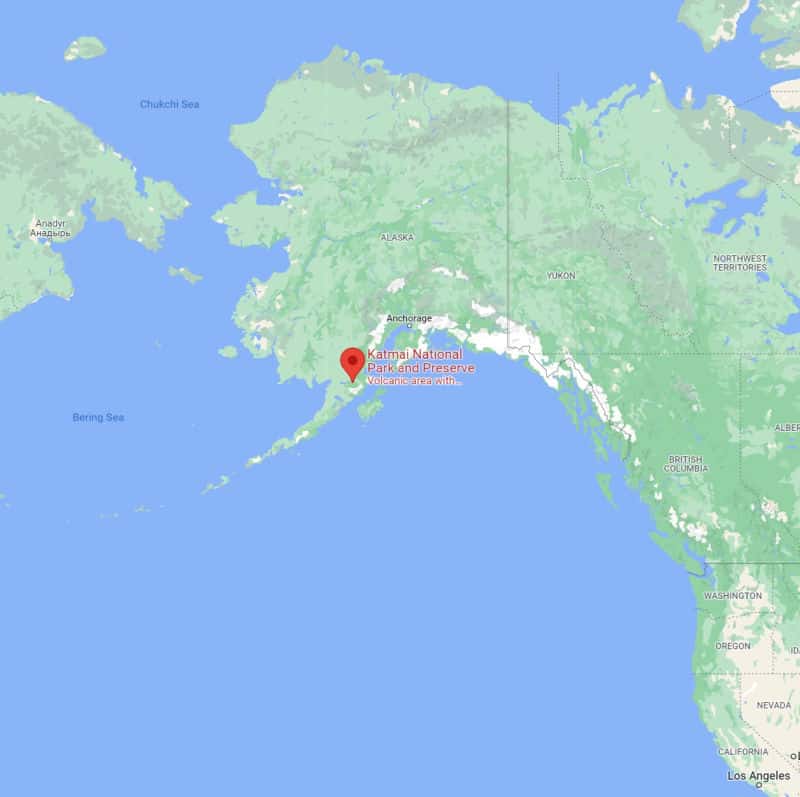
Katmai National Park and Preserve stands as a monumental testament to the raw, untamed wilderness of Alaska. Often conjuring images of magnificent brown bears congregating at fishing falls, its location is as remote as its reputation suggests, making the journey an integral part of the adventure. Nestled in the southwestern region of Alaska, primarily on the Alaska Peninsula facing Shelikof Strait and the Pacific Ocean, this vast expanse of over four million acres is a realm of active volcanoes, pristine rivers, and diverse wildlife. It’s a landscape shaped by cataclysmic volcanic events, most notably the 1912 eruption of Novarupta, which created the otherworldly Valley of Ten Thousand Smokes. For the intrepid traveler, understanding its precise location and the logistical nuances of reaching it is the crucial first step in planning an unforgettable Alaskan odyssey.

Navigating the Alaskan Wilderness: How to Get There
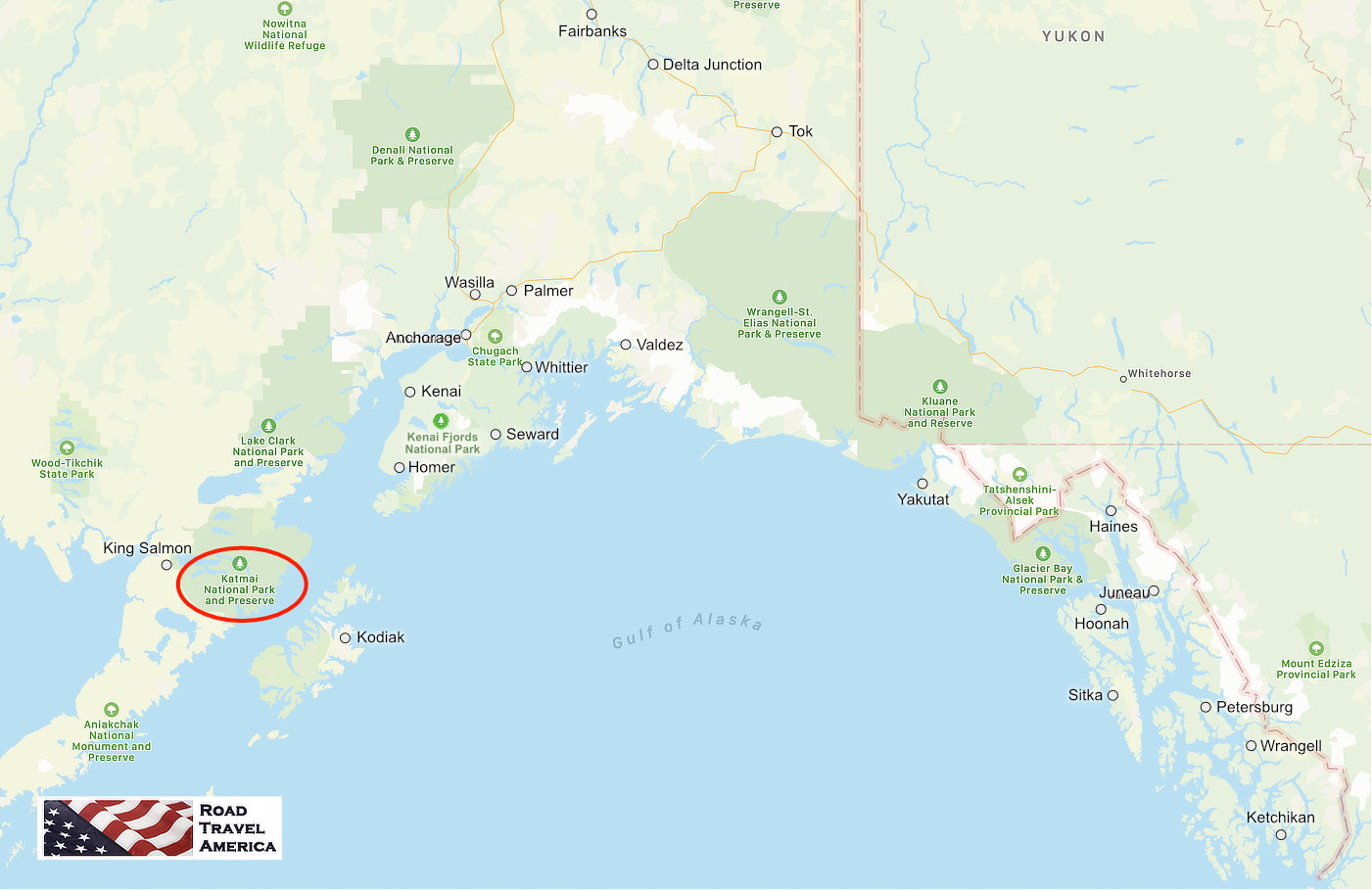
Accessing Katmai National Park and Preserve is an adventure in itself, as there are no roads leading into its core. Its remote nature is part of its charm and conservation success, preserving an untouched ecosystem that few places on Earth can rival. The primary gateway for most visitors is the small town of King Salmon, Alaska, situated roughly 290 miles southwest of Anchorage.
The journey typically begins with a commercial flight from Ted Stevens Anchorage International Airport (ANC) to King Salmon Airport (AKN). These flights are operated by regional carriers and are often booked well in advance, especially during the peak summer months. Once in King Salmon, the next leg of the journey to the park’s most popular destination, Brooks Camp, requires a floatplane or wheeled plane. These air taxi services are provided by private charter companies and serve as the vital link to the heart of Katmai. The scenic floatplane ride over vast tundras, meandering rivers, and glistening lakes offers an unparalleled introduction to the park’s grandeur, typically taking about 20-30 minutes.
For visitors venturing beyond Brooks Camp or seeking a more exclusive experience, alternative access points and methods exist. Wilderness lodges situated outside the main Brooks Camp area often arrange their own private charter flights directly from Anchorage or other smaller Alaskan towns, offering a more streamlined and often luxurious entry. Additionally, some intrepid travelers and experienced backcountry enthusiasts may access remote parts of the preserve by private boat or sea kayak, typically launching from coastal communities. However, this option demands significant planning, self-sufficiency, and an understanding of challenging Alaskan weather and marine conditions. Regardless of the chosen path, detailed logistical planning, including flight reservations, park permits, and accommodation bookings, is paramount for a successful and safe journey into Katmai’s remote embrace.
Immersive Experiences: What to Do in Katmai
Katmai National Park and Preserve offers a suite of unparalleled wilderness experiences, predominantly centered around its iconic wildlife and dramatic geological features. Visitors are drawn here for truly unique encounters that are difficult to replicate anywhere else in the world.
Bear Viewing at Brooks Falls
Undoubtedly, the most famous attraction in Katmai is the legendary bear viewing at Brooks Falls. Here, during the salmon spawning season, hundreds of brown bears converge to feast on sockeye salmon leaping upstream. The National Park Service has constructed several viewing platforms, including the iconic main platform overlooking the falls, which allow visitors to safely observe these magnificent creatures in their natural habitat. The peak season for bear viewing varies: July offers incredible opportunities to see bears catching salmon directly from the falls, while September provides a chance to witness larger, fatter bears preparing for hibernation, often congregating along the Brooks River. Rangers are always on hand to ensure visitor safety and provide insightful information about bear behavior. Strict rules are enforced regarding proximity to bears, food storage, and group movement, emphasizing respect for the wildlife and the delicate ecosystem. This experience transcends mere wildlife observation; it’s a profound connection to the wild heart of Alaska.
Exploring the Valley of Ten Thousand Smokes
Beyond the bears, the Valley of Ten Thousand Smokes offers a dramatically different, yet equally captivating, experience. This surreal landscape was formed by the massive 1912 eruption of Novarupta volcano, which blanketed a 40-square-mile valley with ash and pumice up to 700 feet deep. While the thousands of fumaroles (steam vents) that gave the valley its name have long cooled, the landscape remains a stark, ash-covered expanse unlike anywhere else on Earth. The park offers guided bus tours from Brooks Camp to an overlook of the valley, providing interpretive talks on its geological history and ecological recovery. For the more adventurous, guided hikes descend into the valley floor, offering an intimate perspective of this incredible geological wonder. The contrast between the lush coastal areas and this volcanic wasteland is a testament to Katmai’s diverse natural history.
Fishing and Wildlife Photography
Katmai is also a renowned destination for world-class sport fishing, particularly for rainbow trout and all five species of Pacific salmon. The park’s pristine rivers and lakes, including Brooks River and Naknek Lake, teem with fish, attracting anglers seeking a remote wilderness fishing experience. Permits and strict regulations are in place to ensure sustainable fishing practices. For wildlife photographers, Katmai is a dream destination. Beyond the brown bears, the park is home to moose, caribou, wolves, coyotes, foxes, and a wide array of birdlife, including bald eagles. The dramatic landscapes, from volcanic peaks to coastal fjords, provide breathtaking backdrops for capturing stunning images of Alaskan wilderness.
Backcountry Adventures
For those seeking true solitude and a deeper immersion into the wilderness, Katmai offers extensive backcountry opportunities. Multi-day hiking and camping trips require advanced planning, navigation skills, and a thorough understanding of bear country safety. Kayaking and canoeing on the park’s vast lake systems, like Naknek Lake or the smaller, more remote Coville Lake, allow for unique perspectives of the landscape and wildlife, far from the more frequented areas. Wilderness lodges, scattered throughout the preserve, offer guided excursions for various activities, often providing a more comfortable base for exploring remote corners of the park. Engaging in these backcountry adventures offers an unparalleled sense of discovery and a profound connection to one of the wildest places left on Earth.
Planning Your Unforgettable Katmai Journey
A trip to Katmai National Park and Preserve requires meticulous planning due to its remote location, limited infrastructure, and high demand, especially for the prime bear viewing season. Understanding the nuances of timing, accommodation, and essential gear is crucial for a successful and enjoyable visit.
The best time to visit largely depends on your primary interest. For optimal bear viewing at Brooks Falls, July is unparalleled, as this is when the sockeye salmon run is at its peak, and bears are most active in the river. September also offers excellent viewing opportunities, with larger bears feeding intensely before hibernation, albeit with cooler temperatures and potentially more challenging weather. Late spring (June) and early autumn (August) can also be rewarding for wildlife viewing and hiking, though bear concentrations may be lower than in peak months. Weather in Katmai is notoriously unpredictable; expect cool temperatures, rain, and strong winds, even in summer.
Accommodation options within the park are extremely limited, further emphasizing the need for early booking. Brooks Lodge, located at Brooks Camp, offers the only established lodging inside the park and is typically booked solid over a year in advance through a lottery system. Camping at the designated Brooks Camp Campground is another option, also requiring reservations well in advance. For those unable to secure lodging or campsites within Brooks Camp, a range of private wilderness lodges operate just outside the park boundaries or in more remote sections of the preserve. These lodges often provide an all-inclusive experience, including air charter transportation, guided activities, and meals. Alternatively, visitors can opt for day trips from King Salmon, though this limits time in the park and requires coordinating separate air taxi services.
Essential gear for any Katmai trip should prioritize layers, rain protection, and sturdy footwear. A waterproof and windproof outer shell, insulated layers, warm hats, gloves, and waterproof hiking boots are indispensable. Binoculars and a telephoto lens for photography are highly recommended. While visitors are not permitted to carry bear spray in Brooks Camp, park rangers are always present and carry deterrents. It is crucial to follow all park regulations regarding food storage and waste disposal to minimize human-wildlife conflicts.
Finally, permits and reservations are not just recommended but often mandatory. Entry to Brooks Camp requires a reservation, especially during peak season, due to visitor capacity limits. Air taxi services from King Salmon must also be booked in advance. Budgeting for a remote Alaskan trip should account for these significant transportation costs, as well as lodge fees, which can be substantial. Despite the logistical challenges and expense, the unparalleled opportunity to witness wild Alaska in its most pristine form makes a journey to Katmai an investment in an experience of a lifetime.
The Enduring Allure of Katmai
Katmai National Park and Preserve is far more than just a dot on the map; it is a profound journey into the heart of wild Alaska. Its remote location, carefully managed accessibility, and the sheer scale of its natural wonders contribute to its enduring allure. This isn’t a destination for a casual, last-minute trip, but rather a carefully planned pilgrimage that rewards visitors with an immersive connection to an ecosystem largely untouched by human development.
The park represents a critical stronghold for healthy brown bear populations, offering an unparalleled chance to observe these apex predators thriving in their natural habitat. Beyond the bears, it is a living laboratory of geological processes, where the echoes of ancient volcanic eruptions are still visible in the Valley of Ten Thousand Smokes. Its pristine rivers and lakes sustain vibrant salmon runs, which in turn support the entire food web, from bears to bald eagles, showcasing a robust and interconnected wilderness.
For the traveler, a visit to Katmai is an invitation to step outside the familiar and embrace the extraordinary. It offers moments of profound awe, whether watching a bear expertly pluck a salmon from a waterfall, hiking across a lunar-like volcanic landscape, or simply soaking in the silence of a vast Alaskan wilderness. It’s a testament to the power of nature and the importance of conservation, reminding us of the wild beauty that still exists and the imperative to protect it. For those seeking a truly transformative travel experience, finding Katmai National Park and Preserve on the map is merely the beginning of an unforgettable adventure into one of Earth’s most magnificent wild places.
LifeOutOfTheBox is a participant in the Amazon Services LLC Associates Program, an affiliate advertising program designed to provide a means for sites to earn advertising fees by advertising and linking to Amazon.com. Amazon, the Amazon logo, AmazonSupply, and the AmazonSupply logo are trademarks of Amazon.com, Inc. or its affiliates. As an Amazon Associate we earn affiliate commissions from qualifying purchases.