
Deciding where to establish roots in Alaska, often referred to as the Last Frontier, is a pivotal choice that shapes an individual’s or family’s lifestyle profoundly. This vast state offers a spectrum of living experiences, from bustling urban centers to remote, self-sufficient communities. Understanding the unique character of each region is essential for anyone considering calling Alaska home, whether seeking career opportunities, an adventurous outdoor life, or a tranquil escape. The diverse geography, climate, and local culture dictate daily life, community engagement, and access to services, making the selection of a specific location critical to a fulfilling Alaskan lifestyle.

Urban Centers: Blending Modernity with Wilderness Access
For those seeking a balance of amenities, employment opportunities, and proximity to wilderness, Alaska’s larger cities offer compelling options. These areas serve as hubs for commerce, education, and healthcare, while still providing unparalleled access to the state’s natural beauty.
Anchorage: The Gateway City Lifestyle
Anchorage stands as Alaska’s largest city, home to over 40% of the state’s population. Living in Anchorage means enjoying a surprisingly robust urban environment complete with diverse dining, cultural institutions like the Anchorage Museum, and a thriving job market in sectors such as healthcare, transportation, and government. The city’s infrastructure supports a modern lifestyle, offering a range of housing options from downtown apartments to suburban family homes. However, Anchorage’s true appeal for residents lies in its immediate access to the outdoors. The Chugach Mountains serve as a dramatic backdrop, providing endless opportunities for hiking, skiing, and wildlife viewing just minutes from city limits. The Tony Knowles Coastal Trail offers miles of paved paths for biking and running, while nearby Kincaid Park is a haven for cross-country skiing and fat biking in winter. Families benefit from a comprehensive school system and numerous community programs. While the cost of living is higher than the national average, it’s often offset by competitive wages and the lack of state income or sales tax, allowing residents to invest in a lifestyle rich with adventure and community.
Fairbanks: Interior Living and Northern Lights
Nestled in Alaska’s interior, Fairbanks offers a distinct lifestyle characterized by extreme seasonal variations and a strong community spirit. Known as the “Golden Heart City,” Fairbanks is a hub for mining, military, and research, particularly through the University of Alaska Fairbanks. Residents here embrace long, dark winters with spectacular displays of the Aurora Borealis and short, intense summers with nearly 24 hours of daylight. This creates a unique rhythm of life, where outdoor activities like dog mushing, ice sculpting, and aurora chasing dominate the winter months, while summer brings opportunities for fishing, hiking, and gardening under the midnight sun. The job market is stable, particularly for skilled trades, education, and government work. Housing is generally more affordable than in Anchorage, appealing to those seeking a lower cost of entry into Alaskan living. The community in Fairbanks is tight-knit and resilient, with a deep appreciation for self-sufficiency and communal support, making it an ideal place for those who thrive in a smaller city environment with immediate access to vast wilderness.
Coastal Living: Maritime Culture and Southeastern Gems
Alaska’s extensive coastline provides a different flavor of living, deeply intertwined with maritime industries, breathtaking fjords, and a milder, wetter climate. These communities offer unique challenges and rewards for residents.
Juneau: Capital City Life with a Wilderness Edge
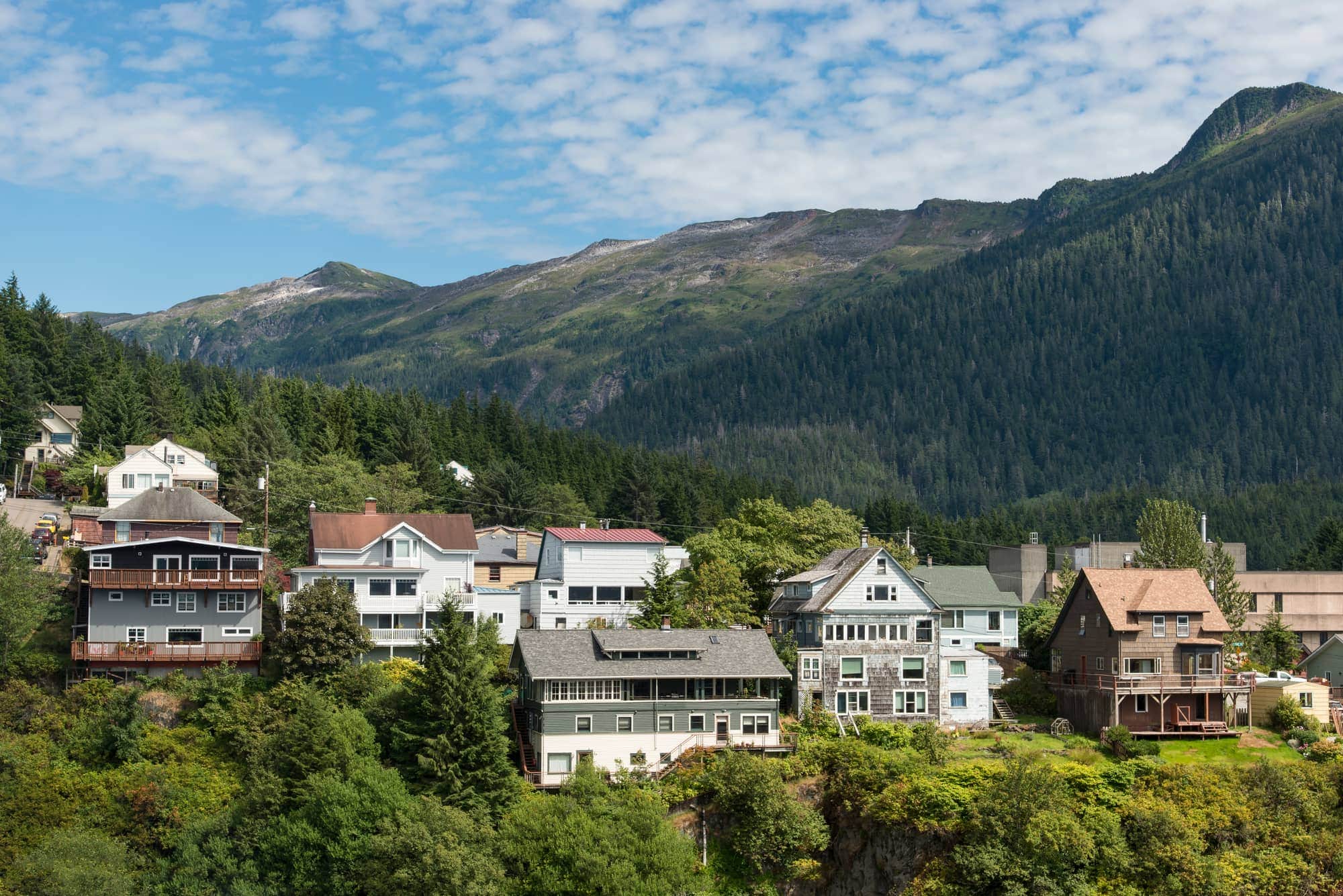
Juneau, the capital of Alaska, is unique as it’s only accessible by air or sea, giving it an island-like feel despite being on the mainland. This isolation fosters a strong sense of community and self-reliance among its residents. The city’s economy is primarily driven by state government, tourism, and fishing. Living in Juneau means embracing a lifestyle surrounded by lush rainforests, towering mountains, and the waters of Gastineau Channel. Outdoor activities are central to life here, including hiking to glaciers like Mendenhall Glacier, kayaking, fishing, and whale watching. The mild, rainy climate provides a perpetual green landscape, contrasting with the interior’s extremes. Housing can be limited and expensive due to the challenging terrain and finite developable land. However, the unparalleled natural beauty, vibrant arts scene, and close-knit community make Juneau a desirable location for those seeking a tranquil, scenic lifestyle where nature is an integral part of daily life.
Southeast Alaska: Remote Island Living
Beyond Juneau, communities like Ketchikan, Sitka, and Petersburg offer even more intimate and maritime-focused lifestyles within Southeast Alaska. These towns are often nestled on islands or narrow strips of land, making fishing, logging, and tourism the cornerstones of their economies. Residents here enjoy a slower pace of life, strong community bonds, and a deep connection to the ocean. Ketchikan is famous for its salmon fishing and extensive collection of Native Alaskan totem poles, offering a culturally rich environment. Sitka, with its Russian heritage and stunning volcanic backdrop, provides a blend of history and natural beauty. For families or individuals seeking a close-knit community where everyone knows their neighbors and local events are paramount, these towns are ideal. Access to goods and services is more limited than in urban centers, and reliance on the Alaska Marine Highway System (ferry) is a part of daily life. This lifestyle suits those who value self-sufficiency, outdoor adventure, and a strong sense of belonging in a truly unique environment.
Frontier Spirit: Wilderness Access and Rural Independence
For the most adventurous and self-reliant, Alaska offers numerous small towns and remote areas that embody the state’s frontier spirit. These locations provide unparalleled access to wilderness and foster a lifestyle of independence and resourcefulness.
Kenai Peninsula: Adventure on Your Doorstep
The Kenai Peninsula is a microcosm of Alaska’s diverse landscapes, offering a lifestyle rich in outdoor activities and natural beauty. Towns like Homer, known as the “Halibut Fishing Capital of the World,” and Seward, a gateway to Kenai Fjords National Park, attract residents seeking an active, nature-centric life. The Peninsula offers year-round opportunities for fishing, hunting, hiking, kayaking, and wildlife viewing. The economy is largely driven by commercial fishing, tourism, and oil and gas. Housing options vary from quaint cabins to modern homes, often with stunning views of Kachemak Bay or the mountains. While amenities are more limited than in Anchorage, the communities are vibrant and self-sufficient, with strong local businesses and public services. This region appeals to those who dream of a lifestyle where epic adventures are a daily possibility, from dip-netting for salmon in the Kenai River to exploring glaciers.
Interior Outposts: Off-Grid and Community-Focused
Venturing further into Alaska’s interior reveals communities like Talkeetna or those along the Yukon River that offer a distinctly off-grid or semi-off-grid lifestyle. These areas are for individuals and families truly committed to self-sufficiency, a deep connection with nature, and a willingness to embrace challenges. Economic opportunities are often tied to subsistence living, trapping, small-scale tourism, or specialized trades. Access to modern conveniences can be limited, with reliance on well water, septic systems, and sometimes generator power. The communities are typically very small, fostering extremely close relationships and a reliance on mutual aid. Residents here must be prepared for extreme cold, limited infrastructure, and long distances to major services. However, the rewards include unparalleled solitude, breathtaking natural beauty, a profound sense of independence, and the unique experience of living in harmony with one of the world’s last great wildernesses. This lifestyle is best suited for resilient individuals with practical skills and a profound love for the remote outdoors.
Essential Considerations for Alaskan Living
Regardless of the chosen location, moving to Alaska requires careful consideration of several practical aspects that significantly impact one’s lifestyle.
Climate and Preparedness
Alaska’s climate varies dramatically by region, from the relatively mild and wet Southeast to the extremely cold and dry Interior. Residents must invest in high-quality cold-weather gear, learn about winter driving techniques, and often prepare homes for long heating seasons. Understanding the impact of extended daylight in summer and prolonged darkness in winter on personal well-being is also crucial. Preparedness for power outages, especially in rural areas, and self-reliance skills are invaluable.
Cost of Living and Employment
The cost of living in Alaska is generally higher than the national average, particularly for groceries, utilities, and transportation due to import costs and geographical challenges. However, the absence of state income and sales taxes can provide some financial relief. Researching local job markets and securing employment before relocating is highly recommended. Key industries include oil and gas, fishing, tourism, healthcare, military, and government. Wages are often higher than in the lower 48 states to compensate for the increased living expenses.

Community and Connectivity
Alaskan communities, regardless of size, are known for their strong bonds and welcoming spirit, often necessitated by shared experiences and challenges. Engaging with local events, volunteering, and participating in outdoor activities are excellent ways to integrate. While internet and cell service are widely available in urban centers, connectivity can be limited or expensive in more remote areas. Assessing personal needs for social interaction and technological access is an important step in choosing the right place to live. Ultimately, living in Alaska is more than just choosing a place; it’s embracing a distinctive way of life that values resilience, community, and the unparalleled majesty of the natural world.
LifeOutOfTheBox is a participant in the Amazon Services LLC Associates Program, an affiliate advertising program designed to provide a means for sites to earn advertising fees by advertising and linking to Amazon.com. Amazon, the Amazon logo, AmazonSupply, and the AmazonSupply logo are trademarks of Amazon.com, Inc. or its affiliates. As an Amazon Associate we earn affiliate commissions from qualifying purchases.