
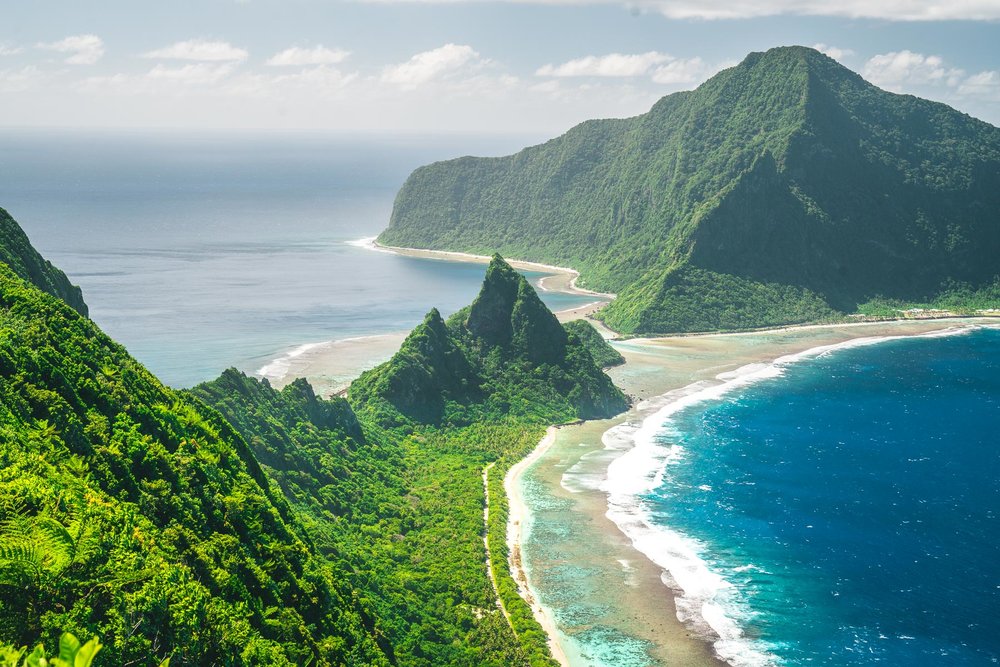
American Samoa, a serene and culturally rich U.S. territory in the South Pacific, often sparks curiosity among potential travelers regarding its safety. Nestled amidst pristine coral reefs, lush rainforests, and vibrant villages, this tropical haven is largely considered a very safe destination for visitors. Its unique blend of traditional Samoan culture, stunning natural beauty, and a strong sense of community contributes to an environment where travelers can generally feel at ease. Understanding the local nuances, adhering to cultural norms, and exercising standard travel precautions will ensure a rewarding and secure experience in this tranquil paradise.
Understanding American Samoa’s Safety Profile
When assessing the safety of any travel destination, several factors come into play, including crime rates, natural hazards, and overall stability. American Samoa stands out in many respects as a remarkably safe place. Its remote location, close-knit communities, and deep-seated cultural values contribute significantly to its peaceful atmosphere.
Low Crime Rates and Community Spirit
Compared to many other global destinations, including parts of the United States mainland, American Samoa boasts exceptionally low crime rates. Violent crime is rare, and property crime, while present, is not a significant concern for most visitors, especially when exercising common sense precautions like not leaving valuables unattended. The strength of the Samoan family unit (aiga) and the village system, guided by the Fa’a Samoa (the Samoan Way), fosters a collective responsibility for well-being and security. Visitors often describe feeling a profound sense of community and hospitality, where locals are genuinely welcoming and eager to assist. This strong social fabric acts as a natural deterrent to crime, making interactions generally friendly and trustworthy. The capital, Pago Pago, on the island of Tutuila, is the most developed area and even there, the pace of life remains slow, and the atmosphere, calm.
Natural Hazards and Preparedness
While human-induced threats are minimal, travelers to American Samoa should be aware of potential natural hazards inherent to any tropical island nation. The region is susceptible to tropical storms and cyclones, particularly during the wet season from November to April. Earthquakes and tsunamis, though infrequent, are also possibilities due to the territory’s location in the Pacific Ring of Fire. The local government and emergency services are equipped with protocols for these events, and visitor accommodations typically have emergency plans in place. Staying informed about weather forecasts, heeding local advisories, and knowing the nearest evacuation routes for tsunamis (marked by signs in coastal areas) are prudent measures. Additionally, the tropical environment can present challenges such as strong ocean currents, jellyfish, and certain endemic insects. Being mindful of these natural elements, wearing appropriate sun protection, and staying hydrated are crucial for a safe and enjoyable trip.
Navigating Public Safety and Local Customs
A key aspect of safe and respectful travel in American Samoa involves understanding and respecting local customs and public safety norms. The Fa’a Samoa guides daily life, and adhering to its principles not only demonstrates respect but also ensures smoother interactions and a safer experience.
Respecting Fa’a Samoa and Village Protocol
The Fa’a Samoa is the heart and soul of American Samoa. It encompasses a traditional way of life, language, customs, and respect for elders and communal values. Visitors are expected to dress modestly, especially when passing through villages or attending church services. This means covering shoulders and knees. It is also customary to remove shoes before entering a fales (traditional open-sided homes) or a church. Sundays are observed as a day of rest and worship; most businesses close, and engaging in loud activities or swimming during sà (the evening prayer curfew, usually around dusk) is considered disrespectful. Before entering private property or swimming in village waters, it’s polite to seek permission from the village chief or mayor (pulenu’u). By embracing these customs, travelers not only show respect but also endear themselves to the local community, fostering positive and safe interactions.
Road Safety and Transportation
Driving in American Samoa presents its own set of considerations. While the main roads on Tutuila are generally paved, some can be narrow, winding, and poorly lit in rural areas. Speed limits are low, and drivers should be prepared for pedestrians, free-roaming dogs, and children playing near the road. Rental cars are available, but many visitors opt for the colorful, privately operated Aiga buses, which are a cultural experience in themselves. These buses run on flexible schedules and are a safe, affordable way to get around, though they can be crowded. Taxis are also available, particularly in Pago Pago and near the airport. When using any form of transport, it’s advisable to ensure doors are locked and windows rolled up, especially at night. For those who choose to walk or cycle, vigilance is key, particularly on roads without sidewalks.
Health Precautions for Travelers
No specific vaccinations are required for entry into American Samoa, but it’s always wise to be up-to-date on routine immunizations. Dengue fever, a mosquito-borne illness, is endemic to the region, especially during the rainy season. Travelers should take precautions against mosquito bites, such as using insect repellent, wearing long sleeves and pants, and sleeping under mosquito nets if available. Tap water is generally safe to drink in most areas, but bottled water is widely available for those who prefer it. The main hospital, Lyndon B. Johnson Tropical Medical Center in Faga’alu, provides comprehensive medical services. For minor ailments, local pharmacies are well-stocked. It’s always recommended to travel with a basic first-aid kit and to have comprehensive travel insurance that covers medical emergencies and evacuation.
Exploring American Samoa Safely
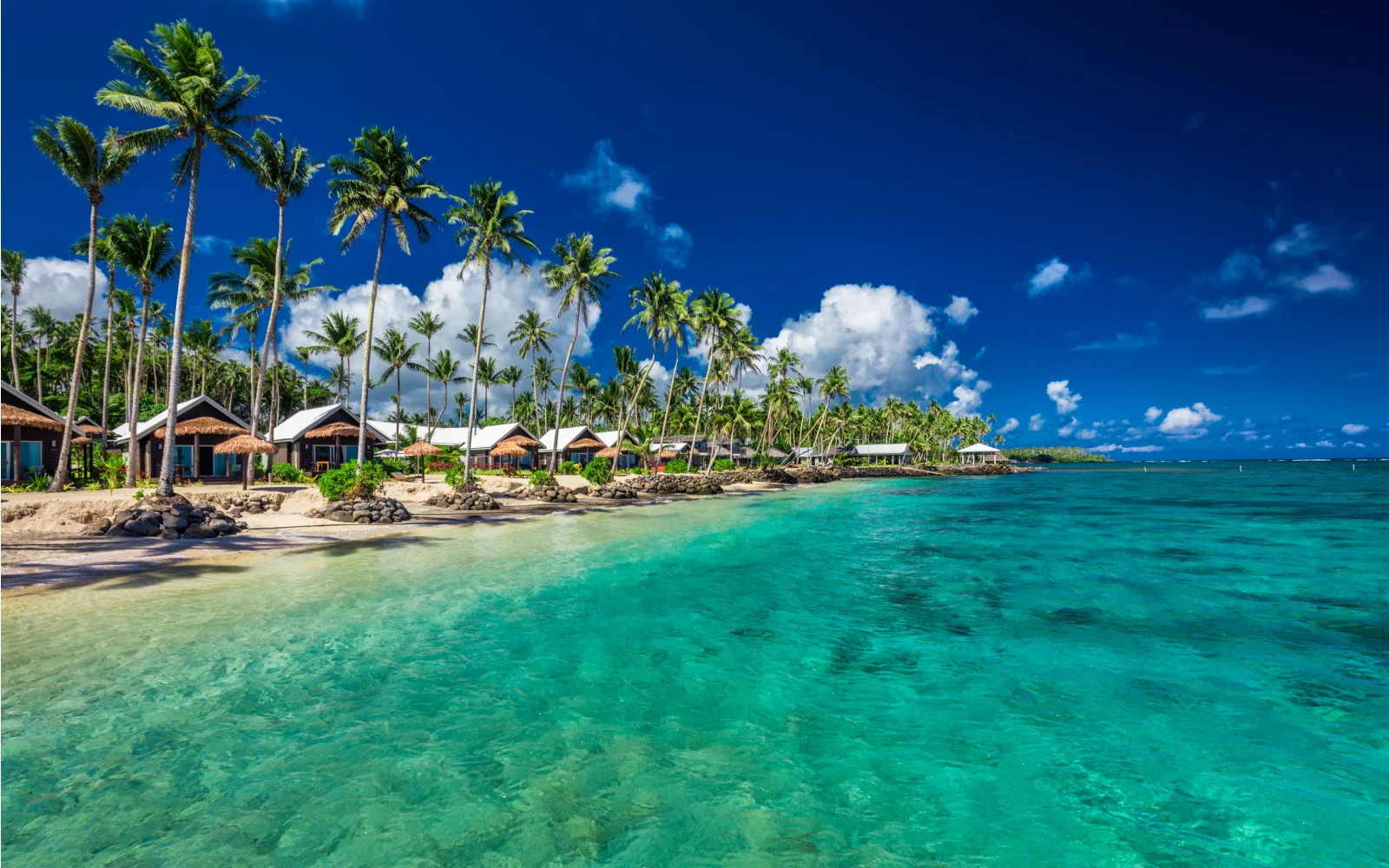
The true allure of American Samoa lies in its unspoiled natural landscapes and vibrant marine life. Exploring these wonders safely requires awareness of the specific environments and activities.
National Park of American Samoa and Outdoor Adventures
The National Park of American Samoa spans portions of Tutuila, Ofu, and Ta’u, offering incredible opportunities for hiking, birdwatching, and exploring pristine beaches. When venturing into the park or other natural areas, it’s essential to stay on marked trails to avoid getting lost or disturbing sensitive ecosystems. Hiring a local guide, especially for more challenging hikes or exploring less-traveled areas, can enhance safety and provide valuable insights into the local flora, fauna, and cultural significance of the sites. Remember to carry plenty of water, wear sturdy footwear, and protect yourself from the sun. Inform someone of your hiking plans and expected return time, particularly if you’re exploring remote sections of the islands.
Water Safety and Marine Activities
The warm, clear waters surrounding American Samoa are perfect for snorkeling, diving, and swimming. However, ocean safety should always be a priority. Be aware of strong currents, especially near reef passages and during high tides. Only swim in designated areas or where locals indicate it is safe. For snorkeling and diving, check the condition of your equipment and consider going with experienced local operators. The Fagatele Bay National Marine Sanctuary and other marine protected areas offer incredible underwater vistas, but always remember to observe marine life without touching or disturbing it. Be cautious of sharp coral and certain marine creatures that can sting or bite. Wearing reef shoes can protect your feet from cuts and potential hazards.
Solo Travel and Female Travelers Considerations
American Samoa is generally a safe destination for solo travelers, including women. The pervasive community spirit and respectful nature of the Samoan people mean that harassment is rare. However, exercising the same common-sense precautions as you would anywhere else is always advised. This includes avoiding walking alone in isolated areas at night, informing someone of your whereabouts, and being mindful of your personal belongings. Dressing modestly, as per the Fa’a Samoa, will also help ensure respectful interactions, particularly in more traditional village settings. Engaging with locals is encouraged, as they are often eager to share their culture and offer assistance, further enhancing the safety net for solo adventurers.
Practical Safety Tips for Your Visit
Beyond general awareness, a few practical tips can significantly enhance your safety and peace of mind while traveling through American Samoa.
Emergency Services and Medical Facilities
In case of an emergency, the general emergency number in American Samoa is 911 for police, fire, and ambulance services. The primary medical facility is the Lyndon B. Johnson Tropical Medical Center in Faga’alu, which is capable of handling most medical needs. For very serious or specialized conditions, medical evacuation to Hawaii or the U.S. mainland might be necessary, underscoring the importance of comprehensive travel insurance. It’s wise to carry a list of important phone numbers, including your accommodation, emergency contacts, and the local consulate or embassy information, if applicable.
Protecting Valuables and Personal Belongings
While crime rates are low, opportunistic theft can occur anywhere. It’s prudent to take standard precautions: avoid flaunting expensive jewelry or electronics, keep cash and credit cards securely stored, and never leave valuables unattended on beaches or in unlocked vehicles. Most accommodations offer in-room safes, which should be utilized. When out and about, carry only what you need and be mindful of your surroundings, especially in more crowded areas like markets in Pago Pago.

Staying Informed and Prepared
Before and during your trip, stay updated on local news, weather forecasts, and any travel advisories issued by your home country’s government. Enroll in any traveler registration programs offered by your embassy (e.g., the Smart Traveler Enrollment Program (STEP) for U.S. citizens). Familiarize yourself with the layout of your accommodation and the nearest emergency exits. Keeping a charged cell phone and a portable power bank is also recommended, especially when exploring remote areas. A little preparation goes a long way in ensuring a safe and enjoyable journey.
In conclusion, American Samoa is a wonderfully safe and welcoming destination. By respecting its unique culture, being mindful of natural elements, and practicing general travel safety, visitors can immerse themselves in the unparalleled beauty and genuine hospitality of this hidden gem in the Pacific.
LifeOutOfTheBox is a participant in the Amazon Services LLC Associates Program, an affiliate advertising program designed to provide a means for sites to earn advertising fees by advertising and linking to Amazon.com. Amazon, the Amazon logo, AmazonSupply, and the AmazonSupply logo are trademarks of Amazon.com, Inc. or its affiliates. As an Amazon Associate we earn affiliate commissions from qualifying purchases.