
The vast, diverse landscapes of Arizona are often associated with iconic saguaro cacti, red rock formations, and the immense chasm of the Grand Canyon National Park. However, many travelers are surprised to discover that the Grand Canyon State is also home to a robust and thriving population of majestic elk. Indeed, these magnificent creatures are not just present; they are an integral part of Arizona’s natural heritage and a significant draw for wildlife enthusiasts, photographers, and adventurers seeking an unforgettable experience.
The Majestic Presence of Elk in the Grand Canyon State
Contrary to popular belief that elk are solely creatures of the Rocky Mountains, Arizona harbors one of the largest herds of Rocky Mountain elk in the contiguous United States. Their presence in the state dates back centuries, though their numbers dwindled significantly by the early 20th century due to overhunting and habitat loss. A successful reintroduction program initiated in 1913, bringing elk from Wyoming and Colorado to areas like the Kaibab National Forest, revitalized the population. Today, thanks to dedicated conservation efforts by the Arizona Game and Fish Department and other agencies, elk flourish across millions of acres of suitable habitat.
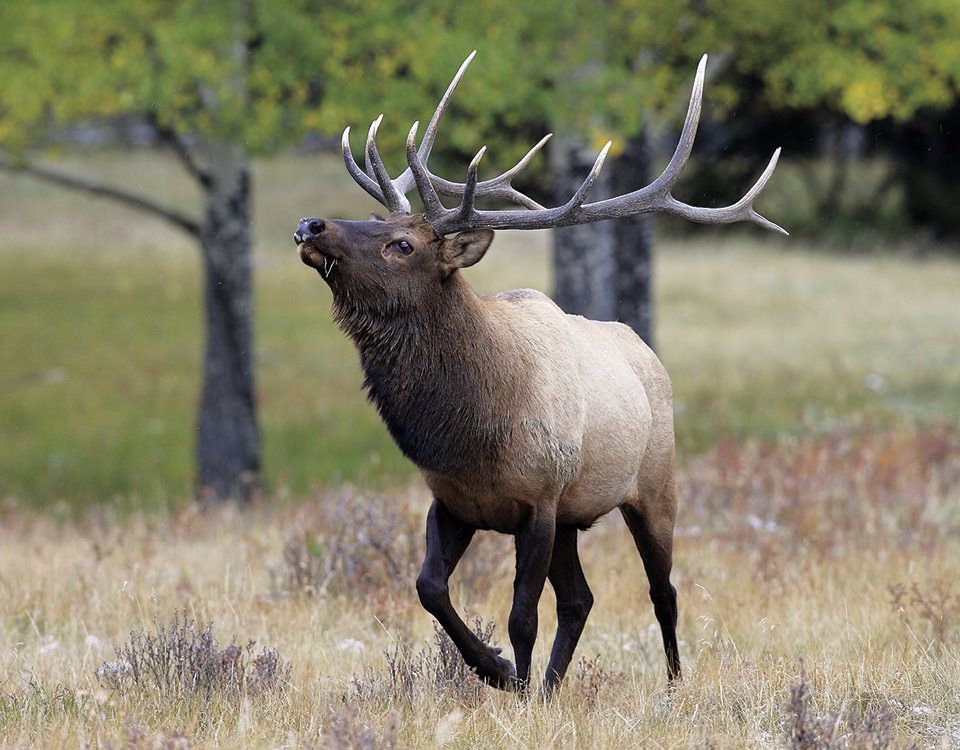
Arizona’s diverse ecosystems provide an ideal environment for elk. The high-elevation forests, vast grasslands, and abundant water sources found primarily in the northern and eastern parts of the state offer everything these large ungulates need to thrive. From the ponderosa pine forests that blanket the Mogollon Rim to the aspen groves of the White Mountains, elk find ample forage, cover, and breeding grounds. The state’s varied topography means that while some areas offer permanent residence, others serve as crucial seasonal migration corridors, allowing herds to move between summer feeding grounds at higher elevations and winter ranges at lower, snow-free levels.
Prime Destinations for Elk Viewing in Arizona
For those eager to witness these grand animals in their natural habitat, Arizona offers several prime locations that promise incredible viewing opportunities. Understanding where and when to look can significantly enhance your chances of a successful encounter.
The White Mountains and Mogollon Rim
The expansive forests of the White Mountains and the dramatic escarpment of the Mogollon Rim are arguably the best places in Arizona to see elk. These areas, characterized by dense ponderosa pine, spruce, and aspen forests, interspersed with lush meadows, are critical summer and fall habitats.
- Pinetop-Lakeside, Show Low, and Greer: These charming mountain towns serve as excellent bases for elk viewing excursions. The surrounding areas, including the Apache-Sitgreaves National Forests and the Fort Apache Indian Reservation, are teeming with elk. Visitors often spot herds grazing in open meadows at dawn and dusk.
- Sitgreaves National Forest: Encompassing a large portion of the Mogollon Rim, this forest offers numerous forest roads and trails where elk can be observed. Specific popular spots include the areas around Chevelon Canyon and Willow Springs Lake.
The best times to visit these areas are late spring through fall. The fall rut (mating season), typically from mid-September to mid-October, is particularly spectacular, as bull elk bugle loudly to attract mates and challenge rivals, creating an unforgettable auditory experience.
Flagstaff and Surrounding Forests
The high-altitude city of Flagstaff, nestled among the world’s largest ponderosa pine forest, is another hotspot for elk activity. Its proximity to several national forests makes it an ideal launchpad for wildlife viewing.
- Kaibab National Forest and Coconino National Forest: These vast forests surrounding Flagstaff are crucial habitats for elk. Areas particularly known for sightings include the grasslands north of Flagstaff towards the Grand Canyon and the eastern slopes of the San Francisco Peaks. Driving scenic routes or exploring forest service roads can lead to encounters.
- Williams: Often referred to as the “Gateway to the Grand Canyon,” the town of Williams and its surrounding areas, including Cataract Lake, are also excellent places to spot elk, especially during early morning or late evening drives.
North Rim of the Grand Canyon
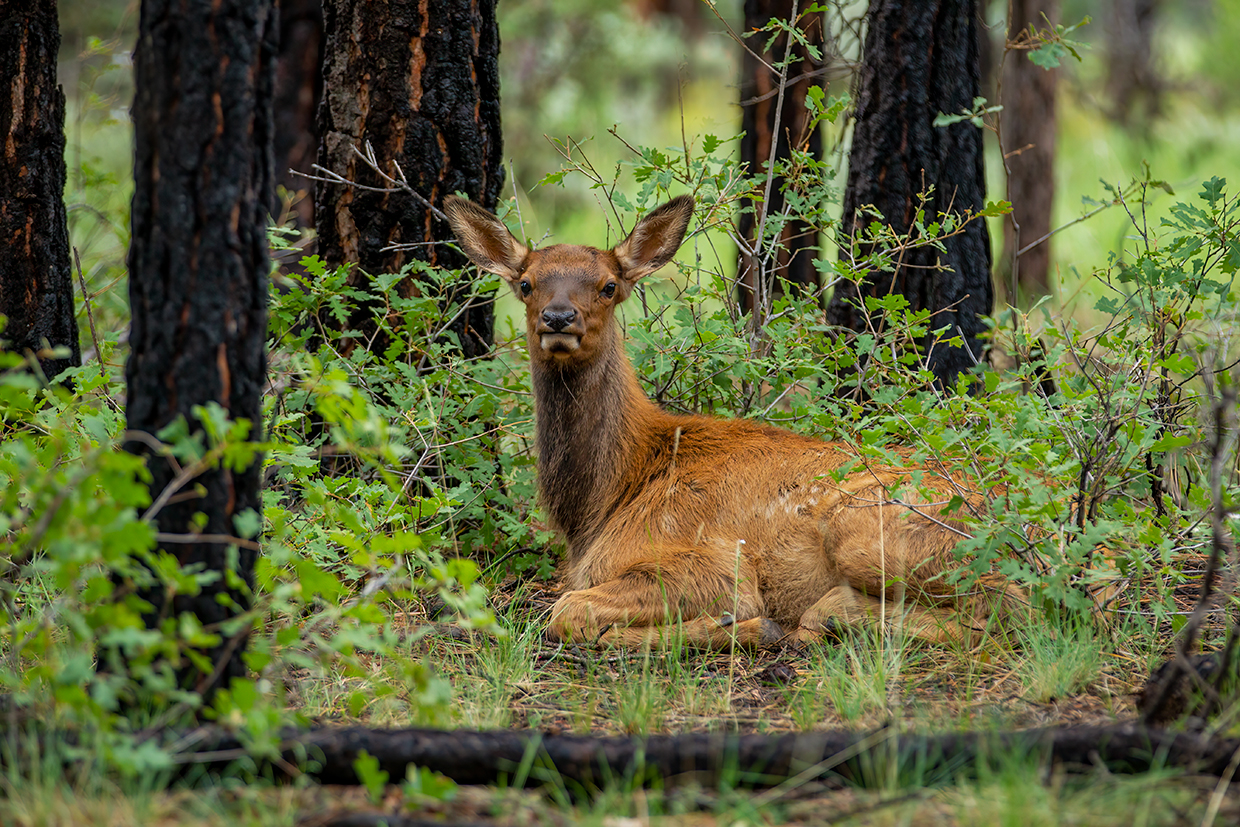
While elk are sometimes seen on the South Rim, the less visited North Rim of the Grand Canyon National Park offers a more pristine and often more fruitful elk viewing experience. The dense forests and meadows leading up to the rim provide ideal habitat. Due to its higher elevation, the North Rim is only accessible seasonally, typically from mid-May to mid-October, coinciding perfectly with prime elk viewing conditions.
Other Notable Areas
- Prescott National Forest: While perhaps not as densely populated as the eastern forests, the higher elevations within the Prescott National Forest also support elk populations, particularly around the Bradshaw Mountains.
Best Practices for an Unforgettable Elk Encounter
To maximize your chances of seeing elk and ensure a safe, respectful, and memorable experience, consider these best practices.
Timing Your Visit
- Dawn and Dusk: Elk are crepuscular, meaning they are most active during the twilight hours of dawn and dusk. This is when they move from resting areas to feeding grounds, making them easier to spot.
- The Rutting Season (Fall): As mentioned, the fall rut (September to October) is a phenomenal time to witness bull elk bugling, sparring, and herding their harems. The sounds alone are an incredible experience.
- Winter: During heavy snow years, elk may descend to lower elevations in search of food, potentially making them easier to spot near roadsides or in open fields, though accessing these areas might be challenging.
Essential Gear for Wildlife Enthusiasts
Being prepared can make all the difference in your viewing experience.
- Binoculars or a Spotting Scope: These are invaluable for observing elk from a safe distance without disturbing them, allowing you to appreciate their size, color, and behavior.
- Camera with a Telephoto Lens: If photography is your goal, a good zoom lens will help capture stunning images without intruding on the animals’ space.
- Appropriate Clothing: Dress in layers suitable for varying mountain temperatures, which can change rapidly. Sturdy, comfortable hiking boots are also advisable.
- Navigation Tools: Maps or a GPS device are crucial, especially when exploring less-traveled forest roads.
- Water and Snacks: Always carry enough provisions, particularly if you plan to spend several hours in remote areas.
Respecting Wildlife and Their Habitat
Responsible wildlife viewing is paramount for the safety of both observers and animals.
- Maintain a Safe Distance: Elk are large, powerful animals, especially bull elk during the rut or cows with calves. Always keep a safe and respectful distance (at least 25 yards, or more if they appear agitated) to avoid stressing them or putting yourself at risk.
- Never Feed Wild Animals: Feeding elk habituates them to humans, which can lead to aggressive behavior and is detrimental to their natural foraging instincts and health.
- Minimize Noise and Movement: Be quiet and move slowly and deliberately to avoid startling the animals. Sudden movements or loud noises can cause them to flee.
- Stay on Marked Trails: This helps protect sensitive habitats and ensures your safety.
- Leave No Trace: Pack out everything you pack in, and leave the environment as you found it.
Beyond Viewing: The Role of Elk in Arizona’s Ecosystem and Economy
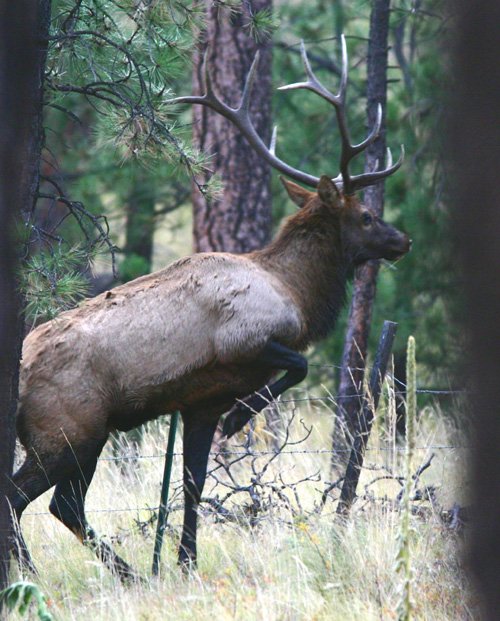
The presence of elk in Arizona extends beyond being a captivating sight for travelers; it plays a vital role in the state’s ecological balance and contributes significantly to its economy. As large grazers, elk influence plant communities, helping to maintain healthy grasslands and forests. They also serve as a critical food source for predators such as mountain lions and black bears, contributing to the overall biodiversity of the ecosystem.
Economically, elk are a cornerstone of Arizona’s wildlife tourism and outdoor recreation sectors. Wildlife viewing brings in countless visitors annually, boosting local economies in towns like Pinetop-Lakeside, Flagstaff, and Greer. Additionally, elk hunting, a tightly regulated activity, generates substantial revenue through license sales, which directly funds conservation programs and habitat management efforts by the Arizona Game and Fish Department. This ensures the continued health and sustainability of Arizona’s elk population for future generations to admire and appreciate.
In conclusion, the answer to “Are there elk in Arizona?” is a resounding yes. These magnificent animals thrive in the state’s higher elevations, offering unparalleled opportunities for travelers to connect with nature and witness a truly wild spectacle. With careful planning and respectful practices, an elk encounter in Arizona can be a highlight of any travel itinerary, cementing the state’s reputation as a diverse and breathtaking destination for wildlife adventure.
LifeOutOfTheBox is a participant in the Amazon Services LLC Associates Program, an affiliate advertising program designed to provide a means for sites to earn advertising fees by advertising and linking to Amazon.com. Amazon, the Amazon logo, AmazonSupply, and the AmazonSupply logo are trademarks of Amazon.com, Inc. or its affiliates. As an Amazon Associate we earn affiliate commissions from qualifying purchases.