
Planning a trip to the Grand Canyon State often involves more than just selecting picturesque destinations like the Grand Canyon or the vibrant city of Phoenix. Savvy travelers understand the importance of budgeting, and a significant component of that involves understanding the local tax landscape. For many visitors, the question “Does Arizona have a state tax?” is a fundamental inquiry that impacts everything from the cost of a hotel room in Sedona to the price of a souvenir in Old Town Scottsdale. The answer, in short, is yes, but the way it applies to visitors differs significantly from how it impacts residents. This guide will demystify Arizona’s tax structure, focusing on what travelers need to know to plan an informed and enjoyable journey.
Understanding Arizona’s Tax Landscape for Travelers
When considering the tax burden in Arizona, it’s crucial to differentiate between various types of taxes. While residents deal with income, property, and sales taxes, travelers primarily encounter sales tax and specific lodging taxes. Understanding these distinctions is key to accurate budgeting.
Income Tax
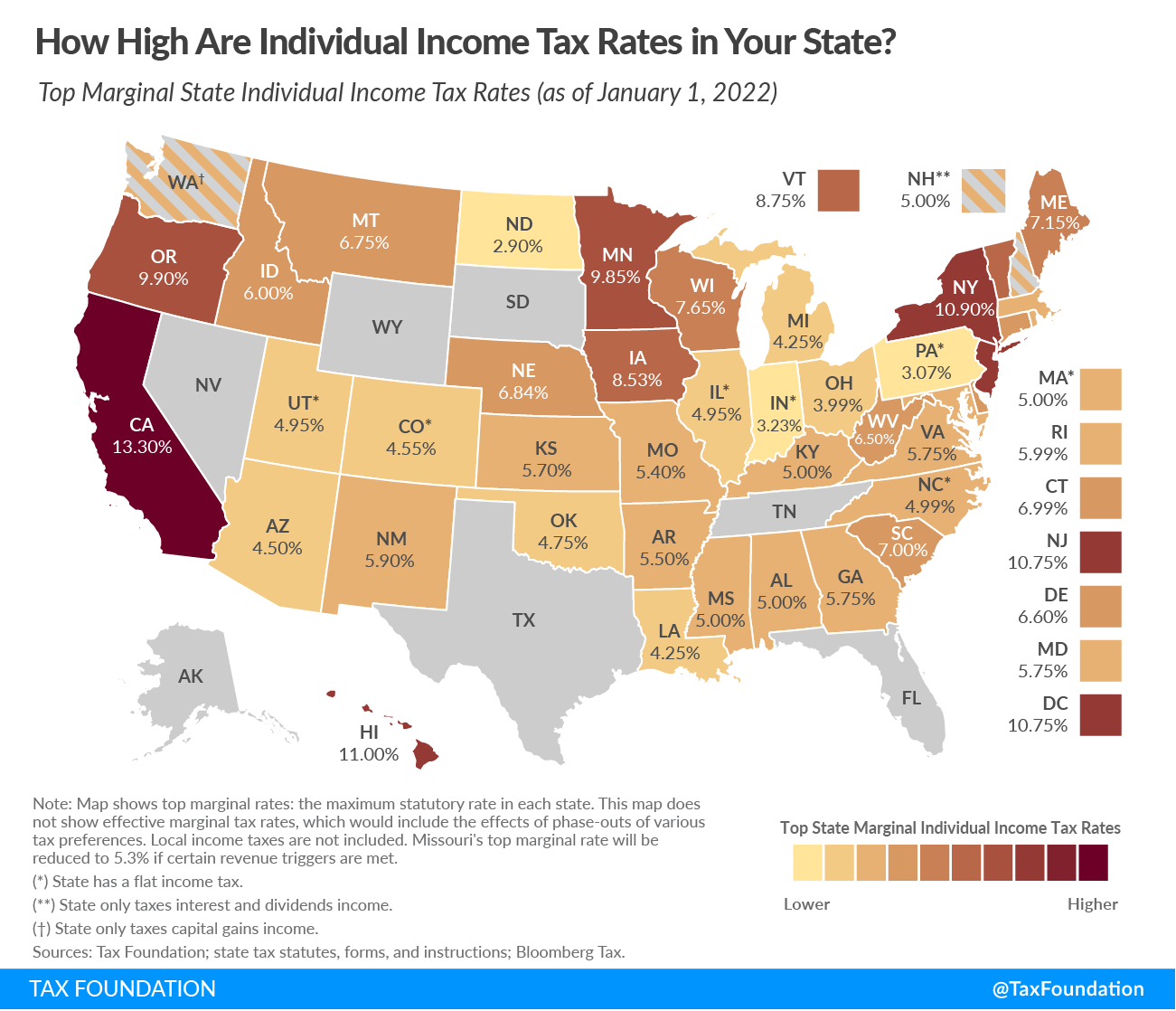
Yes, Arizona does levy a state income tax. However, for the vast majority of tourists and temporary visitors, this will not be a direct concern. State income tax primarily applies to income earned by individuals or businesses residing or operating within the state. Unless you are relocating for work, performing extensive contract work within Arizona, or earning income from sources within the state, state income tax is unlikely to affect your travel budget directly. Your regular employment income from your home state or country will not be subject to Arizona income tax during your visit. This is important to note as it often removes a significant financial worry for those merely passing through or vacationing.
Sales Tax (Transaction Privilege Tax)
This is perhaps the most relevant tax for any traveler to Arizona. What many states call “sales tax,” Arizona refers to as the Transaction Privilege Tax (TPT). While the name is different, its effect on consumers is largely the same as a sales tax. The TPT is levied on businesses for the privilege of doing business in the state, but it is typically passed on to the consumer as a separate line item on purchases.
The state’s TPT rate is currently 5.6%. However, this is just the baseline. What makes Arizona’s TPT particularly complex for travelers is that counties and individual cities can add their own rates on top of the state rate. This means the actual “sales tax” you pay can vary significantly depending on where you are in the state. For instance, a purchase made in Tucson will likely have a different total TPT rate than the same purchase made in Flagstaff or Mesa. These varying rates apply to most retail goods, restaurant meals, and many services, so it’s essential to factor this into your daily spending estimates.
Property Tax
Like income tax, property tax in Arizona is primarily a concern for residents and property owners. It is assessed on real estate and is used to fund local services such as schools, police departments, and infrastructure. As a traveler, you will not directly pay property taxes. However, it’s worth noting that property taxes can indirectly influence the cost of goods and services, as businesses may factor these expenses into their pricing. For the casual visitor, this is more of an underlying economic factor rather than a direct line item on a bill.
Other Taxes and Fees
Beyond the major categories, travelers to Arizona may encounter other specific taxes and fees:
- Lodging Tax: This is a crucial one for anyone staying overnight. In addition to the TPT, most cities and counties in Arizona impose an additional transient occupancy tax (or hotel tax) on hotel rooms, short-term rentals, and other forms of accommodation. This can significantly increase the nightly rate of your stay. For example, a hotel in Scottsdale will typically have the state TPT, the Maricopa County TPT, and the City of Scottsdale TPT, plus a separate lodging tax specific to accommodation. These can add up to 12-18% or even more to your bill, depending on the location. Always check the total price, including all taxes and resort fees, when booking.
- Rental Car Surcharges: If you plan to rent a car—a common choice for exploring vast areas like the Sonoran Desert or driving to Monument Valley—be aware of additional fees. Arizona imposes a rental car surcharge, which is typically a percentage of the rental price or a daily fee, often designated for sports and tourism infrastructure. This can add a noticeable amount to your rental agreement.
- Gasoline Tax: Like all states, Arizona levies a tax on gasoline. This is built into the per-gallon price you see at the pump, so you won’t see it as a separate charge, but it contributes to the overall cost of fuel for your road trip adventures to places like Petrified Forest National Park or Saguaro National Park.
The Impact of Arizona’s Taxes on Your Travel Budget
Understanding the types of taxes is one thing; comprehending their cumulative effect on your travel budget is another. Arizona’s tax structure, particularly its fragmented sales and lodging taxes, requires careful consideration when planning your expenses.
Accommodation Costs
This is where taxes will likely have the most significant impact on your budget. A nightly rate of $150 for a hotel might seem attractive, but with combined state, county, and city TPT, plus a lodging tax, the actual cost could easily climb to $170-$180 or more. These taxes apply to traditional hotels, motels, and increasingly, to short-term vacation rentals booked through platforms in cities like Tempe or Yuma. When comparing prices, always look for the “total price” including all taxes and fees to avoid surprises. Hidden resort fees, common in many Arizona resorts, are often added before taxes are calculated, further inflating the final cost.
Dining and Shopping
Whether you’re enjoying gourmet cuisine in Phoenix or picking up souvenirs from a local market near Lake Havasu City, the Transaction Privilege Tax will apply. While the percentage might seem small on individual purchases, it adds up quickly over the course of a trip. A $50 meal might incur an additional $4-6 in TPT depending on the locality. Factor this into your daily spending for food, drinks, and any retail therapy. Being aware of the varying rates between cities can also influence where you choose to make larger purchases, though the difference might be negligible for most travelers.
Rental Cars and Transportation
Beyond the base rental rate, the combination of TPT and specific rental car surcharges can make transportation costs higher than anticipated. When booking a rental car, look at the detailed breakdown of charges to see these additions. Fuel costs, already impacted by gasoline tax, will also be a factor, especially if you plan extensive drives to attractions like the Desert Botanical Garden or Papago Park. For those relying on ride-sharing services or taxis, these services are also subject to TPT, albeit often integrated into the fare rather than broken out.
Navigating Tax Exemptions and Reductions for Visitors
While most taxes are unavoidable for travelers, understanding some nuances can help. There are very few direct tax exemptions for typical tourists in Arizona, but certain scenarios or planning strategies can indirectly mitigate some costs.
Business Travel Considerations
For those traveling to Arizona for business, some expenses, including sales tax on goods and services, and lodging taxes, may be deductible on your business taxes, depending on your home country’s tax laws and your business’s accounting practices. Keep meticulous records of all receipts and expenses if this applies to you. However, this is a matter of post-trip financial management rather than an upfront reduction in what you pay in Arizona. Some organizations or government employees may have specific exemptions for lodging, but these are rare for general business travelers.
Long-Term Stays vs. Short-Term Visits
The tax implications can subtly shift if you’re planning an extended stay versus a typical short vacation. While short-term lodging (under 30 days) is consistently subject to all applicable TPT and lodging taxes, some jurisdictions might have different rules for stays exceeding 30 days, occasionally exempting them from certain transient occupancy taxes. If you are considering a month-long or longer stay, perhaps as a snowbird escaping winter, it is worth inquiring directly with your accommodation provider or checking local city ordinances in places like Tucson or Phoenix for potential long-term stay exemptions. However, this is not a universal rule and varies widely.
Key Takeaways for Planning Your Arizona Trip
To ensure a smooth and budget-friendly trip to Arizona, keep these key points in mind:
Budgeting for the Unexpected
Always add a buffer to your travel budget for taxes and fees. A general rule of thumb for Arizona might be to add 10-20% to your estimated costs for accommodation, dining, and rental cars to account for the various state, county, and city-level taxes, especially the lodging tax. This buffer will help absorb the impact of the Transaction Privilege Tax and other surcharges, preventing budget overruns and allowing you to fully enjoy attractions like the Heard Museum without financial stress.

Researching Local Tax Rates
Before finalizing bookings, especially for accommodation, research the specific TPT and lodging tax rates for your chosen destination cities within Arizona. Many city and county government websites provide this information. Knowing these rates upfront allows for a more accurate comparison of prices and helps you select options that align better with your financial plan. Don’t assume the tax rate will be the same across different cities; the variance can be significant.
In conclusion, while Arizona does have a state tax structure that includes income tax, property tax, and a Transaction Privilege Tax (sales tax), it’s the latter, combined with specific lodging and rental car surcharges, that travelers primarily need to consider. By understanding these components and budgeting accordingly, visitors can ensure a seamless and enjoyable experience exploring all the wonders the state has to offer.
LifeOutOfTheBox is a participant in the Amazon Services LLC Associates Program, an affiliate advertising program designed to provide a means for sites to earn advertising fees by advertising and linking to Amazon.com. Amazon, the Amazon logo, AmazonSupply, and the AmazonSupply logo are trademarks of Amazon.com, Inc. or its affiliates. As an Amazon Associate we earn affiliate commissions from qualifying purchases.