
Navigating Civic Life in the Grand Canyon State
Arizona, often hailed for its breathtaking natural beauty, from the majestic Grand Canyon to the vibrant red rocks of Sedona, offers more than just scenic vistas. For those drawn to the Grand Canyon State for an extended stay, contemplating relocation, or simply seeking a deeper understanding of its local fabric, grasping the nuances of civic engagement is as crucial as exploring its famous landmarks. Understanding local governance and participation is an integral part of truly experiencing a destination, moving beyond superficial tourism to a more embedded appreciation of the community’s rhythm. This guide delves into the specific requirements for voting in Arizona, offering insights that are particularly valuable for those considering making the state a temporary or permanent home, thereby enriching their travel experience.

Understanding Arizona’s Voter Landscape
The political landscape of Arizona is as diverse and dynamic as its geography, influencing everything from local policies in Phoenix and Tucson to state-level decisions affecting resource management and economic development. For individuals who immerse themselves in a destination, understanding how its residents participate in shaping its future can add profound layers to their overall experience. While transient visitors might focus solely on attractions like the Desert Botanical Garden or the vibrant arts scene in Scottsdale, those with a longer-term perspective—be it seasonal residents (“snowbirds”), digital nomads, or families contemplating a move—will find civic information highly relevant. The question of voter identification is not merely a legalistic detail but a cornerstone of democratic participation that reflects the state’s approach to electoral integrity and access. Knowing these requirements is a practical tip for anyone integrating into the Arizona way of life, much like understanding local traffic laws or cultural etiquette.
Beyond the Ballot Box: Civic Engagement for Travelers and Residents
Engaging with a destination’s civic processes extends beyond simply casting a vote. It encompasses understanding community meetings, local initiatives, and the mechanisms through which residents express their collective will. For a traveler committed to an immersive experience, observing or participating in these facets of local culture can provide unparalleled insights into the daily lives and concerns of Arizonans. Whether it’s attending a city council meeting in Flagstaff or understanding a proposed ballot measure, a deeper dive into the civic life of the state enhances one’s appreciation for its unique character. The requirement for identification to vote is one such specific detail that speaks volumes about the state’s civic priorities. It’s an essential piece of information for anyone who sees themselves as more than just a tourist, but rather a temporary resident or a potential future community member seeking to understand the destination holistically.
The Specifics: ID Requirements for Voting in Arizona
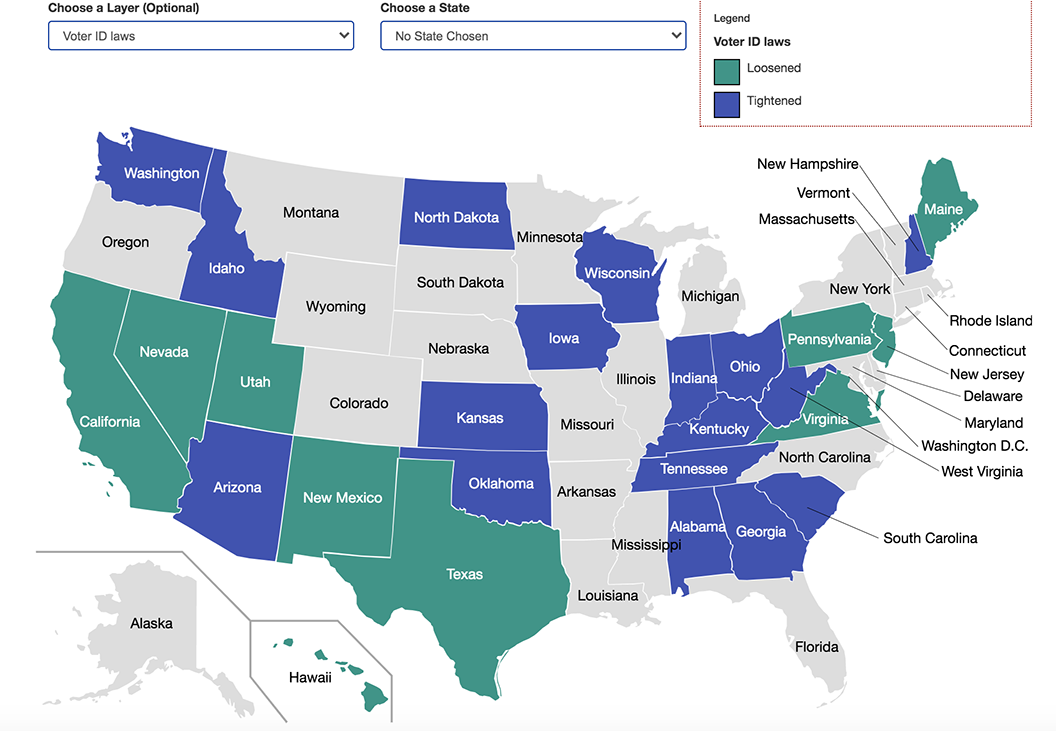
Yes, Arizona does require identification to vote in person. This is a crucial piece of information for anyone planning to participate in the state’s electoral process. Understanding these specific requirements is akin to knowing the entry requirements for a national park or the booking procedures for a popular resort. It’s a necessary step to ensure a smooth and successful engagement with the local system. The state’s laws are designed to ensure election integrity, and compliance is straightforward once you know what documents are accepted. This insight is particularly useful for individuals who might be new to the state, perhaps relocating from another part of the country where voter ID laws differ significantly, or for long-term visitors who establish residency for civic purposes.
Accepted Forms of Identification
When voting in person in Arizona, voters are typically asked to present identification. The accepted forms of ID fall into two primary categories:
-
List 1: Photo Identification with Name and Address: This is the most straightforward option. Examples include:
- An Arizona driver’s license.
- An Arizona non-operating identification card.
- A tribal enrollment card or other tribal identification.
- A U.S. passport.
- A U.S. military identification card.
- A picture identification card issued by the U.S. government or an Arizona county, city, or town.
- A valid U.S. federal, state, or local government-issued identification card that includes the voter’s name and photograph.
It’s important that the ID presented includes both the voter’s name and residential address matching the voter registration record. If the address on the photo ID does not match, a second form of ID from List 2 is required to confirm the address.
-
List 2: Two Forms of Non-Photo Identification with Name and Address: If you do not have a qualifying photo ID, you can present two different forms of non-photo identification that both bear your name and address. Examples include:
- A utility bill (from the last 90 days).
- A bank or credit union statement (from the last 90 days).
- A valid Arizona vehicle registration.
- An Indian census card.
- A tribal enrollment card or other tribal identification.
- A property tax statement of the voter’s residence.
- A recorder’s certificate.
- Voter registration card issued by the county recorder.
- Any other mailing to the voter from a governmental agency.
Crucially, both forms of identification must show the voter's name and address. This ensures that even without a photo, the voter's identity and residency are adequately confirmed. For those who are new to Arizona and might not yet have updated all their documentation, being aware of these alternatives is highly beneficial for seamless integration into the community.
Special Considerations for Absentee and Mail-in Ballots
While in-person voting has clear ID requirements, the process for mail-in ballots, which are highly popular in Arizona, operates differently. Arizona is one of the states that strongly encourages early voting by mail, with a significant portion of its electorate casting ballots this way. For mail-in ballots, identification is generally not required when returning the ballot itself. Instead, the primary security measure is signature verification. When you register to vote in Arizona, your signature is recorded. When you return a mail-in ballot, the signature on the affidavit envelope is compared against the signature on file with the county recorder, such as those in Maricopa County or Pima County. This system is designed to prevent fraud while facilitating convenient voting for all registered citizens, including those who may be temporarily out of state or simply prefer the convenience of voting from home. Understanding this distinction is vital for anyone planning their civic engagement during an extended stay in Arizona, allowing them to choose the voting method that best suits their needs.
The Broader Impact on Destination Experience
For travelers who venture beyond the typical tourist paths and seek a deeper connection with their chosen destination, understanding civic processes like voter identification laws becomes part of a richer, more nuanced experience. It’s about comprehending the societal framework that underpins the everyday life and culture of Arizona, much like appreciating its unique desert ecology or its diverse culinary scene. Knowledge of these requirements isn’t just for those planning to vote, but for anyone looking to truly understand the spirit of the state and its commitment to civic order.
Civic Participation and Local Community
The electoral process, including its ID requirements, is a reflection of a community’s values and priorities. In Arizona, the emphasis on secure voting practices shapes public discourse and policy. For someone spending an extended period in cities like Lake Havasu City, Mesa, or Glendale, observing or participating in local elections can offer profound insights into the issues that matter most to residents. This level of engagement transforms a simple visit into an educational journey, revealing the complexities and strengths of Arizona’s communities. It allows for a more informed perspective on local news, discussions, and the future trajectory of the destination.
Planning Your Extended Stay: What to Know Before You Go
For those considering an extended stay in Arizona, perhaps as a retiree, a remote worker, or someone exploring potential relocation, understanding voter ID laws is a pragmatic piece of a larger puzzle. Just as you would research housing options, healthcare facilities, or educational opportunities, knowing the requirements for civic participation helps you plan for a fully integrated life in the state. This foresight allows new arrivals to prepare the necessary documentation, ensuring they can participate in elections should they choose to establish residency. It’s a proactive step in becoming a part of the local fabric, ensuring that when the time comes to cast a ballot, the process is seamless and stress-free. Such preparedness contributes significantly to a smoother transition and a more fulfilling experience as a temporary or permanent resident of Arizona.
Exploring Arizona’s Diverse Electoral Processes
Beyond the ID requirement, Arizona’s electoral system is noteworthy for its various methods of participation, catering to a diverse populace spread across urban centers and rural landscapes. Understanding these options further enhances one’s comprehensive view of the state as a dynamic and accessible destination for residents and long-term visitors.
Early Voting and Election Day
Arizona offers robust early voting options, allowing registered voters to cast their ballots in person at designated early voting centers well before Election Day. This flexibility is a significant convenience, especially for those with busy schedules or who prefer to avoid potential crowds on the official election date. For individuals new to the state, familiarizing themselves with the locations and operating hours of these early voting centers in their respective counties, whether it’s Yavapai County or Cochise County, is part of effectively navigating the local system. On Election Day, polling places are open across the state, and voters must present the required identification as detailed earlier. This dual approach to voting—extensive mail-in options combined with in-person early and Election Day voting—reflects Arizona’s commitment to providing multiple avenues for civic engagement, an important aspect for any detailed travel guide on integrating into the state’s community.

Voter Registration and Residency
Before any ID is presented or ballot cast, individuals must be properly registered to vote. In Arizona, the deadline to register for an election is 29 days before that election. Unlike some other states, Arizona does not offer same-day voter registration. To register, individuals must be U.S. citizens, residents of Arizona, 18 years of age or older by the next general election, and not have been convicted of treason or a felony (unless civil rights have been restored). Establishing residency is a key component, which is relevant for many “travelers” who might be considering a longer-term stay. The act of registering to vote signifies a deeper commitment to a locale, transitioning from a mere visitor to an active participant in the local community. Understanding these registration rules is crucial for anyone planning to extend their stay and fully embrace the civic opportunities available in the Grand Canyon State, adding another layer to their comprehensive destination guide. It empowers them to become not just an observer, but a contributing member to the ongoing story of Arizona.
LifeOutOfTheBox is a participant in the Amazon Services LLC Associates Program, an affiliate advertising program designed to provide a means for sites to earn advertising fees by advertising and linking to Amazon.com. Amazon, the Amazon logo, AmazonSupply, and the AmazonSupply logo are trademarks of Amazon.com, Inc. or its affiliates. As an Amazon Associate we earn affiliate commissions from qualifying purchases.