
Embarking on a journey through the heart of Arizona often involves navigating between its most iconic destinations. For many travelers, the vibrant red rock country of Sedona and the cooler, pine-forested peaks of Flagstaff represent two distinct yet complementary experiences. Understanding the distance, drive time, and nuances of traveling between these two gems is crucial for crafting an unforgettable Arizona itinerary. This guide provides an in-depth look at the journey, highlighting the practicalities and the breathtaking experiences awaiting travelers.
The Scenic Route: Distance and Drive Time
The distance between Sedona and Flagstaff is not just a matter of miles; it’s a passage through a dramatic transition of landscapes. The primary route connecting these two cities is renowned for its beauty and the unique geographical shifts it offers.
The Direct Path
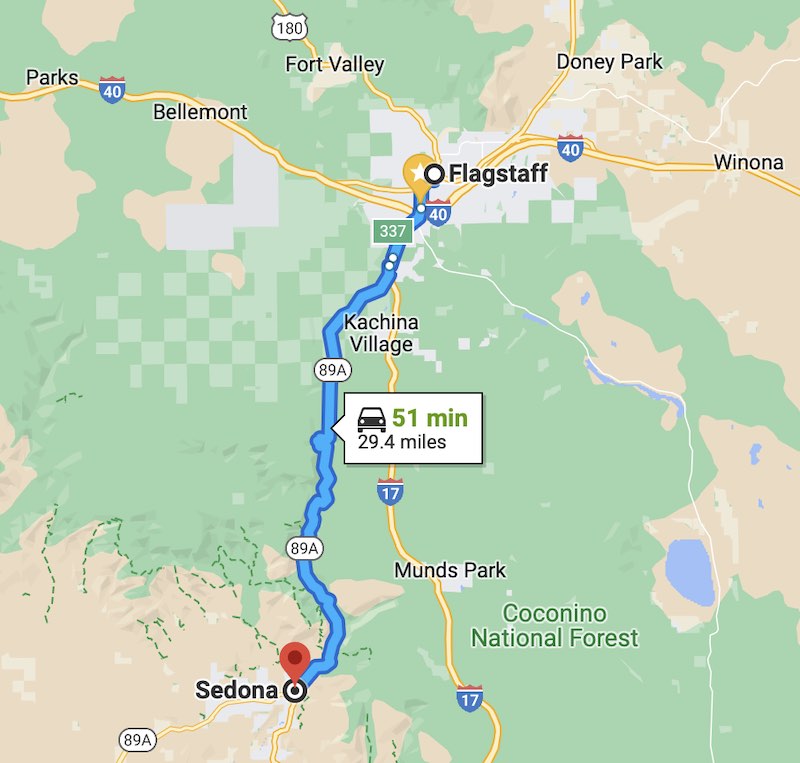
The most direct and popular route between Sedona and Flagstaff is via US-89A, also known as the Oak Creek Canyon Scenic Byway. This highway offers a picturesque journey rather than a utilitarian sprint. The approximate distance typically ranges from 30 to 35 miles (48 to 56 kilometers), depending on your exact starting point in Sedona and your destination in Flagstaff.
Under ideal conditions, without significant traffic or stops, the drive can take anywhere from 45 minutes to one hour. However, labeling it merely a 45-minute drive would be a disservice to the experience. The road itself is a destination, weaving through Oak Creek Canyon with numerous overlooks and opportunities for impromptu detours.
Factors Affecting Travel Time
While the base drive time is under an hour, several factors can significantly influence your actual travel duration:
- Traffic Congestion: US-89A can experience heavy traffic, particularly during peak tourist seasons (spring and fall), weekends, and holidays. The winding nature of the road and limited passing zones mean that even a slight increase in vehicle volume can slow things considerably. Exiting Sedona or entering Flagstaff during rush hour can add significant time.
- Weather Conditions: Arizona’s diverse climate plays a crucial role. During winter months, Flagstaff often receives heavy snowfall, which can lead to hazardous driving conditions, road closures, or the need for four-wheel drive and chains. Conversely, summer monsoon season can bring sudden, intense rain showers and flash flooding risks, particularly in the canyon areas, impacting visibility and road safety. Always check weather forecasts before departing.
- Road Construction: As with any popular route, maintenance and improvement projects can occur. Construction zones, even temporary ones, can introduce delays through lane closures or reduced speed limits.
- Scenic Stops and Overlooks: The most delightful “delay” is often self-imposed. The Oak Creek Canyon Scenic Byway is dotted with numerous pull-offs offering panoramic views of the red rocks and the lush canyon. Many travelers choose to stop, take photos, or even embark on a short hike, easily adding hours to the journey.
- Winding Roads and Speed Limits: The road through Oak Creek Canyon is characterized by sharp turns and steep grades, necessitating lower speed limits for safety. This isn’t a highway where you can simply set cruise control; it requires active driving and appreciation of the landscape.
A Journey Through Contrasting Landscapes
The drive from Sedona to Flagstaff is not just a commute; it’s a dramatic transition from one distinct ecological zone to another, offering a feast for the senses and a testament to Arizona’s natural diversity.
From High Desert to Ponderosa Pine
Beginning in Sedona, you are immersed in an iconic landscape dominated by towering sandstone formations, painted in hues of crimson and orange. The elevation here is around 4,500 feet (1,370 meters), characteristic of a high desert environment with arid-adapted flora like cacti, agave, and juniper. The air is often dry and warm, reflecting the intense southwestern sun.
As you ascend along US-89A through Oak Creek Canyon, the scenery gradually transforms. The red rocks begin to recede, giving way to a more verdant, forested landscape. The canyon floor itself is a riparian zone, supporting lush vegetation due to the constant presence of Oak Creek. As you climb higher, the desert scrub yields to dense forests of Ponderosa pine, aspen, and oak, typical of a mountain environment.
Reaching Flagstaff signifies a complete environmental shift. Situated at an elevation of about 7,000 feet (2,130 meters), Flagstaff is nestled at the base of the San Francisco Peaks, which include Humphreys Peak, Arizona’s highest point. Here, the air is crisp and cooler, and the scent of pine permeates the atmosphere. Snow is a common sight in winter, creating a distinctly alpine feel, a stark contrast to Sedona’s desert warmth. This remarkable change in topography, climate, and vegetation over such a short distance makes the drive a geological and botanical marvel.
Must-See Stops Along US-89A
The journey itself is an attraction, punctuated by numerous points of interest that invite travelers to pull over and explore.
- Oak Creek Canyon Scenic Byway: This stretch of US-89A is consistently ranked among the most beautiful drives in America. The road descends and then ascends steeply through the canyon, offering dramatic views around every bend. There are numerous designated scenic overlooks where travelers can stop, stretch their legs, and capture stunning photographs of the canyon walls and the creek below.
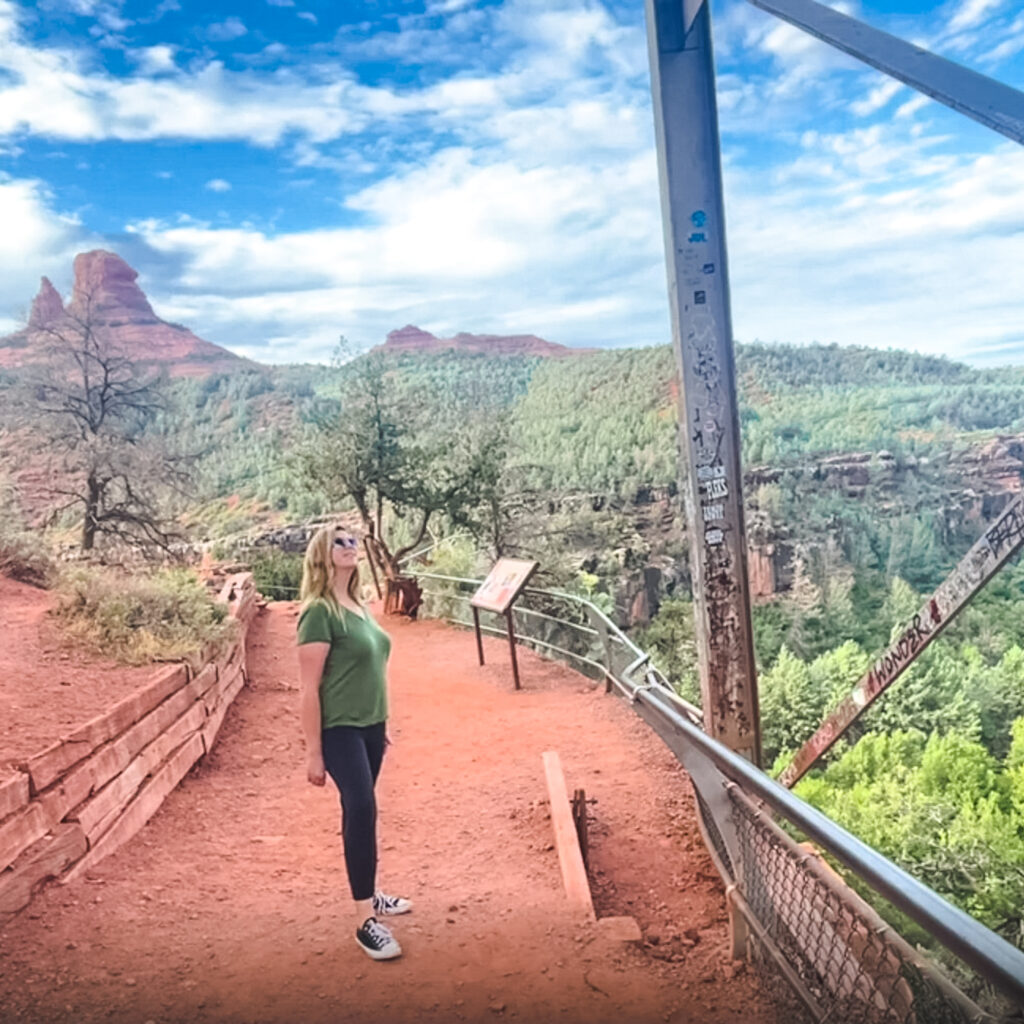
- Midgley Bridge: Located just north of Sedona, this iconic bridge offers breathtaking views of the canyon and Wilson Mountain. There’s a parking area and a short walking path nearby, making it an ideal spot for a quick photo opportunity and to appreciate the canyon’s grandeur.
- Slide Rock State Park: A popular destination, especially during warmer months, Slide Rock State Park offers a unique natural water slide formed by the slick creek bed of Oak Creek. Beyond the thrilling slide, the park provides opportunities for swimming, sunbathing, and picnicking amidst the lush canyon scenery. Access to the park often requires an entrance fee and can be crowded, so plan accordingly.
- Indian Gardens: As you drive through Oak Creek Canyon, you’ll pass through small communities and roadside stands. Indian Gardens, often referred to simply as “the Indian Gardens,” is a popular stop for its general store, coffee shop, and artisanal crafts, offering a quaint break in the journey.
Planning Your Trip: Day Trip or Extended Stay?
Deciding whether to visit Sedona from Flagstaff (or vice versa) as a day trip or to incorporate an overnight stay depends largely on your travel style, interests, and the depth of exploration you desire.
The Day Trip Perspective
A day trip between Sedona and Flagstaff is entirely feasible, given the relatively short distance. If you’re based in one city and wish to experience the highlights of the other, a day trip can be a rewarding option.
- From Flagstaff to Sedona: Start early to maximize your time. You could drive down US-89A, enjoy the scenic beauty, and arrive in Sedona by late morning. In Sedona, you could focus on a short, iconic hike (such as parts of Airport Mesa or Bell Rock Pathway), explore the art galleries and shops in Uptown Sedona, and perhaps enjoy lunch with a view. You would then head back to Flagstaff in the late afternoon.
- From Sedona to Flagstaff: Similarly, an early departure allows for ample time in Flagstaff. You could explore its historic downtown, visit Lowell Observatory, or if in winter, enjoy some snow activities near Arizona Snowbowl on the San Francisco Peaks. Lunch at one of Flagstaff’s breweries or restaurants would round out the experience before returning to Sedona.
The key to a successful day trip is efficient planning and prioritizing what you want to see most. Be prepared for less flexibility and a packed schedule.
Maximizing Your Experience with an Overnight Stay
For a truly immersive and relaxed experience, an overnight stay in each city is highly recommended. This allows you to delve deeper into the unique character of Sedona and Flagstaff without feeling rushed.
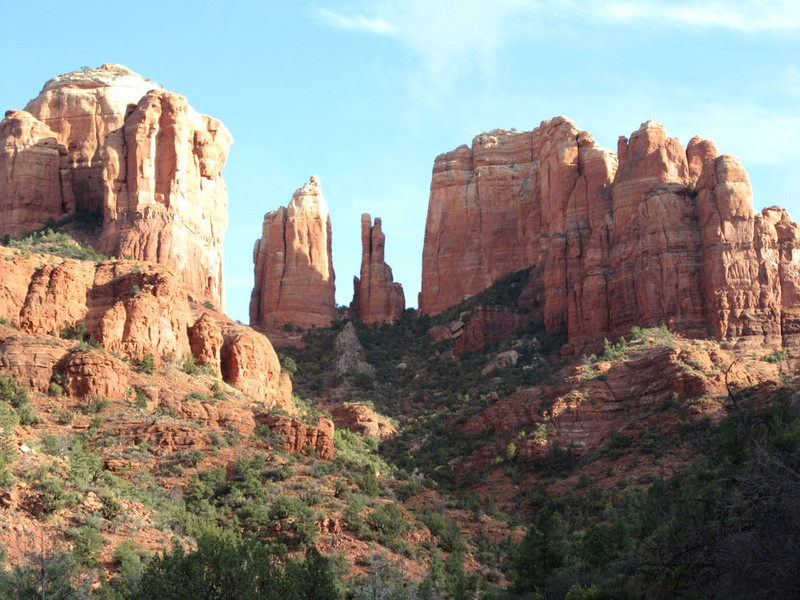
- Exploring Sedona More Deeply: An overnight stay in Sedona allows for more extensive hiking, such as tackling the trails to Cathedral Rock or Boynton Canyon, experiencing a full sunset or sunrise over the red rocks, and perhaps participating in a jeep tour or a spiritual vortex experience. You can savor the local cuisine, browse the unique art galleries, and enjoy the tranquil evenings.
- Discovering Flagstaff’s Charms: An overnight in Flagstaff means you can truly explore its historic Route 66 heritage, enjoy the vibrant craft beer scene, or spend more time at the Lowell Observatory for stargazing. During winter, it opens up opportunities for skiing or snowboarding. An extended stay also provides a great base for exploring other nearby attractions like the Grand Canyon or Walnut Canyon National Monument.
Splitting your time between the two offers the best of both worlds: Sedona’s spiritual and natural beauty, and Flagstaff’s mountain charm and historical significance.
Transportation Options Beyond Driving
While driving your own vehicle or a rental car offers the most flexibility and is by far the most popular option for this route, there are alternatives for those who prefer not to drive.
Shuttle Services
Several private shuttle services operate between Sedona and Flagstaff, primarily catering to tourists and residents traveling to or from Flagstaff Pulliam Airport (FLG) or needing transport between the two cities.
- Pros: Shuttles eliminate the need to navigate unfamiliar roads, deal with parking, or worry about weather conditions if you’re not comfortable driving in them. They offer a comfortable, often direct, mode of transport.
- Cons: Shuttle services operate on fixed schedules, which can limit your flexibility. They are also generally more expensive than the cost of gas for a private car, especially if traveling with multiple people. Booking in advance is usually required.
Ride-Sharing and Taxis
Ride-sharing services like Uber and Lyft are available in both Sedona and Flagstaff, as are traditional taxi services.
- Feasibility: It is possible to request a ride-share or taxi for the journey between the cities. However, securing a driver willing to make the entire trip, especially during off-peak hours or in less populated areas of Oak Creek Canyon, might be challenging.
- Cost Implications: The cost for a one-way trip via ride-share or taxi can be quite high due to the distance and the scenic, winding nature of the road. This option is typically considered less economical than a rental car or shuttle service unless it’s a last-minute necessity.
Public Transport Limitations
It’s important to note that there is no direct public bus or train service that connects Sedona and Flagstaff. Regional public transit systems primarily serve within their respective cities, meaning reliance on personal vehicles, shuttles, or ride-sharing is essential for inter-city travel along this route.
Essential Travel Tips for the Journey
To ensure a smooth and enjoyable trip between Sedona and Flagstaff, consider these practical tips.
Best Time to Visit
- Spring (March to May) and Fall (September to November): These seasons offer the most agreeable weather, with mild temperatures and clear skies, ideal for hiking and outdoor exploration in both Sedona and Flagstaff. Fall also brings stunning autumn foliage to Oak Creek Canyon and Flagstaff. These are also peak tourist seasons, so expect crowds and higher prices.
- Summer (June to August): While Sedona can be hot, Flagstaff offers a cooler escape. Summer afternoons often bring monsoon thunderstorms, so plan outdoor activities for the mornings. Slide Rock State Park is a popular summer destination.
- Winter (December to February): Sedona remains relatively mild, occasionally seeing light snow that quickly melts, creating a magical red rock landscape. Flagstaff becomes a winter wonderland, perfect for snow sports. Be prepared for potential road closures or difficult driving conditions on US-89A due to snow and ice.
What to Pack
Given the varied elevations and microclimates, layered clothing is essential.
- Layers: Pack items that can be easily added or removed, as temperatures can vary significantly between morning and afternoon, and between Sedona and Flagstaff.
- Sun Protection: Regardless of the season, the Arizona sun is intense. Bring sunscreen, a wide-brimmed hat, and sunglasses.
- Hydration: Always carry plenty of water, especially if you plan on hiking. Dehydration can occur quickly in the dry climate.
- Footwear: Comfortable hiking shoes or sturdy walking shoes are a must, even if you only plan for short walks to overlooks.
- Navigation: While cellular service is generally good, it can be spotty in parts of Oak Creek Canyon. Download offline maps or carry a physical map as a backup.
Local Etiquette and Safety
- Leave No Trace: Respect the natural environment. Pack out everything you pack in, stay on marked trails, and do not disturb wildlife or natural formations.
- Wildlife Awareness: Both areas are home to diverse wildlife, including deer, javelina, coyotes, and various birds. Drive carefully, especially at dawn and dusk.
- Stay Informed: Check local conditions, weather forecasts, and road closures before and during your trip, especially if traveling during winter or monsoon season.
The journey between Sedona and Flagstaff is much more than just covering a few dozen miles. It’s an adventure offering stunning scenery, distinct natural environments, and a wealth of attractions. By understanding the practicalities and embracing the beauty of the route, travelers can transform a simple drive into an integral part of their Arizona experience.
LifeOutOfTheBox is a participant in the Amazon Services LLC Associates Program, an affiliate advertising program designed to provide a means for sites to earn advertising fees by advertising and linking to Amazon.com. Amazon, the Amazon logo, AmazonSupply, and the AmazonSupply logo are trademarks of Amazon.com, Inc. or its affiliates. As an Amazon Associate we earn affiliate commissions from qualifying purchases.