
Understanding the Financial Landscape of a Long-Term Educational Stay at ASU
Embarking on a higher education journey at a prestigious institution like Arizona State University (ASU) represents a significant long-term commitment, not just academically but financially. When planning a move to Tempe, Arizona, for an extended period, understanding the comprehensive financial outlay is paramount. While the advertised tuition fee is often the first figure that comes to mind, it is merely one component of the broader “accommodation” cost for students. This encompasses everything from the core educational charges to living expenses, which directly impact the feasibility and comfort of a multi-year stay in the university’s vicinity.

The cost of tuition at Arizona State University varies considerably based on several critical factors. Primarily, whether a student qualifies for in-state or out-of-state residency status dictates a massive difference in annual educational fees. Beyond this, the specific degree program, credit load, and whether one is pursuing undergraduate or graduate studies also influence the final bill. For anyone considering a long-term educational accommodation in Tempe, gaining clarity on these distinctions is the foundational step in budgeting for their extended stay.
In-State vs. Out-of-State Tuition: A Core Accommodation Cost Variable
The distinction between in-state and out-of-state tuition forms the bedrock of financial planning for prospective students. For those who can establish residency in Arizona, the cost of their educational long-term stay is substantially lower. This preferential rate is a benefit extended to permanent residents who contribute to the state’s tax base, making higher education more accessible for locals.
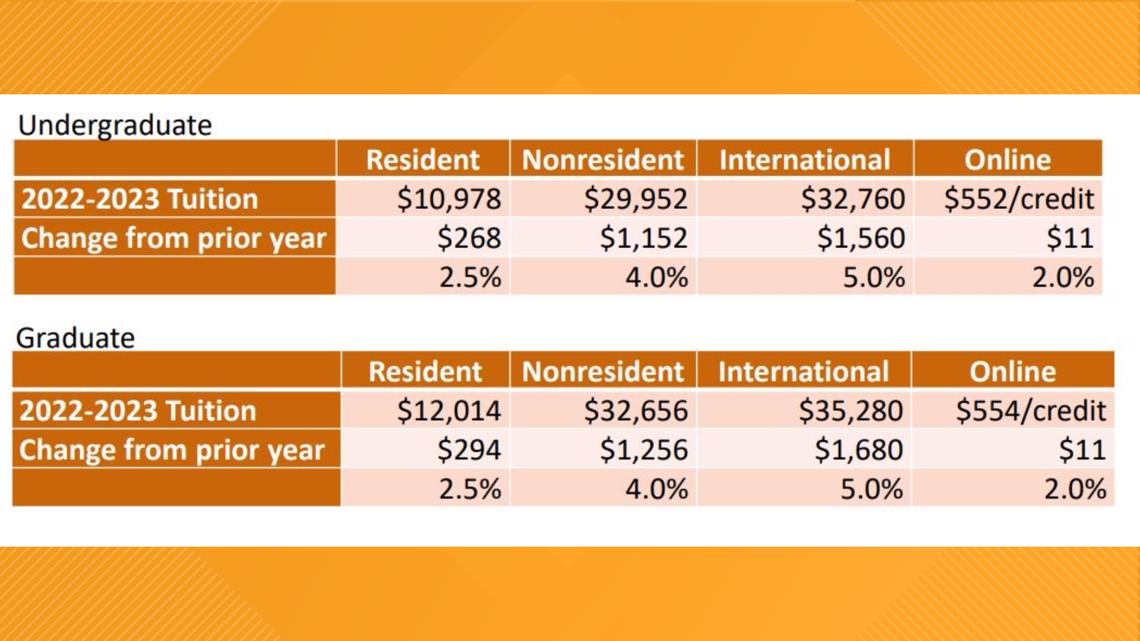
Typically, for the academic year, Arizona residents attending Arizona State University as undergraduates might expect tuition and mandatory fees to range from approximately $12,000 to $13,000. This figure represents the direct cost for their academic accommodation – the instruction, access to university facilities, and core student services. For graduate students who are Arizona residents, these costs are often similar, though they can vary depending on the college and specific program of study.
In stark contrast, out-of-state students face a significantly higher financial commitment for their long-term educational accommodation. Non-resident undergraduate tuition and fees can easily escalate to between $30,000 and $32,000 annually. This substantial difference underscores the critical importance of understanding and meeting residency requirements if one aims to significantly reduce the cost of their multi-year stay. Graduate non-resident tuition also follows a similar elevated scale, often falling within the same range as undergraduate out-of-state rates or slightly higher for specialized programs.
Establishing residency in Arizona for tuition purposes is a detailed process that typically requires demonstrating intent to make Arizona one’s permanent home for at least one year prior to enrollment. This often involves actions such as obtaining an Arizona driver’s license, registering to vote in the state, filing Arizona income taxes, and severing ties with the former state of residence. For many, qualifying for in-state tuition can transform a financially challenging long-term stay into a much more manageable one, making it a crucial consideration during the planning phase.
Beyond Tuition: The Full Cost of Your ASU “Accommodation”
While tuition is the headline number, a true understanding of the financial commitment for a long-term educational stay at Arizona State University requires looking at the total cost of attendance. This holistic view is essential for anyone budgeting for an extended period of living and studying in Tempe. The total cost includes not only tuition but also housing, dining, books, supplies, transportation, and personal expenses – all elements vital to one’s daily accommodation and academic success.
On-Campus Housing and Dining: Your Immediate Accommodation Choices
For many incoming students, particularly undergraduates, on-campus housing provides an immediate and convenient accommodation solution. Arizona State University offers a variety of residence halls across its campuses, primarily in Tempe, each with different styles and price points. The cost of living in a dorm can range from approximately $8,000 to $12,000 per academic year, depending on the room type (single, double, suite-style) and the specific residence hall’s amenities.
Alongside housing, a meal plan is often a mandatory or highly recommended component of on-campus living. Dining costs can add another $4,000 to $6,000 annually to the accommodation budget. While seemingly high, on-campus living offers unparalleled convenience, a built-in community, and immediate access to academic resources, which can enhance the overall long-term stay experience. However, it’s critical to factor these costs into the total financial plan, as they represent a substantial portion of the overall annual expenditure.
Off-Campus Living: Alternative Long-Term Accommodation Options in Tempe
As students progress or for those seeking greater independence and potentially lower costs, off-campus living in Tempe and its surrounding communities like Mesa becomes an attractive option for long-term accommodation. The rental market around Arizona State University is dynamic, offering everything from shared apartments to single-family homes.
The cost of off-campus accommodation varies widely. A studio or one-bedroom apartment in Tempe can range from $1,200 to $1,800 per month, translating to $14,400 to $21,600 annually for rent alone. Sharing a multi-bedroom apartment with roommates can significantly reduce individual rent, with costs potentially dropping to $600-$900 per person per month. Beyond rent, utilities are an essential part of the off-campus accommodation budget. Electricity, internet, water, and gas can collectively add $150-$300 or more per month, depending on usage and apartment size.
Transportation is another key consideration for off-campus residents. While Tempe has a decent public transportation system, including light rail and buses, many students opt for personal vehicles. The costs associated with car ownership – gas, insurance, maintenance, and parking permits (which can be several hundred dollars per year at ASU) – must be integrated into the long-term stay budget. For those relying on public transport, a monthly pass or individual fares will be ongoing expenses.

Books, Supplies, and Personal Expenses: Daily Living Accommodation Needs
Beyond tuition and a roof over one’s head, the daily necessities for both academic and personal life form a significant part of the long-term accommodation cost. Books and supplies, while sometimes overlooked, can easily amount to $1,000 to $1,500 per year. This includes textbooks, course materials, lab fees, and technology requirements. Savvy students often look for used textbooks, utilize library resources, or opt for digital versions to mitigate these costs.
Personal expenses cover a broad spectrum of daily living needs, from groceries and toiletries to entertainment, health insurance, and unforeseen outlays. While highly variable based on individual lifestyle, a conservative estimate for personal expenses might range from $2,500 to $4,000 annually. Groceries alone can easily consume $300-$500 per month. Budgeting for these seemingly smaller, yet cumulative, expenses is crucial for maintaining financial stability throughout a long-term educational stay. Students must also consider health insurance, which may be provided through the university or independently purchased, adding another layer to the overall accommodation cost.
Navigating Financial Aid and Scholarships for Your Educational Stay
Given the comprehensive costs associated with a long-term educational stay at Arizona State University, understanding and leveraging financial aid and scholarship opportunities is critical. These resources can significantly reduce the burden of tuition and living expenses, making an ASU degree more attainable for a wider range of students.
Federal and State Aid Programs
The cornerstone of financial assistance for most U.S. students is the Free Application for Federal Student Aid (FAFSA). Completing the FAFSA is the gateway to unlocking various forms of federal aid, including Pell Grants (which do not need to be repaid), Federal Supplemental Educational Opportunity Grants (FSEOG), and Federal Work-Study programs. It also determines eligibility for federal student loans, which offer more favorable terms than private loans. For Arizona residents, the FAFSA can also open doors to state-specific grants and programs designed to support their educational accommodation.
University-Specific Scholarships and Assistantships
Arizona State University itself offers a vast array of scholarships for both incoming and continuing students. These can be merit-based, need-based, or tailored to specific academic achievements, extracurricular involvement, or demographic criteria. Prospective students should diligently explore ASU’s scholarship portal and apply for all opportunities for which they qualify. Many scholarships are automatically considered upon admission, while others require separate applications.
For graduate students, assistantships are a common and highly beneficial form of financial aid. These typically involve working for a department as a teaching assistant (TA), research assistant (RA), or administrative assistant in exchange for a stipend and, crucially, a tuition waiver. A graduate assistantship can drastically reduce the direct cost of an advanced degree and provide invaluable professional experience during a student’s long-term stay.
Private Scholarships and External Funding
Beyond federal and institutional aid, a myriad of private organizations, foundations, and corporations offer scholarships based on various criteria. Students are encouraged to explore online scholarship search engines, local community foundations, and professional organizations related to their field of study. While these scholarships often require dedicated application efforts, even small awards can add up and significantly contribute to reducing the overall cost of a long-term educational stay.
Strategic Planning for a Successful Long-Term Educational Stay at ASU
The journey to an Arizona State University degree is a significant investment, both personally and financially. A strategic approach to managing the costs associated with tuition and living during your long-term stay is essential for success.
Budgeting Tools and Resources
Prospective and current students should actively utilize budgeting tools and resources provided by Arizona State University. The university’s financial aid office is an invaluable resource for understanding costs, exploring aid options, and developing a personalized financial plan. Many online budgeting apps and templates can also help students track their income and expenses, ensuring they stay within their financial means throughout their educational accommodation. Creating a detailed monthly budget that accounts for all aspects of living – rent, utilities, food, transportation, personal care, and academic supplies – is a proactive step toward financial security.
Future Outlook and Return on Investment
While the immediate costs of tuition and accommodation at Arizona State University can seem substantial, it is crucial to view this as a long-term investment. An ASU degree opens doors to diverse career opportunities and a robust professional network. The university’s strong reputation, innovative programs, and extensive alumni base often lead to significant returns on this educational investment in the long run. By meticulously planning for both tuition and living expenses, students can ensure a focused and enriching academic experience, ultimately maximizing the value of their long-term stay and degree.
LifeOutOfTheBox is a participant in the Amazon Services LLC Associates Program, an affiliate advertising program designed to provide a means for sites to earn advertising fees by advertising and linking to Amazon.com. Amazon, the Amazon logo, AmazonSupply, and the AmazonSupply logo are trademarks of Amazon.com, Inc. or its affiliates. As an Amazon Associate we earn affiliate commissions from qualifying purchases.