
The Calling to Serve: Understanding the Firefighter Role in Arizona
The allure of becoming a firefighter in Arizona is rooted in a deep-seated desire to serve the community, protect lives and property, and engage in a profession that is both physically and mentally demanding. It’s a career that offers a unique sense of purpose, camaraderie, and the opportunity to make a tangible difference during critical moments. Firefighters in Arizona are highly trained professionals who respond to a wide range of emergencies, from structural fires and medical incidents to hazardous material spills and natural disasters. Their duties extend beyond immediate crisis response; they are integral to fire prevention efforts, public education, and community outreach.
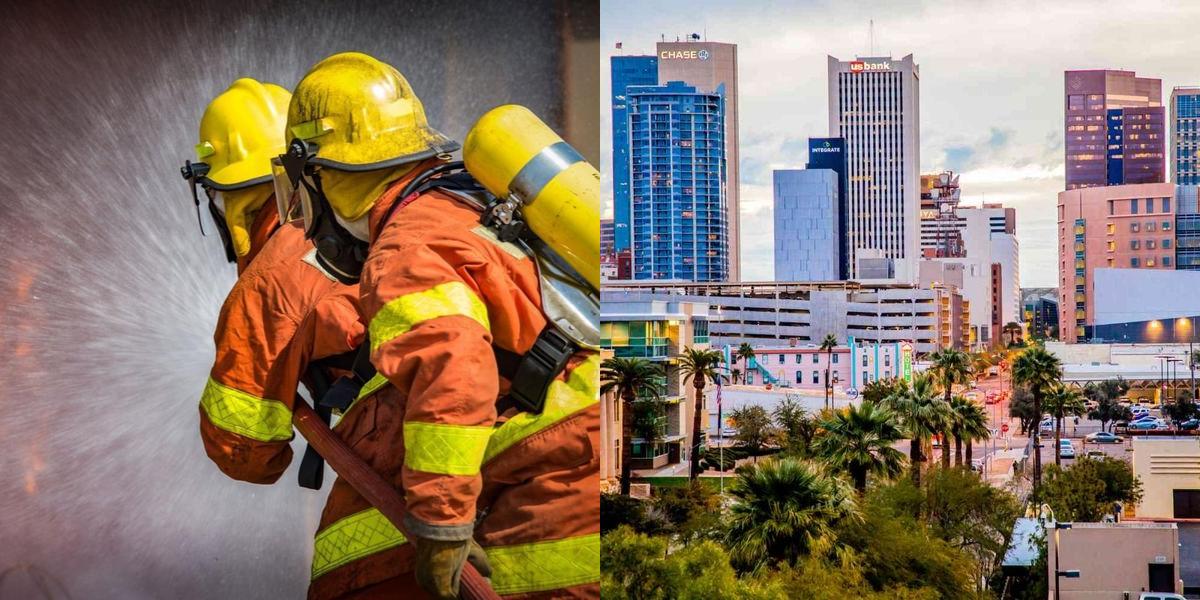
The Diverse Landscape of Firefighting in Arizona
Arizona presents a unique environment for firefighters, with its diverse geography ranging from arid deserts and rugged mountains to bustling urban centers and smaller rural communities. This variety translates into a broad spectrum of fire service needs. Fire departments in cities like Phoenix, Tucson, and Mesa typically handle a higher volume of calls, often involving complex urban fires and extensive medical emergencies. In contrast, rural fire departments, often relying heavily on volunteer personnel, may face challenges related to wildland fires, brush fires, and the vast distances involved in emergency response across sparsely populated areas. Regardless of the specific location, the core mission remains the same: to provide a high level of service and safety to the citizens of Arizona.
Essential Traits and Aptitudes for Aspiring Firefighters
The path to becoming a firefighter is rigorous, and aspiring candidates must possess a specific set of traits and aptitudes. Foremost is a strong sense of integrity and a commitment to ethical conduct, as firefighters are entrusted with significant responsibility and public confidence. Physical fitness is paramount; the job demands exceptional stamina, strength, and agility to perform demanding tasks under stressful conditions, such as carrying heavy equipment, climbing ladders, and extricating individuals from dangerous situations. Beyond physical prowess, mental resilience is crucial. Firefighters must be able to remain calm, make sound decisions under pressure, and cope with traumatic events. Excellent communication skills, both verbal and written, are vital for team coordination, reporting, and public interaction. The ability to work effectively as part of a team, often in close quarters for extended periods, is also a non-negotiable requirement.
The Path to Becoming an Arizona Firefighter: Eligibility and Prerequisites
Embarking on the journey to become a firefighter in Arizona requires meeting several fundamental eligibility criteria. These requirements are designed to ensure that candidates are physically, mentally, and legally prepared for the demands of the profession. While specific details can vary slightly between individual fire departments, a core set of prerequisites is universally observed.
Minimum Age and Educational Requirements
Most fire departments in Arizona require applicants to be at least 18 years of age at the time of application or hire. Some may have a higher age limit, particularly for positions that require prior experience. A high school diploma or a GED is a standard educational requirement. Many departments also prefer or require candidates to have completed some college coursework, particularly in fields related to emergency medical services, fire science, or public safety. Holding an associate’s or bachelor’s degree can provide a competitive edge in the application process.
Citizenship and Residency
Applicants must typically be U.S. citizens or legal residents authorized to work in the United States. Some fire departments may have specific residency requirements, mandating that applicants live within a certain radius of the fire station or the city/county they are applying to serve. These requirements are often in place to ensure a rapid response time in emergencies.
Driving Privileges and Criminal Background
A valid Arizona driver’s license is essential, and applicants must have a clean driving record. A history of significant traffic violations or DUI convictions can be disqualifying. Furthermore, a thorough background check is a standard part of the hiring process. Applicants must not have been convicted of any felony offenses, and certain misdemeanor convictions may also be grounds for disqualification. Honesty and transparency during the background investigation are critical.
Medical and Physical Fitness Standards
Firefighting is an extremely demanding physical occupation, and candidates must meet stringent medical and physical fitness standards. This typically involves a comprehensive medical examination to ensure the applicant is free from any conditions that could impair their ability to perform the job safely and effectively. This includes assessing cardiovascular health, respiratory function, vision, hearing, and musculoskeletal integrity. While specific fitness tests vary, they often assess strength, endurance, and agility through exercises such as a timed run, a ladder climb, a hose drag, and a weighted carry. Passing these physical agility tests (PAT) is a critical hurdle for all aspiring firefighters.
The Firefighter Hiring Process in Arizona: From Application to Academy
The process of becoming a firefighter in Arizona is a competitive and multi-stage journey that can take several months to complete. Each step is designed to rigorously assess a candidate’s suitability for the demanding and critical role of a firefighter. Understanding this process thoroughly is key to navigating it successfully.
The Application and Initial Screening

The first step typically involves submitting a detailed application, often through the fire department’s online portal or the relevant municipal human resources website. This application will require comprehensive information about your education, work history, certifications, and any relevant experience. Following the submission of applications, departments often conduct an initial screening to verify that candidates meet the basic eligibility requirements. This may involve reviewing submitted documents and verifying credentials.
Written Examinations
Many Arizona fire departments utilize written examinations as an early screening tool. These tests are designed to evaluate a candidate’s aptitude in areas such as reading comprehension, mathematical reasoning, logical thinking, and basic mechanical knowledge. Some exams may also assess situational judgment and problem-solving abilities relevant to firefighting scenarios. Preparation for these exams often involves studying general aptitude test materials or specific firefighter candidate study guides.
Physical Agility Test (PAT)
As mentioned previously, the Physical Agility Test (PAT) is a crucial component of the hiring process. This hands-on assessment simulates the physical demands of the job. Candidates will be required to complete a series of tasks, often performed in sequence and under a time limit. These tasks can include climbing an extension ladder, carrying a hose, forcing a door (using a battering ram or similar tool), crawling through a confined space, and carrying a weighted dummy. Successfully completing the PAT demonstrates that a candidate possesses the necessary physical capabilities to perform essential firefighting functions.
Oral Board Interview
Candidates who successfully pass the written and physical agility tests will typically proceed to an oral board interview. This interview panel, often composed of experienced firefighters, fire officers, and human resources personnel, will ask a series of behavioral and situational questions. The goal is to assess a candidate’s communication skills, problem-solving abilities, teamwork aptitude, motivation, and overall suitability for the fire service culture. Candidates are expected to provide thoughtful, honest, and well-articulated responses, drawing upon their experiences and understanding of the firefighter role.
Background Investigation and Psychological Evaluation
A comprehensive background investigation is a critical step. This process involves verifying all information provided by the applicant, checking references, and reviewing criminal and driving records. Simultaneously, many departments require a psychological evaluation. This evaluation, conducted by a licensed psychologist, assesses a candidate’s mental and emotional stability, coping mechanisms, and ability to handle the psychological stress inherent in firefighting. This ensures candidates possess the resilience and emotional intelligence required for the profession.
Medical Examination
A final, in-depth medical examination is typically the last hurdle before a conditional offer of employment. This examination goes beyond the initial screening and is designed to ensure the candidate meets the highest medical standards for safety and performance. It confirms that the applicant can perform all the essential functions of a firefighter without posing a risk to themselves or others.
Firefighter Training and Academy in Arizona
Upon successful completion of the hiring process, aspiring firefighters in Arizona enter a rigorous training program, most commonly at a fire academy. This academy is where raw talent and potential are molded into competent, skilled, and disciplined emergency responders. The academy experience is foundational, equipping recruits with the theoretical knowledge and practical skills necessary to excel in the fire service.
The Fire Academy Experience
Fire academies are typically intensive, full-time programs that can last anywhere from several weeks to several months. The curriculum is comprehensive, covering a wide array of subjects. Recruits will receive extensive instruction in firefighting techniques, including ventilation, hose lays, search and rescue, and forcible entry. They will learn about building construction and fire dynamics, understanding how fires behave and how to combat them effectively. Hazardous materials (HazMat) response, including identification, containment, and mitigation, is another critical area of study.
Emergency Medical Technician (EMT) Training
A significant portion of the academy curriculum is dedicated to emergency medical care. In Arizona, most firefighters are trained and certified as Emergency Medical Technicians (EMTs) or, in some cases, Paramedics. This training provides recruits with the skills to assess and treat a wide range of medical emergencies, from basic first aid and CPR to more advanced life support interventions. The ability to provide immediate medical care is a vital aspect of a firefighter’s responsibilities, as medical calls often constitute the majority of responses.
Physical and Practical Skill Development
Beyond classroom instruction, the fire academy places a strong emphasis on hands-on practical training and physical conditioning. Recruits spend a considerable amount of time practicing fire suppression techniques, emergency vehicle operations, and rescue procedures in simulated environments. They will engage in strenuous physical drills designed to build endurance, strength, and teamwork. Mastering these practical skills under the guidance of experienced instructors is crucial for building confidence and proficiency.

Post-Academy Probationary Period and Continued Education
Graduating from the fire academy is not the end of the training; it is merely the beginning of a firefighter’s career. Most departments implement a probationary period, during which new firefighters are closely mentored and evaluated in real-world operational settings. This period allows them to apply their academy training under the supervision of experienced personnel. Continuous professional development is a hallmark of the fire service. Firefighters are expected to participate in ongoing training throughout their careers, keeping their skills sharp, learning new techniques, and staying current with technological advancements and evolving best practices in fire suppression, emergency medical services, and hazardous materials response. This commitment to lifelong learning ensures that firefighters remain prepared to face the ever-changing challenges of their profession in Arizona and beyond.
LifeOutOfTheBox is a participant in the Amazon Services LLC Associates Program, an affiliate advertising program designed to provide a means for sites to earn advertising fees by advertising and linking to Amazon.com. Amazon, the Amazon logo, AmazonSupply, and the AmazonSupply logo are trademarks of Amazon.com, Inc. or its affiliates. As an Amazon Associate we earn affiliate commissions from qualifying purchases.