
For couples seeking an intimate, meaningful, and often budget-friendly way to tie the knot, a courthouse wedding in Arizona offers a charming and straightforward option. This guide delves into the specifics of planning such an event, framing it as a unique travel experience in the heart of the Southwest. Whether you’re an Arizona resident or traveling from afar to exchange vows, understanding the process ensures a seamless and memorable occasion.
Planning Your Desert Nuptials: The Essentials
Embarking on a courthouse wedding journey in Arizona begins with understanding the core requirements and geographical considerations. Arizona is a state renowned for its stunning desert landscapes, vibrant cities, and rich cultural tapestry, making it an appealing destination for couples looking for something distinctive. A courthouse ceremony allows you to focus on the commitment itself, often leaving ample time and resources to explore the state’s many attractions as newlyweds.
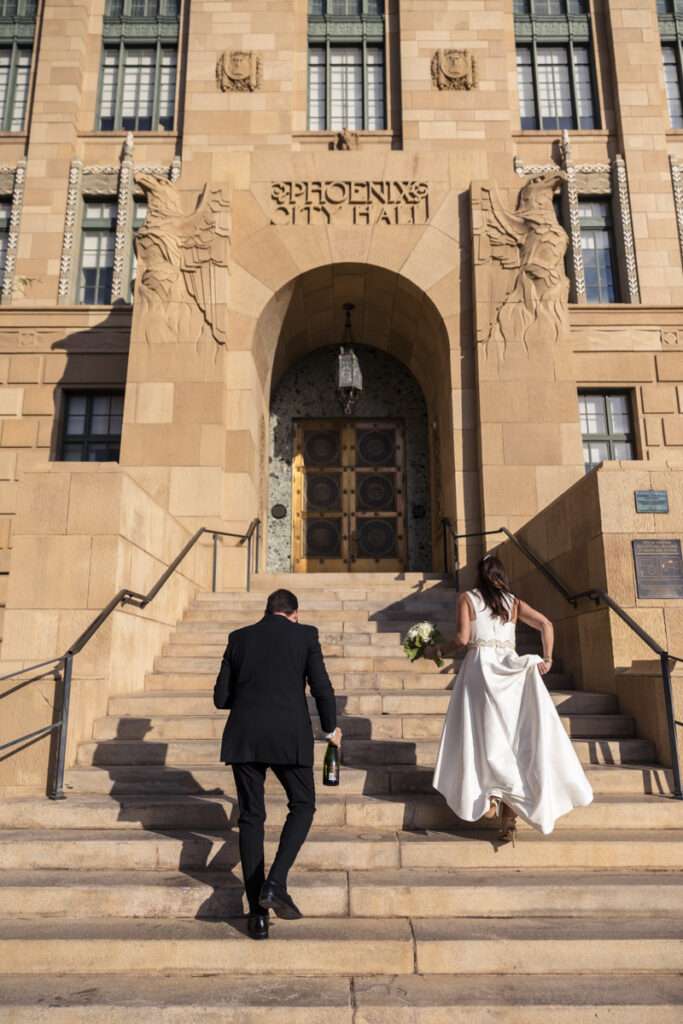
Eligibility and Documentation
Before you can set foot in an Arizona courthouse, you’ll need to obtain a marriage license. This is a crucial first step, and the requirements are relatively standard across the state’s counties.
- Who Can Apply: Both parties must be at least 18 years old. There are specific provisions for minors (16-17) that involve parental consent and court approval, but for most couples, the age requirement is straightforward.
- Identification: You will need valid government-issued identification, such as a driver’s license, state ID card, or passport. Ensure your IDs are current and reflect your legal names.
- Social Security Number: While you don’t need to present your physical Social Security card, you must provide your Social Security number if you have one. If you do not have a Social Security number, you will sign an affidavit stating this.
- Previous Marriages: If either party has been previously married, you will need to provide the date and location of the dissolution (divorce, annulment, or death) of the most recent marriage. No physical divorce decree or death certificate is typically required, but accuracy is essential.
- No Waiting Period: One of the benefits of getting married in Arizona is that there is no waiting period between obtaining your marriage license and performing the ceremony. You can get your license and get married on the same day, although planning ahead is always advisable.
- License Validity: An Arizona marriage license is valid for 12 months from the date of issuance. This offers flexibility, allowing you to secure your license and then schedule your courthouse ceremony at your convenience within that year.
- Cost: The fee for a marriage license varies slightly by county but generally ranges from $76-$83. Payment is usually accepted via cash, money order, or credit/debit card, depending on the specific court.
Marriage licenses are issued by the Clerk of the Superior Court in any Arizona county. You don’t have to get your license in the same county where you plan to be married; an Arizona license is valid statewide. For instance, if you’re flying into Phoenix and plan to get married in Tucson, you could obtain your license at the Maricopa County Superior Court and use it for your ceremony in Pima County. Both parties must apply in person together.
Navigating the Courthouse Ceremony Process
Once your marriage license is in hand, the next step is to arrange the actual ceremony. Most Arizona courthouses offer civil ceremonies performed by a Justice of the Peace or a Superior Court Judge.
Choosing Your Courthouse Location
Arizona boasts several major metropolitan areas and charming smaller towns, each with its own superior court building that facilitates civil ceremonies. Your choice of location might depend on travel convenience, desired scenery, or where you plan to spend your post-wedding celebrations.
- Maricopa County Superior Court (Phoenix and surrounding areas): As the most populous county, Maricopa County offers numerous locations, including the central courthouse in Phoenix and satellite courts throughout the greater Phoenix metropolitan area. This is ideal for couples flying into Phoenix Sky Harbor International Airport and wishing for urban convenience, perhaps celebrating afterwards in Scottsdale or Tempe.
- Pima County Superior Court (Tucson): For those drawn to the Sonoran Desert’s unique beauty, Tucson offers a picturesque backdrop. The Pima County Superior Court handles ceremonies, and the city provides a rich blend of history, culture, and outdoor activities for a memorable post-nuptial experience.
- Coconino County Superior Court (Flagstaff): If you prefer cooler temperatures and mountain vistas, Flagstaff is an excellent choice. Near the Grand Canyon National Park and the red rocks of Sedona, a Flagstaff courthouse wedding could be the prelude to an adventurous honeymoon.
- Other Counties: Smaller counties like Yavapai County (Prescott) or Yuma County (Yuma) also offer civil ceremony services, often providing a more intimate and less bustling experience. Researching the specific county court websites is essential for precise scheduling and fee information.
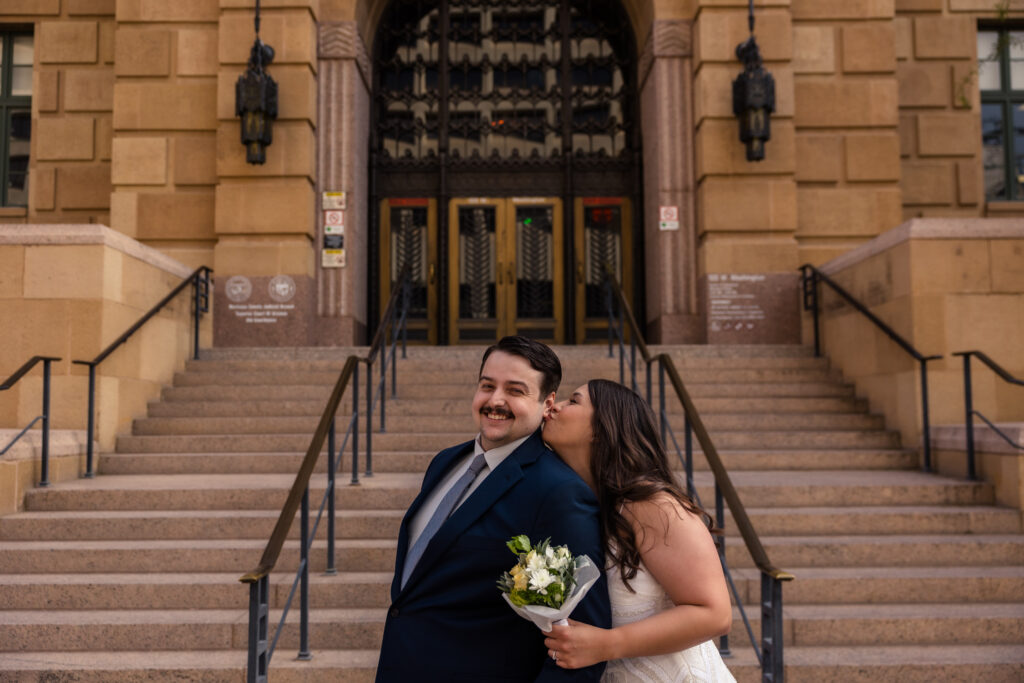
Scheduling Your Ceremony
Once you’ve chosen your county, you’ll need to schedule your civil ceremony.
- Contact the Clerk: Most courts require you to call the Clerk of the Superior Court’s office or the Justice Court to inquire about available dates and times for civil ceremonies. Some larger courts may have online scheduling portals.
- Fees: There is typically a separate fee for the ceremony itself, usually ranging from $10 to $50, payable directly to the court.
- Witnesses: Arizona law requires two witnesses to be present at your marriage ceremony. These witnesses must be at least 18 years old. If you’re traveling alone or eloping, many courthouses can often provide witnesses from court staff, though it’s always best to confirm this in advance.
- Officiant: The ceremony will be performed by a Justice of the Peace or a Superior Court Judge. The ceremony itself is usually brief, lasting around 10-15 minutes, focusing on the legal aspects of marriage. While solemn, officiants often add a personal touch.
What to Expect on Your Wedding Day
Dress as you wish – from casual attire to full wedding gowns, it’s your day. Arrive a bit early with your valid marriage license and your witnesses. The court staff will guide you through the process, confirm your identity, and collect any remaining fees. The ceremony itself takes place in a courtroom or a designated ceremonial room. Afterwards, the officiant will sign your marriage license, and it will be recorded by the Clerk of the Superior Court. You’ll typically receive certified copies of your marriage certificate a few days or weeks later by mail, or you can pick them up in person.
Making Your Courthouse Wedding an Arizona Experience
A courthouse wedding doesn’t mean sacrificing the romance or adventure of a destination wedding. Instead, it offers a springboard for an incredible Arizona experience tailored to your preferences.
Post-Ceremony Celebrations and Activities
After exchanging vows, Arizona opens up a world of possibilities for celebration and exploration.
- Culinary Delights: Indulge in Arizona’s diverse culinary scene. In Phoenix and Scottsdale, you’ll find upscale dining, vibrant patios, and innovative Southwestern cuisine. Tucson, a UNESCO City of Gastronomy, offers a deep dive into Sonoran-style Mexican food.
- Scenic Drives: Celebrate your new chapter with a scenic drive. Route 89A through Oak Creek Canyon to Sedona is breathtaking, or journey north from Flagstaff to the majestic Grand Canyon National Park.
- Desert Adventures: Embrace the unique landscape with activities like hot air balloon rides over Phoenix, hiking in Saguaro National Park near Tucson, or exploring the ancient cliff dwellings of Montezuma Castle National Monument.
- Relaxation: For a more relaxed post-wedding glow, consider a stay at one of Arizona’s renowned resorts, many offering luxurious spas and breathtaking views. From the Sonoran Desert in Phoenix to the cooler climes of Sedona, options abound for unwinding.
- Cultural Immersion: Explore Arizona’s rich Native American heritage by visiting tribal lands (where permissible) or museums dedicated to indigenous cultures. Tucson’s mission churches or Jerome’s historic mining town offer glimpses into the state’s past.
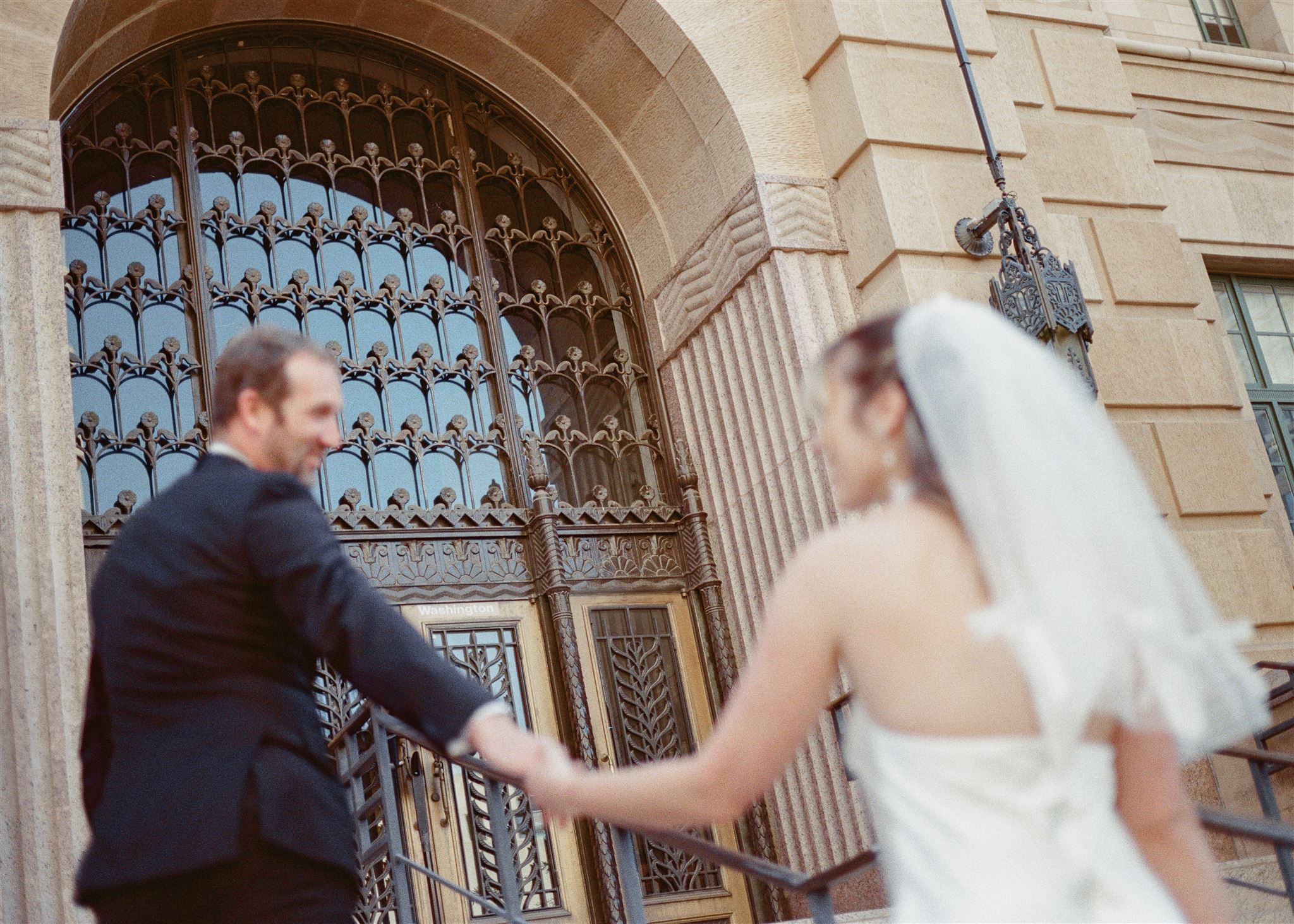
Travel Tips for Out-of-State Couples
If you’re traveling to Arizona specifically for your courthouse wedding, consider these tips:
- Accommodation: Book your accommodation well in advance, especially during peak tourist seasons (winter/spring in the desert, summer/fall in the mountains). From boutique hotels in Old Town Scottsdale to charming bed and breakfasts in Sedona, there are options for every taste and budget.
- Transportation: Renting a car is highly recommended for exploring Arizona, as public transportation outside major city centers can be limited.
- Climate: Be mindful of Arizona’s diverse climate. Summers in the desert regions (Phoenix, Tucson, Yuma) are extremely hot, while winters are mild and pleasant. Flagstaff experiences all four seasons, including snow in winter. Pack accordingly.
- Allow Extra Time: Factor in extra time for travel to the courthouse, parking, and any unexpected delays. This reduces stress and allows you to enjoy the moment.
Getting married in an Arizona courthouse is an efficient and intimate way to begin your married life. By understanding the legal requirements and embracing the possibilities for post-ceremony exploration, you can transform a simple administrative process into a memorable Arizona travel experience.
LifeOutOfTheBox is a participant in the Amazon Services LLC Associates Program, an affiliate advertising program designed to provide a means for sites to earn advertising fees by advertising and linking to Amazon.com. Amazon, the Amazon logo, AmazonSupply, and the AmazonSupply logo are trademarks of Amazon.com, Inc. or its affiliates. As an Amazon Associate we earn affiliate commissions from qualifying purchases.