
Decoding the Legal Framework Affecting Personal Lifestyles in Arizona
The tapestry of personal life in any state is intricately woven with its legal framework, some threads more visible than others. While often considered a private matter, the state of marriage and fidelity has historically been subject to legal oversight in many jurisdictions. For those living in, or considering a move to, Arizona, understanding these legal nuances can offer insight into the broader societal norms and expectations that subtly shape the local lifestyle. Beyond sensational headlines, the actual legal standing of actions like adultery offers a fascinating glimpse into the interplay between historical statutes, contemporary enforcement, and the personal liberties that define individual and community lifestyles. It’s a question that delves deeper than simple legality, touching upon the values embedded within a state’s character.

The Letter of the Law: Arizona Revised Statutes on Adultery
In Arizona, the answer to whether adultery is illegal is, unequivocally, yes. The state’s legal code, specifically Arizona Revised Statutes § 13-1408, defines adultery as a Class 3 misdemeanor. This statute stipulates that “A married person who has sexual intercourse with another than his or her spouse, and an unmarried person who has sexual intercourse with a married person not his or her spouse, is guilty of adultery.” The classification as a Class 3 misdemeanor carries potential penalties, including fines and even a short jail sentence, though such criminal prosecutions are exceedingly rare in modern Arizona.
The existence of such a law on the books is a relic of a bygone era, reflecting societal values and moral codes that were more prevalent in past centuries. Historically, adultery was often viewed not just as a breach of marital vows but as a disruption to social order and family structures, warranting state intervention. These statutes were designed to uphold traditional family values and protect the institution of marriage, which was seen as a foundational element of society. While many states have since decriminalized adultery, either through legislative action or judicial rulings, Arizona retains its statute. This legal persistence, even if symbolic in criminal terms, contributes to a unique legal backdrop that influences the perceived “lifestyle” landscape of the state, underscoring certain conservative undercurrents or, at the very least, legislative inertia regarding moral statutes.
Beyond Criminality: The Real-World Lifestyle Impact on Relationships
While the criminal aspect of adultery in Arizona is largely dormant, its legal status continues to carry significant weight, particularly within the civil realm of family law. The presence of the statute, however rarely invoked by prosecutors, sends a clear message about societal expectations regarding marital fidelity, subtly influencing the lifestyle choices and relationship dynamics for residents. It’s in the quiet corners of civil courts, rather than public criminal trials, where the legal definition of adultery truly affects individuals’ lives and shapes their future lifestyles.
Marital Dissolution and Civil Ramifications
The primary impact of adultery in contemporary Arizona is not found in criminal courtrooms but within the proceedings of marital dissolution. While Arizona is a “no-fault” divorce state, meaning a spouse does not need to prove fault (like adultery) to obtain a divorce, the existence of infidelity can still significantly influence the terms of the divorce settlement. Adultery, especially if proven to have depleted marital assets or caused significant emotional distress, can become a relevant factor in several key areas that profoundly shape an individual’s post-divorce lifestyle.
For instance, in matters of spousal maintenance (alimony), a judge may consider marital misconduct, including adultery, when determining the amount and duration of support. If one spouse’s infidelity led to a substantial financial burden on the marital estate, the court might factor this into the equitable division of assets. Similarly, while child custody decisions are always made in the best interest of the child, a parent’s extramarital affair, particularly if it exposes children to inappropriate situations or demonstrates a lack of parental judgment, could potentially be considered by the court. These civil ramifications underscore how deeply even rarely enforced laws can penetrate the fabric of personal relationships and financial well-being, directly impacting the lifestyle and future security of individuals and families in Arizona.
Societal Norms and Community Expectations

Beyond the legal and financial implications, the continued illegality of adultery in Arizona subtly contributes to the moral and ethical discourse within its communities. The law, even as a symbolic gesture, reinforces traditional marital values and expectations of fidelity. This can influence the broader social fabric and community expectations, shaping how relationships are perceived and discussed. For residents, this legal backdrop might contribute to a collective understanding of what constitutes acceptable and unacceptable personal conduct, even if individuals themselves hold diverse private beliefs.
This interplay between law and social norm helps define a unique aspect of the Arizona lifestyle. It speaks to a state that, in certain aspects, holds onto more traditional values, or at least the statutory reflections of them. For newcomers or those evaluating the cultural landscape of the state, such legal details offer a subtle clue about the underlying conservative or traditional leanings that might permeate various aspects of life, from community organizations to public discourse on family matters.
Navigating Personal Freedom and Legal Boundaries in the Arizona Lifestyle
For individuals in Arizona, understanding the state’s stance on adultery is less about fearing criminal charges and more about grasping the broader legal and social environment that shapes personal freedoms and relationship choices. In a world where personal autonomy is highly valued, the existence of such a law highlights the delicate balance between individual liberty and state-defined morality, a balance that influences how people plan their lives and relationships.
Proactive Lifestyle Planning: Pre-nuptial and Post-nuptial Agreements
In the context of Arizona’s legal landscape, many couples engage in proactive lifestyle planning through instruments like pre-nuptial and post-nuptial agreements. While these agreements cannot supersede criminal statutes, they can explicitly address the financial and property-related consequences of marital infidelity. For instance, a pre-nuptial agreement might stipulate that in the event of adultery leading to divorce, certain assets would be allocated differently, or spousal support would be waived or modified. This pragmatic approach allows individuals to define their own terms within the marriage, safeguarding their financial security and lifestyle expectations, irrespective of the state’s criminal code on adultery. These agreements become a vital tool for those who wish to manage the potential fallout of marital misconduct, offering a personal framework for their lifestyle choices within the legal boundaries of Arizona. They reflect a modern adaptation to older laws, allowing individuals to exert control over their personal and financial futures.
The Evolving Landscape of Personal Relationships and Law
The continued presence of an adultery statute in Arizona is a poignant reminder of the evolving nature of personal relationships and the laws that govern them. Modern societal “lifestyles” increasingly emphasize individual privacy, personal choice, and diverse relationship structures. This contrasts sharply with historical legal frameworks designed to regulate morality. The Arizona statute, therefore, represents a point of tension between traditional legal principles and contemporary social realities. It invites reflection on how legislative bodies should balance the preservation of historical legal traditions with the changing values and lifestyles of their constituents. The ongoing debate around such laws underscores that what constitutes “adultery” and how it should be addressed is not static but part of a dynamic conversation about personal autonomy, public morality, and the boundaries of state intervention in the intimate spheres of life.
Arizona’s Unique Stance in a Changing National Lifestyle Context
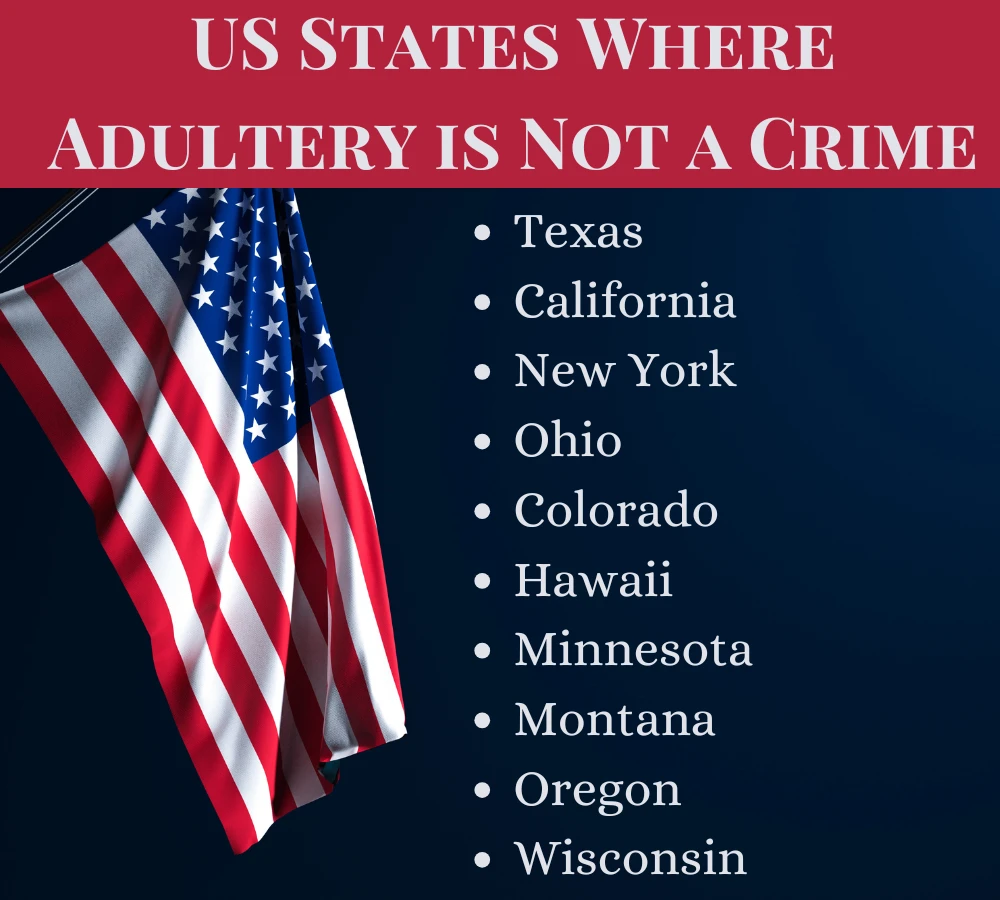
Across the United States, there’s a clear trend towards the decriminalization of adultery, with most states either having repealed their laws or, like Arizona, rarely enforcing them criminally. This places Arizona among a diminishing number of states that still classify adultery as a criminal offense. This unique position contributes to the state’s distinctive identity and provides a specific context for understanding its social and legal lifestyle.
Reflecting on Arizona’s Identity and Future Lifestyle Trends
The persistence of the adultery statute in [Arizona](https://lifeoutofthebox.com/arizona] raises questions about its broader identity. Does it reflect a strong conservative undercurrent that seeks to preserve traditional moral standards through legal means? Or is it simply a matter of legislative oversight, where older laws remain on the books due to a lack of impetus for repeal? Regardless of the specific motivation, this legal anomaly contributes to the nuanced tapestry of the Arizona lifestyle.
For residents and those considering making Arizona their home, this aspect of the law, while not a daily concern for most, underscores the complex interplay between legal statutes, personal conduct, and the overarching “lifestyle” experience. It highlights that even in modern society, historical laws can cast long shadows, shaping the subtle expectations and legal landscapes that define a place. While direct criminal prosecution for adultery is practically nonexistent, its legal status continues to influence civil proceedings and, perhaps more profoundly, the unwritten social contract within the communities of Arizona, making it a quiet but persistent factor in the state’s unique way of life.
LifeOutOfTheBox is a participant in the Amazon Services LLC Associates Program, an affiliate advertising program designed to provide a means for sites to earn advertising fees by advertising and linking to Amazon.com. Amazon, the Amazon logo, AmazonSupply, and the AmazonSupply logo are trademarks of Amazon.com, Inc. or its affiliates. As an Amazon Associate we earn affiliate commissions from qualifying purchases.