
The professional landscape for nurses is constantly evolving, with increasing demands for flexibility and mobility across state lines. Understanding the nuances of state licensure is paramount for any nurse considering a new opportunity, particularly those eyeing states known for growth and diverse healthcare environments like Arizona. A key factor in this mobility is the concept of a “Compact Nursing State,” which significantly impacts a nurse’s ability to practice without obtaining multiple licenses. For professionals seeking a dynamic lifestyle that may involve travel nursing, temporary assignments, or relocation, knowing a state’s participation in the Nurse Licensure Compact (NLC) is essential.
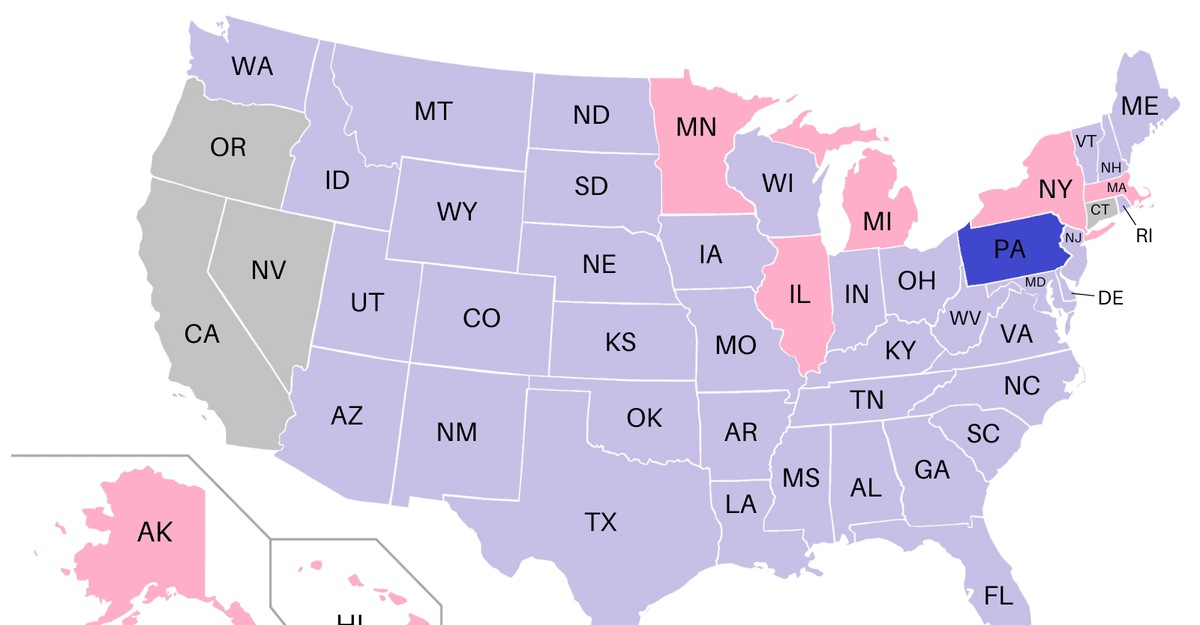
Understanding the Nurse Licensure Compact (NLC)
The Nurse Licensure Compact (NLC) is an agreement between states that allows nurses to have one multi-state license, with the ability to practice in their home state and other compact states without obtaining additional licenses. This streamlined approach to licensure is designed to enhance patient access to care, facilitate telehealth services, and provide greater flexibility for nurses and healthcare systems alike. The compact is a testament to the increasing recognition of nursing as a profession that often requires geographical flexibility.
What is the NLC?
At its core, the Nurse Licensure Compact is an interstate agreement that enables registered nurses (RNs) and licensed practical/vocational nurses (LPN/VNs) to practice in any state that is a member of the compact. This means that if a nurse holds a multi-state license in their primary state of residence (PSOR) — the state where they legally reside and hold their driver’s license, vote, and pay taxes — they can practice in any other compact state without applying for an entirely new license. This drastically reduces the administrative burden and time previously required for obtaining multiple licenses, which was a significant barrier to professional mobility. The compact is administered by the National Council of State Boards of Nursing (NCSBN), which works to ensure consistent standards and guidelines across all participating jurisdictions.
Benefits for Nurses and Healthcare
The advantages of the NLC are multifaceted, particularly for nurses envisioning a flexible and expansive professional lifestyle. For individual nurses, it offers unparalleled career mobility, allowing them to pursue opportunities in various states without the bureaucratic hurdles of traditional licensure. This is especially beneficial for travel nurses, military spouses, and those who live near state borders. It opens doors to diverse experiences, skill development, and the ability to respond quickly to healthcare demands in different regions. For the healthcare system, the NLC facilitates a more agile workforce, enabling faster deployment of nursing staff during crises, alleviating staffing shortages, and supporting the growth of telehealth services that transcend state lines. It fosters a more interconnected and responsive healthcare environment, ultimately benefiting patient care and access.
Arizona’s Status in the NLC
For nurses considering a career move to the Southwest, the status of Arizona within the Nurse Licensure Compact is a critical piece of information that directly impacts their professional lifestyle choices. The good news is that Arizona has been a long-standing and active participant in the compact.
When Arizona Joined the Compact
Arizona was one of the early adopters of the original Nurse Licensure Compact (NLC), joining in 2001. When the Enhanced Nurse Licensure Compact (eNLC) was implemented in 2018, Arizona seamlessly transitioned as an active member. This consistent participation underscores the state’s commitment to supporting a mobile nursing workforce and ensuring robust healthcare services for its residents. The state’s forward-thinking approach to licensure has positioned it as an attractive destination for nurses seeking flexibility and diverse career pathways.
Implications for Nurses Working in Arizona
For nurses whose primary state of residence is a compact state, and who hold a multi-state license, they can practice nursing in Arizona without needing to obtain a separate Arizona license. This significantly simplifies the process for those looking to relocate, take on travel assignments, or conduct telehealth consultations from outside the state. Conversely, for nurses whose primary state of residence is Arizona, obtaining an Arizona multi-state license enables them to practice in any other compact state. This provides them with a vast array of opportunities across the nation, allowing them to shape a professional lifestyle that aligns with their personal goals, whether that involves temporary work in different regions or more permanent relocation options. The Arizona Board of Nursing ensures that all licensees meet the uniform licensure requirements of the NLC, maintaining high standards of patient safety and professional competence.
Navigating the Compact: A Guide for Nurses
While the Nurse Licensure Compact simplifies licensure, understanding its rules and your responsibilities is key to leveraging its full potential in shaping your professional lifestyle. Proper navigation ensures compliance and maximizes your career flexibility.
Primary State of Residence (PSOR) Explained
The cornerstone of the NLC is the concept of the Primary State of Residence (PSOR). Your PSOR is the state where you hold a current driver’s license, vote, and pay taxes. It is where you legally reside and where you must obtain your multi-state nursing license. If your PSOR is a compact state, you can apply for a multi-state license there. If your PSOR is not a compact state, you must obtain a single-state license in each compact state where you wish to practice. It’s crucial for nurses to correctly identify their PSOR because an incorrect declaration can lead to invalid licensure and serious professional consequences. A change in PSOR requires you to apply for licensure in the new PSOR and surrender your previous compact license, a detail vital for those planning a permanent relocation as part of their lifestyle trajectory.

How to Obtain a Compact License
To obtain a multi-state compact license, you must first reside in a compact state, such as Arizona. The application process typically involves applying through your state’s Board of Nursing, meeting specific uniform licensure requirements (ULRs) set forth by the NLC, which include graduating from an approved nursing program, passing the NCLEX, and undergoing a federal background check. These ULRs are essential for ensuring that nurses holding a multi-state license meet consistent standards, which is fundamental to the compact’s integrity and its ability to facilitate a mobile professional lifestyle. Once issued, your multi-state license allows you to practice in all other compact states.
Responsibilities of a Compact License Holder
Holding a multi-state license comes with distinct responsibilities. Nurses are required to adhere to the nursing practice laws and regulations of the state where they are currently practicing, regardless of their PSOR. This means if an Arizona licensed nurse is practicing in another compact state, they must comply with that state’s specific nursing board rules. Furthermore, nurses must notify their PSOR Board of Nursing of any change in their PSOR. Failure to comply with these regulations can lead to disciplinary action, including the revocation of your multi-state license. Staying informed about the evolving landscape of the NLC and state-specific regulations is crucial for maintaining a compliant and flexible professional lifestyle.
The Lifestyle Advantage for Nurses
The Nurse Licensure Compact fundamentally reshapes the professional and personal lifestyle options available to nurses, offering a degree of freedom and opportunity previously unheard of. It empowers nurses to curate a career path that genuinely aligns with their life goals and aspirations.
Enhanced Career Mobility and Flexibility
Perhaps the most significant lifestyle advantage offered by the NLC, especially for nurses licensed in Arizona, is the unparalleled career mobility and flexibility. Nurses are no longer tethered to a single state by their license. This freedom allows for spontaneous career shifts, quick responses to emerging job markets, and the ability to explore different healthcare settings and specialties across a wide geographic range. For those who thrive on new experiences and challenges, this mobility is a game-changer, fostering a dynamic and continuously evolving professional lifestyle. It means that a nurse can take a position in a specialized unit in Arizona for a year, then transition to a rural clinic in another compact state, all without the bureaucratic delays of new licensure.
Opportunities for Travel Nursing and Relocation
For many nurses, the NLC makes the dream of travel nursing a tangible reality, rather than a logistical nightmare. Travel nurses, who often seek adventure and diverse experiences as part of their lifestyle, can seamlessly move between assignments in compact states. This ability to accept contracts with minimal lead time enhances their earning potential and provides exposure to various healthcare cultures and patient populations. Similarly, for nurses considering permanent relocation, an Arizona compact license provides a crucial head start. They can begin working in their new compact state of residence almost immediately, easing the financial and logistical burdens associated with moving and allowing for a smoother transition into their new community and professional role.
Impact on Work-Life Balance and Professional Growth
The flexibility afforded by the NLC can profoundly impact a nurse’s work-life balance. It allows nurses to pursue temporary assignments that align with personal needs, such as seasonal work, caregiving responsibilities, or opportunities to be closer to family in different states. This ability to tailor their work schedule and location can lead to reduced stress and greater job satisfaction. From a professional growth perspective, the NLC encourages continuous learning and adaptation. Nurses are exposed to a broader spectrum of clinical challenges and advancements across different states, enriching their skill set and broadening their professional horizons. This exposure can be invaluable for career advancement, leadership development, and ultimately, a more fulfilling and well-rounded professional lifestyle.
Challenges and Considerations
While the Nurse Licensure Compact offers immense advantages, a truly integrated professional lifestyle requires awareness of potential challenges and ongoing responsibilities. Navigating the compact effectively means staying informed and vigilant.
Understanding State-Specific Laws
Despite the multi-state nature of the NLC, it is crucial to remember that nurses must always practice under the laws and regulations of the state where the patient is located at the time of care. While the compact harmonizes licensure, it does not harmonize every aspect of nursing practice law. For instance, specific scope-of-practice regulations, mandatory reporting requirements, or prescriptive authority can vary significantly between states, including Arizona and other compact states. A nurse practicing in Arizona under a multi-state license must adhere to the Arizona Nurse Practice Act. Neglecting to understand and comply with these state-specific nuances can lead to disciplinary actions, legal issues, and ultimately disrupt the flexible professional lifestyle the compact aims to provide. Continuous education and due diligence are paramount.
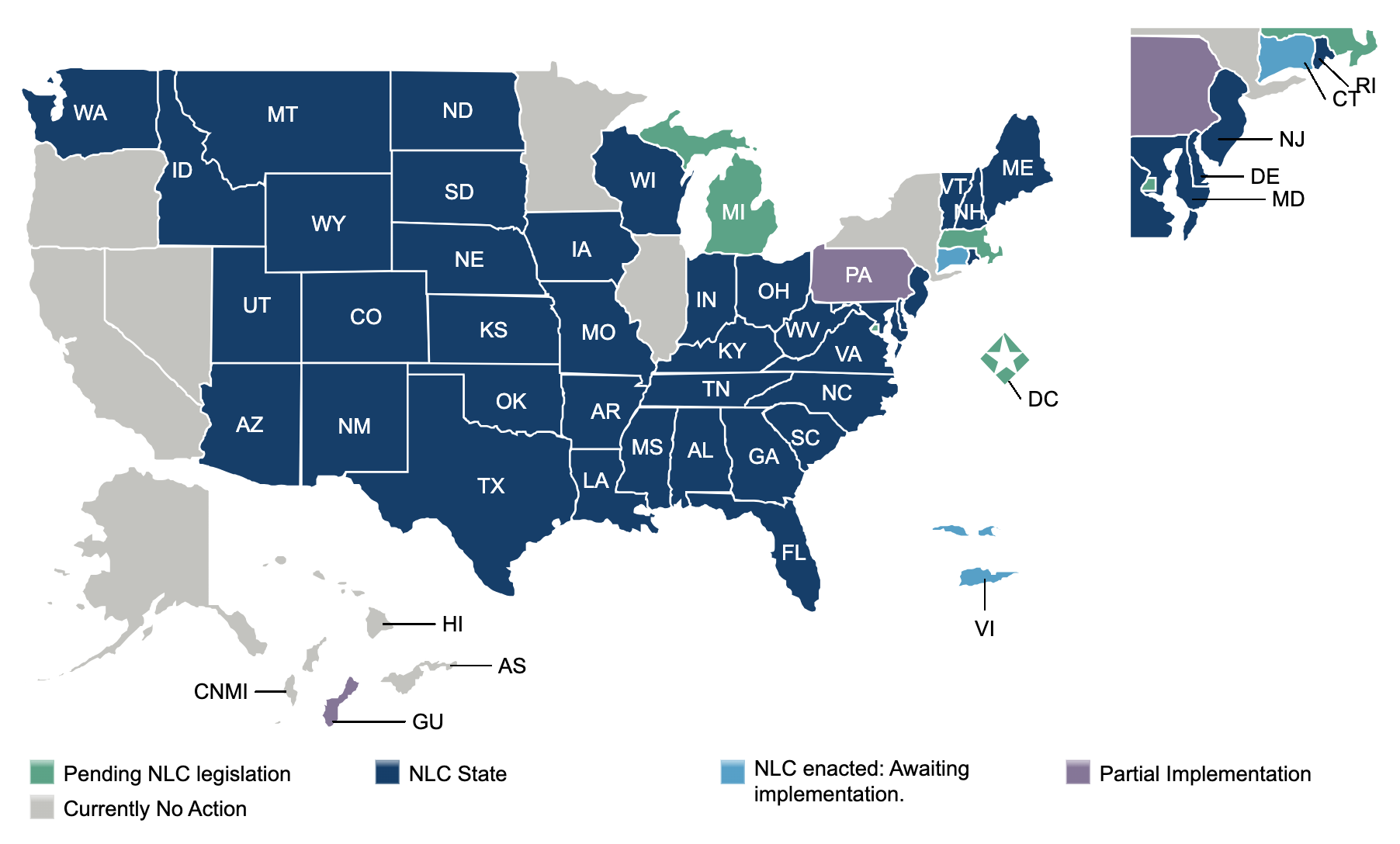
Keeping Up-to-Date with NLC Changes
The NLC is a dynamic agreement that evolves with changes in legislation, healthcare policy, and the needs of the nursing profession. New states may join, existing rules may be updated, and interpretations can shift. Nurses, especially those leveraging the compact for a mobile lifestyle, must proactively stay informed about these changes. The National Council of State Boards of Nursing (NCSBN) website and individual state Boards of Nursing, such as the Arizona State Board of Nursing, are invaluable resources for the most current information. Subscribing to newsletters, attending webinars, and regularly checking official sources can help nurses avoid potential pitfalls and ensure their multi-state license remains valid and compliant. An informed nurse is an empowered nurse, capable of confidently navigating the compact and sustaining a flexible and thriving professional life.
LifeOutOfTheBox is a participant in the Amazon Services LLC Associates Program, an affiliate advertising program designed to provide a means for sites to earn advertising fees by advertising and linking to Amazon.com. Amazon, the Amazon logo, AmazonSupply, and the AmazonSupply logo are trademarks of Amazon.com, Inc. or its affiliates. As an Amazon Associate we earn affiliate commissions from qualifying purchases.