
Understanding the population of a destination like Yuma, Arizona is crucial for any traveler seeking to immerse themselves in the local culture, anticipate the availability of services, and genuinely grasp the character of the community they are visiting. While population figures might seem like mere statistics, they profoundly influence everything from the local culinary scene to the vibrancy of cultural activities and the overall pace of life. For Yuma, a city in the southwestern corner of Arizona, these figures tell a compelling story, especially given its unique position as a winter haven.

Understanding Yuma’s Demographics: A Snapshot
At its core, Yuma’s population is a dynamic figure, fluctuating significantly throughout the year. The official census data provides a baseline, but the city’s true demographic footprint is far more complex, directly impacting the tourism experience.
Core Residential Population
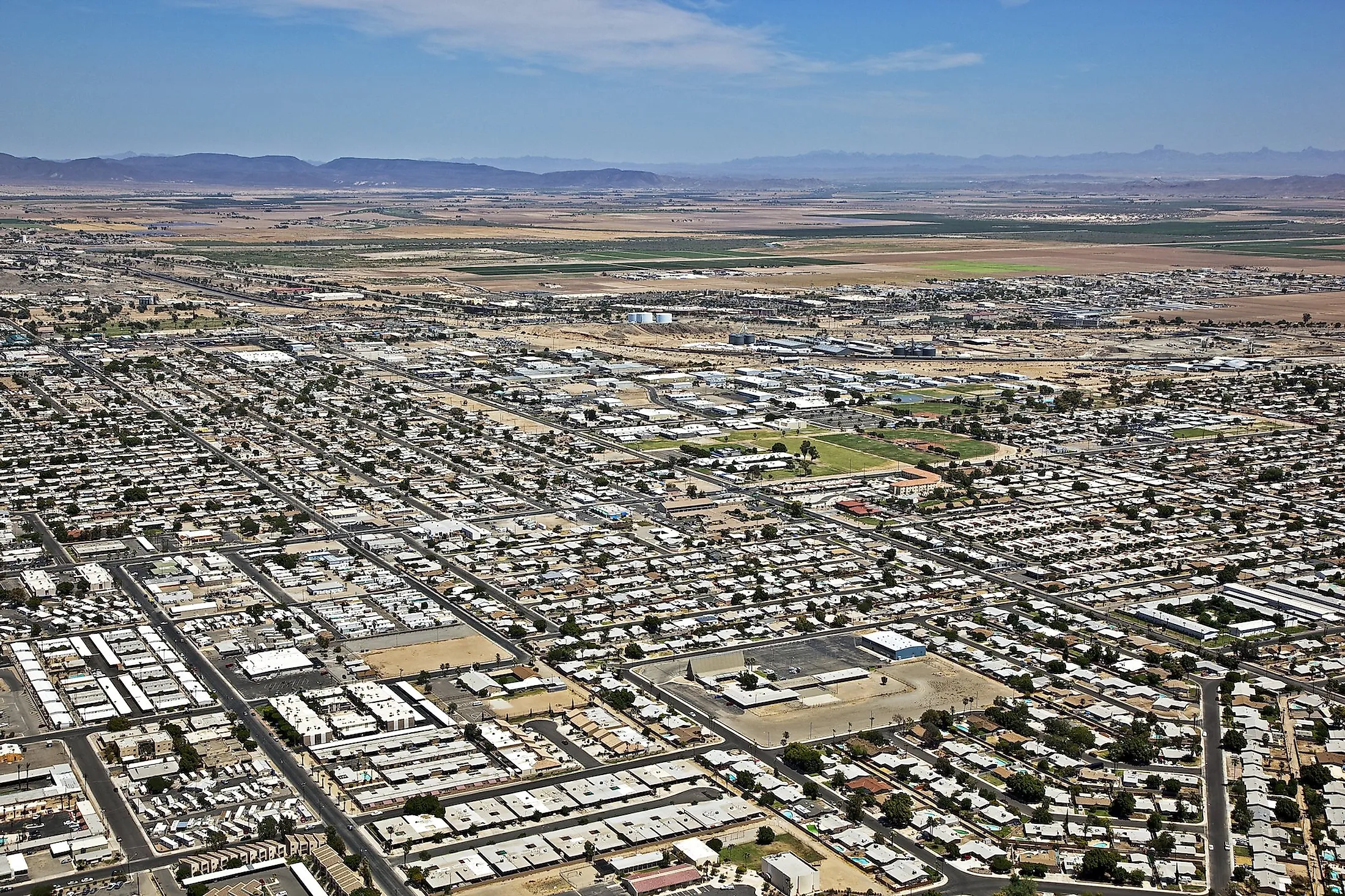
According to the most recent official estimates, the permanent, year-round population of the city of Yuma, Arizona, typically hovers around 100,000 residents. This figure represents the individuals and families who call Yuma home throughout the entire year, contributing to its ongoing economy, infrastructure, and community services. This core population forms the bedrock of Yuma’s identity, influencing the types of businesses that thrive, the educational institutions, and the essential services available to both residents and visitors.
The demographics of this permanent population are diverse, reflecting a mix of age groups and cultural backgrounds. Yuma’s strategic location near the U.S.-Mexico border and its significant military presence, primarily at Marine Corps Air Station Yuma (MCAS Yuma), contribute to a rich cultural tapestry. This diversity is often reflected in the local festivals, the variety of cuisines, and the overall welcoming atmosphere that tourists encounter. Understanding this permanent base helps tourists appreciate the authentic, year-round character of the city, distinct from its seasonal fluctuations.
The Snowbird Effect: Seasonal Influx
What truly sets Yuma’s population apart and makes it a fascinating study for tourism is the dramatic seasonal influx known as the “snowbird effect.” Every autumn, typically from October through April, the city experiences a massive surge in its temporary population. This phenomenon sees hundreds of thousands of seasonal residents, predominantly retirees from colder northern states and Canada, flocking to Yuma to escape harsh winters and enjoy the region’s warm, sunny climate.
Estimates suggest that during peak season, Yuma’s population can swell to anywhere between 150,000 and 200,000 or even more, effectively doubling its core residential numbers. This temporary population shift has a profound impact on every facet of the city, from traffic patterns and restaurant wait times to the availability of recreational activities and the overall economic landscape. For tourists planning a visit, understanding this seasonal dynamic is paramount, as it dictates the kind of experience one can expect. The vibrancy, events, and services available in the winter months are markedly different from the quieter, more localized feel of the summer.
The Impact of Population on Yuma’s Tourism Landscape
The dual nature of Yuma’s population – a stable year-round community augmented by a massive seasonal migration – directly shapes its tourism landscape. This demographic reality influences everything a visitor will experience, from the cultural nuances to the practicalities of navigating the city.
Local Culture and Community Vibe
During the winter months, the influx of snowbirds creates a lively, bustling atmosphere. The community parks, RV resorts, and golf courses become hubs of activity. There’s an undeniable sense of camaraderie among the seasonal residents, fostering a unique “snowbird culture” characterized by community events, casual social gatherings, and a slower, more relaxed pace of life. Tourists visiting during this time will find a city brimming with organized activities, craft fairs, farmers’ markets, and a palpable sense of warmth, both in temperature and social interaction. This is a time when the city feels vibrant and full of energy, with a diverse mix of ages and backgrounds.
Conversely, in the off-season (summer), when most snowbirds have returned north, Yuma reverts to its core identity. The city becomes quieter, focusing on its permanent residents. This period offers a more authentic glimpse into the daily lives of Yuma locals, with fewer crowds at attractions and a more intimate community feel. While some seasonal businesses may close, many local establishments continue to thrive, catering to the year-round population. For those who prefer a less crowded, more local experience, the summer months can be surprisingly appealing, despite the higher temperatures.
Culinary Scene and Local Flavors
The culinary landscape of Yuma is heavily influenced by its population dynamics. During peak season, the sheer volume of visitors and seasonal residents drives a demand for a wide array of dining options. This leads to a proliferation of restaurants, from casual eateries to fine dining establishments, often with extended hours and bustling atmospheres. Mexican cuisine, given Yuma’s border proximity, is a staple, but the diverse origins of the snowbirds also bring demand for various American comfort foods, international flavors, and healthy dining choices. You’ll find a lively breakfast and lunch scene, often filled with patrons discussing their morning golf rounds or planned excursions.
In the quieter summer months, the dining scene scales back somewhat. Some seasonal restaurants may close, and others might adjust their hours. However, this period often highlights the enduring local favorites – those establishments that cater primarily to the year-round residents. This is an excellent time for tourists to discover authentic, family-run restaurants, often serving traditional Yuma dishes or showcasing genuine local flavors that might be overshadowed by the broader offerings during winter. Seeking out these establishments can provide a more genuine taste of Yuma’s cultural heritage.
Activities and Attractions Shaped by Demographics
The size and seasonal variation of Yuma’s population directly influence the types of activities and attractions available, tailoring experiences for both the permanent residents and the transient visitors.
Outdoor Recreation and Nature Access
Yuma’s consistent sunshine and access to the Colorado River and vast desert landscapes make it an ideal destination for outdoor enthusiasts. During the winter, the mild temperatures are perfect for hiking, biking, off-roading, and golfing. The large snowbird population creates a significant demand for these activities, leading to well-maintained trails, numerous golf courses, and a thriving industry around RVing and adventure sports. Popular spots like Gateway Park and the East Wetlands Environmental Restoration Area become bustling hubs for recreation. Tourists will find abundant guided tours, rental services, and organized group activities tailored to exploring the natural beauty of the Yuma Desert.
In the summer, while outdoor activities continue, they shift to earlier mornings or later evenings to avoid the peak heat. The reduced crowds mean more solitude on trails and often better access to popular spots. Water-based activities on the Colorado River, such as kayaking, paddleboarding, and boating, become particularly popular for cooling off. The slower pace allows for a deeper appreciation of the serene desert environment, less focused on group outings and more on individual exploration.
Cultural Institutions and Events
The cultural calendar of Yuma is heavily weighted towards the winter months, aligning with the peak population. During this time, the city hosts a myriad of festivals, concerts, art shows, and community events. The Yuma Art Center, the Historic Yuma Theatre, and various local venues offer a packed schedule of performances and exhibitions. Historical sites like the Yuma Territorial Prison State Historic Park and the Colorado River State Historic Park see increased visitation, often offering special tours and interpretive programs. These events cater to the diverse interests of both the permanent and seasonal residents, creating a rich cultural tapestry for visitors to enjoy.
During the summer, while the number of large-scale events decreases, the cultural heartbeat of Yuma continues through its permanent institutions. Local museums, galleries, and community centers remain open, offering a more intimate experience. This is an excellent time to delve into Yuma’s deep history at a relaxed pace, explore local art, and perhaps even engage with resident artists and historians without the winter crowds. Local holidays and community-specific events still occur, offering a genuine insight into the year-round local life.
Practical Tips for Tourists: Navigating Yuma’s Seasons
Understanding Yuma’s fluctuating population is key to planning a successful trip, allowing tourists to tailor their visit to their preferences for crowd levels, activity types, and overall atmosphere.
Planning Your Visit: Peak vs. Off-Peak
Winter (October-April): This is Yuma’s peak season. Expect mild, sunny weather, vibrant social scenes, and a full calendar of events. However, also anticipate higher prices for accommodation, busier restaurants, and more crowded attractions. Booking accommodations, especially RV parks and popular resorts, well in advance is highly recommended. Traffic can be heavier, and popular dining spots might require reservations. This is the ideal time for those who enjoy a lively atmosphere, structured activities, and extensive social opportunities.
Summer (May-September): The off-peak season is characterized by intense heat, significantly fewer crowds, and a more laid-back pace. Accommodation prices are generally lower, and reservations are less critical. While many outdoor activities shift to early mornings or evenings, it’s an excellent time for water sports on the Colorado River or exploring indoor attractions. For budget-conscious travelers or those seeking a quieter, more authentic local experience without the bustling crowds, the summer can be a rewarding time to visit, provided you are prepared for the heat. Always carry water and plan activities during cooler parts of the day.

Engaging with Local Life
Regardless of the season, interacting with Yuma’s diverse population enriches the travel experience. In winter, engage with snowbirds at community events, share stories, and learn about their unique lifestyle. They often have valuable insights into local gems and activities. In summer, take the opportunity to connect with permanent residents, who can offer perspectives on the city’s year-round culture and provide recommendations for authentic local experiences.
Visiting local markets, independent shops, and community centers offers a chance to experience the true heartbeat of Yuma. Exploring neighborhoods beyond the main tourist strips can also reveal hidden culinary delights and local art scenes. Embrace the local pace, whether it’s the energetic buzz of winter or the relaxed calm of summer, and Yuma will undoubtedly offer a memorable and insightful travel experience.
LifeOutOfTheBox is a participant in the Amazon Services LLC Associates Program, an affiliate advertising program designed to provide a means for sites to earn advertising fees by advertising and linking to Amazon.com. Amazon, the Amazon logo, AmazonSupply, and the AmazonSupply logo are trademarks of Amazon.com, Inc. or its affiliates. As an Amazon Associate we earn affiliate commissions from qualifying purchases.