
The University of Arizona (UArizona) stands as a towering beacon in the heart of Tucson, Arizona, shaping not only the academic landscape but also profoundly influencing the local culture, economy, and visitor experience. Far more than just an educational institution, UArizona is a cornerstone of the community, drawing global attention for its groundbreaking research, vibrant campus life, and significant contributions across various fields. For tourists exploring Tucson, understanding what this esteemed university is known for unveils a rich tapestry of attractions, cultural touchstones, and opportunities for engagement that enhance any visit to the Sonoran Desert region.

A Global Hub for Pioneering Research and Academic Distinction
At its core, the University of Arizona is synonymous with innovation and academic rigor, particularly in areas that have a direct impact on our understanding of the universe and the advancement of human well-being. Its reputation as a research powerhouse attracts scholars and curious minds alike, making its affiliated facilities and public-facing projects compelling points of interest for visitors.
Leading the Exploration of Space and the Cosmos
Perhaps one of the most celebrated aspects of UArizona is its unparalleled leadership in space sciences and astronomy. The university’s expertise in planetary science, astrophysics, and optical sciences is world-renowned. Projects managed by UArizona researchers, such as the OSIRIS-REx mission, which successfully collected and returned a sample from an asteroid, regularly capture international headlines. The university’s Lunar and Planetary Laboratory is at the forefront of exploring our solar system, with scientists involved in missions to Mars, the outer planets, and even the distant Kuiper Belt.
For tourists, this translates into tangible attractions. The university’s Steward Observatory is a hub for astronomical instrumentation, including its renowned mirror lab, where colossal telescope mirrors for projects like the Giant Magellan Telescope are cast and polished. While the lab itself offers limited public access, the spirit of cosmic discovery permeates Tucson, evidenced by the region’s dark skies and numerous observatories. The university’s contributions to the James Webb Space Telescope further solidify its standing as a critical player in our quest to understand the universe.
Excellence in Optical Sciences and Advanced Technologies
Complementing its space endeavors, the Wyant College of Optical Sciences at UArizona is a global leader, often regarded as one of the best in the world. This college is pivotal in developing technologies that underpin everything from medical imaging and virtual reality to defense systems and astronomical instruments. Its innovative research fuels the tech industry and contributes significantly to Arizona’s reputation as a center for high-tech development. While not a direct tourist attraction in the traditional sense, the college’s impact is a source of immense local pride and signifies Tucson’s role in shaping future technologies.
Advancements in Biosciences and Health
Beyond the stars, UArizona is also widely recognized for its robust health sciences programs and biomedical research. The university is home to the University of Arizona Health Sciences, which includes colleges of medicine, nursing, pharmacy, and public health. Pioneering work at the Arizona Cancer Center and the BIO5 Institute focuses on critical health challenges, from cancer therapies to infectious diseases. This commitment to health innovation not only improves lives globally but also strengthens Tucson’s medical infrastructure, ensuring high-quality care for residents and visitors alike.
Enriching the Cultural and Sporting Landscape of Tucson
The University of Arizona is not merely an academic ivory tower; it is deeply interwoven with the cultural and social fabric of Tucson, offering a wealth of experiences for visitors. From world-class arts to electrifying sports, the university contributes significantly to the city’s appeal as a vibrant tourist destination.
A Hub for Arts, Culture, and Indigenous Heritage
The university actively enriches Tucson’s cultural scene. The UArizona Museum of Art houses an impressive collection spanning centuries and continents, offering a tranquil escape for art enthusiasts. The Arizona State Museum, the oldest and largest archaeological research museum in Arizona, provides deep insights into the region’s rich Native American cultures and archaeology, featuring extensive exhibits on indigenous peoples of the Southwest. This is an invaluable resource for understanding the historical context and vibrant living cultures of the area.
Additionally, the university’s various colleges and departments regularly host performances, lectures, and exhibitions, including theatrical productions, concerts by the School of Music, and dance recitals. The Flandrau Science Center & Planetarium offers engaging public shows and exhibits that bring science to life for all ages, perfectly aligning with the university’s strengths in astronomy and earth sciences. These venues provide diverse cultural enrichment opportunities that are accessible to the public, making the campus a dynamic cultural district within Tucson.
The Thrill of Arizona Wildcats Athletics
For many, the University of Arizona is synonymous with the Arizona Wildcats. The university boasts one of the most successful athletic programs in the Pac-12 Conference, particularly renowned for its men’s basketball team. Game days, especially at the iconic McKale Center, transform Tucson into a sea of red and blue, with passionate fans creating an unforgettable atmosphere. Watching a Wildcats game is a quintessential Tucson experience, offering a glimpse into the fierce local pride and community spirit. Beyond basketball, the university excels in sports like softball, baseball, and gymnastics, all contributing to a vibrant sporting culture that attracts fans and families alike.
Architectural Heritage and Iconic Campus Landmarks
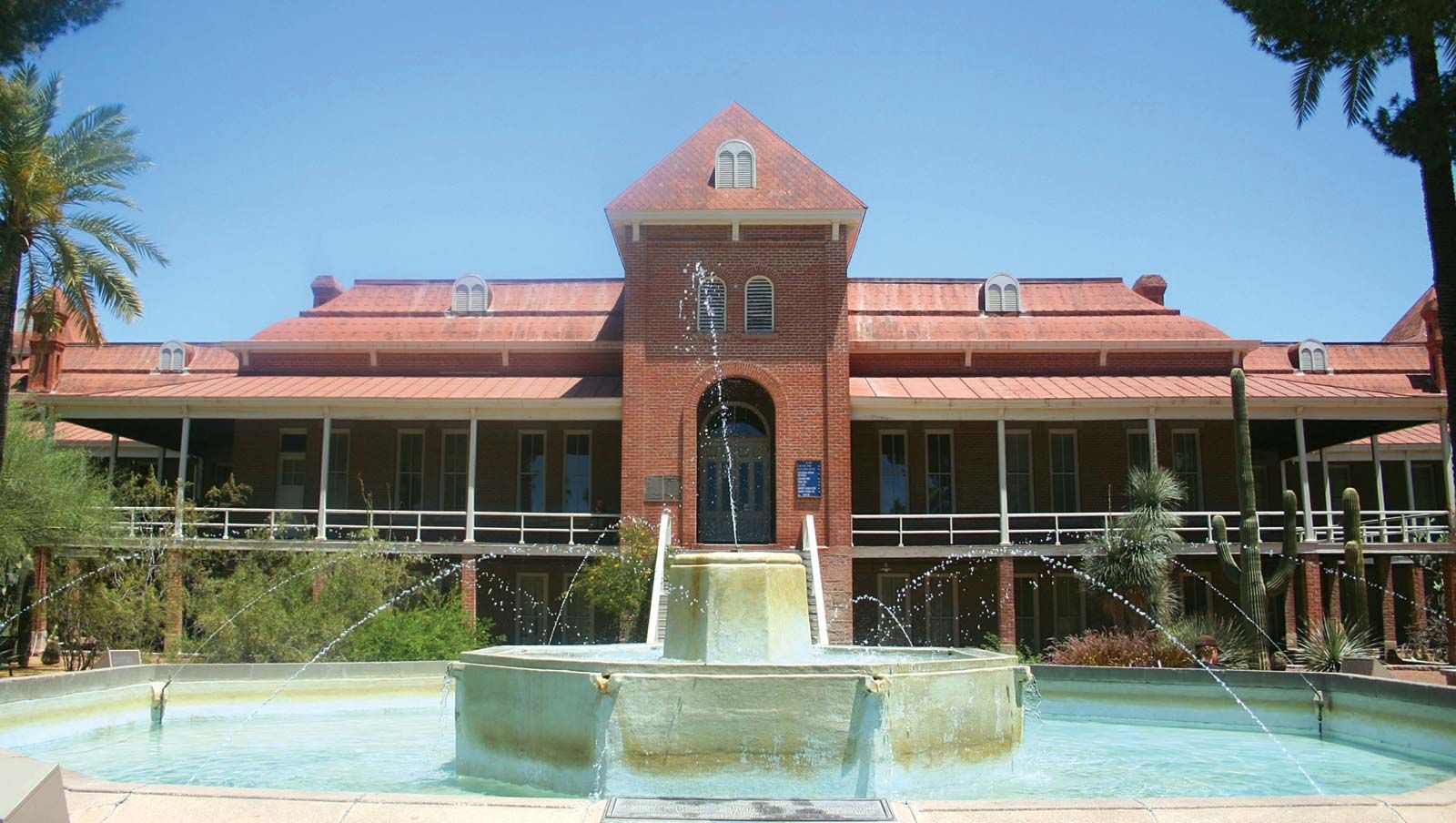
The UArizona campus itself is a landmark, featuring a blend of historic architecture and modern facilities. Old Main, the oldest building on campus, with its distinctive red brick and stately presence, serves as an enduring symbol of the university’s long history. The campus’s manicured grounds, diverse desert landscaping, and public art installations make it a pleasant place for a stroll. Self-guided tours or simply wandering through the picturesque pathways can be a rewarding activity for visitors interested in architecture, history, or simply enjoying the tranquil academic atmosphere.
A Catalyst for Economic Development and Community Engagement
The presence of the University of Arizona extends beyond research and culture, serving as a powerful engine for economic development and community engagement within Tucson and beyond. Its innovations often lead to new industries, job creation, and collaborative projects that benefit the wider population.
Fostering Entrepreneurship and Innovation
UArizona actively encourages entrepreneurship and the commercialization of its research. Numerous startups have spun out of university labs, bringing cutting-edge technologies and services to market. This entrepreneurial ecosystem helps diversify Tucson’s economy and creates a dynamic environment for innovation. For business travelers or those interested in the nexus of academia and industry, the university’s impact on the local economy is a testament to its forward-thinking approach.

Lifelong Learning and Public Outreach
The university is also known for its commitment to lifelong learning and public outreach. It offers a variety of programs, workshops, and lectures designed for the broader community, allowing individuals of all ages to engage with academic pursuits. These initiatives often touch on topics relevant to Arizona’s unique environment and culture, from desert ecology to astronomy, providing enriching educational opportunities for residents and long-term visitors. The university’s role in local conservation efforts, particularly regarding the surrounding Sonoran Desert and Catalina Mountains, also underscores its deep connection to the regional environment, an aspect highly valued by eco-tourists and nature lovers.
In essence, the University of Arizona is known for its multifaceted excellence. It is a world leader in space exploration, a beacon of optical science innovation, a pioneer in biomedical research, and a vibrant cultural and athletic hub. For tourists venturing to Tucson, understanding these key facets reveals a richer, more engaging destination, offering opportunities to explore science, art, history, and the exhilarating spirit of the Arizona Wildcats – all contributing to an unforgettable experience in the desert Southwest.
LifeOutOfTheBox is a participant in the Amazon Services LLC Associates Program, an affiliate advertising program designed to provide a means for sites to earn advertising fees by advertising and linking to Amazon.com. Amazon, the Amazon logo, AmazonSupply, and the AmazonSupply logo are trademarks of Amazon.com, Inc. or its affiliates. As an Amazon Associate we earn affiliate commissions from qualifying purchases.