
For any traveler embarking on a journey to the vibrant heart of the Sonoran Desert, understanding the local time is far more than a mere courtesy—it’s a fundamental aspect of seamless travel planning. When considering a trip to Phoenix, Arizona, a question that frequently arises, and one that holds particular significance, is “What time is it there?” The answer, while seemingly straightforward, carries unique implications for visitors due to Arizona’s distinctive approach to timekeeping. This guide delves into the specifics of Phoenix’s time zone, outlining how this affects everything from flight schedules to attraction timings and offering insights to help you make the most of your desert escape.

Understanding Arizona’s Unique Time Zone Status
Arizona stands apart from most of the United States in its time observance, a fact crucial for any traveler to grasp before their visit. This unique status shapes daily life and, consequently, the travel experience within the state.
Mountain Standard Time (MST) Year-Round
The vast majority of Arizona, including its capital city Phoenix, adheres permanently to Mountain Standard Time (MST). This means that clocks in Phoenix do not change throughout the year. MST is typically seven hours behind Coordinated Universal Time (UTC-7). This consistency eliminates the bi-annual confusion of “spring forward” or “fall back” that most other states experience. For travelers, this means one less adjustment to worry about upon arrival, yet it necessitates careful planning, especially when coordinating with individuals or businesses outside the state during certain months.
The Impact of No Daylight Saving Time
The key differentiator for Arizona is its exemption from Daylight Saving Time (DST). While the rest of the contiguous United States typically moves its clocks forward by an hour in March and back an hour in November, Arizona remains on MST. This non-observance creates a dynamic relationship with neighboring time zones:
- During Standard Time (Winter Months): From roughly November to March, Phoenix aligns with Mountain Standard Time. This puts it one hour ahead of Pacific Standard Time (e.g., California, Nevada), the same as Mountain Standard Time (e.g., Colorado, Utah), one hour behind Central Standard Time, and two hours behind Eastern Standard Time.
- During Daylight Saving Time (Summer Months): From roughly March to November, Phoenix remains on MST, while states observing DST move their clocks forward. Consequently, Phoenix aligns with Pacific Daylight Time (PDT). This means Phoenix will be the same time as Los Angeles or Las Vegas, but still one hour behind Mountain Daylight Time (MDT) (e.g., Denver, Salt Lake City), two hours behind Central Daylight Time (CDT), and three hours behind Eastern Daylight Time (EDT).
The sole exception within Arizona is the Navajo Nation, which does observe Daylight Saving Time. This creates a unique scenario for travelers exploring areas like the Four Corners region, where one might cross into or out of the Navajo Nation and experience an immediate one-hour time shift. For most visitors focusing on Phoenix and central Arizona, this specific exception is less relevant, but it highlights the state’s intricate time geography.
Why Time Matters for Your Phoenix Travel Plans
Understanding Phoenix’s time zone isn’t just an interesting fact; it’s a critical component of successful travel planning, directly influencing logistics, activities, and communication.
Flights and Arrivals: Navigating Time Differences
For many, the first interaction with Phoenix’s time zone will be upon arrival at Phoenix Sky Harbor International Airport. If you’re arriving from the West Coast during DST months, your flight schedule might feel seamless, as Phoenix will be on the same time. However, flying in from the East Coast means a three-hour time difference during DST and a two-hour difference during standard time. This can significantly impact your perceived arrival time and initial energy levels.
Always double-check your flight itinerary against Phoenix local time. An “8 PM arrival” from New York (EDT) means a 5 PM arrival in Phoenix (MST during DST), providing more daylight and potentially an extra evening activity. Conversely, departing Phoenix at 8 AM (MST) for the East Coast (EDT) means arriving at 2 PM, effectively “losing” several hours of your day. Accounting for these shifts is vital for ground transportation bookings, hotel check-ins, and avoiding initial travel stress.
Business Hours and Attraction Timings
The consistent MST throughout the year also affects the operating hours of attractions, restaurants, and other businesses. While most tourist destinations will clearly state their local operating hours, understanding the underlying time zone helps you interpret these schedules in relation to your own body clock and prior location.
Popular attractions like the Desert Botanical Garden, the Heard Museum, or the Musical Instrument Museum will open and close according to Phoenix’s consistent time. During the hotter summer months, many outdoor activities, such as hiking Camelback Mountain or exploring South Mountain Park and Preserve, are best undertaken in the early morning or late afternoon to avoid the peak heat. Knowing that Phoenix doesn’t observe DST means that these early mornings or late evenings will align differently with your internal clock if you’re coming from a DST-observing region. For example, a 6 AM sunrise hike in Phoenix during summer would feel like a 7 AM start to someone from California (PDT), making it potentially easier to get up.
Coordinating with Family and Friends Outside Arizona
Staying connected while traveling is a priority for many. When you’re in Phoenix, the constant MST can simplify or complicate communication, depending on the season and your contacts’ locations.
- During Winter (Standard Time): Phoenix is one hour ahead of the Pacific Time Zone. A 9 AM call from Phoenix would be 8 AM in Los Angeles.
- During Summer (Daylight Saving Time Period): Phoenix aligns with Pacific Daylight Time. A 9 AM call from Phoenix would also be 9 AM in Los Angeles.
These shifting differences necessitate a quick mental calculation or a reliable world clock app to ensure you’re not calling loved ones too early or too late. This is especially true for business travelers who might need to schedule calls with colleagues in different time zones.

Planning Your Phoenix Itinerary: Maximizing Your Day
The constant MST in Phoenix offers a unique advantage for travelers, especially when factoring in the region’s climate. Strategic planning around the clock can significantly enhance your experience.
Morning Activities and Early Starts
Given the desert heat, particularly from late spring through early fall, mornings are often the most pleasant time for outdoor exploration. The consistent time zone means that an early start in Phoenix during the summer can feel like an even earlier start for those from DST-observing regions. For instance, if you’re visiting in July, a 7 AM hike up Camelback Mountain or a walk through Papago Park feels like 7 AM local time. If you’re from California, that 7 AM Phoenix time is equivalent to 7 AM PDT, meaning your body clock is already accustomed to that morning hour. This makes it easier to rise with the sun and enjoy cooler temperatures for activities like golfing, cycling, or visiting outdoor markets.
Afternoon Adventures and Sunset Views
As the day progresses and temperatures rise, afternoons in Phoenix are ideal for indoor attractions or poolside relaxation. Museums, art galleries in Scottsdale, or shopping at one of Phoenix’s many malls provide a comfortable respite. As evening approaches, the desert transforms, offering spectacular sunsets. Knowing the precise local time for sunset (which varies by season) allows you to perfectly time your visit to a scenic overlook or a restaurant with a view. The absence of DST means that summer evenings, while still warm, offer prolonged daylight relative to those observing DST in a zone further east, allowing for extended outdoor dining or evening strolls.
Evening Entertainment and Dining
Phoenix’s culinary scene and vibrant nightlife come alive as temperatures cool. Dinner reservations, theater showtimes, or concert schedules are all set to MST. Travelers from the East Coast might find themselves eating dinner later than usual by their body clocks (e.g., an 8 PM Phoenix reservation would feel like 10 PM or 11 PM to them), while those from the West Coast during DST months will experience a perfectly aligned schedule. This subtle shift can influence everything from when you prefer to dine to how late you stay out enjoying Phoenix’s vibrant atmosphere.
Overcoming Time Zone Challenges
While Arizona’s consistent time can simplify some aspects of travel, arriving from a significantly different time zone can still present minor challenges.
Adjusting to Local Time: Tips for Jet Lag
For travelers coming from multiple time zones away, particularly the East Coast, even a two or three-hour shift can induce mild jet lag. To mitigate this:
- Pre-Adjust: If possible, begin shifting your sleep schedule by an hour or two in the days leading up to your trip.
- Hydrate: Drink plenty of water before, during, and after your flight to combat dehydration, which can worsen jet lag symptoms.
- Embrace Daylight: Upon arrival, expose yourself to natural light, especially in the morning. This helps reset your circadian rhythm to Phoenix time.
- Stay Active: Engage in light activities upon arrival to keep your energy up and help you sleep better at the appropriate local bedtime.
- Minimize Naps: While tempting, long naps can interfere with nighttime sleep. If you must nap, keep it short (20-30 minutes).
Staying Connected Across Time Zones
For ongoing communication with home or business, utilize technology. Most smartphones automatically update to the local time, but it’s always wise to have a world clock widget that displays your home time zone alongside Phoenix’s. Communicate your availability clearly to those back home, establishing specific windows when you’ll be reachable to avoid unexpected calls or missed messages. Apps like WhatsApp or Zoom can help schedule calls, often showing participants’ local times for convenience.
Beyond the Clock: Experiencing Phoenix’s Timeless Appeal
While understanding the clock is practical, the true essence of a Phoenix travel experience lies in embracing the destination itself.
Seasonal Considerations for Travel
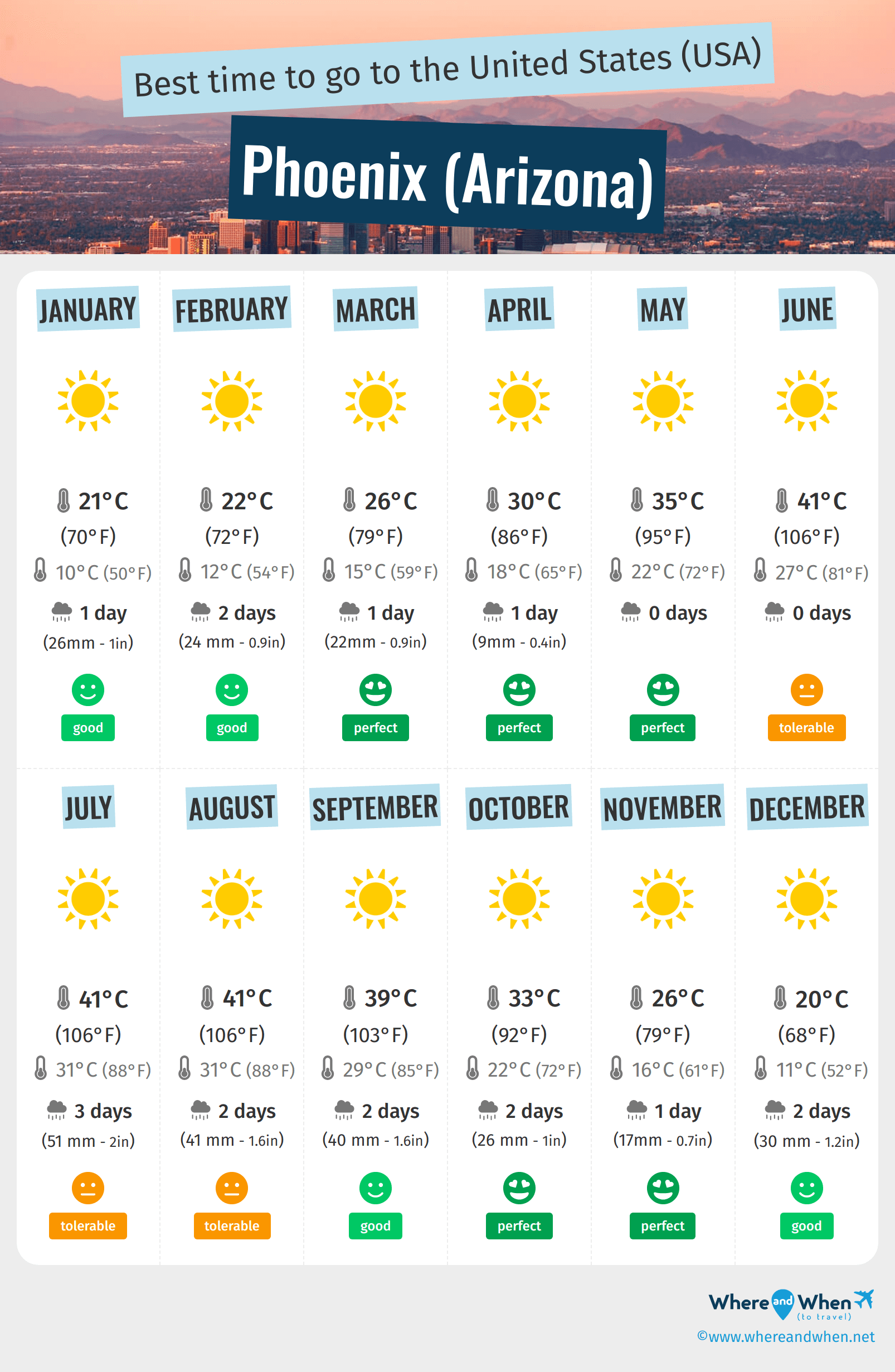
Phoenix’s consistent time zone is particularly beneficial when considering its distinct seasons. Winter is mild and pleasant, making it peak tourist season for outdoor activities. Summers are undeniably hot, but the unchanging MST means that early mornings and late evenings offer extended, consistent daylight for enjoying the city’s unique charm without the added confusion of a clock change. For instance, the summer “monsoon season” can bring dramatic afternoon thunderstorms, and knowing the reliable local time allows for better planning around these spectacular natural events.
Embracing the Desert Pace
Ultimately, the lack of Daylight Saving Time in Phoenix can be seen as an invitation to embrace a more consistent and perhaps relaxed pace. The desert dictates its own rhythms, and Phoenix’s unchanging clock mirrors this. Whether you’re exploring the vibrant arts scene, indulging in Southwestern cuisine, or venturing out to natural wonders like the Grand Canyon or Tucson (both also on MST), the city’s steady time offers a grounding element to your travel. So, when you ask “What time is Phoenix, Arizona?” remember that it’s always Mountain Standard Time, a constant in a world of shifting clocks, ready to welcome you to its unique and captivating landscape.
LifeOutOfTheBox is a participant in the Amazon Services LLC Associates Program, an affiliate advertising program designed to provide a means for sites to earn advertising fees by advertising and linking to Amazon.com. Amazon, the Amazon logo, AmazonSupply, and the AmazonSupply logo are trademarks of Amazon.com, Inc. or its affiliates. As an Amazon Associate we earn affiliate commissions from qualifying purchases.