
The very notion of snow in Arizona often conjures images of an improbable mirage, a fleeting illusion in a landscape dominated by saguaro cacti and sun-baked desert. Yet, to dismiss the Grand Canyon State as merely a realm of endless summer heat is to overlook its profound geographical diversity. Arizona is a land of dramatic elevation changes, from the scorching Sonoran Desert floor to towering alpine peaks, and it is in these higher altitudes that winter truly comes alive, transforming familiar vistas into breathtaking snow-dusted wonderlands. For travelers seeking a unique winter escape, or those simply curious about where to find genuine snowfall in a state renowned for its warmth, Arizona offers a surprising array of destinations that defy expectation.
Unveiling Arizona’s Winter Wonderland
Contrary to popular belief, Arizona’s climate is far from monolithic. While Phoenix and Tucson bask in mild winters, the northern and eastern regions of the state embrace a distinct, often snowy, cold season. This dramatic climatic contrast is primarily due to elevation. Much of northern Arizona sits on the Colorado Plateau, an expansive high-desert region, while several mountain ranges punctuate the state, with peaks reaching over 12,000 feet. These elevated areas reliably receive significant snowfall from December through March, creating prime conditions for winter sports and picturesque snowy landscapes that are a stark and beautiful contrast to the iconic desert imagery. Travelers can experience world-class skiing, serene snowshoeing, or simply enjoy the unique charm of historic towns blanketed in white, often just a few hours’ drive from warmer climes.
Northern Arizona’s Snowy Peaks and Plateaus
The northern half of Arizona is the state’s undisputed capital of snow, offering a range of experiences from bustling ski resorts to quiet, majestic national parks adorned in white.
Flagstaff: The Epicenter of Arizona Snow
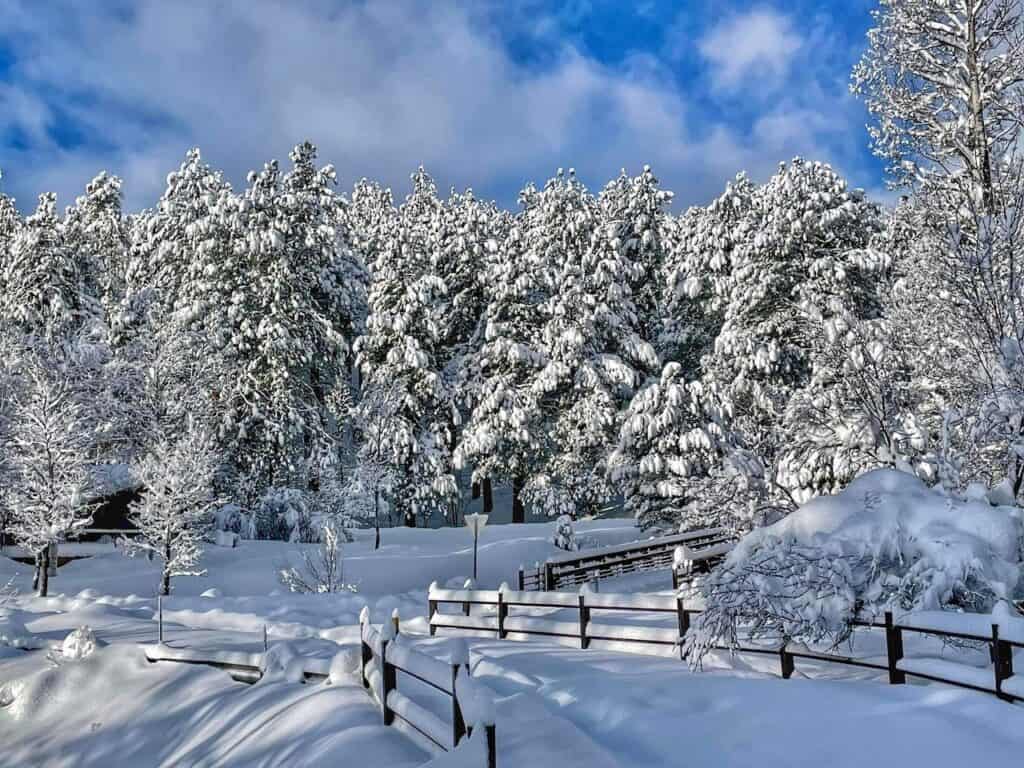
Perched at an elevation of approximately 7,000 feet, Flagstaff stands as Arizona’s premier winter destination. Flanked by the San Francisco Peaks, the city regularly receives over 100 inches of snow annually, making it a reliable choice for winter enthusiasts. The crown jewel of Flagstaff’s winter offerings is Arizona Snowbowl, one of the oldest continually operating ski areas in the Western United States. Located on the slopes of Mount Humphreys, the state’s highest peak, Snowbowl boasts over 777 skiable acres, 50 runs, and eight lifts, catering to skiers and snowboarders of all skill levels. Beyond downhill thrills, Flagstaff is a haven for cross-country skiing and snowshoeing, with numerous trails weaving through the Ponderosa pine forests of the Coconino National Forest. Popular spots include the Flagstaff Nordic Center and the trails near Snowbowl itself. The historic downtown Flagstaff area, with its charming boutiques, breweries, and eateries, feels particularly cozy and inviting when draped in a fresh blanket of snow, offering a perfect après-ski atmosphere. Even nearby attractions like Walnut Canyon National Monument take on a different, quieter beauty when snow lightly dusts its ancient cliff dwellings.
Sedona’s Red Rocks Dusting
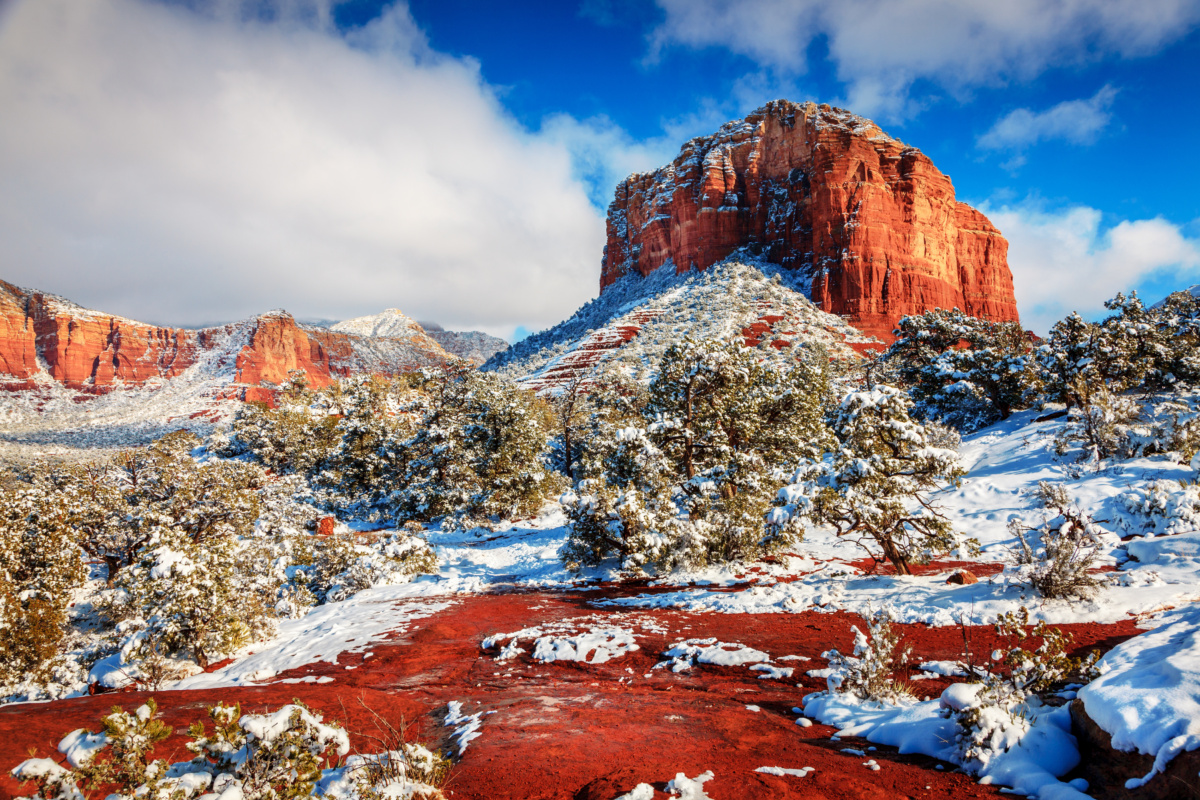
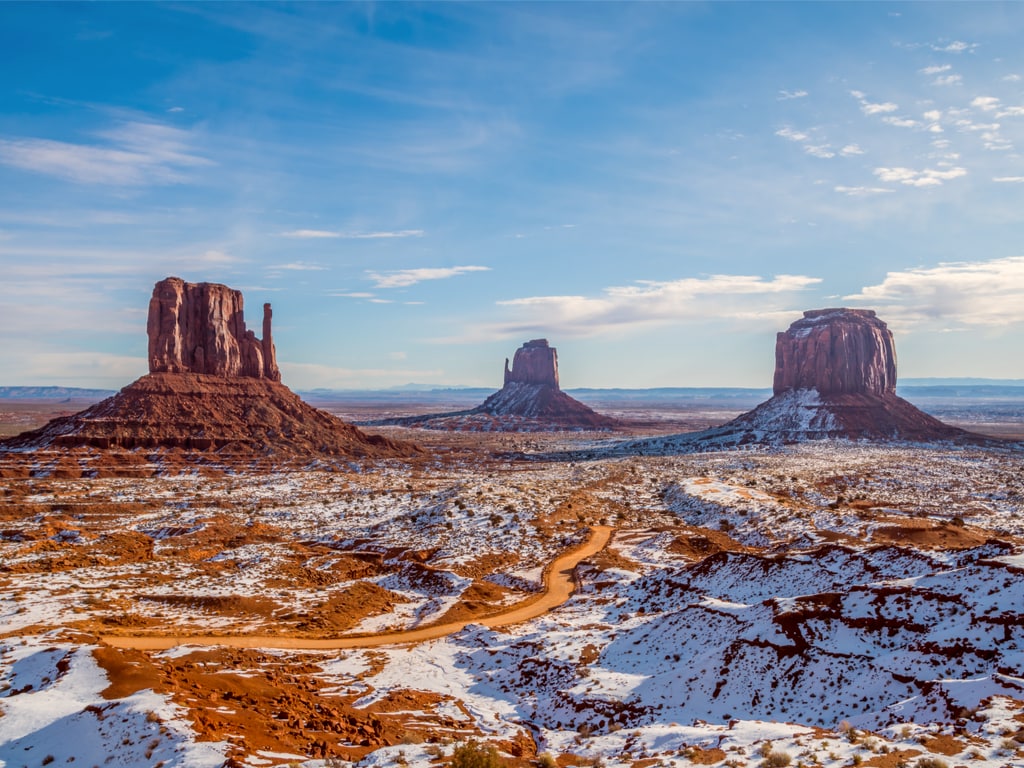
While not known for heavy, consistent snowfall, Sedona occasionally receives a dusting of snow, typically a few times each winter. When this phenomenon occurs, the effect is nothing short of magical. The vibrant red rock formations, iconic for their stark beauty against a blue sky, become even more ethereal when capped and contoured with fresh white snow. This juxtaposition of crimson and white creates unparalleled photographic opportunities and an utterly unique hiking experience. Trails that are popular year-round, such as those in Boynton Canyon or Cathedral Rock, offer a serene, contemplative beauty when visited under these rare snowy conditions. It’s an unpredictable but deeply rewarding winter travel experience that transforms the familiar into the extraordinary.
Grand Canyon National Park (South Rim)
The South Rim of Grand Canyon National Park, situated at an elevation of about 7,000 feet, offers some of the most spectacular winter vistas imaginable. Snowfall here is regular and often substantial, transforming the immense chasm into a quiet, white-rimmed masterpiece. Winter visits present several advantages: fewer crowds, crisp air, and the surreal beauty of snow clinging to the canyon walls and dusting the distant peaks. Popular viewpoints like Mather Point, Hopi Point, and Yavapai Point offer breathtaking panoramas, often enhanced by inversion layers where clouds fill the canyon below. While some services may be reduced, the main roads and viewpoints typically remain accessible. Hiking trails like the Bright Angel Trail or South Kaibab Trail can be treacherous with ice and snow but offer unparalleled solitude for experienced, well-equipped hikers. The Hermit Road scenic drive, usually only accessible by shuttle during peak season, is open to private vehicles in winter, providing a unique opportunity for a personal tour of its stunning overlooks.
Payson and the Mogollon Rim
South of Flagstaff, the town of Payson and the surrounding Rim Country also experience notable snowfall. The Mogollon Rim, a massive escarpment that stretches across central Arizona, marks the southern edge of the Colorado Plateau and offers stunning overlooks and dense forests perfect for winter recreation. At elevations ranging from 5,000 to 7,000 feet, Payson and towns like Pine and Strawberry receive enough snow for sledding, snow play, and even cross-country skiing on unmaintained forest roads and trails. The areas around Woods Canyon Lake and Willow Springs Lake, when accessible, become popular spots for snow activities, offering a more rustic and less crowded alternative to the larger resorts. This region is particularly appealing for families seeking accessible snow fun without the commitment of a full ski trip.
Beyond the Mainstream: Lesser-Known Snowy Spots
While northern Arizona draws the most attention for its winter offerings, other parts of the state also boast significant snowfall, inviting exploration for those willing to venture a little further.
Greer and the White Mountains
For an immersion into a true winter wonderland, the White Mountains in eastern Arizona are an exceptional choice. The small, picturesque community of Greer, nestled at over 8,000 feet, is often blanketed in deep snow throughout the winter months. This remote, tranquil area offers an idyllic escape for those seeking peace and natural beauty. The primary attraction here is Sunrise Park Resort, Arizona’s largest ski resort, boasting three mountains, 65 runs, and a dedicated snowboarding park. Sunrise provides extensive terrain for all skill levels and often receives abundant natural snowfall, complemented by snowmaking. Beyond downhill skiing, the White Mountains are a paradise for cross-country skiing, snowshoeing, and even ice fishing on frozen lakes. Cozy cabins and lodges in Greer offer a quintessential winter retreat experience, complete with crackling fireplaces and stunning views of the snow-covered landscape.
Prescott’s Historic Winter Charm
Prescott, Arizona’s former territorial capital, sits at an elevation of about 5,300 feet and occasionally experiences light to moderate snowfall. While not a consistent snow destination like Flagstaff or the White Mountains, when snow does fall, it transforms the historic downtown area, particularly the iconic Whiskey Row and the Yavapai County Courthouse Plaza, into a charming, postcard-perfect scene. The city embraces its “Christmas City” moniker, and a snowy December visit offers a particularly festive atmosphere. Visitors can enjoy strolling through the snow-dusted streets, exploring the Victorian-era architecture, and warming up in local coffee shops or historic saloons. The surrounding Prescott National Forest also offers trails that become accessible for light snowshoeing or winter hiking after a fresh snowfall, providing a serene natural escape just minutes from the city center.
Planning Your Arizona Snow Escape
Embarking on an Arizona snow adventure requires a bit of foresight, but the rewards are immense. The prime window for snowfall in these elevated regions typically runs from December through March, with January and February often being the snowiest months.
When planning, always check weather forecasts and road conditions, especially if traveling to higher elevations. Major highways like I-17 and I-40 can experience closures or require four-wheel drive and chains during heavy snowfalls. Packing layers is crucial, as temperatures can vary significantly, even within the same day. Essentials include waterproof outerwear, insulated boots, hats, gloves, and warm base layers. For those planning to ski or snowboard, consider renting equipment in advance or directly at the resorts.
Accommodations, especially in popular spots like Flagstaff and Greer, can book up quickly during peak winter weekends and holidays, so early reservations are highly recommended. Many lodges and hotels in these areas embrace the winter aesthetic, offering cozy amenities and easy access to snow activities.
Ultimately, experiencing snow in Arizona is about discovering an unexpected facet of a geographically rich state. It’s the thrill of skiing down a mountain in the morning and potentially exploring a desert landscape in the afternoon, witnessing the dramatic interplay of climates that defines this unique American destination. From the bustling slopes of Arizona Snowbowl to the serene, snow-capped grandeur of the Grand Canyon, Arizona’s winter offers a travel experience that is as surprising as it is unforgettable.
LifeOutOfTheBox is a participant in the Amazon Services LLC Associates Program, an affiliate advertising program designed to provide a means for sites to earn advertising fees by advertising and linking to Amazon.com. Amazon, the Amazon logo, AmazonSupply, and the AmazonSupply logo are trademarks of Amazon.com, Inc. or its affiliates. As an Amazon Associate we earn affiliate commissions from qualifying purchases.