
The USS Arizona Memorial stands as a profound and poignant tribute, marking the resting place of 1,177 crewmen who perished during the surprise attack on Pearl Harbor on December 7, 1941. Far from being a mere static structure, it is a dynamic testament to sacrifice, a historical anchor, and a powerful symbol of peace. Located in the serene waters of Pearl Harbor on the island of Oahu, Hawaii, this iconic landmark is more than just a site; it’s a journey into a pivotal moment in global history, an experience of somber reflection, and a critical educational resource. Its geographical placement is deeply intertwined with its historical significance, making it an essential destination for anyone seeking to understand the events that propelled the United States into World War II.
The Sacred Grounds of Pearl Harbor
The attack on Pearl Harbor remains one of the most defining moments of the 20th century. Before delving into the memorial’s exact location and structure, it’s vital to grasp the context of the hallowed ground it occupies. This naval base, once a bustling hub of military might, transformed into a scene of unimaginable destruction and heroism on that fateful Sunday morning. The USS Arizona Memorial is the central feature of what is now the Pearl Harbor National Memorial, a complex managed by the National Park Service. This broader memorial site encompasses several distinct attractions, each telling a facet of the Pearl Harbor story, but the USS Arizona Memorial holds a unique status as it floats directly above the sunken battleship.
A Place of Remembrance and Reflection
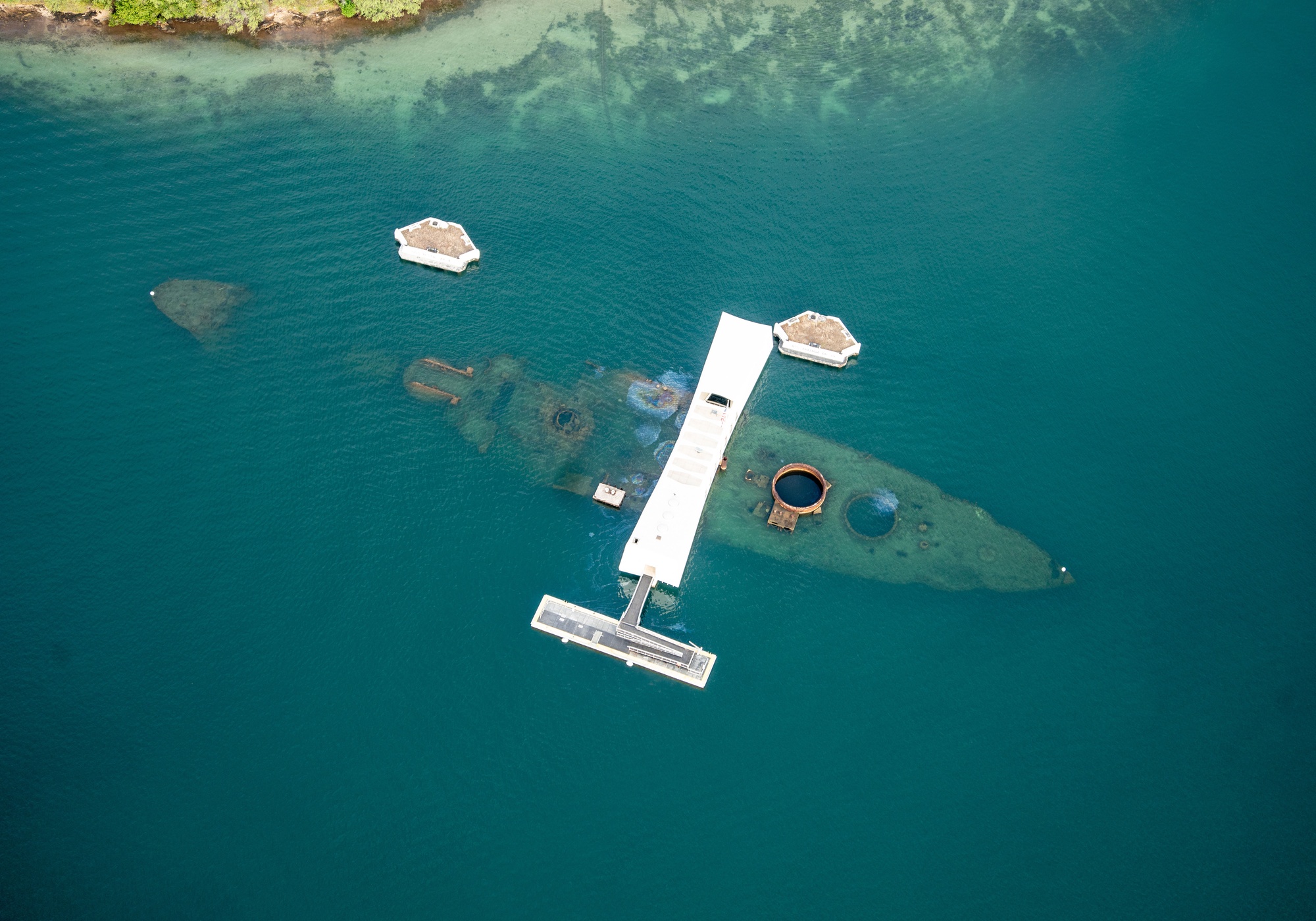
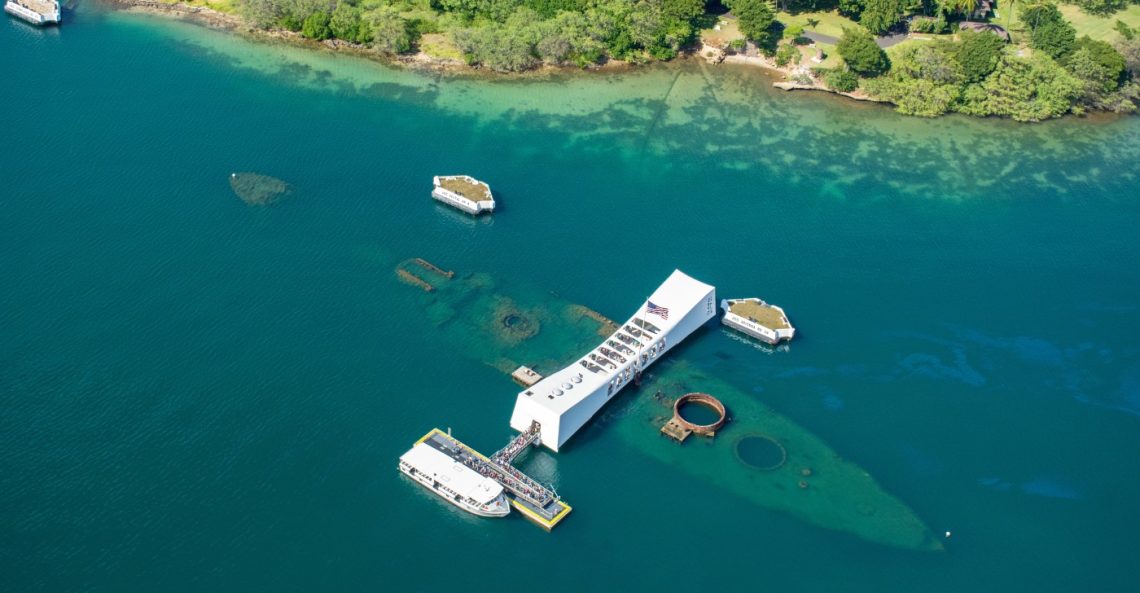
The memorial is built over the remains of the USS Arizona, which lies at a depth of approximately 40 feet in the waters of Pearl Harbor. This unique placement means visitors are not merely looking at a monument but are standing directly above the actual site of the tragedy, an active graveyard and a continuous reminder of the lives lost. The structure itself, a gleaming white concrete and steel edifice, does not touch the ship but spans its width, allowing visitors to look down upon the submerged deck and turrets of the battleship. This design fosters an immediate and profound connection to the past, grounding the experience in the stark reality of what occurred. The atmosphere here is one of quiet contemplation, where the gentle lapping of the water against the memorial’s base often contrasts with the heavy silence of visitors reflecting on the sacrifice made beneath their feet. It is a place where history is not just learned from books but felt in the soul, where the echoes of a distant battle resonate with contemporary visitors, reminding them of the fragility of peace and the immense cost of conflict. The memorial’s design expertly guides visitors through a narrative of remembrance, from the initial shock to the enduring legacy, making it an architectural embodiment of sorrow, honor, and resilience.
The Historical Context of December 7, 1941
To truly appreciate the USS Arizona Memorial, one must understand the pivotal events of December 7, 1941. On that Sunday morning, Japanese naval air forces launched a devastating surprise attack on the U.S. Pacific Fleet anchored at Pearl Harbor. The attack lasted just under two hours but resulted in the deaths of 2,403 Americans, including civilians, and wounded 1,178 others. Eight battleships were damaged, and four were sunk, including the USS Arizona. The ship took a direct hit from an armor-piercing bomb that penetrated its deck and ignited its forward magazine. The resulting explosion lifted the massive battleship out of the water, broke its keel, and caused it to sink in less than nine minutes, taking 1,177 of its crew members with it. Many of these men remain entombed within the ship, which serves as their final resting place. This catastrophic event galvanized a divided nation and led President Franklin D. Roosevelt to declare war on Japan the following day, plunging the United States into World War II. The memorial thus stands not just as a monument to those lost on the USS Arizona but as a symbol of the inception of America’s involvement in the global conflict, a turning point that forever altered the course of history.
Locating the USS Arizona Memorial
The USS Arizona Memorial is situated within Pearl Harbor, just west of Honolulu, Oahu, Hawaii. It is an integral component of the Pearl Harbor National Memorial, which was formerly known as the World War II Valor in the Pacific National Monument. The memorial itself is accessible only by boat, reinforcing its sacred and somewhat isolated nature.
Part of the Pearl Harbor National Memorial Complex
The Pearl Harbor National Memorial complex serves as the gateway to the USS Arizona Memorial. Visitors begin their experience at the Visitor Center on shore, where they can explore museums with artifacts from the attack, watch a 23-minute documentary film about the events of December 7, 1941, and engage with exhibits detailing the broader context of the war. From this mainland complex, the National Park Service operates a mandatory boat shuttle service to the memorial structure. This approach ensures a controlled and respectful environment, allowing visitors to fully immerse themselves in the historical narrative before stepping onto the memorial itself. Other sites within the complex, such as the USS Oklahoma Memorial and the Battleship Missouri Memorial on Ford Island, further enrich the historical understanding but the USS Arizona Memorial remains the poignant centerpiece due to its direct connection to the sunken battleship.
The Journey to Oahu, Hawaii
Traveling to the USS Arizona Memorial first requires reaching Oahu, Hawaii. The primary point of entry for international and mainland U.S. visitors is Daniel K. Inouye International Airport (HNL) in Honolulu. From Honolulu, the Pearl Harbor National Memorial is easily accessible by car, taxi, ride-share services, or public transportation (TheBus). The drive typically takes about 20-30 minutes from Waikiki, depending on traffic. Ample parking is available at the Visitor Center. Visitors often combine their trip to the memorial with visits to other significant landmarks on Oahu, such as the Punchbowl National Memorial Cemetery of the Pacific or Diamond Head, reinforcing Hawaii’s unique blend of natural beauty and profound historical depth.
Accessibility and Visiting Information
Visiting the USS Arizona Memorial is free, though demand for the boat program can be high, particularly during peak seasons. Tickets for the Arizona Memorial Program, which includes the film and boat ride, are distributed on a first-come, first-served basis each day, or can be reserved online in advance through the Recreation.gov website. It is highly recommended to reserve tickets online weeks or even months in advance to secure a spot, as walk-up tickets often run out early in the day. The entire experience, including the film, boat trip, and time on the memorial, typically lasts about 75 minutes. The memorial is generally open daily, excluding certain holidays like Thanksgiving, Christmas, and New Year’s Day. It is important for visitors to check the official National Park Service website for the most current operating hours, reservation policies, and any potential closures due to weather or maintenance, as the delicate nature of the historical site requires ongoing preservation efforts.
Design and Symbolism of the Memorial Structure
The architectural design of the USS Arizona Memorial is as significant as its location, intentionally crafted to evoke emotion and convey meaning. Designed by Alfred Preis, an Austrian-born architect who had been interned in Hawaii after the Pearl Harbor attack, the memorial was completed in 1962 and dedicated in 1962. His minimalist approach resulted in a structure that is both stark and profoundly moving, ensuring that the focus remains on the tragedy and the lives lost rather than on elaborate ornamentation.
Alfred Preis’s Vision
Preis’s design sought to represent “the initial shock, the ultimate defeat, but above all, the peace and tranquility of the end.” This vision is manifested in the memorial’s sagging center and strong, uplifted ends, symbolizing the initial attack and the nation’s eventual victory. The structure itself is a powerful architectural metaphor: while the middle sags, signifying the defeat and loss of that day, the two ends remain strong and resolute, representing hope and resilience. This stark, white concrete canopy spanning the battleship creates a solemn atmosphere, where natural light and the view of the sunken ship are integral to the visitor’s experience. The open-air design ensures a continuous connection with the waters of Pearl Harbor and the USS Arizona beneath, allowing for an uninterrupted flow of reflection and contemplation. The design avoids ostentation, ensuring the sacrifice of the sailors remains the primary focus.
The Three Parts: Entry, Assembly, and Shrine
The memorial is divided into three distinct sections, each contributing to the visitor’s emotional and historical journey. The first section is the Entry Room, which provides views of the harbor and the USS Arizona’s visible remains, such as a barbette and part of the main mast. This section sets a somber tone, preparing visitors for what lies ahead. The central section is the Assembly Room, a large open area with seven large windows on either side, commemorating the date of the attack (December 7th). From here, visitors can look down upon the sunken battleship’s deck, clearly seeing the outline of the vessel and remnants of its structure. The final section is the Shrine Room, a wall inscribed with the names of all 1,177 crew members who died on the USS Arizona during the attack. This wall serves as a powerful reminder of the individual lives lost, transforming the abstract tragedy into a personal, tangible list of names. In this room, visitors often leave leis or flowers in tribute, an act of reverence and respect that underscores the memorial’s role as a perpetual cemetery.
The Oil Seeping from the USS Arizona
Perhaps one of the most poignant and enduring symbols of the USS Arizona Memorial is the visible oil that continues to seep from the sunken battleship. For over eight decades, tiny droplets of oil, often referred to as “black tears” or “tears of the Arizona,” rise to the surface of the water, spreading into iridescent slicks before dissipating. These oil droplets serve as a continuous, living memorial, a tangible connection to the past and a visible reminder of the ship and the men entombed within. While the rate of leakage has slowed over the years, the phenomenon persists, ensuring that the USS Arizona continues to “weep” for its lost crew. This natural occurrence adds another layer of emotional depth to the site, allowing visitors to witness a direct and ongoing consequence of the attack, making the history feel incredibly present and alive. It is a powerful, almost mystical, element that transcends mere architecture, embedding the tragedy permanently into the natural landscape of Pearl Harbor.
The Enduring Legacy and Educational Significance
The USS Arizona Memorial is more than just a site of remembrance; it is a critical institution dedicated to education and the preservation of history. Its enduring legacy lies in its capacity to teach future generations about the sacrifices made, the consequences of conflict, and the importance of peace. Managed by the National Park Service, the memorial upholds a mission to honor, educate, and inspire.
Protecting a National Treasure
As an underwater shrine and a national monument, the USS Arizona wreck requires careful stewardship. The National Park Service continually monitors the ship’s condition, working to preserve its structural integrity and manage the environmental impact of the oil leakage. Advanced archaeological techniques, including remote sensing and underwater surveys, are employed to study the wreck without disturbing it. These efforts ensure that the USS Arizona and its memorial remain a protected historical resource for generations to come. The goal is not just to maintain the physical site but to safeguard the stories and lessons it embodies. The ship is slowly deteriorating, as is natural, but its protected status means it will continue to be a site of respectful remembrance for the foreseeable future.
Lessons from History
The USS Arizona Memorial serves as a profound classroom without walls. Through its exhibits, film presentations, and the sheer evocative power of the memorial itself, it teaches visitors about the complex causes and devastating effects of war. It highlights the importance of vigilance, diplomatic engagement, and the profound human cost of conflict. For many, a visit here is a stark reminder of the sacrifices made to secure freedoms and the need to pursue peace. The stories of courage, resilience, and unity that emerged from the tragedy are also central to the memorial’s narrative, inspiring visitors to reflect on their own roles in fostering a more peaceful world. It is a place where abstract historical facts transform into palpable human experiences, fostering empathy and a deeper understanding of global events.

Personal Stories and Connection
Beyond the grand historical narrative, the memorial connects with visitors on a deeply personal level. Many come seeking to honor family members who served or died at Pearl Harbor. The presence of survivors, often veterans of the attack, who share their testimonies, adds an invaluable human dimension to the experience. Their firsthand accounts imbue the cold facts with warmth, pain, and triumph, bridging the gap between past and present. The names inscribed in the Shrine Room are not just letters on a wall; they represent individuals with families, dreams, and futures cut short. This focus on individual sacrifice within a larger historical context ensures that the USS Arizona Memorial remains a potent symbol of remembrance, a landmark that profoundly shapes our understanding of history and the enduring human spirit.
LifeOutOfTheBox is a participant in the Amazon Services LLC Associates Program, an affiliate advertising program designed to provide a means for sites to earn advertising fees by advertising and linking to Amazon.com. Amazon, the Amazon logo, AmazonSupply, and the AmazonSupply logo are trademarks of Amazon.com, Inc. or its affiliates. As an Amazon Associate we earn affiliate commissions from qualifying purchases.