
Unearthing the Origins of a Southern Staple
The term “Boston Butt” often conjures images of a geographical origin that is, ironically, a bit misleading. Far from being a cut from the rear of a pig or exclusively from [Boston], this robust and flavorful piece of meat is, in fact, the upper part of the pork shoulder, including the blade bone. Its intriguing name is believed to have originated in [New England] prior to the American Revolutionary War. Back then, less prized cuts of pork were packed into barrels, known as “butts,” for storage and transport. The particular style of butchering and packing common in [Boston] became synonymous with this specific barrel, leading to the designation “Boston Butt.” This historical context imbues the cut with a unique cultural significance, particularly as it migrated south and became the undisputed king of slow-cooked barbecue.
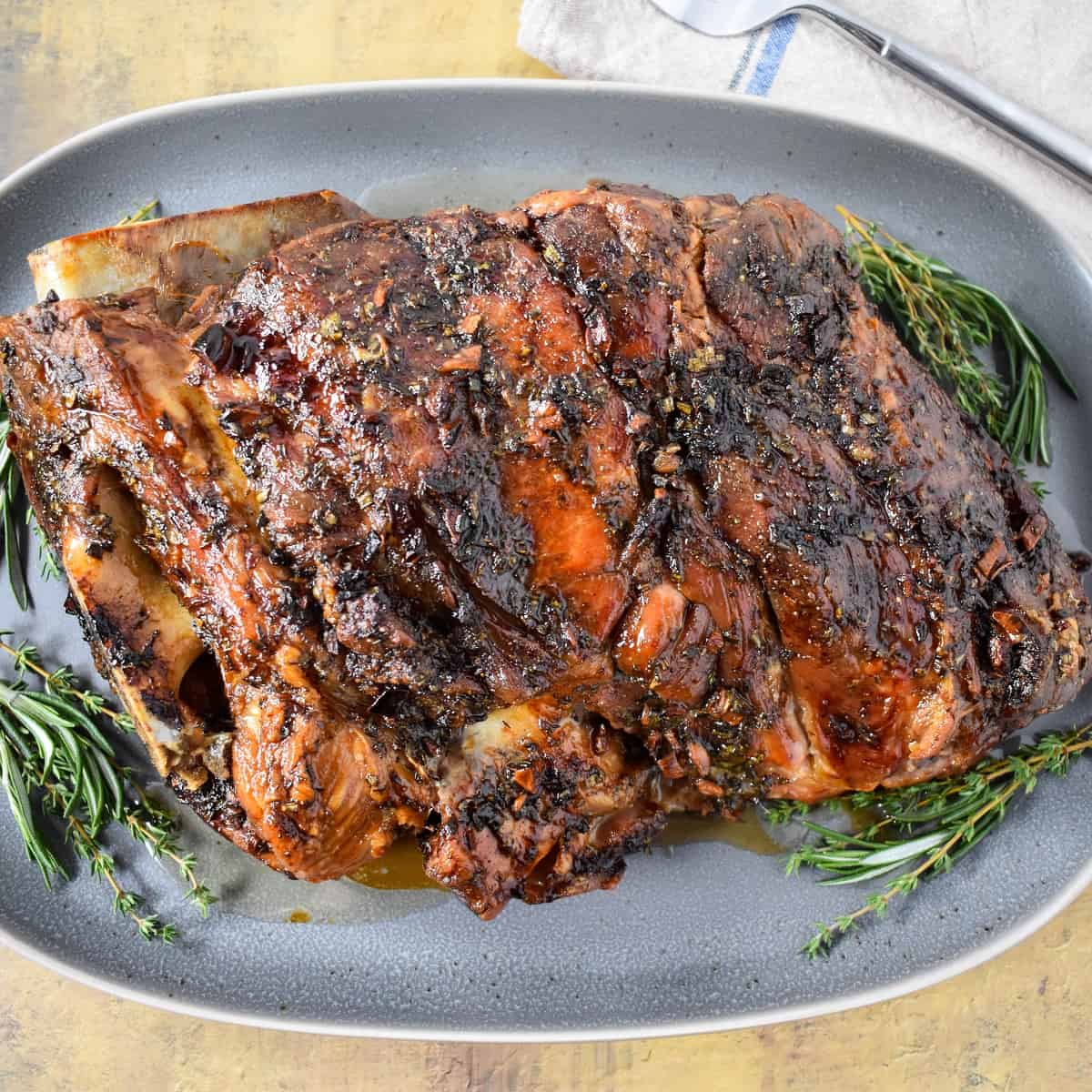
What is a Boston Butt?
At its core, a Boston Butt is the pork shoulder – specifically, the picnic shoulder and the pork butt (or Boston Butt as it’s known in the U.S.). It’s a relatively tough cut of meat, marbled with a significant amount of fat and connective tissue. These characteristics, while making it unsuitable for quick cooking methods, are precisely what make it perfect for the long, slow process of barbecue. The fat renders down, moistening the meat from within, while the connective tissues break down into gelatin, resulting in incredibly tender, succulent meat that practically falls apart. Understanding this inherent structure is the first step in appreciating its culinary potential and its deep connection to regional cooking traditions.
Its Place in Southern BBQ Culture
While its name hails from the north, the Boston Butt truly found its culinary apotheosis in the [Southern United States]. Here, it reigns supreme as the preferred cut for pulled pork, a dish synonymous with backyard barbecues, roadside stands, and competitive cook-offs across the region. The culture of [Southern BBQ] is diverse, with distinct styles emerging from states like [North Carolina], [South Carolina], [Texas], [Kansas City], and [Memphis]. Each region boasts its unique approach to rubs, sauces, and smoking techniques, but the [Boston Butt] remains a constant, a testament to its versatility and ability to absorb a myriad of flavors. It’s more than just a meal; it’s a social event, a heritage, and a delicious journey through regional identity. For tourists, tasting authentic pulled pork is an essential component of experiencing local culture and traditions, a culinary adventure that speaks volumes about the region’s heart and soul.
The Art of Slow Cooking: A Culinary Journey
The magic of a perfectly cooked [Boston Butt] lies in patience and precision. Transforming this humble cut into a masterpiece of flavor and texture is a journey that celebrates the art of slow cooking. It’s a process that requires attention to detail at every stage, from selecting the right meat to applying the final touches.
Choosing Your Cut
The foundation of any great pulled pork is the quality of the [Boston Butt] itself. Look for a cut that is well-marbled with fat throughout; this marbling is crucial for moisture and flavor during the long cooking process. A boneless [Boston Butt] can be easier to handle and shred, but a bone-in cut often imparts a richer flavor due to the bone marrow. The ideal weight for home cooking typically ranges from 7 to 10 pounds, allowing for ample meat without an overly cumbersome cooking time. Freshness is paramount, so choose meat from a reputable butcher or grocery store with good turnover. Remember, the journey to exceptional pulled pork begins with an exceptional piece of meat.
Rubs and Marinades: Crafting Flavor Profiles
Before the heat even touches the meat, a critical step is seasoning. A good dry rub is the backbone of flavor for pulled pork. While countless recipes exist, most share a common foundation of salt, black pepper, paprika (smoked paprika is a favorite for depth), garlic powder, onion powder, and often a touch of brown sugar to aid in caramelization and bark formation. Some regional variations might include cayenne pepper for heat, mustard powder for tang, or various herbs.
For those looking to infuse deeper flavor, a marinade can be used, though it’s less common for traditional pulled pork. However, injecting the [Boston Butt] with a savory liquid—often a mixture of apple cider vinegar, water, and spices—can add moisture and flavor from the inside out. Regardless of the method, allow the rub to sit on the meat for several hours, or ideally overnight, in the refrigerator. This allows the flavors to penetrate and work their magic, laying the groundwork for an unforgettable culinary experience. Different regional BBQ styles, such as [Carolina BBQ] with its vinegary tang or [Texas BBQ] with its simpler salt and pepper focus, derive much of their character from these distinct seasoning approaches.
The Smoking Process: Low and Slow
The quintessential method for cooking a [Boston Butt] is “low and slow” heat, typically in a [smoker] or oven. The goal is to cook the meat at a consistent, low temperature (around 225-275°F or 107-135°C) for an extended period, often 8-12 hours or even longer for larger cuts.
- Smoker: This is the preferred method for authentic barbecue flavor. Wood chips or chunks (hickory, apple, cherry, pecan, or oak are popular choices) are used to generate smoke, infusing the meat with a rich, smoky aroma. Maintaining a consistent temperature is key, often requiring careful management of vents and fuel.
- Oven: While it won’t impart the smoky flavor, an [oven] can still produce delicious pulled pork. Cook in a covered roasting pan to retain moisture. You can use liquid smoke or a smoky rub to mimic the flavor profile.
- Slow Cooker: For maximum convenience, a [slow cooker] can also be employed, though the bark will not develop as robustly.
- Temperature Control: Regardless of the method, monitoring the internal temperature of the meat with a reliable thermometer is crucial. The meat is considered “done” for shredding when it reaches an internal temperature between 200-205°F (93-96°C). It’s not just about reaching a safe temperature; it’s about breaking down those tough connective tissues into tender collagen.
Achieving Pulled Perfection: The Final Steps
The journey from a raw [Boston Butt] to tender, pull-apart pork is a testament to the transformative power of slow cooking. But even after hours on the heat, there are a few critical final steps to ensure your pulled pork achieves legendary status.
The Stall and the Wrap
During the smoking process, you’ll inevitably encounter “the stall.” This is when the internal temperature of the meat plateaus, sometimes for several hours, typically between 150-170°F (65-77°C). It’s caused by evaporative cooling as moisture from the meat escapes and cools the surface. Don’t panic; this is a normal part of the process. To push through the stall and accelerate cooking, many pitmasters employ the “Texas Crutch.” This involves wrapping the [Boston Butt] tightly in butcher paper or aluminum foil once it hits the stall. The wrap traps moisture and heat, allowing the temperature to rise more quickly and keeping the meat incredibly juicy. While some argue it softens the bark, the benefits of faster cooking and increased moisture often outweigh this. After wrapping, return the meat to the [smoker] or [oven] until it reaches the desired internal temperature.
Rest and Shred
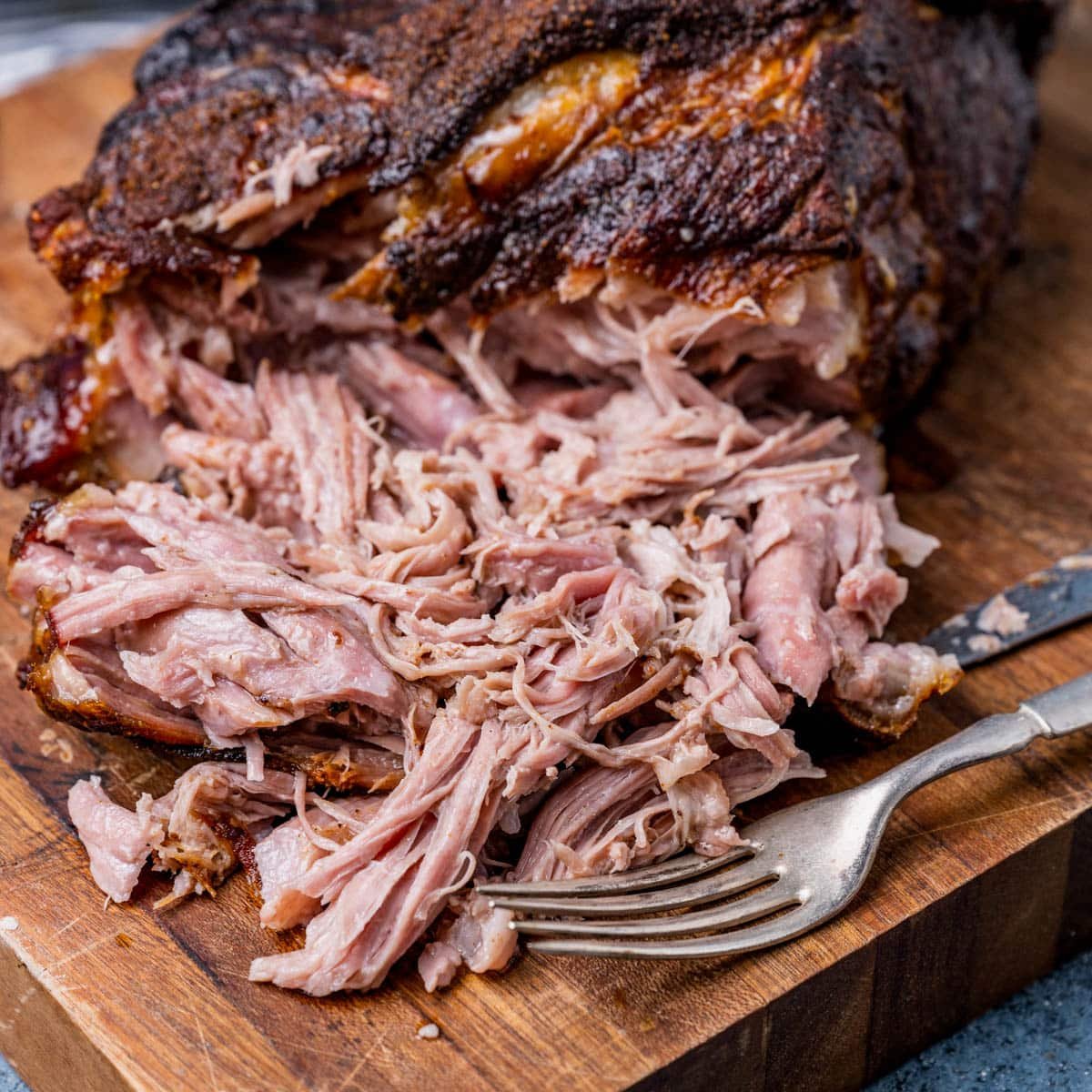
Once the [Boston Butt] reaches 200-205°F (93-96°C), it’s tempting to immediately start shredding. However, patience is key. Removing the meat from the heat and allowing it to rest for at least 30 minutes, or ideally 1-2 hours (still wrapped), is crucial. This resting period allows the muscle fibers to relax and reabsorb the juices that have been pushed to the surface during cooking, resulting in more tender and moist pulled pork. After resting, carefully unwrap the meat. The bone, if present, should slide out easily. Using two forks, bear claws, or even your clean hands, shred the pork into desired consistency. Discard any large pieces of unrendered fat or connective tissue, though some flavorful rendered fat can be mixed back in.
Serving Suggestions and Regional Pairings
Pulled pork is incredibly versatile, but it shines brightest when served simply. The classic presentation involves piling the tender, smoky meat high on a soft bun, perhaps with a dollop of [coleslaw] on top or on the side for a refreshing crunch. Other popular sides include [mac and cheese], [cornbread], baked beans, and potato salad.
The choice of [BBQ sauces] is where regional influences truly come into play:
- Vinegar-based: Popular in [North Carolina], these thin, tangy sauces cut through the richness of the pork.
- Tomato-based: Common in [Kansas City] and [Memphis], these sauces offer a sweet and savory balance.
- Mustard-based: A hallmark of [South Carolina BBQ], these sauces provide a distinct, zesty flavor.
Experiment with different sauces to find your personal favorite, or offer a variety to guests to embark on their own regional BBQ tour.
Experiencing Boston Butt Beyond Your Kitchen
While mastering the art of cooking [Boston Butt] at home is deeply rewarding, truly understanding its cultural significance often involves stepping out of your kitchen and into the heart of barbecue country. For tourists, experiencing pulled pork in its native environment is a culinary adventure that offers a unique window into local culture and heritage.
BBQ Festivals and Competitions
The [Southern United States] is dotted with numerous [BBQ festivals] and competitions throughout the year, serving as vibrant hubs for pitmasters, enthusiasts, and curious travelers alike. Events like the [Memphis in May International Festival] Barbecue Cooking Contest, one of the largest pork barbecue cooking contests in the world, offer an unparalleled opportunity to sample different styles, learn from seasoned professionals, and soak in the festive atmosphere. These festivals are not just about food; they are cultural celebrations, often featuring live music, artisanal crafts, and a strong sense of community. Attending one is a fantastic way to experience the passion and dedication that goes into perfecting this iconic dish, and to taste the nuanced differences that regional styles bring to the table.
Famous BBQ Joints to Visit
No culinary tour of the South is complete without a pilgrimage to some of its legendary barbecue establishments. These joints, often family-run for generations, serve as living museums of regional cuisine.
- In [Texas], while beef brisket often takes center stage, many establishments in cities like [Austin, Texas] and [Lockhart] also serve incredible pulled pork, reflecting the state’s broader BBQ expertise.
- [Kansas City, Missouri] is famous for its sweet, sticky, tomato-based sauces, and its pulled pork often comes with a rich, smoky bark. Institutions there offer a robust experience.
- [Memphis, Tennessee] is arguably the spiritual home of pork barbecue, particularly “dry rub” ribs and pulled pork sandwiches. The city is dense with famous eateries, each with its own loyal following and secret recipes.
- The Carolinas, with cities like [Charleston, South Carolina] and various towns in [North Carolina], offer a diverse range of pulled pork experiences, from whole hog roasts to shoulder-focused dishes with vinegar or mustard-based sauces.
Visiting these establishments allows travelers to savor the culmination of generations of culinary tradition, understand the subtle regional variations firsthand, and engage with the stories behind the food.

Bringing the Flavor Home
Experiencing authentic pulled pork at a roadside stand in [Memphis] or a bustling festival in [Austin, Texas] can be incredibly inspiring. Many travelers find themselves eager to replicate those flavors in their own kitchens, deepening their connection to the culture they’ve explored. Learning how to cook [Boston Butt] then becomes more than just following a recipe; it’s about recreating a memory, sharing a piece of a travel experience, and continuing the culinary journey. Whether you’re a seasoned pitmaster or a curious home cook, mastering this dish is a rewarding endeavor that keeps the spirit of Southern hospitality and flavor alive, long after your travels conclude. It’s the ultimate souvenir – a skill that brings joy and deliciousness to your own table, inviting others to share in the rich tapestry of barbecue culture.
LifeOutOfTheBox is a participant in the Amazon Services LLC Associates Program, an affiliate advertising program designed to provide a means for sites to earn advertising fees by advertising and linking to Amazon.com. Amazon, the Amazon logo, AmazonSupply, and the AmazonSupply logo are trademarks of Amazon.com, Inc. or its affiliates. As an Amazon Associate we earn affiliate commissions from qualifying purchases.