
The journey between Boston, Massachusetts, and Washington D.C., the nation’s capital, is a popular route along the bustling Northeastern Corridor of the United States. Spanning a significant distance, this route connects two historically rich and politically vital cities, offering travelers a diverse range of transportation options and experiences. Understanding the exact distance, estimated travel times, and the nuances of each mode of transport is crucial for planning a smooth and enjoyable trip.
The Northeastern Corridor: An Overview of the Journey
Traveling from Boston to Washington D.C. involves traversing a landscape that transitions from the historic charm of New England through the urban sprawl of major metropolitan areas to the governmental heart of the Mid-Atlantic region. This corridor is one of the most heavily trafficked in the country, facilitating millions of passenger and freight movements annually.
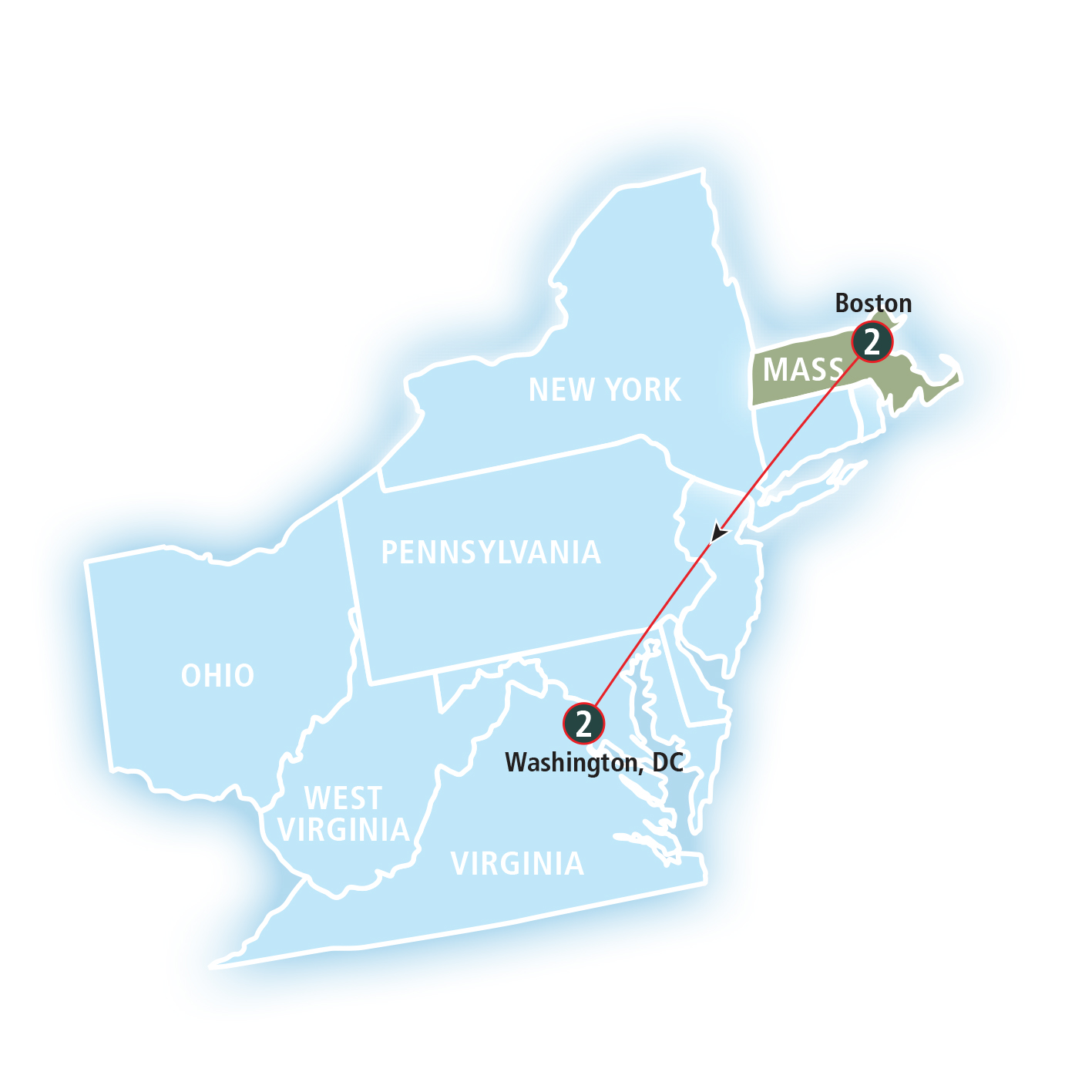
Geographical Distance and Travel Time Estimates
The approximate driving distance between Boston and Washington D.C. is around 440 miles (708 kilometers). This figure can vary slightly depending on the specific starting and ending points within each city and the exact route taken.
- By Car: Without significant stops, the drive typically takes between 7 to 9 hours. However, this is highly subject to traffic conditions, particularly when passing through major cities like New York City, Philadelphia, and Baltimore. Peak travel times, such as holiday weekends or rush hour, can significantly extend these estimates, sometimes adding several hours to the journey.
- By Train: High-speed rail services, like Amtrak’s Acela Express, can complete the journey in approximately 6.5 to 7 hours. The slower Northeast Regional service typically takes between 8 to 9 hours.
- By Air: Direct flights between Boston Logan International Airport (BOS) and Ronald Reagan Washington National Airport (DCA) have a flight time of about 1 hour and 15 minutes to 1 hour and 30 minutes. However, when factoring in airport transfers, security checks, boarding, and deplaning, the total travel time can easily extend to 4-5 hours door-to-door.
- By Bus: Bus travel is generally the longest option, with routes often taking 8 to 10 hours, sometimes more, due to scheduled stops and potential traffic delays.
Key Cities Along the Route
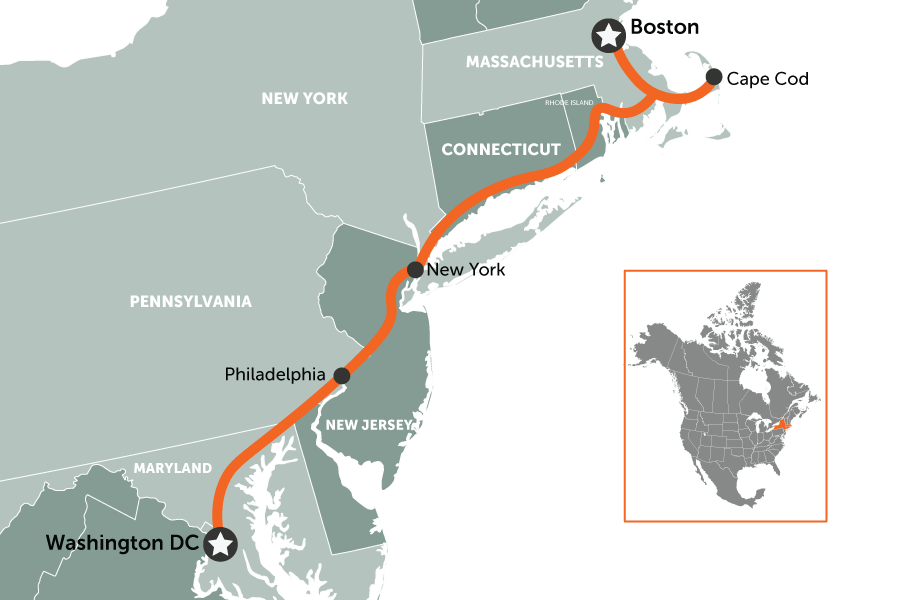
The primary driving route largely follows Interstate 95 (I-95) southbound, connecting a series of prominent urban centers. After departing Boston, travelers will typically pass through:
- Providence, Rhode Island
- New Haven, Connecticut
- New York City, New York
- Philadelphia, Pennsylvania
- Wilmington, Delaware
- Baltimore, Maryland
Each city presents a potential stopover, offering distinct attractions and amenities, although most direct travelers aim to bypass these city centers to save time. Rail and bus routes often follow similar paths, with scheduled stops in many of these locations. Air travel, naturally, provides a direct bypass over this congested corridor.
Modes of Transportation: Navigating the Distance
Choosing the right mode of transport depends on a traveler’s priorities regarding cost, speed, convenience, and the desire for flexibility or scenic experiences. Each option presents its own set of advantages and considerations.
Driving: Flexibility and Scenic Stops
Driving offers unparalleled flexibility, allowing travelers to depart and arrive on their own schedule, make spontaneous stops, and carry more luggage. The journey primarily follows I-95 for the majority of the trip.
- Pros: Freedom to explore, door-to-door convenience (especially with luggage), suitability for groups or families.
- Cons: Potential for heavy traffic, particularly around major metropolitan areas; tolls can add significantly to the cost; parking in both Boston and Washington D.C. can be expensive and challenging to find; the driver must remain focused for an extended period.
- Considerations: Plan your route in advance, use GPS with real-time traffic updates, factor in breaks for rest and meals, and budget for tolls and fuel. Weekday travel outside of rush hours or early morning departures can help mitigate traffic.
Rail Travel: The Acela Express and Northeast Regional
Amtrak operates the principal rail services along the Northeastern Corridor, offering a comfortable and often less stressful alternative to driving or flying for many travelers.
- Acela Express: This high-speed service is the fastest train option, featuring more spacious seating, power outlets, Wi-Fi, and a cafe car. It makes fewer stops, primarily in major cities, thus reducing travel time.
- Northeast Regional: A more economical and frequently available option, the Northeast Regional train makes more stops, extending the journey duration. It still provides comfortable seating, Wi-Fi, and a cafe car, making it a viable choice for budget-conscious travelers who prefer rail.
- Pros: Avoids traffic congestion, comfortable seating, ability to move around the train, often drops off passengers directly in city centers (e.g., Union Station in Washington D.C.), scenic views, especially in Connecticut and along the Hudson River for some variations.
- Cons: Less flexible schedules than driving, can be more expensive than bus travel, limited luggage allowance compared to driving.
- Considerations: Book tickets in advance, especially for the Acela Express during peak times, to secure better fares and availability.
Air Travel: Speed and Efficiency
For those prioritizing speed, flying is the quickest way to cover the distance between Boston and Washington D.C..
- Airports: Flights typically depart from Boston Logan International Airport (BOS) and arrive at either Ronald Reagan Washington National Airport (DCA), Dulles International Airport (IAD), or Baltimore/Washington International Thurgood Marshall Airport (BWI). DCA is the closest to downtown Washington D.C., making it a preferred choice for many travelers.
- Pros: Fastest actual travel time, useful for short trips or tight schedules.
- Cons: Total travel time can be extended by airport commute, security, and potential delays; can be expensive, especially for last-minute bookings; strict luggage restrictions; less environmentally friendly.
- Considerations: Book flights well in advance for the best prices. Factor in the time and cost of getting to and from the airports. Public transport options are available from DCA via the Metrorail system, and from BWI via MARC train or Amtrak. IAD is further out and generally requires a bus or taxi connection to the Metrorail.
Bus Services: Economical and Convenient
Bus travel is often the most budget-friendly option for the Boston to Washington D.C. route, with several companies offering regular services.
- Operators: Major operators include Greyhound, Megabus, and various smaller regional carriers.
- Pros: Most economical, frequent departures, often drops off and picks up in convenient downtown locations.
- Cons: Longest travel times, less comfort than train or air, subject to traffic delays, fewer amenities onboard compared to premium rail services.
- Considerations: Book online in advance for the best fares. Consider overnight buses to save on accommodation costs, though comfort for sleeping may be limited.
Planning Your Trip: Considerations for a Smooth Journey
Regardless of the chosen mode of transport, a well-planned trip enhances the overall travel experience.
Best Time to Travel
The Northeastern Corridor experiences distinct seasons, each with its own travel implications.
- Spring and Fall: Generally considered the best times to travel due to mild weather and beautiful foliage (fall). Traffic tends to be moderate, and tourist crowds are manageable.
- Summer: Popular for family vacations, leading to increased traffic, higher prices for flights and accommodation, and larger crowds.
- Winter: Can present challenges with snow and ice, potentially causing delays for all modes of transport, especially driving and air travel. However, it can also offer lower prices and fewer crowds.
- Weekends and Holidays: Expect heavier traffic and higher prices for all forms of transportation during holiday weekends and peak summer weekends.
Budgeting for Your Journey
Costs can vary widely based on the mode of transport, time of booking, and travel season.
- Driving: Factor in fuel costs (approx. 440 miles x average MPG), tolls (significant along I-95 in the Northeast), and potential parking fees.
- Train: Acela Express tickets are generally more expensive than Northeast Regional. Booking in advance offers the best rates.
- Air: Flight prices fluctuate significantly. Consider booking several weeks or months out. Also, account for baggage fees and airport transfer costs.
- Bus: Typically the most affordable option, but prices can still vary based on demand.
Packing Essentials and Travel Documents
- Identification: Always carry a valid photo ID.
- Comfort Items: For longer journeys, consider a neck pillow, blanket, headphones, and entertainment (books, loaded devices).
- Snacks and Drinks: While some options have onboard service, bringing your own can save money and cater to specific dietary needs.
- Power Bank: Essential for keeping electronic devices charged on long trips.
Making the Most of Your Journey
The trip from Boston to Washington D.C. is more than just covering distance; it’s an opportunity to observe the diverse fabric of the Northeastern United States.
Stops and Detours for Road Trippers
For those driving, several cities offer worthwhile detours, transforming the utilitarian drive into a mini-road trip.
- New York City: While getting into and out of the city can add considerable time, a brief stop near a subway station can allow for a quick visit to a landmark or a meal.
- Philadelphia: Easily accessible from I-95, Philadelphia offers historical sites like Independence Hall and the Liberty Bell, along with famous cheesesteaks.
- Baltimore: The Inner Harbor is a vibrant area with dining and attractions, just a short drive off I-95.
These stops can break up the monotony of driving and offer a glimpse into other major cities along the corridor, enriching the travel experience.
Onboard Experiences for Rail and Air Travelers
- Train: Enjoy the ability to read, work, or simply watch the scenery unfold. Amtrak offers large windows and comfortable seats, allowing for a relaxed journey. The cafe cars provide a place to stretch your legs and grab a meal or snack.
- Air: While shorter, the aerial views can be spectacular, especially during takeoff and landing. Use the flight time for focused work, reading, or watching pre-downloaded entertainment.

Arrival in Washington D.C.: First Steps
Upon arrival in Washington D.C., understanding immediate transportation options is key.
- Driving: Navigate to your accommodation and consider parking options in advance, as D.C. parking can be expensive and limited.
- Train: Arriving at Union Station puts you directly in the heart of the city, with easy access to the Metrorail, taxis, and ride-sharing services.
- Air: From DCA, the Metrorail Blue and Yellow lines connect directly to downtown. From IAD, the Silver Line of the Metrorail offers direct service. From BWI, take a shuttle to the BWI Rail Station for MARC train or Amtrak service to Union Station.
Ultimately, the distance between Boston and Washington D.C. is significant enough to require careful planning, but the well-developed infrastructure of the Northeastern Corridor ensures a variety of efficient and comfortable travel options to suit any preference or budget.
LifeOutOfTheBox is a participant in the Amazon Services LLC Associates Program, an affiliate advertising program designed to provide a means for sites to earn advertising fees by advertising and linking to Amazon.com. Amazon, the Amazon logo, AmazonSupply, and the AmazonSupply logo are trademarks of Amazon.com, Inc. or its affiliates. As an Amazon Associate we earn affiliate commissions from qualifying purchases.