
The journey between Boston, Massachusetts, and Providence, Rhode Island, is a well-trodden path for commuters, tourists, and business travelers alike. These two prominent New England cities, while distinct in character and scale, are remarkably close, making travel between them exceptionally convenient. Understanding the precise distance, available transportation methods, and typical travel times is crucial for anyone planning a trip along this popular corridor. Whether you’re considering a day trip, a weekend getaway, or regular commutes, the proximity of Providence to Boston offers a variety of efficient and accessible travel options.
The Proximity Defined: Distances and Travel Times
Geographically, Providence lies directly south of Boston, creating a straightforward travel route. The distance between the two cities is relatively short, making it an ideal journey for various modes of transportation. This close proximity means that a journey which might span several hours in other regions can often be accomplished in under an hour, depending on the chosen method and prevailing conditions.
Geographical Overview
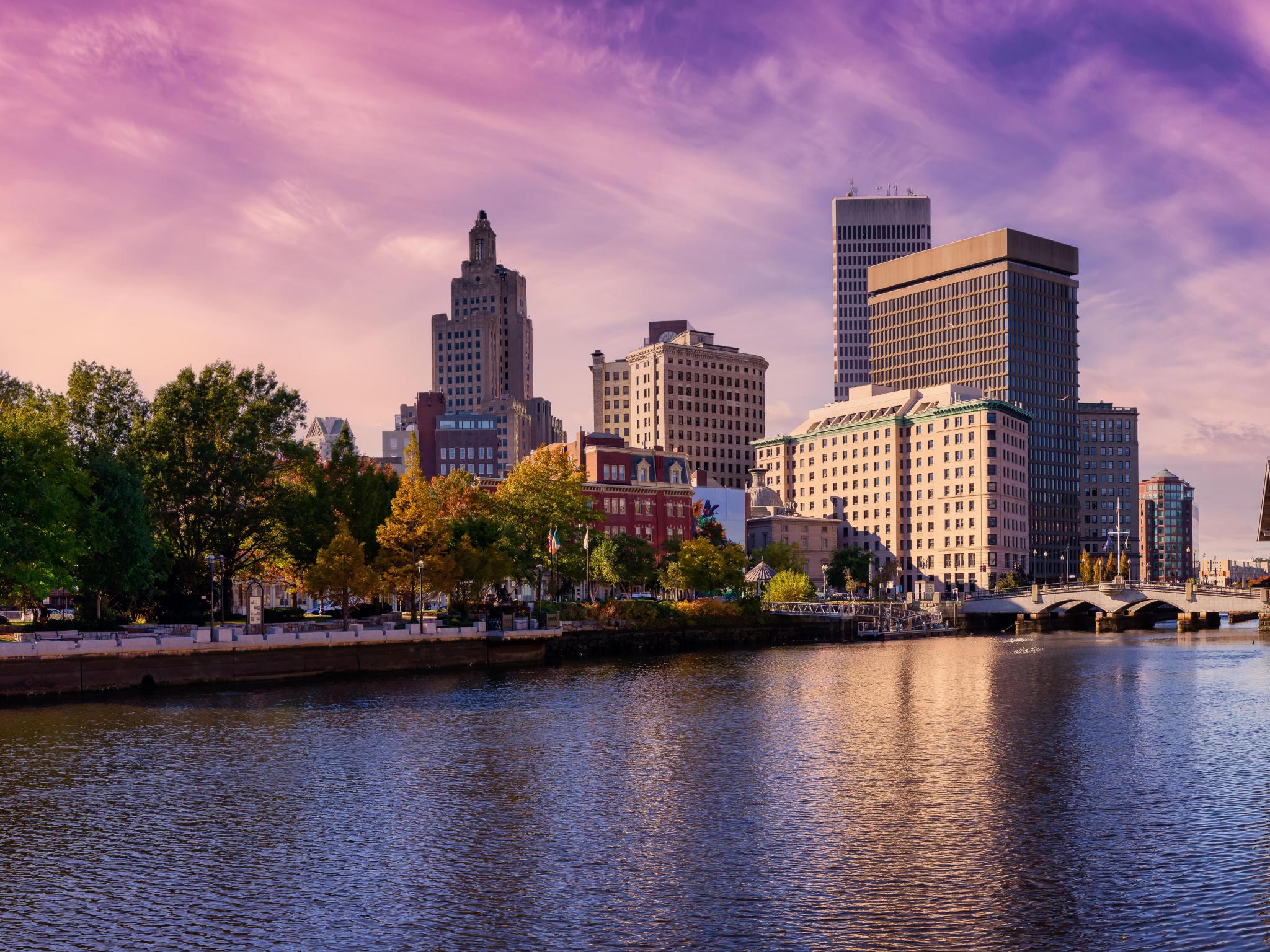
Boston, the capital of Massachusetts, is a major economic and cultural hub, famed for its historical significance and modern urban landscape. Providence, the capital of Rhode Island, offers a vibrant arts scene, a burgeoning culinary landscape, and a more intimate city experience. The roughly 50-mile (approximately 80 kilometers) stretch separating these two cities is predominantly flat, traversing a mix of suburban and industrial areas before opening up to the scenic coastal fringes of Rhode Island near Narragansett Bay.
Driving Distance and Time
For many travelers, driving offers the most flexibility. The primary route connecting Boston and Providence is Interstate 95 (I-95), a major north-south artery along the East Coast.
- Distance: Approximately 50 miles (80 kilometers).
- Travel Time: Under ideal conditions (no traffic), the drive typically takes around 50 minutes to 1 hour. However, travelers should factor in potential delays, especially during peak commuter hours. Rush hour traffic, particularly when entering or exiting Boston, can easily extend this travel time to 1.5 to 2 hours or more.
Public Transit Options
Public transportation offers a convenient and often more predictable alternative to driving, especially given the traffic congestion common on I-95. Both cities are well-connected by train and bus services.
- Train: The MBTA Commuter Rail (specifically the Providence/Stoughton Line) and Amtrak provide frequent service.
- Travel Time (Train): Approximately 30-45 minutes on express MBTA or Amtrak trains.
- Bus: Several bus companies operate routes between the cities.
- Travel Time (Bus): Typically 1 to 1.5 hours, depending on traffic and the number of stops.
Driving Between Boston and Providence
Driving provides unparalleled freedom to explore at your own pace, but it requires careful consideration of traffic patterns and parking. The primary highway route is straightforward, yet local knowledge can significantly enhance the experience.
Major Routes
The most direct and widely used route is I-95 South from Boston to Providence, and I-95 North for the return journey. This interstate is a multi-lane highway, generally well-maintained, but it is also one of the busiest stretches of road in New England.
Traffic Considerations
Traffic is arguably the biggest variable when driving between these two cities.
- Rush Hour: Avoid traveling during traditional rush hour periods (typically 6:30 AM to 9:30 AM and 3:30 PM to 6:30 PM on weekdays). Fridays, especially in the afternoon, can see extended heavy traffic as people leave Boston for weekend destinations.
- Weekends: While generally lighter than weekdays, weekend traffic can still be substantial, particularly on summer afternoons or during special events in either city.
- Construction: Road construction projects on I-95 are common and can cause unexpected delays. Checking real-time traffic apps before departure is highly recommended.
Parking in Boston and Providence
Parking can be a significant challenge, especially in downtown Boston.
- Boston: Parking garages are plentiful but can be expensive. Street parking is often limited and subject to strict regulations. Consider parking at an MBTA station outside the city center and taking public transit the rest of the way into Boston.
- Providence: Parking is generally more accessible and affordable than in Boston. There are numerous parking garages and metered street parking options throughout the downtown area, especially near major attractions and the train station.
Scenic Detours
While I-95 is the most efficient route, travelers with extra time may consider alternative, more scenic drives, particularly if their final destination is along the coast. One such option involves taking a route closer to the Narragansett Bay, which offers glimpses of charming seaside towns and coastal landscapes, though it will add considerable time to the journey.
Navigating by Public Transportation
Public transportation is a highly effective way to travel between Boston and Providence, offering a stress-free experience free from traffic woes and parking concerns.

MBTA Commuter Rail
The MBTA Commuter Rail offers frequent and reliable service on its Providence/Stoughton Line. This is often the preferred choice for commuters and day-trippers due to its speed and convenience.
- Departure/Arrival Points: In Boston, trains depart from South Station. In Providence, they arrive at Providence Station, conveniently located in the city center near the Rhode Island State House and various downtown attractions.
- Frequency: Service is robust, especially during weekday rush hours, with trains departing every 30-60 minutes. Weekend service is also available, though less frequent.
- Duration: The express trains can complete the journey in as little as 30 minutes, while others with more stops take closer to 45-55 minutes.
- Cost: Fares are zone-based. It’s advisable to check the official MBTA website for current pricing and ticket purchasing options.
Amtrak Acela and Northeast Regional
Amtrak also operates high-speed (Acela Express) and regional services (Northeast Regional) between Boston and Providence. While generally more expensive than the MBTA, Amtrak offers a comfortable and efficient travel experience, particularly for those looking for a slightly more premium option or traveling onward from these cities.
- Departure/Arrival Points: Same as MBTA: South Station in Boston and Providence Station in Providence.
- Duration: Amtrak often provides the quickest rail journey, sometimes as short as 25-30 minutes on Acela Express services.
- Cost: Varies significantly based on the type of train, time of booking, and seat class. Booking in advance usually yields better fares.
Intercity Bus Services
Several bus companies offer affordable and regular service between Boston and Providence.
- Companies: Major operators include Peter Pan Bus Lines and Greyhound.
- Departure/Arrival Points: In Boston, buses typically depart from the South Station Bus Terminal. In Providence, the main bus terminal is usually Kennedy Plaza in the downtown area.
- Duration: Bus journeys usually take between 1 to 1.5 hours, depending on traffic conditions and the specific route.
- Cost: Generally the most economical option, with fares often lower than train tickets, especially when booked in advance.
Optimizing Your Journey Between Cities
Making the most of your travel between Boston and Providence involves strategic planning and awareness of your options.
Best Times to Travel
For the quickest and least stressful travel, aim for off-peak hours.
- Weekdays: Mid-morning (after 9:30 AM) to early afternoon (before 3:30 PM) is ideal. Evenings after 7:00 PM are also usually smoother.
- Weekends: Early mornings or late evenings typically see lighter traffic and less crowded public transport.
Considering Day Trips vs. Extended Stays
The short distance makes a day trip highly feasible. You can enjoy Providence’s WaterFire, culinary scene, or historic sites from Boston, or vice-versa, without needing an overnight stay. However, both cities offer enough attractions to warrant an extended stay, allowing for deeper exploration.
Travel Apps and Resources
Utilize modern technology to enhance your travel.
- Traffic Apps: Google Maps, Waze, or Apple Maps provide real-time traffic updates, helping drivers navigate around congestion.
- Public Transit Apps: The MBTA and Amtrak have official apps that provide schedule information, real-time tracking, and mobile ticketing. Third-party apps like Citymapper can also be useful for comparing transit options.
- Ride-Sharing: Uber and Lyft are readily available in both cities, offering a door-to-door option, albeit at a higher cost than public transit.
Combining Modes of Transport
For maximum flexibility, consider combining different modes of transport. For instance, if driving into Boston seems daunting due to traffic, you could drive to an MBTA station just outside the city, park your car, and take the train the rest of the way. Similarly, arriving in Providence by train allows you to use local public transport or ride-sharing services for in-city travel.
Why Travel Between Boston and Providence?
Beyond the practicalities of distance and transport, the connection between Boston and Providence serves numerous purposes, highlighting the interconnectedness of New England.
Connecting New England Hubs
These cities serve as critical cultural, economic, and educational hubs. Travel between them facilitates business engagements, academic exchanges, and cultural exploration, enriching the entire region. Many residents of Rhode Island commute to Boston for work, while Boston residents frequently visit Providence for its distinct attractions and culinary scene.

Access to Regional Airports
The proximity also offers flexibility regarding air travel. Providence’s TF Green Airport (PVD) is a convenient option for many, particularly those seeking an alternative to Boston’s larger and often busier Logan International Airport (BOS). Travelers in one city can easily access the other’s airport, often finding better flight deals or more convenient routes. The MBTA Commuter Rail even has a stop directly at TF Green Airport, enhancing its accessibility from Boston.
Ultimately, the question “How far is Boston from Providence, RI?” is easily answered with a short distance and an array of convenient transportation choices. This accessibility solidifies the route as one of the most vital and frequently traveled corridors in New England, making planning your next journey between these vibrant cities a straightforward and enjoyable endeavor.
LifeOutOfTheBox is a participant in the Amazon Services LLC Associates Program, an affiliate advertising program designed to provide a means for sites to earn advertising fees by advertising and linking to Amazon.com. Amazon, the Amazon logo, AmazonSupply, and the AmazonSupply logo are trademarks of Amazon.com, Inc. or its affiliates. As an Amazon Associate we earn affiliate commissions from qualifying purchases.