
The Northeast Corridor: A Vital Travel Artery
The journey between Boston, Massachusetts, and Washington D.C., our nation’s capital, is a significant traverse through the historical and cultural heart of the United States. Understanding this distance and the various modes of transport available is essential for planning an efficient and enjoyable trip along the bustling Northeast Corridor. This passage offers more than just a commute; it’s an opportunity to connect with America’s foundational narratives and vibrant urban life.
Core Distance and Travel Time Estimates
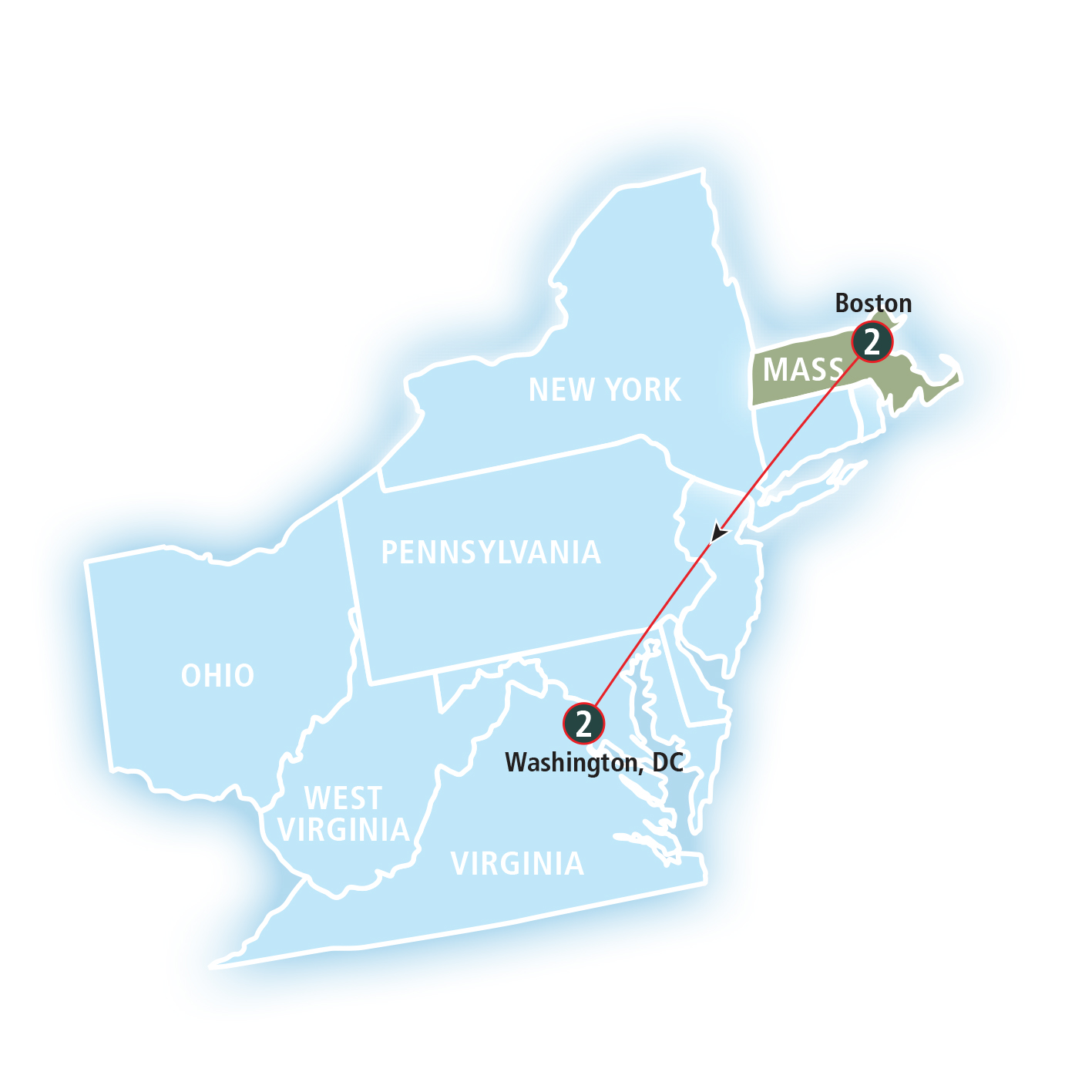
In terms of pure distance, Boston and Washington D.C. are roughly 394 miles (634 kilometers) apart “as the crow flies.” By road, the actual travel distance typically ranges from 430 to 440 miles (690 to 708 kilometers), depending on the specific route. Without major stops, a direct drive usually takes 7 to 9 hours. Train journeys on Amtrak average 6.5 to 8 hours, while flights are approximately 1.5 hours in the air, requiring additional time for airport procedures. This makes the door-to-door travel time for air and fast rail quite comparable for city-center to city-center travel.
Geographic and Historical Significance
This route passes through some of America’s most historically rich and densely populated areas. From Boston, often called the birthplace of the American Revolution, to Washington D.C., the seat of modern American democracy, the corridor offers a unique glimpse into the country’s evolution. Major cities like New York City and Philadelphia lie along the way, highlighting the strategic importance and vibrant cultural landscape of this region. The Northeast Corridor has always been a focal point for commerce, innovation, and political discourse, making the journey itself a passage through living history.
Choosing Your Mode of Transportation
Travelers have several excellent options for covering the distance between Boston and Washington D.C., each catering to different preferences for speed, cost, comfort, and flexibility. Selecting the best mode depends on your itinerary, budget, and desired travel experience.
By Air: Speed and Efficiency
Flying is the quickest way to cover the direct distance, with flight times averaging 1 hour 15 minutes to 1 hour 30 minutes. Direct flights depart from Boston Logan International Airport (BOS) to Ronald Reagan Washington National Airport (DCA) or Dulles International Airport (IAD). While short in air, total travel time including airport transfers, check-ins, and security can extend to 3-4 hours. DCA is notably closer to downtown Washington D.C., often making it the preferred choice despite potentially higher fares, due to its convenience and reduced ground travel time.
By Train: Comfort and Convenience with Amtrak
Amtrak offers a popular and comfortable alternative along the Northeast Corridor. The faster Acela Express completes the journey in approximately 6.5 hours, while the Northeast Regional service takes about 7.5 to 8 hours. Passengers enjoy spacious seating, Wi-Fi, and the ability to work or relax without the stresses of driving or airport security. Both Boston’s South Station and Washington D.C.’s Union Station are centrally located, offering seamless connections to public transport and city attractions. Train travel also provides scenic views of urban landscapes and coastal areas.
By Car: Flexibility and Exploration
Driving provides the ultimate flexibility for independent travelers. The 430-440 mile trip via Interstate 95 (I-95) typically takes 7-9 hours without significant stops. However, traffic in urban centers like New York City and Philadelphia can add considerable time. Be prepared for tolls, especially in New Jersey, Delaware, and Maryland. A road trip allows for spontaneous detours to charming towns or historical sites, transforming the journey into an adventure in itself, perfect for those who enjoy the open road and customizing their itinerary.
By Bus: Budget-Friendly Travel
Bus services like Greyhound and Megabus offer the most economical way to travel between the two cities. Travel times range from 8 to 10 hours or more, depending on traffic and scheduled stops, making it generally the slowest option. While slower, buses provide a direct city-center to city-center connection and basic amenities such as Wi-Fi and power outlets, making them an attractive option for budget-conscious travelers, students, or those who prefer not to drive or fly. The comprehensive network of bus routes offers accessibility and convenience for a wide range of travelers.
Enhancing Your Journey with Strategic Stopovers
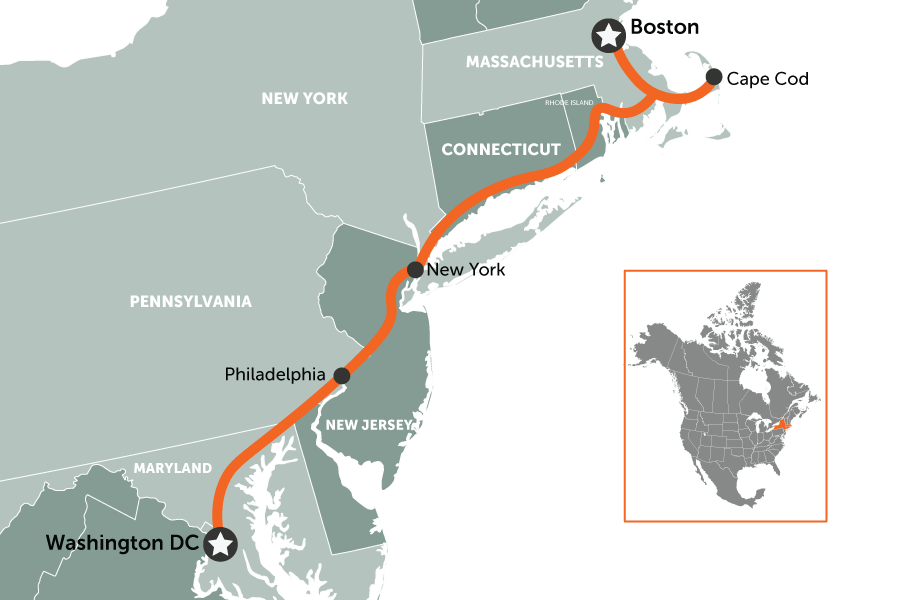
The corridor between Boston and Washington D.C. is rich with possibilities for enriching stopovers, turning a direct journey into a multi-destination exploration. Breaking up the drive or train ride can offer refreshing breaks and unique cultural experiences.
Iconic Stops: New York City and Philadelphia
The most popular and rewarding intermediate stops are New York City and Philadelphia. New York City offers unparalleled attractions like the Statue of Liberty, Times Square, and world-renowned Broadway shows, perfect for a vibrant urban interlude. Just a short distance south, Philadelphia, the “Birthplace of America,” invites visitors to explore sites such as the Liberty Bell and Independence Hall, alongside its famous culinary scene, including the classic cheesesteak. Both cities are easily accessible by train or car from the main route, offering a seamless way to immerse yourself in more American history and culture.
Exploring Other Mid-Atlantic Gems
Beyond the major hubs, smaller cities and towns offer unique charm and less crowded experiences. In Connecticut, New Haven boasts the prestigious Yale University and a thriving arts scene. Farther south, Baltimore, Maryland, presents its historic Inner Harbor, the National Aquarium, and Fort McHenry, the inspiration for the Star-Spangled Banner. These stops provide opportunities to delve deeper into regional history and culture, offering a diverse array of experiences that break up the travel and enrich the overall itinerary with local flavors and unique attractions.
Practical Planning for a Seamless Trip
Careful planning is paramount for a smooth and enjoyable journey between Boston and Washington D.C., covering everything from timing to essential preparations. Strategic decisions made before departure can significantly enhance the travel experience, ensuring comfort and efficiency.
Optimal Travel Seasons
Spring (April-May) and Fall (September-October) are generally the best times to travel, offering mild weather ideal for sightseeing and comfortable transit. Fall foliage in the northern parts of the route, particularly in New England, is particularly stunning. Summer (June-August) can be hot and humid, especially in Washington D.C., and tourist crowds are at their peak. Winter (November-March) brings colder temperatures and potential for snow, which can impact travel, but also offers unique holiday experiences in cities like New York City. Off-peak travel or weekday journeys often yield fewer crowds and better prices.
Packing and Documentation
Pack light and smart: layers are always recommended due to varying temperatures between cities and indoor/outdoor transitions. Comfortable walking shoes are essential for exploring the highly walkable cities of Boston and Washington D.C.. Don’t forget portable chargers for electronics, a power bank, and any necessary medications. For U.S. citizens, a valid government-issued ID is sufficient; international travelers require passports and any necessary visas. Keep digital and physical copies of important documents accessible. If driving, ensure vehicle maintenance is current, and have your license, registration, and insurance information at hand.
Budgeting and Booking Tips
Travel costs vary widely depending on travel mode, time of year, and booking lead time. Flights and Acela tickets are usually cheaper when booked several weeks or even months in advance. Factor in fuel, tolls, and parking if driving, as these can be substantial in city centers. Bus travel remains the most budget-friendly option. Utilize travel comparison sites and remain flexible with dates to secure the best deals on transportation and accommodation. Remember to budget for meals, attractions, local transit within your destination cities, and any desired souvenir purchases for a comprehensive travel plan.
Discovering Your Destinations: Boston and Washington D.C.
Upon arrival, both Boston and Washington D.C. offer distinct, immersive experiences deeply rooted in American history and vibrant modern life. Each city provides a unique lens through which to view the nation’s past, present, and future, promising memorable explorations.
Boston: Cradle of Liberty
In Boston, immerse yourself in history by walking the Freedom Trail, a 2.5-mile path leading to 16 significant sites like the Massachusetts State House, Paul Revere House, and Faneuil Hall. Beyond history, explore the charming North End for authentic Italian cuisine, stroll through Boston Common and the Public Garden, or visit world-renowned institutions like Harvard University in nearby Cambridge. The city’s efficient public transportation system, “the T,” makes navigating attractions effortless, allowing visitors to easily experience its revolutionary spirit and contemporary charm.

Washington D.C.: A Nation’s Capital
Washington D.C. is a monumental city showcasing American democracy and national pride. Begin at the iconic National Mall, home to the Lincoln Memorial, Washington Monument, and World War II Memorial. Explore the numerous free museums of the Smithsonian Institution, including the National Museum of Natural History and the National Air and Space Museum. Don’t miss views of the White House and us Capitol Building. The Metro system is excellent for getting around, allowing visitors to easily experience the capital’s unique blend of history, politics, and culture, from the solemnity of its memorials to the vibrancy of its diverse neighborhoods.
LifeOutOfTheBox is a participant in the Amazon Services LLC Associates Program, an affiliate advertising program designed to provide a means for sites to earn advertising fees by advertising and linking to Amazon.com. Amazon, the Amazon logo, AmazonSupply, and the AmazonSupply logo are trademarks of Amazon.com, Inc. or its affiliates. As an Amazon Associate we earn affiliate commissions from qualifying purchases.