
Embarking on a journey from the historic streets of Boston to the vibrant music scene of Nashville involves more than just selecting a destination; it requires understanding the intricate details of travel time. While the direct flight itself offers a relatively swift passage, the full scope of your trip, from leaving your home to arriving at your final destination in Music City, encompasses various factors that collectively determine your total travel duration. For those planning their itinerary, whether for business or pleasure, a clear understanding of flight times, layovers, airport logistics, and even geographical nuances is essential.

The Direct Route: Non-Stop Flight Durations
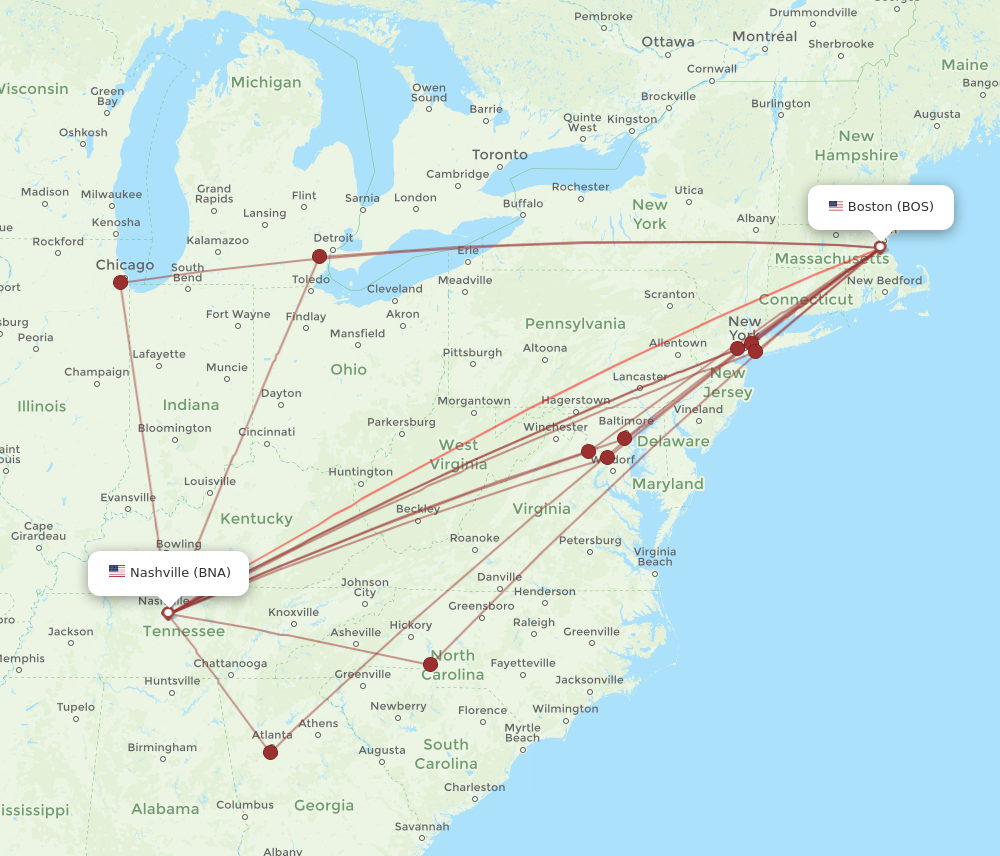
The most straightforward way to travel from Boston to Nashville is via a non-stop flight. These flights typically span a duration of approximately 2 hours and 30 minutes to 3 hours and 5 minutes. This relatively quick airtime covers the roughly 930-mile distance between Boston Logan International Airport (BOS) and Nashville International Airport (BNA).
Several factors can cause slight variations in this flight duration. Tailwinds, for instance, can occasionally shave a few minutes off the journey, while headwinds might add a bit of time. Air traffic control patterns, runway availability at either airport, and the specific aircraft model being used by the airline can also play minor roles. However, passengers can generally expect the flight to stay within the aforementioned window.
Major airlines frequently operate direct services on this route, offering travelers a range of options. Carriers such as Southwest Airlines, American Airlines, Delta Air Lines, and JetBlue Airways are common providers, each offering different schedules, amenities, and fare classes. When booking, it’s advisable to check the specific flight time advertised by the airline, as these figures are the most accurate for your chosen service. Opting for a direct flight significantly reduces the overall travel stress and time, making it the preferred choice for many travelers prioritizing efficiency.
Connecting Flights: Adding Time and Complexity
While non-stop flights offer the fastest air travel, connecting flights are a common alternative, often chosen for their potential cost savings or for travelers departing from areas without direct service. However, they inherently extend the total journey time considerably.
The duration of a connecting flight itinerary from Boston to Nashville can range dramatically, typically between 4 to 8 hours or even longer, depending on the length and number of layovers. A layover, the period spent at an intermediate airport between flights, is the primary factor driving this increased duration. Short layovers might be as brief as 45 minutes to an hour (though these can be risky for tight connections), while longer ones can stretch for several hours, sometimes even necessitating an overnight stay.
Common cities for layovers on this route include major hubs such as Charlotte (CLT), Atlanta (ATL), Philadelphia (PHL), Washington D.C. (DCA/IAD), and Chicago (ORD/MDW). Each of these airports has its own operational efficiencies and potential for delays, which can further impact the overall travel time.
The decision between a direct and a connecting flight often boils down to a trade-off between cost and convenience. While connecting flights may offer more budget-friendly fares, the added time, potential for delays, and the hassle of navigating multiple airports are important considerations. Travelers with tight schedules, those traveling with children, or individuals who prioritize comfort will often find the premium for a direct flight to be a worthwhile investment. Conversely, budget-conscious travelers or those with flexible schedules might view connecting flights as an opportunity to save money.
Beyond Airtime: The Full Travel Journey
Understanding the actual flight duration is just one piece of the puzzle. The comprehensive travel journey from Boston to Nashville extends far beyond the time spent in the air, encompassing critical ground transportation and airport processing times. Overlooking these elements can lead to unexpected stress or missed flights.
Getting To and From the Airports
The journey begins before you even step foot in the airport. In Boston, reaching Boston Logan International Airport can vary significantly based on your starting point and the time of day. During peak rush hour, traffic can turn a seemingly short drive into a prolonged ordeal. Public transportation options, such as the MBTA Blue Line to Airport station followed by a free shuttle, or the Silver Line directly to terminals, offer reliable alternatives, but still require planning. It’s wise to factor in at least 30 minutes to 1 hour for transit to Logan, plus buffer time for unexpected delays.

Upon arrival at Nashville International Airport, similar considerations apply for reaching downtown Nashville or your specific accommodation. Taxis, rideshare services, and the WeGo Public Transit bus service are available. The drive to downtown Nashville typically takes around 15 to 25 minutes under normal traffic conditions, but this can extend during busy periods or special events.
Airport Procedures and Waiting Times
The time spent at the airport for check-in, security, and boarding is a significant, yet often underestimated, component of total travel time.
- Check-in: If you are checking luggage or haven’t completed online check-in, allow extra time at the airline counter. Even with online check-in, bag drop-off can sometimes involve a queue.
- Security Lines: Navigating security checkpoints is a variable process. While programs like TSA PreCheck or Clear can significantly expedite this, standard security lines at both Logan and Nashville International Airport can range from a swift 10 minutes to over an hour during peak travel times. It’s always safer to overestimate this period.
- Boarding: Airlines typically begin the boarding process 30 to 45 minutes before the scheduled departure time, and gates usually close 10-15 minutes prior. Being at the gate well in advance allows for a stress-free boarding experience.
- Deplaning and Baggage Claim: After landing, deplaning can take 10-15 minutes, and waiting for checked luggage at baggage claim can add another 15-30 minutes, depending on the carousel efficiency.
As a general rule, for domestic flights, it is recommended to arrive at the airport at least 2 hours before your scheduled departure. Factoring in travel to the airport, this could mean an additional 2.5 to 3 hours added to your airtime, even for a non-stop flight. For connecting flights, the time spent between arriving and departing from an intermediate airport also adds significantly to the total journey.
Optimizing Your Boston to Nashville Travel
Maximizing efficiency and comfort during your trip from Boston to Nashville involves strategic planning and informed choices. By considering various factors, you can significantly enhance your travel experience and manage your total travel time effectively.
Choosing the Right Flight
The initial decision between a non-stop and a connecting flight is paramount. While non-stops are pricier, their unparalleled convenience and reduced travel time often outweigh the cost for many. If budget is a primary concern, be prepared for longer journeys with layovers. Furthermore, consider the time of day for your flight. Early morning flights often experience fewer delays than those later in the day, which can accumulate delays from previous legs. Conversely, a red-eye might get you to Nashville earlier but could impact your rest. Researching airline baggage allowances and seat comfort also contributes to a smoother journey.
Enhancing Your Airport Experience
Minimizing friction at the airport can shave off precious minutes and considerable stress. Utilize mobile boarding passes to bypass check-in counters, and whenever possible, travel with carry-on luggage to avoid bag drop lines and baggage claim waits. Programs like TSA PreCheck or Clear are invaluable investments for frequent travelers, drastically reducing security wait times. For longer layovers, consider access to airport lounges, which offer a more comfortable environment than the bustling terminal. Always keep an eye on your airline’s app or airport screens for real-time updates on gate changes or delays.
Best Time to Book and Travel
The timing of your booking and your travel dates can significantly influence both the cost and the duration of your travel experience. Flexibility with your travel dates, even by a day or two, can often unlock more convenient flight times or lower fares. Avoiding peak travel seasons, such as major holidays, spring break, or popular event weekends in either Boston or Nashville, can result in less crowded airports, shorter security lines, and fewer flight delays. Typically, booking 1-3 months in advance for domestic flights often yields the best balance of price and choice.
What to Expect Upon Arrival in Nashville
Upon landing at Nashville International Airport, travelers from Boston should be aware of a time zone change. Boston operates on Eastern Time, while Nashville is in the Central Time zone. This means Nashville is one hour behind Boston. If you depart Boston at 10:00 AM Eastern Time on a 2.5-hour direct flight, you would arrive in Nashville at approximately 11:30 AM Central Time, effectively gaining an hour on the clock.
This time difference is a minor detail but important for coordinating pickups, checking into accommodations, or planning immediate activities upon arrival. Once you’ve navigated the airport and adjusted your watch, you’re ready to immerse yourself in all that Nashville has to offer, from its legendary music venues to its burgeoning culinary scene. The total journey, while multifaceted, sets the stage for an unforgettable experience in Music City.
LifeOutOfTheBox is a participant in the Amazon Services LLC Associates Program, an affiliate advertising program designed to provide a means for sites to earn advertising fees by advertising and linking to Amazon.com. Amazon, the Amazon logo, AmazonSupply, and the AmazonSupply logo are trademarks of Amazon.com, Inc. or its affiliates. As an Amazon Associate we earn affiliate commissions from qualifying purchases.