
Embarking on a journey from the historic streets of Boston to the majestic backdrop of the Rocky Mountains in Denver, Colorado involves traversing a significant portion of the continental United States. Understanding the flight duration is a crucial first step in planning your trip, influencing everything from packing decisions to scheduling your arrival and activities. This comprehensive guide will break down the typical flight times, factors affecting them, and tips for a smoother journey from the East Coast to the Mile High City.
Understanding the Route: Boston to Denver
The direct air distance between Boston Logan International Airport (BOS) and Denver International Airport (DIA) is approximately 1,690 miles (2,720 kilometers). This substantial distance necessitates a flight that typically spans several hours, placing it firmly in the category of a medium-to-long-haul domestic journey. The actual flight time, however, can vary based on a multitude of factors, making it essential to consider more than just the shortest possible duration.

Direct Flights vs. Connecting Flights
The most efficient way to travel between Boston and Denver is via a direct, non-stop flight. Several major airlines offer this service, providing the quickest transit time. However, direct flights might not always be the most economical or convenient option depending on your specific travel dates and flexibility. Connecting flights, while longer due to layovers, often present more departure time choices or potentially lower fares.
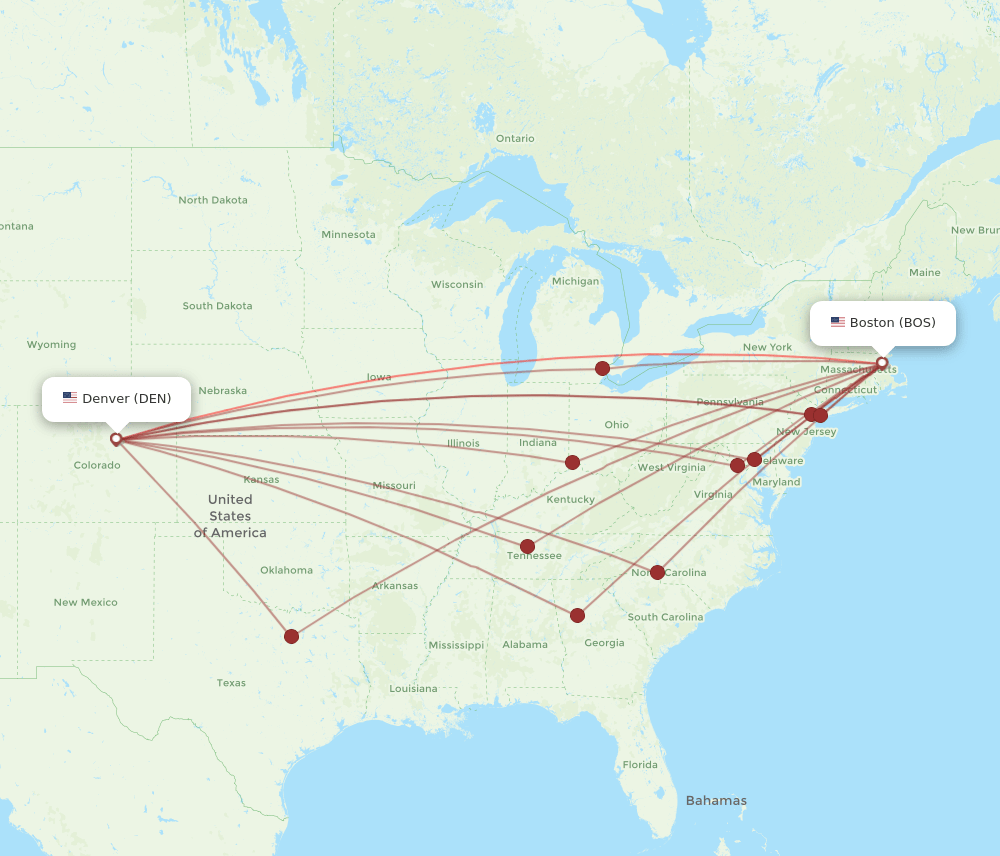
When opting for a connecting flight, the total travel time will include the duration of each flight segment plus the layover time at the intermediate airport. Layovers can range from a quick 45-minute sprint to a connecting gate to several hours, or even an overnight stay, significantly extending your overall journey. Popular layover cities for this route might include Chicago, Atlanta, or Dallas, depending on the airline and specific routing.
Factors Influencing Flight Duration
Several variables contribute to the actual time you’ll spend in the air and in transit:
- Air Traffic Control (ATC) Delays: Congestion in the airspace around either Boston or Denver, or along the flight path, can lead to holding patterns, ground delays, or rerouting, all of which add to flight time.
- Weather Conditions: Adverse weather at the departure airport, arrival airport, or en route can cause delays, diversions, or require pilots to fly around storm systems, increasing the flight path and duration. Strong headwinds, common when flying west, can also noticeably extend flight times. Conversely, tailwinds can shorten them.
- Aircraft Type: Different aircraft models have varying cruising speeds. A newer, more efficient jet might complete the journey slightly faster than an older model, though this difference is often marginal for domestic flights of this length.
- Airline Schedules and Buffers: Airlines often build a buffer into their published flight times to account for potential delays and maintain a good on-time performance record. This means the actual time in the air might be a bit less than what’s advertised.
- Route Optimization: Pilots and air traffic controllers continuously optimize routes based on real-time conditions, which can lead to minor adjustments in flight duration.
Understanding these factors helps in setting realistic expectations for your travel day and allows for better planning, especially if you have tight connections or appointments upon arrival.
Typical Flight Times
Knowing the average flight durations for both direct and connecting flights is key to choosing the best option for your itinerary and budget.
Non-Stop Flight Durations
For a direct flight from Boston Logan International Airport to Denver International Airport, the typical scheduled flight time is between 4 hours and 15 minutes to 4 hours and 45 minutes. This duration represents the time from takeoff to landing, not including taxiing, boarding, or deplaning.
Airlines frequently offering direct service on this route include United Airlines, Southwest Airlines, Delta Air Lines, American Airlines, JetBlue Airways, and Frontier Airlines. While the published times are generally consistent across these carriers, minor variations can occur due to specific aircraft types used and the time of day, which can affect air traffic.
It’s worth noting that westbound flights tend to be slightly longer than eastbound flights due to prevailing jet stream winds, which often create headwinds for planes flying from east to west across the continent. So, while your flight to Denver might be 4 hours and 30 minutes, your return flight to Boston could potentially be closer to 3 hours and 50 minutes to 4 hours and 15 minutes.
Average Flight Times with Layovers
If a direct flight isn’t available or doesn’t suit your travel needs, connecting flights are a common alternative. The total duration for a connecting flight can vary significantly, usually ranging from 6 hours to 10+ hours. This range depends heavily on:
- Number of Layovers: Most connecting flights will have one layover. Flights with two or more layovers are less common for this route and significantly extend travel time.
- Layover Duration: A short layover of 1 to 2 hours is ideal, minimizing overall travel time. Longer layovers, especially those exceeding 4 hours, can push the total travel time well beyond 8 hours.
- Connecting Airport Efficiency: Some airports are more efficient for connections than others. Large hubs like Chicago O’Hare or Dallas/Fort Worth International Airport might have more flight options but can also be prone to delays, especially during peak travel seasons or adverse weather.
When booking a connecting flight, pay close attention to the layover duration. Too short a layover (under 45 minutes to an hour) can be risky, particularly if your inbound flight is delayed or if you need to change terminals. Too long, and you might find yourself with an unnecessary amount of downtime at an airport.
Optimizing Your Travel Time
While some factors affecting flight duration are beyond your control, there are strategies you can employ to make your journey as efficient and comfortable as possible.

Choosing the Right Airline and Airport
Your choice of airline can subtly impact your travel experience. While direct flight times are similar, some airlines might have better on-time performance records or more comfortable aircraft configurations. Researching specific flight options and reading recent traveler reviews can offer valuable insights. For this route, departing from Boston Logan International Airport and arriving at Denver International Airport are the primary and most direct options, as both are major hubs. There are no practical alternative airports in the immediate vicinity of either city that would offer a faster overall journey time.
When selecting between direct and connecting flights, consider the total door-to-door time. A direct flight might have a higher upfront cost but saves you the time and stress associated with a layover, including potential delays and the need to navigate another airport.
Best Times to Fly for Efficiency
The time of day and week you choose to fly can influence your overall travel efficiency:
- Early Morning Flights: These are often the most punctual as air traffic is typically lighter, and planes are starting their first routes of the day, reducing the ripple effect of earlier delays.
- Mid-Day Flights: While convenient, these can sometimes experience more delays due to accumulated air traffic throughout the morning.
- Late Evening Flights: Similar to early morning flights, late-night departures can sometimes be more punctual as airport operations wind down, though they may also be impacted by significant delays from earlier in the day.
- Mid-Week Travel: Tuesdays, Wednesdays, and sometimes Saturdays often see lighter passenger loads and potentially fewer delays compared to peak travel days like Fridays and Sundays. Flying during off-peak seasons (e.g., late fall or early spring, avoiding holidays) can also result in a smoother experience.
Checking historical on-time performance data for specific flights or routes can provide a clearer picture of what to expect. Many flight tracking websites offer this information.
Preparing for Your Journey
Beyond the flight duration itself, proper preparation can significantly enhance your travel experience.
Time Zone Differences and Jet Lag
Boston operates in the Eastern Time Zone (ET), while Denver is in the Mountain Time Zone (MT). This means there is a two-hour time difference (Denver is two hours behind Boston). When you land in Denver, your body will still be on Boston time. For a 4-5 hour flight, the time difference can be noticeable but is generally manageable without severe jet lag.
To minimize the effects of the time change:
- Adjust your watch to Denver time as soon as you board the plane.
- Stay hydrated throughout your flight.
- Try to sleep on the plane if it aligns with Denver’s nighttime.
- Upon arrival, expose yourself to natural light and try to stick to Denver’s local schedule as much as possible, including meal times and bedtime.
In-Flight Experience Considerations
A 4-5 hour flight is long enough to warrant some planning for comfort and entertainment.
- Hydration and Snacks: Airplane cabin air is dry, so drink plenty of water. Pack some healthy snacks to avoid reliance on airline offerings.
- Comfort: Dress in layers to adjust to varying cabin temperatures. Consider a neck pillow and eye mask for rest.
- Entertainment: Most airlines offer in-flight entertainment, but having your own loaded device with movies, TV shows, music, or e-books is a good backup.
- Movement: For longer flights, it’s advisable to get up and walk around the cabin periodically to promote circulation and prevent stiffness. Simple stretches in your seat can also help.
By taking these steps, you can ensure that the relatively short duration of a non-stop flight feels even quicker and more comfortable, allowing you to arrive in Denver refreshed and ready to explore.
Beyond the Flight: Arriving in Denver
Once your flight from Boston touches down at Denver International Airport, your journey continues from the airport into the city. DIA is located approximately 25 miles (40 km) northeast of downtown Denver.
Connecting to Denver’s Attractions
Several convenient transportation options are available from DIA to downtown Denver and surrounding areas:
- A Line Commuter Rail: Known as the “Train to the Plane,” this rail service connects the airport directly to Denver Union Station in downtown, with a journey time of about 37 minutes. From Union Station, you have easy access to light rail, buses, and free MallRide shuttles.
- Ride-Sharing & Taxis: Services like Uber, Lyft, and traditional taxis are readily available at designated pick-up points at the airport, offering direct transport to your accommodation.
- Shuttles & Car Rentals: Various shuttle services operate to hotels and popular destinations, and numerous car rental agencies are located at the airport for those planning to explore Colorado further.
The ease of connection from DIA means that the overall travel time from your home in Boston to your final destination in Denver can be quite efficient, especially if you plan your ground transportation in advance.
Maximizing Your Denver Experience
With a relatively short flight, you’ll have more time and energy to delve into what Denver has to offer. Whether you’re interested in the vibrant downtown scene, exploring nearby outdoor adventures, or simply enjoying the crisp mountain air, a well-planned trip starts with understanding your flight duration. Key attractions in and around Denver include the historic Denver Union Station, the iconic Red Rocks Amphitheatre, catching a game at Coors Field, or immersing yourself in art at the Denver Art Museum. For nature enthusiasts, Cherry Creek State Park or a day trip to Mount Evans, Boulder, Colorado Springs, Vail, or Aspen are within easy reach. The efficiency of your flight allows for more time to embrace the unique charm and natural beauty of the Centennial State.
LifeOutOfTheBox is a participant in the Amazon Services LLC Associates Program, an affiliate advertising program designed to provide a means for sites to earn advertising fees by advertising and linking to Amazon.com. Amazon, the Amazon logo, AmazonSupply, and the AmazonSupply logo are trademarks of Amazon.com, Inc. or its affiliates. As an Amazon Associate we earn affiliate commissions from qualifying purchases.