
The train journey from Boston to New York City offers a quintessential Northeast Corridor travel experience, blending convenience, comfort, and often, picturesque views. For many, it presents a compelling alternative to flying or driving, especially when considering the stresses associated with airport security lines, potential flight delays, and the notorious traffic of the Interstate 95 corridor. The duration of this train ride is a primary concern for travelers planning their itinerary, and it varies depending on the specific service chosen, day of travel, and any unforeseen operational adjustments.
The Amtrak Experience: Northeast Regional and Acela Express
When traveling between these two iconic East Coast metropolises by train, travelers primarily rely on Amtrak’s services. Amtrak operates two main types of trains on this route: the Northeast Regional and the Acela Express. Understanding the differences between these services is crucial for determining travel time and overall experience.

Typical Travel Times and Factors
The Northeast Regional is the more frequent and generally more economical service. A typical journey on the Northeast Regional from Boston’s South Station to New York City’s Moynihan Train Hall (adjacent to Penn Station) typically spans approximately 3 hours and 50 minutes to 4 hours and 20 minutes. This duration can fluctuate based on the number of stops, track work, or minor delays. Key intermediate stops often include Providence, New Haven, and Stamford.
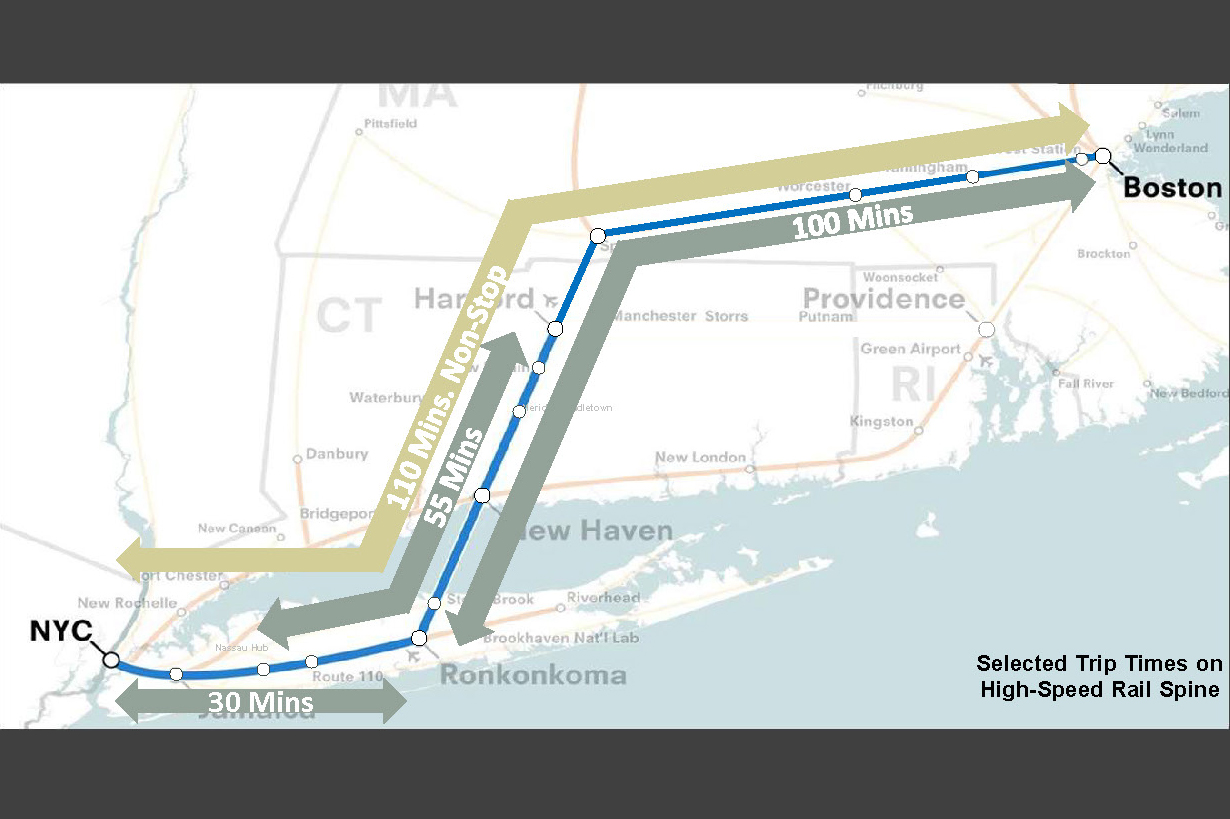
For those prioritizing speed, the Acela Express is Amtrak’s high-speed service, offering a significantly shorter travel time. The Acela Express completes the journey between Boston and New York City in approximately 3 hours and 30 minutes to 3 hours and 45 minutes. While faster, Acela tickets are generally more expensive than Northeast Regional tickets, reflecting its premium service, fewer stops, and enhanced amenities. Both services utilize the same track infrastructure for much of the route, but the Acela is designed to operate at higher speeds in designated sections, particularly between New Haven and New York City.
Onboard Amenities and Comfort
Regardless of the service selected, Amtrak trains offer a comfortable and productive environment. Both the Northeast Regional and Acela Express provide spacious seating with ample legroom, power outlets at every seat, and complimentary Wi-Fi, though connectivity can be intermittent in certain areas. Passengers on the Northeast Regional can typically choose between Coach Class and Business Class. Business Class offers wider seats, more legroom, and often a complimentary non-alcoholic beverage.
The Acela Express exclusively features Business Class and First Class accommodations. First Class on the Acela is a premium experience, including preferential seating, at-seat meal service, and access to Amtrak’s ClubAcela lounges in select stations. All trains have a Café Car offering a selection of snacks, sandwiches, and beverages, allowing travelers to grab a bite or enjoy a cup of coffee while watching the landscape glide by. The ability to move around the train, access a dining car, and utilize personal devices without the constraints of an airplane provides a significant advantage for many travelers seeking a relaxed journey.
Choosing Your Departure and Arrival Stations
The journey’s practicalities extend beyond just the train ride itself, encompassing the convenience of accessing departure and arrival stations. Both Boston and New York City boast well-connected central train stations, making the initial and final legs of the trip relatively straightforward.
Boston’s South Station
In Boston, nearly all Amtrak services to New York City depart from South Station. Located in the heart of downtown, South Station is a major transportation hub, easily accessible via the MBTA Red Line and Silver Line subway services, as well as numerous bus routes. It also serves as a central point for commuter rail lines connecting to the broader Boston metropolitan area. The station itself is grand and historic, offering waiting areas, food vendors, and retail shops. Its central location means that travelers can quickly connect to hotels, business districts, and tourist attractions upon arrival or before departure, minimizing transfer times and complexities. While Boston also has a North Station, it primarily serves regional commuter lines and a few Amtrak routes heading north, not to New York City.
New York City’s Moynihan Train Hall and Penn Station
Upon arrival in New York City, Amtrak trains pull into the recently renovated and modernized Moynihan Train Hall, located directly across 8th Avenue from the older Penn Station. While physically distinct, they are functionally integrated, offering seamless connections. The Moynihan Train Hall provides a brighter, more spacious, and aesthetically pleasing arrival experience compared to the subterranean Penn Station. Both facilities sit atop a vast underground transportation complex.
Connecting to Local Transit
From Moynihan Train Hall or Penn Station, travelers have unparalleled access to New York City’s extensive public transportation network. The stations are directly connected to multiple subway lines (A, C, E, 1, 2, 3) allowing for quick access to various neighborhoods in Manhattan, Brooklyn, and Queens. Additionally, the Long Island Rail Road and New Jersey Transit commuter rail services depart from these stations, offering convenient connections to surrounding suburban areas. This robust connectivity means that once off the train, reaching your final destination in New York City is often a matter of minutes, minimizing the need for expensive taxi rides or ride-shares, especially during peak traffic.
Comparing Train Travel to Other Modes
The choice between train, plane, bus, or car for the Boston to New York City route is a common dilemma, with each mode offering distinct advantages and disadvantages in terms of travel time, cost, and overall experience.
Air Travel: Speed vs. Convenience
Flights between Boston Logan International Airport (BOS) and New York City’s major airports (LGA, JFK, EWR) typically have a flight time of just over an hour. However, this headline speed is deceptive. When factoring in the time required for airport security, potential delays, and the often lengthy commutes to and from airports at both ends, the total door-to-door travel time can easily extend to 4-6 hours, often exceeding that of the Acela Express. The costs can also be comparable or higher than train fares, especially when accounting for baggage fees and airport transfers. For business travelers or those with extremely tight schedules, flying might still be preferred, but for many leisure or moderately time-sensitive journeys, the train often offers a more predictable and less stressful experience.
Bus Travel: Economy vs. Comfort
Bus services, such as Peter Pan Bus Lines or FlixBus, offer the most budget-friendly option for travel between Boston and New York City. Journey times typically range from 4 hours to 5 hours and 30 minutes, heavily influenced by traffic, particularly around urban centers. While economical, bus travel can be less comfortable due to more cramped seating, fewer amenities, and the susceptibility to traffic delays. For travelers prioritizing cost above all else and not overly concerned with extended travel times or potential discomfort, the bus remains a viable choice.
Driving: Flexibility vs. Hassle
Driving offers unparalleled flexibility, allowing travelers to depart and stop at their leisure. The actual driving time without significant stops or traffic is approximately 3 hours and 30 minutes to 4 hours. However, this route is notorious for heavy traffic, especially on I-95 through Connecticut and into New York, which can easily extend the journey to 5-7 hours or more. Furthermore, the costs of fuel, tolls, and particularly expensive parking in Boston and New York City can quickly make driving an expensive and stressful option, often negating the perceived flexibility. For those traveling with significant luggage, multiple passengers, or needing a car at their destination, driving might be necessary, but for urban point-to-point travel, it’s often not the most efficient or relaxing method.
Maximizing Your Journey: Tips for a Smooth Ride
To ensure the most enjoyable and efficient train trip from Boston to New York City, a few strategic considerations can make a significant difference.
Booking Strategy
Booking Amtrak tickets in advance, especially for the popular Acela Express, is highly recommended. Fares tend to increase closer to the departure date, and popular times, particularly Fridays and Sundays, can sell out. Travelers with flexible schedules might find better deals on off-peak days or times. Joining Amtrak’s Guest Rewards program can also yield benefits, including points towards future travel and sometimes special discounts. Consider purchasing Business Class on the Northeast Regional for a marginal increase in price but a noticeable upgrade in comfort and space.
Luggage Considerations
One of the great advantages of train travel is its generous luggage policy compared to airlines. Amtrak allows passengers to carry on two personal items and two larger carry-on bags free of charge, with additional checked baggage options. This eliminates the stress of baggage fees and the wait at baggage claim. When packing, remember that overhead bins are available, but larger items may need to be stored in designated luggage racks at the end of each car. Consolidating your belongings for easy access during the journey can enhance comfort.
Staying Productive or Relaxed
The train environment is conducive to both work and relaxation. With power outlets and Wi-Fi, business travelers can remain productive, tackling emails or preparing for meetings. For leisure travelers, the large windows offer ever-changing views, providing an opportunity to read, listen to music, or simply watch the New England and Mid-Atlantic landscapes pass by. Downloading movies or shows beforehand can be a good idea, as Wi-Fi quality can fluctuate. Bringing your own snacks and drinks is also a smart move, though the Café Car is always an option.
Beyond the Commute: The Scenic Aspects
While the practical question of “how long” is paramount, the journey itself offers more than just a reduction of distance over time. The train ride from Boston to New York City is an experience in itself, revealing a cross-section of the Northeast’s diverse landscapes and vibrant communities.
Glimpses of the Northeast Corridor
The route takes passengers through charming towns, alongside serene waterways, and past glimpses of historic industrial sites. Travelers can observe the changing architecture from Boston’s red-brick charm to Connecticut’s more suburban sprawl, eventually giving way to the dense urban fabric of New York City. Passing through cities like Providence and New Haven, one gets a sense of the region’s rich history and development. The coastal sections, particularly in Connecticut, offer scenic views of the Long Island Sound, making for a pleasant visual backdrop to the journey.

The Allure of Train Travel
In an age of rapid air travel and congested highways, the train retains a unique allure. It’s an opportunity to slow down, to observe, and to enjoy the journey without the constant demands of navigating or the constraints of flying. The rhythmic sway of the train, the spaciousness of the cars, and the ability to simply gaze out the window create a relaxing ambiance often missing from other forms of transit. For many, the train from Boston to New York City is not just a means to an end, but an integral, enjoyable part of the travel experience, perfectly balancing efficiency with comfort and a touch of old-world charm.
LifeOutOfTheBox is a participant in the Amazon Services LLC Associates Program, an affiliate advertising program designed to provide a means for sites to earn advertising fees by advertising and linking to Amazon.com. Amazon, the Amazon logo, AmazonSupply, and the AmazonSupply logo are trademarks of Amazon.com, Inc. or its affiliates. As an Amazon Associate we earn affiliate commissions from qualifying purchases.