
The Art of Low and Slow: A Culinary Journey
The quest for perfectly smoked Boston Butt is more than just a culinary endeavor; it’s a deep dive into the heart of American Southern culture and a significant aspect of food tourism. A Boston Butt, despite its name, is a cut of pork from the upper part of the pig’s shoulder, known for its marbled fat and connective tissues, which transform into succulent, fall-apart tenderness when cooked “low and slow.” This method is the cornerstone of authentic barbecue, turning what could be a tough cut into a dish celebrated across pit stops and backyard grills alike. Understanding the duration required to smoke a Boston Butt at a consistent 225°F is paramount for anyone looking to master this iconic dish, whether for a local gathering or as part of a deeper appreciation for regional cuisine.
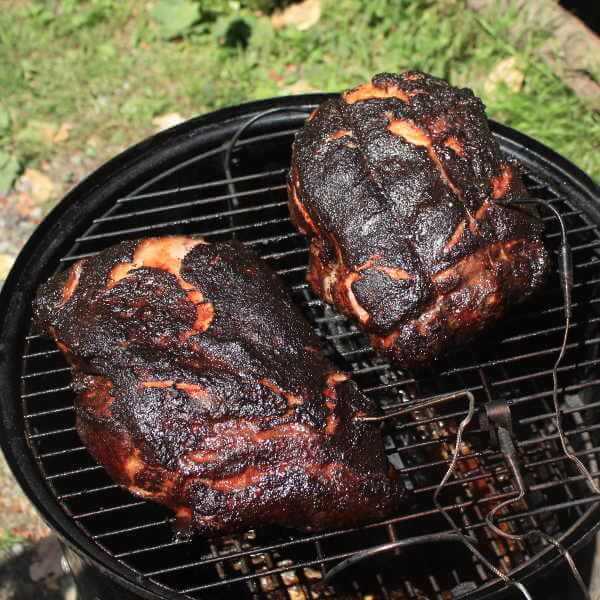
The “low and slow” philosophy isn’t merely a cooking technique; it’s a testament to patience and tradition. By subjecting the pork to a gentle, consistent heat over many hours, the collagen within the meat slowly breaks down into gelatin, resulting in that coveted melt-in-your-mouth texture. This process also allows the smoky flavors from the wood to deeply penetrate the meat, creating a complex aroma and taste profile that simply cannot be replicated with faster cooking methods. For many culinary travelers, experiencing expertly smoked pulled pork is a highlight, offering a tangible connection to the history and hospitality of places like Texas, the Carolinas, and Missouri, where barbecue is not just food, but a way of life.
Understanding the Variables: More Than Just Time
While 225°F is a widely accepted temperature for smoking Boston Butt, pinpointing an exact time frame is inherently complex due to several key variables. True barbecue aficionados understand that precision in timing comes second to reading the meat itself, but knowing the factors at play helps in planning and managing expectations.
Meat Size and Type
The most obvious variable is the size of the Boston Butt. A typical pork shoulder can range anywhere from 6 to 10 pounds. A general rule of thumb for smoking at 225°F is approximately 1.5 to 2 hours per pound. This means a 7-pound Boston Butt could take anywhere from 10.5 to 14 hours, while a 10-pounder might require 15 to 20 hours. However, this is merely a starting point. The shape and density of the meat also play a role; a thicker, more compact piece will generally take longer to cook through than a flatter one of similar weight. The amount of fat marbling also affects how the heat is distributed and retained within the meat, contributing to subtle variations in cooking time.
Smoker Consistency
Maintaining a consistent 225°F is crucial. Fluctuations in temperature can significantly impact the cooking time and the final product. An offset smoker, for instance, requires diligent monitoring and fuel management, whereas a pellet smoker or an electric smoker offers more precise temperature control. External factors like ambient air temperature, wind, and even opening the smoker lid to check on the meat can cause temperature drops, extending the cooking process. A reliable smoker thermometer, distinct from the one built into many smokers, is an indispensable tool for accurate temperature readings at grate level.
The Stall
Perhaps the most notorious variable in low and slow smoking is “the stall.” This is a period, typically when the internal temperature of the pork reaches between 150°F and 170°F, where the temperature plateaus and can even drop slightly, lasting for several hours. The stall occurs due to evaporative cooling: moisture on the surface of the meat evaporates, drawing heat away and keeping the internal temperature stable despite continued external heat. Overcoming the stall requires patience. Some pitmasters opt for the “Texas Crutch,” wrapping the meat tightly in foil or butcher paper during the stall to retain moisture and push through this phase more quickly. While wrapping can expedite cooking, it can also slightly alter the bark (the flavorful crust) and smoke penetration, a trade-off many consider worth it for efficiency.
Desired Doneness
The ultimate indicator of readiness for pulled pork is not time, but internal temperature and tenderness. For fall-apart pulled pork, the internal temperature should typically reach between 195°F and 205°F. At this range, the connective tissues have fully broken down. A truly done Boston Butt will feel incredibly tender when probed with a thermometer or skewer, encountering little to no resistance. Some cooks prefer to pull the pork at a slightly lower temperature for a firmer texture, while others aim for the higher end for maximum tenderness.
The 225°F Sweet Spot: A Detailed Timeline
Given the variables, a projected timeline for smoking a Boston Butt at 225°F is best understood as a series of phases, guided by internal temperature rather than strict clock watching.
Phase 1: Initial Smoke and Bark Formation (Approx. 5-8 hours)
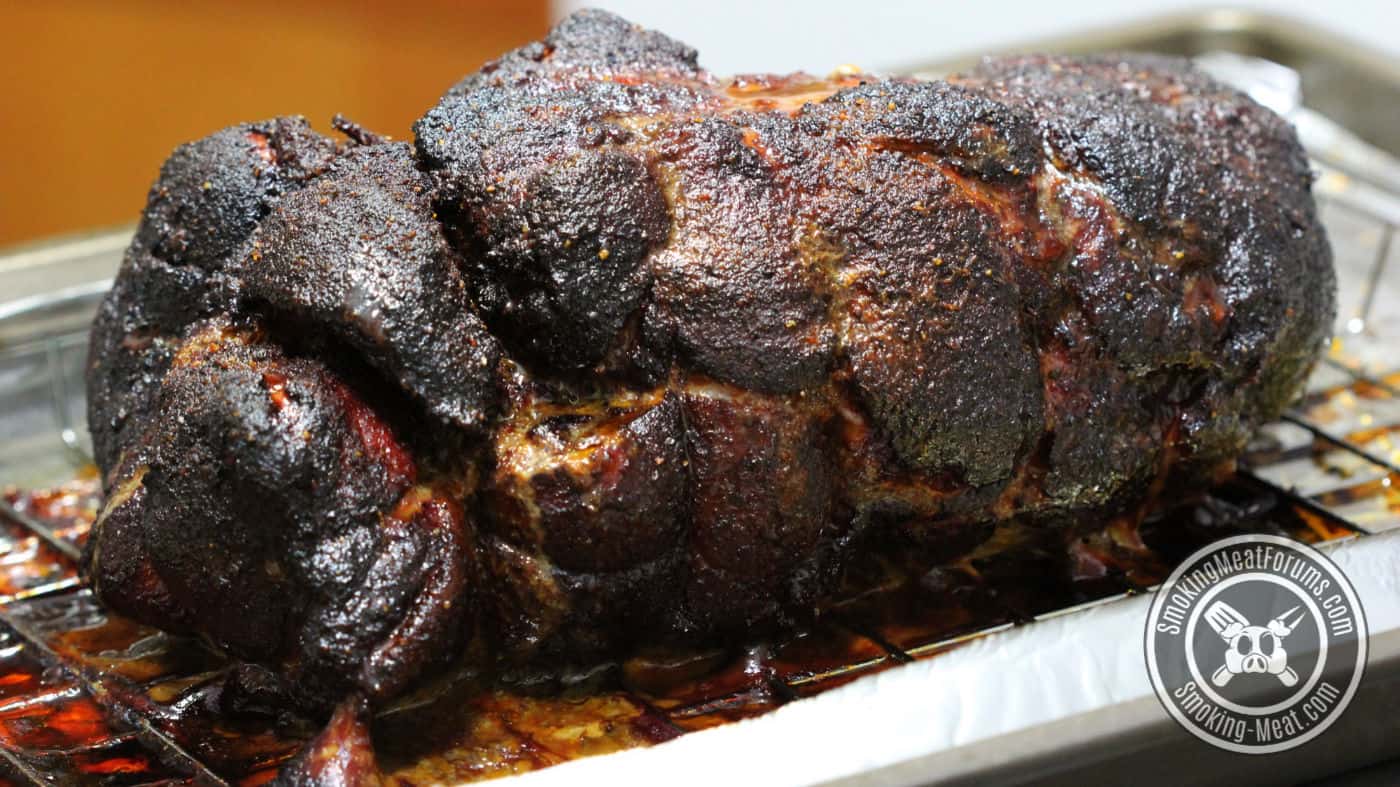
During the initial hours, the Boston Butt absorbs the most smoke flavor, and a dark, flavorful bark begins to form on its exterior. Maintain the 225°F smoker temperature and resist the urge to open the lid frequently, which releases precious heat and smoke. The internal temperature will steadily rise during this period.
Phase 2: The Stall (Approx. 2-6 hours, highly variable)
As mentioned, this is where the internal temperature plateaus, typically between 150°F and 170°F. This can be the most frustrating phase for new smokers. If you choose to wrap (the Texas Crutch), do so as the meat enters the stall. Wrap it tightly in heavy-duty aluminum foil or unwaxed butcher paper. This technique helps push the meat through the stall faster by preventing evaporative cooling.
Phase 3: Post-Stall and Final Cook (Approx. 3-7 hours)
After the stall (or wrapping), the internal temperature will resume its ascent, albeit sometimes slowly. Continue cooking at 225°F until the desired internal temperature of 195°F to 205°F is reached. The crucial test here is tenderness: the probe of your thermometer should slide into the meat with minimal resistance, feeling like it’s entering warm butter.
Phase 4: Rest (Minimum 1 hour, ideally 2-4 hours)
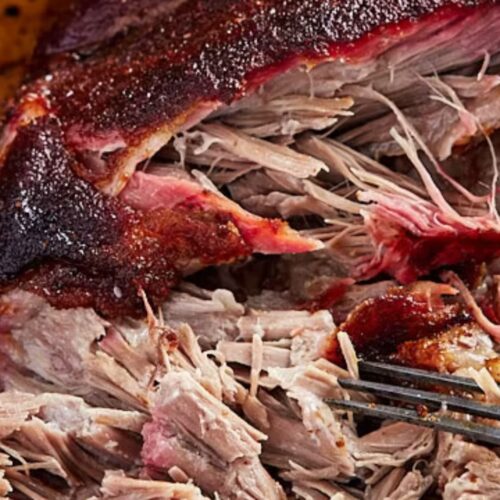
Once the Boston Butt reaches its target temperature and tenderness, remove it from the smoker. If you wrapped it, keep it wrapped. Place it in a cooler (without ice) or a warm oven (turned off) to rest. Resting is non-negotiable; it allows the muscle fibers to relax and reabsorb juices, resulting in a significantly more moist and flavorful final product. Skipping this step leads to dry, less satisfying pulled pork. After resting, it’s ready to be pulled apart and enjoyed.
Considering all phases, an 8-pound Boston Butt smoked at 225°F could take anywhere from 12 to 20 hours, with resting time on top of that. This significant range underscores the importance of starting early and relying on internal temperature and tenderness rather than a strict clock.
Beyond the Smoke: Enhancing the Boston Butt Experience
The journey of smoking a Boston Butt doesn’t end when it comes off the smoker. The full culinary experience is shaped by the preparations and accompaniments, often reflecting the regional nuances that make barbecue a vibrant part of tourism.
Rubs and Marinades
Before hitting the smoker, the Boston Butt is often seasoned with a dry rub or marinade. These blends of spices and herbs are pivotal in creating the characteristic bark and initial flavor profile. Regional differences are profound: Kansas City style might favor a sweet and tangy rub, while a Memphis dry rub often leans savory with paprika and garlic. North Carolina barbecue often involves a vinegar-based sauce or mop applied during cooking. Experimenting with different rubs is a fantastic way to explore the diverse culinary landscape of American barbecue.
Wood Selection
The type of wood used for smoking dramatically influences the final flavor. Hickory provides a strong, classic smoky flavor, often associated with Southern barbecue. Oak offers a milder, yet robust smoke, versatile for many meats. Fruitwoods like apple and cherry impart sweeter, milder smoky notes, which can add complexity without overpowering the pork. Mesquite, known for its intense flavor, is typically used sparingly or for shorter cooks, often found in Texas barbecue. Understanding wood pairings is a skill honed over time and contributes significantly to the unique identity of a pitmaster’s product.
Serving Suggestions and Pairings
Traditionally, pulled pork is served on a bun, often with a generous dollop of barbecue sauce. The sauce itself varies regionally, from the thin, tangy vinegar sauces of Eastern North Carolina to the thick, sweet, and smoky sauces of Kansas City or the mustard-based sauces of South Carolina. Common side dishes include coleslaw, potato salad, macaroni and cheese, and pickles, all designed to complement the rich, smoky pork. When traveling through barbecue country, sampling these regional variations is an essential part of the culinary tourism experience, offering insights into local tastes and traditions.
Barbecue Festivals and Trails
For those passionate about barbecue, numerous festivals and dedicated trails celebrate this culinary art. Places like Austin, Texas, or Lexington, North Carolina, are renowned for their pitmasters and unique barbecue styles. Embarking on a barbecue trail allows tourists to taste the subtle differences in smoking techniques, rubs, sauces, and local traditions firsthand. These gastronomic journeys provide an immersive experience into the heart of regional food culture, making the seemingly simple act of smoking a Boston Butt a profound connection to a place and its people.
Embracing the Journey: Patience is Key
Ultimately, smoking a Boston Butt at 225°F is an exercise in patience and sensory appreciation. The answer to “how long?” is never a precise number but a commitment to a process. It’s about understanding the meat, managing the heat, embracing the stall, and trusting the thermometer for tenderness. This deliberate, unhurried approach is what imbues the pork with its unparalleled flavor and texture, turning a simple cut of meat into a culinary masterpiece. For anyone venturing into the world of barbecue, whether as a home cook or a culinary explorer, the reward is not just a delicious meal, but a deeper connection to a rich and flavorful tradition that is a cornerstone of American food culture and an undeniable draw for tourism.
LifeOutOfTheBox is a participant in the Amazon Services LLC Associates Program, an affiliate advertising program designed to provide a means for sites to earn advertising fees by advertising and linking to Amazon.com. Amazon, the Amazon logo, AmazonSupply, and the AmazonSupply logo are trademarks of Amazon.com, Inc. or its affiliates. As an Amazon Associate we earn affiliate commissions from qualifying purchases.