
The Quintessential American Barbecue Experience: A Culinary Journey
For culinary tourists exploring the Southern United States, understanding the art of American barbecue is paramount. At the heart of this rich tradition lies the Boston butt, a cut of pork shoulder that transforms into the succulent, flavorful pulled pork that defines much of the region’s gastronomic identity. This isn’t merely about cooking; it’s an immersion into a profound cultural practice, a communal ritual passed down through generations. Tourists are not just seeking a meal; they are seeking an experience, a connection to the local heritage where the aroma of smoldering wood and slow-cooked meat tells a story.
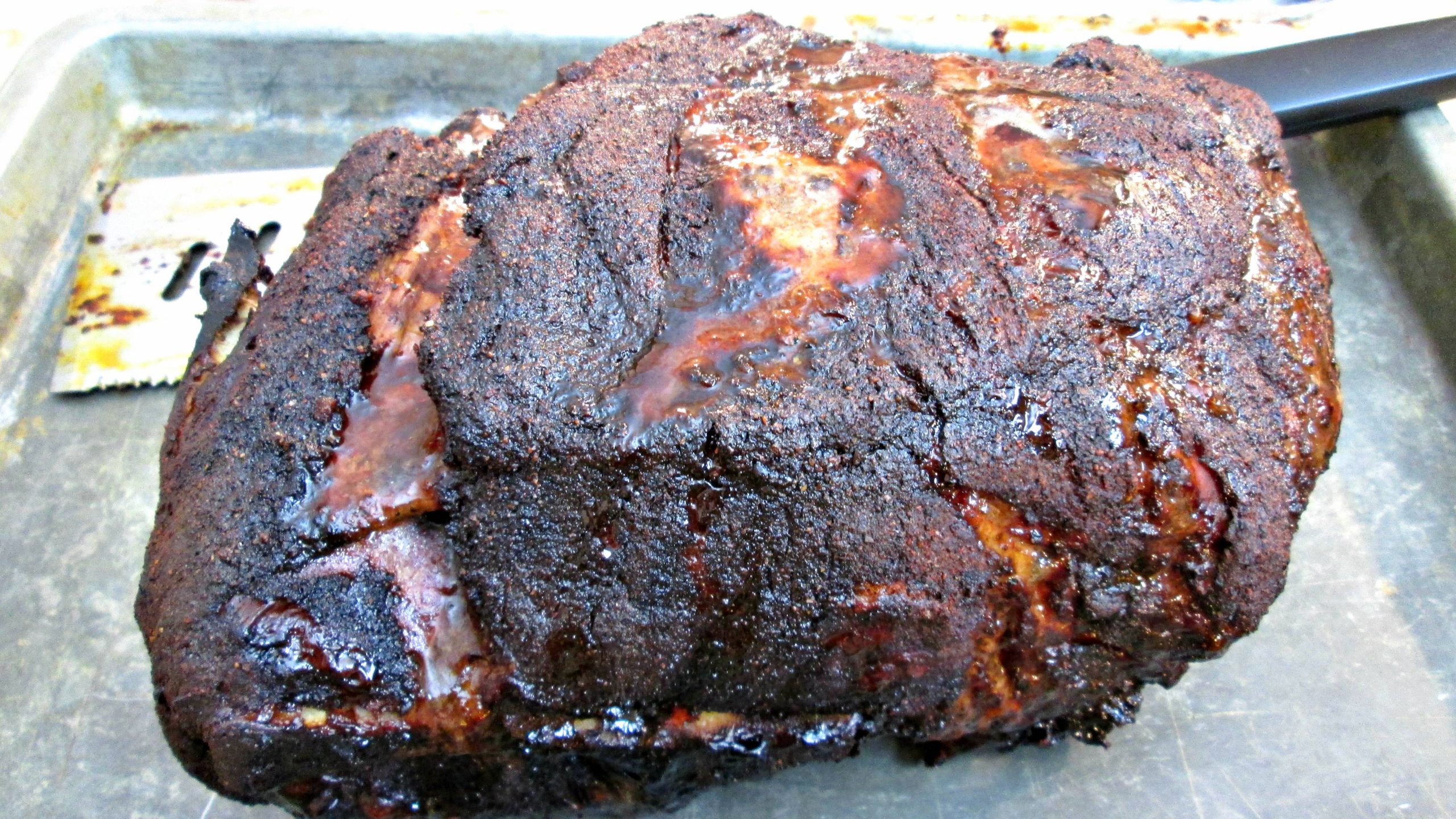
The allure of pulled pork transcends simple taste. It embodies the hospitality, patience, and craftsmanship of the Southern United States. From roadside shacks to revered barbecue joints in cities like Memphis, Kansas City, and throughout the Carolinas, the Boston butt reigns supreme. For the traveler, observing the dedication of a pitmaster, understanding the nuances of wood smoke, and ultimately savoring the tender results, is as much a part of the cultural tapestry as visiting historical landmarks or engaging in local festivals. It’s a sensory experience that deepens one’s appreciation for regional cuisine and its intricate ties to community and identity.
The Boston Butt in Regional American Barbecue
While the Boston butt is a ubiquitous presence across the barbecue landscape, its preparation and accompanying sauces vary significantly by state and even by county. This regional diversity is a key aspect of culinary tourism. In North Carolina, for instance, the split between Eastern Carolina (vinegar and pepper-based sauce, sometimes whole hog) and Western Carolina or Lexington-style (vinegar-ketchup blend) is a topic of passionate debate, offering distinct tasting experiences for the curious palate. South Carolina introduces the distinctive mustard-based “Carolina Gold” sauce, a testament to its German heritage. In other states like Alabama, a white, mayonnaise-based sauce might be encountered, particularly with smoked chicken, but it also finds its way onto pork. These variations are not just recipes; they are historical markers, reflecting migration patterns, agricultural practices, and local preferences that shape the tourism experience. A food tour focusing on American barbecue becomes a flavorful lesson in regional history and cultural geography.
Understanding the Art of Grilling for Tourism: The Low-and-Slow Philosophy
The process of cooking a Boston butt on a grill is an authentic display of the “low and slow” barbecue philosophy, a cornerstone of culinary tradition that captivates tourists and food enthusiasts alike. This method, contrary to high-heat grilling, involves extended cooking times at consistent, moderate temperatures, typically between 225°F and 275°F (107°C and 135°C). For the tourist, witnessing or even understanding the commitment to this slow process offers insight into the unhurried pace and dedication often associated with Southern hospitality. It’s a craft that demands patience and precision, transforming a tough cut of meat into something extraordinarily tender and flavorful.
The goal is to render the intramuscular fat and connective tissues within the pork shoulder into gelatin, resulting in a moist, shreddable texture that defines perfect pulled pork. This slow transformation also allows the smoke from wood chips or chunks (hickory, oak, pecan, or fruitwoods are popular choices) to deeply infuse the meat, creating the characteristic smoky “bark” – a dark, flavorful crust that is highly prized by connoisseurs. This bark, often a point of pride for pitmasters, is a textural and flavor marvel, distinguishing truly authentic barbecue from lesser imitations. For tourists visiting barbecue festivals or establishments, observing the smokers working tirelessly, often overnight, underscores the artisanal nature of this culinary endeavor.
The Role of Temperature and Time in Tourist-Focused Barbecue
The duration required to cook a Boston butt is not arbitrary; it’s a testament to the scientific precision and artistic intuition of barbecue. The cooking time is primarily determined by the internal temperature of the meat, not solely by the clock. A typical 8-10 pound Boston butt can take anywhere from 10 to 16 hours, sometimes even longer, depending on the grill’s temperature consistency, external weather conditions, and the meat’s specific characteristics.
The critical internal temperature for achieving shreddable pulled pork is generally between 195°F and 205°F (90°C and 96°C). However, temperature alone isn’t the only indicator of doneness. The “probe tender” test is key: when a thermometer probe slides into the meat with very little resistance, much like pushing it into warm butter, the collagen has fully broken down, and the pork is ready. This extended cooking time often includes a “stall” period, where the meat’s temperature plateaus for several hours due to evaporative cooling. This phenomenon is an integral part of the low-and-slow process, demanding patience and understanding from the cook, and is often a topic of fascination for those new to the barbecue world.
For a tourist, this lengthy process emphasizes the idea that authentic American barbecue is not fast food. It is a slow, deliberate art form. Many barbecue joints open only once the meat is perfectly ready, signifying a commitment to quality over speed. This aspect of barbecue culture is a significant draw for food travelers seeking genuine culinary experiences.
The Boston Butt Journey: From Prep to Plate – A Tourist’s Perspective
For tourists interested in the full scope of barbecue culture, understanding the journey of a Boston butt from raw cut to succulent pulled pork is an enlightening experience. This journey involves several key stages, each contributing to the final flavor and texture, and each offering a glimpse into the dedication of the pitmaster.
Rubbing and Resting
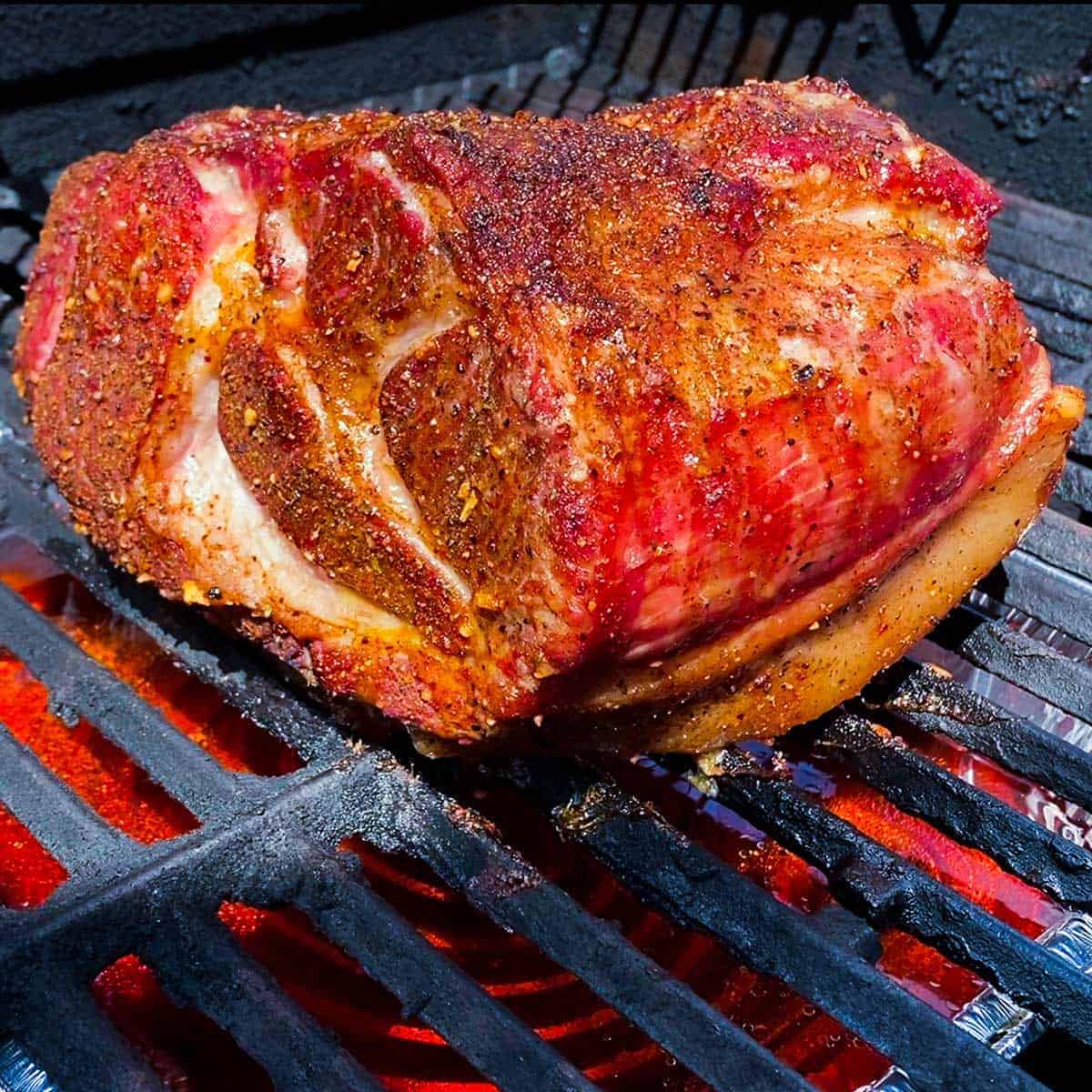
The process typically begins with a generous application of a dry rub – a blend of spices often proprietary to each pitmaster or region. Common ingredients include salt, pepper, paprika, brown sugar, garlic powder, and onion powder. This rub not only adds flavor but also contributes to the formation of the coveted bark during cooking. For culinary tourists, exploring different rub compositions can be a fascinating insight into regional flavor profiles. After rubbing, the Boston butt often rests for several hours, or even overnight, allowing the flavors to penetrate the meat.
The Smoking Stage
Once on the grill, the Boston butt enters its most crucial phase: smoking. The type of wood used—hickory for a strong, classic smoky flavor; oak for a milder, consistent smoke; pecan for a nutty, sweet profile; or fruitwoods like apple or cherry for a subtle sweetness and color—is a deliberate choice that impacts the final taste. Tourists can often observe the selection and preparation of these woods at barbecue establishments, highlighting the attention to detail.
As mentioned, the low-and-slow cooking approach is vital. For an 8-10 pound Boston butt maintained at a consistent grill temperature of 250°F (121°C), the total cooking time typically ranges from 12 to 16 hours. A good rule of thumb is roughly 1.5 to 2 hours per pound, but this is highly variable. Monitoring internal temperature with a reliable probe thermometer is essential for accuracy. The meat is cooked until it reaches an internal temperature of 195°F-205°F (90°C-96°C), and feels “probe tender.”
The Wrap and Rest
Midway through the cook, many pitmasters employ the “Texas Crutch,” wrapping the Boston butt in butcher paper or aluminum foil. This helps to push through the “stall” by preventing further evaporative cooling, keeps the meat moist, and protects the bark from becoming too dark. This technique, though debated among purists, is another aspect of barbecue craft that tourists might encounter.
Perhaps equally important as the cooking time is the resting period after the grill. Once removed, the [Boston butt](https://lifeoutofthebox.com/boston-butt] needs to rest, still wrapped, for at least 1-2 hours. This allows the muscle fibers to relax and reabsorb juices, resulting in a significantly more tender and moist product. Skipping this step can lead to dry, less flavorful meat. For tourists, understanding that the culinary journey extends beyond the heat of the grill into a patient waiting period offers a deeper appreciation for the craft.
Pulling and Serving
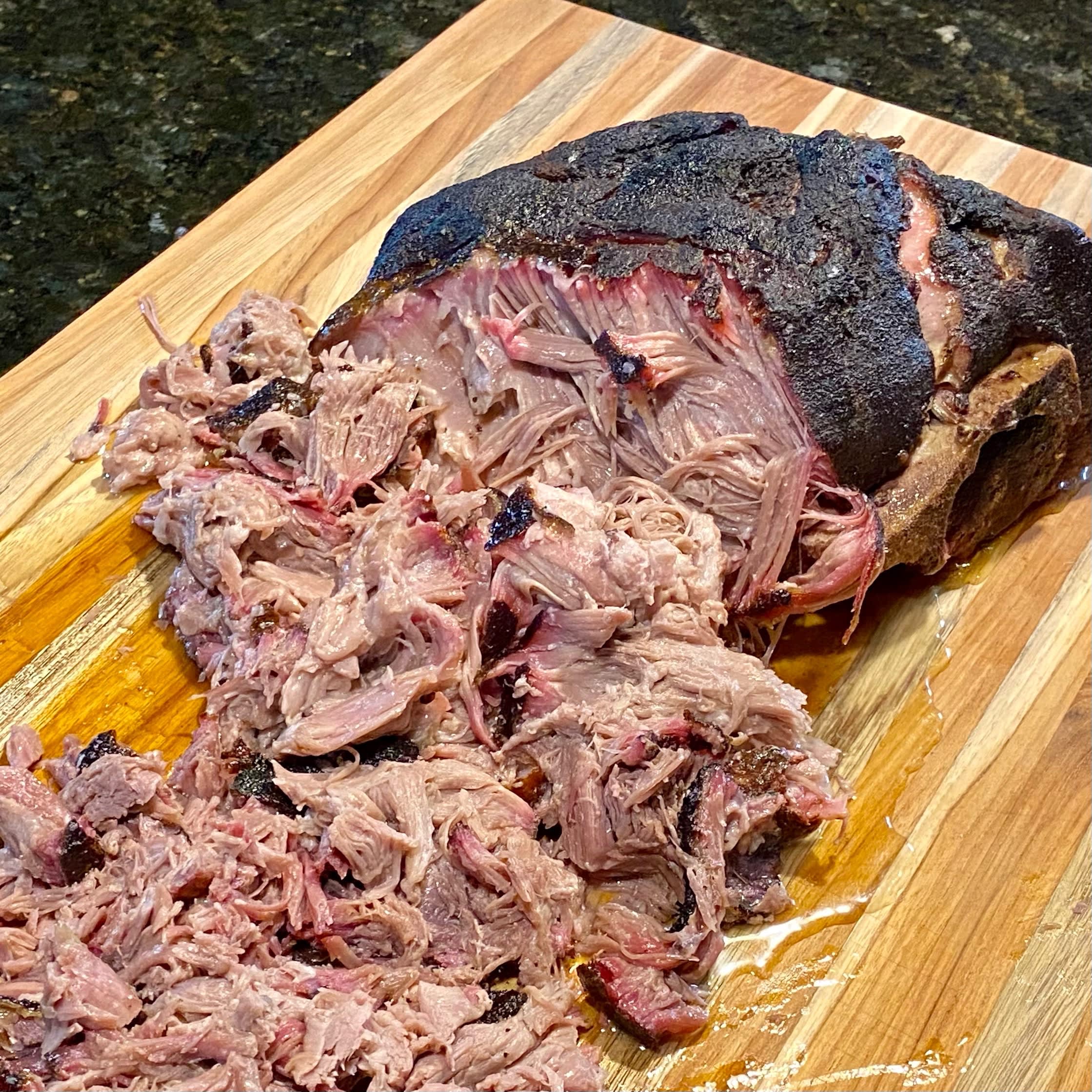
The final act is the “pulling” of the pork. Using forks, bear claws, or even gloved hands, the meat is shredded apart into tender strands. This is often done directly on a large cutting board, sometimes mixed with a little of the rendered fat or a finishing sauce. The pulled pork is then ready to be served, typically on a bun, often with a side of coleslaw, baked beans, or potato salad. Experiencing a freshly pulled Boston butt at a local barbecue joint is often a highlight for culinary travelers, connecting them directly to the heart of Southern food culture.
Experiencing Boston Butt as a Tourist Activity
For the culinary tourist, the Boston butt and its transformation into pulled pork offer numerous avenues for engagement beyond just eating. This rich food tradition is woven into the very fabric of Southern United States tourism.
Barbecue Festivals and Competitions
Attending a barbecue festival or competition is perhaps the ultimate way for a tourist to immerse themselves in this culture. Events like the Memphis in May World Championship Barbecue Cooking Contest, or countless local festivals across Texas, North Carolina, and Missouri, offer opportunities to sample diverse styles, observe pitmasters in action, learn about different smokers and techniques, and revel in the festive atmosphere. These events are not just food gatherings; they are vibrant celebrations of community, tradition, and culinary prowess, drawing visitors from around the globe.
Barbecue Trails and Tours
Many regions have established “barbecue trails” or organized food tours that guide tourists to acclaimed barbecue establishments. For example, the Kansas City Barbecue Trail or specific tours in the Lowcountry of South Carolina allow travelers to taste the distinct flavors of multiple renowned spots within a single trip. These guided experiences provide context, history, and often behind-the-scenes access that enriches the culinary journey. A Charleston food tour might include a stop at a barbecue joint, explaining how it fits into the broader culinary landscape of the city.
Culinary Classes and Workshops
For a hands-on experience, some culinary schools and barbecue establishments offer workshops on smoking and grilling, including how to perfectly cook a Boston butt. These classes provide practical skills and a deeper understanding of the techniques involved, allowing tourists to take a piece of the Southern United States culinary tradition home with them. Learning the intricacies of rub creation, smoke management, and achieving that ideal “probe tender” texture transforms passive appreciation into active participation.
In conclusion, the question of “How Long To Cook Boston Butt On Grill?” is far more than a simple cooking query. It is an entry point into a rich, complex, and incredibly flavorful aspect of American culture that is ripe for exploration by the discerning culinary tourist. The patience, skill, and regional variations associated with pulled pork make it an essential component of any food-focused travel itinerary in the Southern United States.
LifeOutOfTheBox is a participant in the Amazon Services LLC Associates Program, an affiliate advertising program designed to provide a means for sites to earn advertising fees by advertising and linking to Amazon.com. Amazon, the Amazon logo, AmazonSupply, and the AmazonSupply logo are trademarks of Amazon.com, Inc. or its affiliates. As an Amazon Associate we earn affiliate commissions from qualifying purchases.