
For travelers planning a winter visit to the historic city of Boston, understanding the potential for snowfall is paramount. Boston is renowned for its picturesque, snow-dusted streetscapes, especially the cobblestone alleys of Beacon Hill or the serene expanse of Boston Common under a fresh blanket. While snow certainly adds to the city’s charm, it also influences travel logistics, packing choices, and the array of activities available. This guide delves into what visitors can expect regarding snowfall in Boston, ensuring a well-prepared and enjoyable winter experience.
Boston’s Winter Wonderland: An Overview of Snowfall
Boston experiences a true four-season climate, with winters that are typically cold and snowy. The city’s location on the Atlantic coast, within the New England region, means it is frequently impacted by nor’easters—powerful coastal storms that can bring significant snow accumulations. While the exact snowfall varies dramatically from year to year, historical data provides a reliable average, allowing travelers to anticipate what they might encounter.

On average, Boston receives about 43 inches (approximately 109 cm) of snow annually. However, this average masks the significant variability that characterizes New England winters. Some years can see minimal snowfall, with only a handful of light dustings, while others can be marked by epic blizzards that dump several feet of snow in a single event. For instance, the winter of 2014-2015 was legendary, bringing over 110 inches (279 cm) of snow, effectively paralyzing the city for weeks. Conversely, milder winters might only see 10-20 inches (25-50 cm) total.
Understanding this variability is crucial for travelers. Rather than focusing on a single average, it’s more insightful to consider the likelihood of snow and its potential impact. Snowfall in Boston is not just about the inches; it’s about the frequency of snow events, the temperature that follows (leading to melting or prolonged icy conditions), and the city’s robust infrastructure for snow removal. Travelers should always check updated forecasts closer to their departure date, especially if visiting between January and March, to get the most accurate picture of expected conditions.
Decoding Boston’s Snowfall: A Month-by-Month Guide
The winter season in Boston typically spans from late November through early April, with the heaviest snow usually concentrated in the heart of winter. Here’s a month-by-month breakdown of what visitors can anticipate:
December: The Festive Beginning of Winter
December marks the official start of winter, and while snow is possible, it’s generally not the snowiest month. Average snowfall for December is around 8 inches (20 cm). Early in the month, snow tends to be lighter and less frequent, offering a picturesque backdrop for holiday decorations and festive activities without severely impacting travel. By late December, the chances of more significant snow increase, transforming the city into a genuine winter wonderland for those enjoying the Christmas and New Year’s celebrations. The holiday markets at Faneuil Hall Marketplace or ice skating at the Boston Common Frog Pond become even more magical with a dusting of snow.
January: The Heart of Winter’s Chill
Historically, January is the snowiest month in Boston, averaging around 14 inches (36 cm). This is when colder temperatures firmly set in, and the city is most susceptible to significant snowstorms, including nor’easters. Travelers visiting in January should be fully prepared for cold temperatures, icy conditions, and the strong possibility of substantial snowfall. While heavy snow can cause temporary disruptions, the city is well-equipped for snow removal, and life generally continues. This is prime time for enjoying cozy indoor attractions like the Museum of Fine Arts or indulging in warm New England cuisine.
February: Peak Snowfall and Blizzards
February often vies with January for the title of snowiest month, with an average of about 13 inches (33 cm). This month is notorious for its potential for major blizzards that can drop a foot or more of snow in a single event. Temperatures remain consistently cold, meaning snow tends to accumulate and persist, creating ideal conditions for winter sports and scenic views. For adventurous travelers, February offers the quintessential Boston winter experience, complete with snow-covered landmarks and a brisk, invigorating atmosphere. It’s also a great time to explore less crowded indoor attractions like the Isabella Stewart Gardner Museum.
March: Late Winter’s Last Hurrah
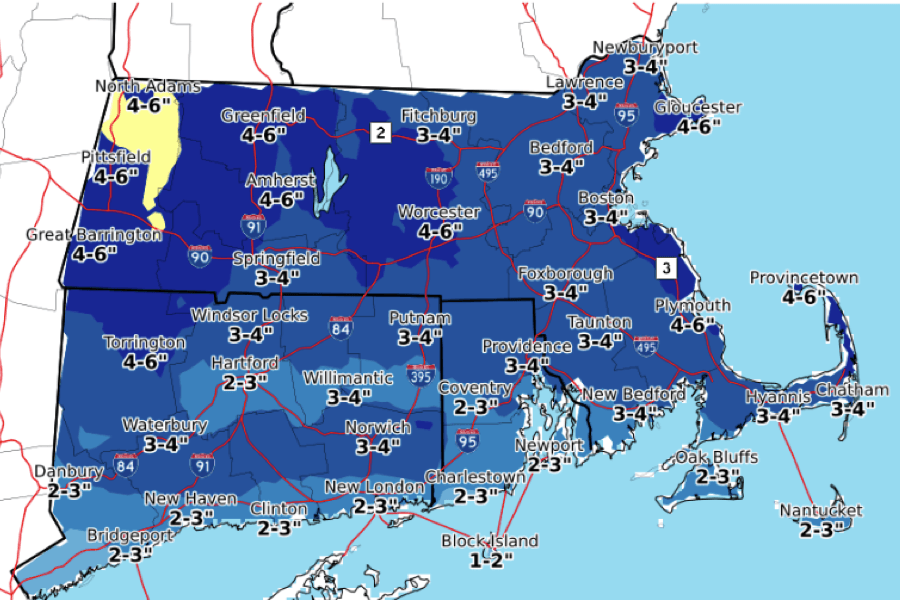
March in Boston is a transitional month, averaging around 8 inches (20 cm) of snow. While the city often sees hints of spring by the end of the month, significant snowstorms are not uncommon, sometimes delivering the heaviest single snowfall of the season. Early March can feel very much like deep winter, with cold temperatures and the potential for substantial accumulation. As the month progresses, sunny days become more frequent, and snow tends to melt faster. Travelers visiting in March should still prepare for winter conditions, but also anticipate the possibility of milder, clearer days perfect for strolling the Freedom Trail or exploring the Public Garden.
April and November: Rare Flurries
While less common, it’s not entirely unheard of to see a few snowflakes in late November or early April, especially during colder snaps. These occurrences are typically light dustings that rarely accumulate and do not significantly impact travel plans, mostly serving as a reminder of the shifting seasons.
Navigating Snowy Boston: Tips for Winter Travelers
A snowy Boston can be a magical experience, but proper preparation is key to ensuring a smooth and enjoyable trip.
Packing Essentials
The most crucial aspect of winter travel to Boston is appropriate attire. Layers are your best friend. Start with a moisture-wicking base layer, add insulating middle layers (fleece or wool), and top it off with a waterproof and windproof outer shell. A warm hat, scarf, and waterproof gloves or mittens are indispensable. For footwear, opt for waterproof, insulated boots with good traction to navigate snowy and icy sidewalks. Bringing extra socks is also a good idea. Don’t forget lip balm and moisturizer, as the cold, dry air can be harsh on skin.
Transportation
Snowfall can significantly impact transportation in Boston. The city’s public transit system, the MBTA (affectionately known as “the T”), is generally reliable but can experience delays or service adjustments during heavy snowstorms. It’s always wise to check the MBTA website or app for real-time updates. Walking is a fantastic way to explore Boston’s historic neighborhoods, but icy conditions can make it hazardous. Always walk carefully, watch your step, and consider using microspikes if you plan extensive walking on untreated sidewalks. Driving can be challenging due to snow-covered roads, limited parking, and the city’s often confusing street layout; it’s generally recommended to rely on public transit or ride-sharing services, especially during or immediately after a storm. Logan International Airport also has excellent snow removal capabilities but major storms can cause flight delays or cancellations, so always confirm flight statuses.
Winter Activities and Attractions
Embrace the snow and enjoy Boston’s winter offerings. Ice skating at the Boston Common Frog Pond is a classic experience, and many local parks offer opportunities for sledding – nearby Walden Pond is a popular choice for this. A walk through Boston Common and the Public Garden after a fresh snowfall is breathtaking, offering unique photographic opportunities.
For warmth and culture, Boston boasts an impressive array of indoor attractions. Explore world-class institutions like the Museum of Fine Arts and the Isabella Stewart Gardner Museum, delve into marine life at the New England Aquarium, or take a guided tour of historical sites like the Old North Church or the Paul Revere House. The vibrant dining scene, particularly in areas like the North End for Italian food or Back Bay for upscale dining, provides plenty of cozy havens. Visiting a historic tavern, such as the Bell in Hand, offers a quintessential Boston experience away from the cold.
Safety and Preparedness
Always stay informed about weather alerts and forecasts through local news channels or weather apps. During heavy snowfall, it’s wise to limit unnecessary outdoor exposure and prioritize safety. Be aware of falling ice from buildings and slippery surfaces. Carry a portable charger for your phone, as cold weather can drain battery life faster. Most importantly, remain flexible with your itinerary. While Boston is resilient in the face of snow, unexpected delays or closures can occur.

Experiencing Boston Beyond the Snowfall Numbers
While inches of snow are a practical concern, the true magic of Boston in winter lies in the unique atmosphere it creates. The city’s historic brick buildings, gas lamps, and narrow streets take on an ethereal beauty under a blanket of white. The crisp air invigorates, and the promise of a warm drink in a cozy café or a hearty meal in a traditional pub beckons.
Winter in Boston also offers a different pace of travel. Popular attractions might be less crowded, allowing for a more intimate exploration. The bustling energy of areas like Harvard University in nearby Cambridge still hums, but with a quieter, more reflective tone. Whether you’re admiring the frozen Charles River, strolling through the snow-laden paths of Beacon Hill, or simply watching the flakes fall from a window overlooking a historic square, Boston offers a distinct and memorable winter travel experience. Come prepared, embrace the chill, and discover the charm of this resilient and beautiful city shrouded in its winter cloak.
LifeOutOfTheBox is a participant in the Amazon Services LLC Associates Program, an affiliate advertising program designed to provide a means for sites to earn advertising fees by advertising and linking to Amazon.com. Amazon, the Amazon logo, AmazonSupply, and the AmazonSupply logo are trademarks of Amazon.com, Inc. or its affiliates. As an Amazon Associate we earn affiliate commissions from qualifying purchases.