
Delving into the Southern American Culinary Tradition
For any traveler exploring the rich tapestry of American cuisine, particularly through its regional specialties, understanding the Boston Butt is paramount. It’s not merely a cut of pork; it’s a foundational pillar of Southern barbecue, embodying centuries of tradition, community, and culinary artistry. When you encounter the smoky, tender, pulled pork that defines barbecue across the American South, chances are you’re experiencing the sublime transformation of a Boston Butt. Its preparation is a ritual, a slow dance between meat, smoke, and time, yielding results that transcend mere sustenance to become a memorable cultural experience. Tourists keen on immersive culinary exploration will find that learning about – and even attempting to roast – a Boston Butt offers profound insights into the soul of a region renowned for its hospitality and robust flavors.
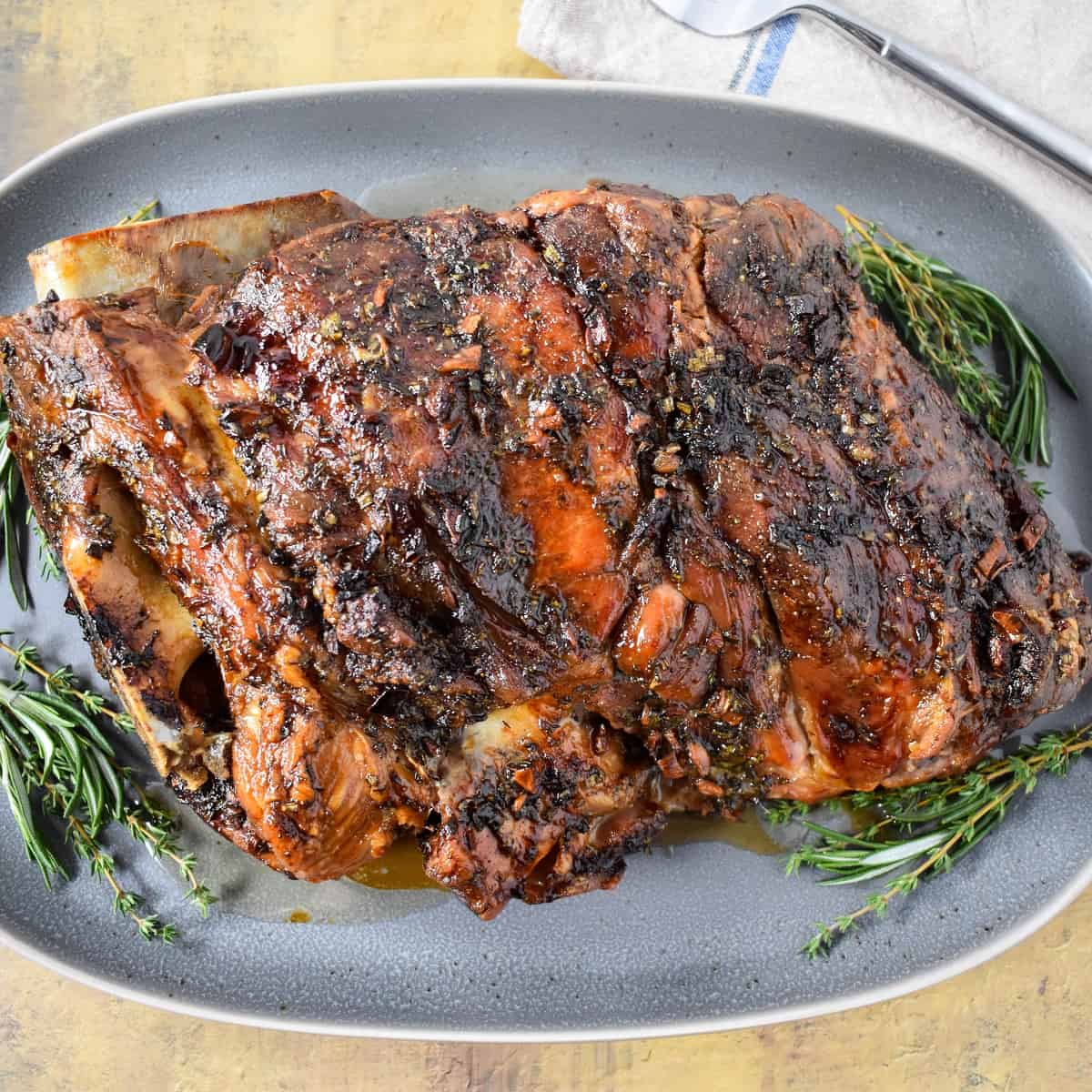
The Heart of Barbecue Culture: What is a Boston Butt?
Despite its misleading name, the Boston Butt has no direct association with the rear of the pig, nor is its origin exclusively tied to Boston. In fact, it refers to the upper part of the pig’s front shoulder, encompassing part of the neck, shoulder blade, and upper arm. The peculiar name is thought to originate from pre-Civil War New England butchers, who would pack less prized cuts of pork into barrels, known as “butts,” for storage and transport. The shoulder cut became particularly associated with Boston in this context. This hearty, marbled cut is ideal for slow cooking due to its generous fat content and connective tissue, which break down over hours to create incredibly moist, flavorful, and shreddable meat. Its prominence in Southern barbecue stems from its versatility and the exceptional results achieved through traditional low-and-slow cooking methods, making it a star attraction for food enthusiasts touring the region.
A Journey Through Regional Barbecue Styles: From the Carolinas to Texas
The Boston Butt is a common denominator across many barbecue landscapes, yet its presentation and accompanying flavors vary significantly from state to state, reflecting the diverse culinary identities of the South. In North Carolina, particularly in the eastern part of the state, whole hog barbecue is king, but pulled pork derived from the Boston Butt is a widespread staple. Here, the pork is often chopped or pulled and dressed with a thin, vinegar-based sauce, emphasizing the pure flavor of the smoked meat. Further west in North Carolina, around Lexington, a redder, ketchup-based sauce with vinegar and spices becomes more prevalent. In South Carolina, you’ll encounter four distinct sauce styles, including mustard-based, a unique offering that speaks to the state’s German heritage. While Texas barbecue is often synonymous with beef brisket, many establishments in places like Austin also offer magnificent pulled pork, typically with a dry rub and a rich, spicy tomato-based sauce served on the side. Exploring these regional nuances is an integral part of any food tourism itinerary through the South, with the Boston Butt often serving as the delicious foundation.
Essential Preparations for Your Culinary Exploration
For the adventurous traveler who wishes to not just taste but also understand the process behind the iconic Boston Butt, preparation is key. While many will opt to visit acclaimed barbecue joints, grasping the essentials of its preparation deepens one’s appreciation for the craft and heritage. This isn’t about becoming a pitmaster overnight, but rather about recognizing the ingredients and steps that contribute to the distinctive flavors of Southern cuisine. Understanding the cut and the traditional seasonings helps to connect with the local culture on a more intimate level, offering a richer context to every bite of pulled pork enjoyed during your travels.
Selecting the Right Cut: More Than Just Pork
When approaching a butcher, or even a supermarket meat counter in the South, asking for a “pork shoulder” or specifically a “Boston Butt” will yield the correct cut. Typically, a Boston Butt weighs between six and ten pounds, bone-in or boneless. For true barbecue enthusiasts, the bone-in version is often preferred, as the bone is believed to impart additional flavor and moisture during the long cooking process. Look for a cut with a good balance of lean meat and fat marbling, especially a thick fat cap on one side. This fat cap is crucial; it renders slowly, basting the meat and keeping it moist, while also contributing immensely to the flavor profile. A properly selected Boston Butt is the first, most critical step in embarking on this culinary journey.
Crafting the Perfect Rub: Flavors of the South
Before any cooking begins, the Boston Butt is typically coated generously with a dry rub. This rub is more than just seasoning; it forms a flavorful crust, or “bark,” during cooking, which is highly prized in barbecue circles. While specific recipes are often closely guarded secrets by pitmasters, common ingredients for a classic Southern rub include brown sugar, paprika (for color and sweetness), salt, black pepper, garlic powder, onion powder, and a touch of cayenne pepper for a subtle kick. Some regional variations might include mustard powder, celery salt, or even a hint of espresso powder. The philosophy behind the rub is to complement, not overpower, the rich pork flavor. Applying the rub evenly and allowing it to penetrate the meat for several hours, or even overnight, in a refrigerator, is a crucial step that enhances the final taste and texture, showcasing the care and patience inherent in Southern cooking.
The Sacred Ritual of Roasting: Techniques for Tourists and Enthusiasts
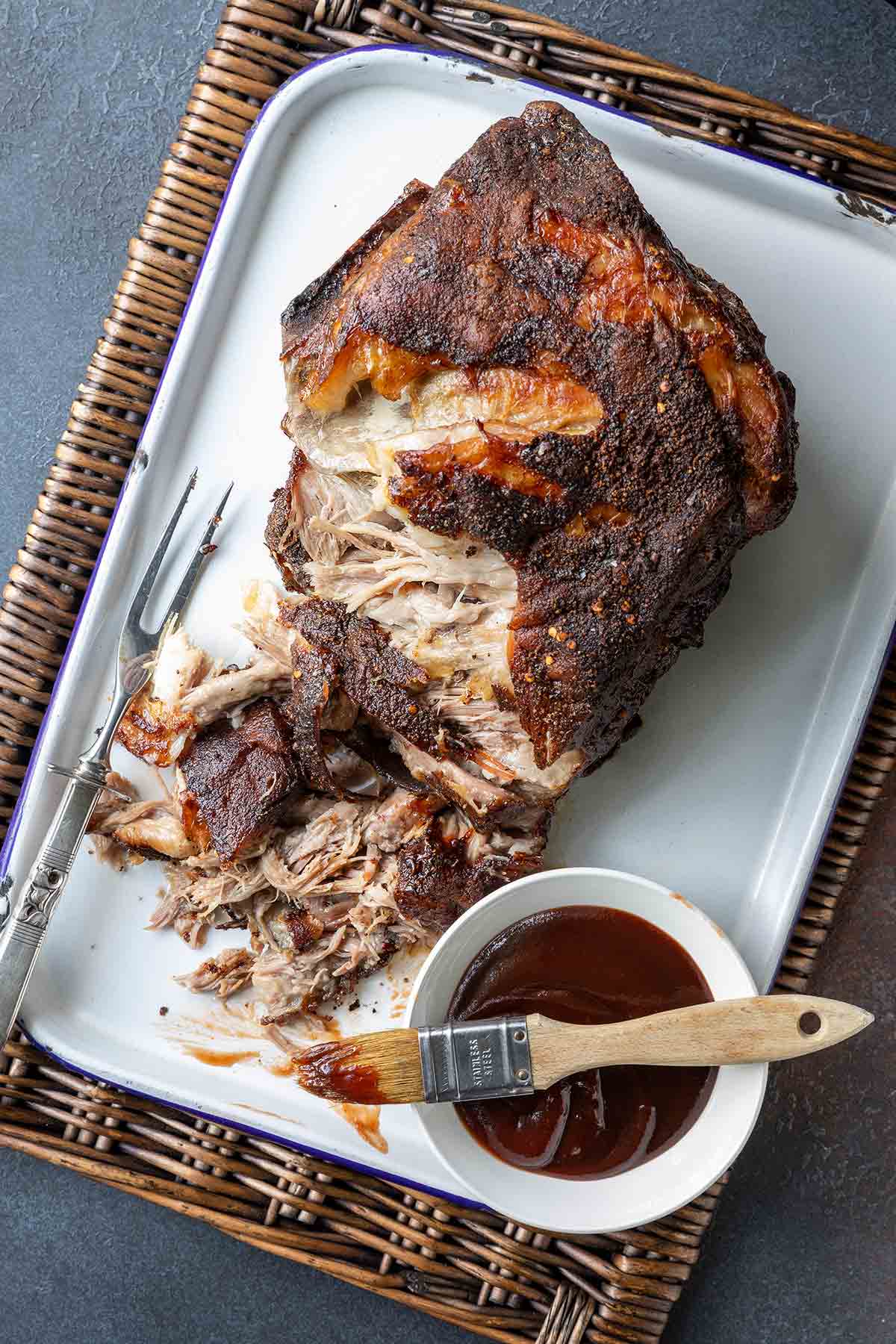
The method of roasting a Boston Butt is less about a quick meal and more about a meditative, drawn-out process that respects the ingredients and yields exceptional results. This “low and slow” approach is a hallmark of Southern hospitality and cooking, where time is an ingredient as vital as any spice. For tourists, observing or understanding this process demystifies the magic of barbecue, offering a deeper appreciation for the effort and tradition behind every forkful of tender pulled pork. Whether done in a professional smokehouse or a backyard setup, the principles remain consistent, embodying a reverence for food that is deeply rooted in the local culture.
Mastering the “Low and Slow” Philosophy
The essence of roasting a Boston Butt lies in the “low and slow” cooking method. This means maintaining a consistent, relatively low temperature (typically between 225°F and 275°F or 107°C and 135°C) for an extended period, often 8 to 14 hours, depending on the size of the butt and the desired tenderness. This prolonged exposure to heat allows the tough connective tissues in the pork shoulder to slowly break down into gelatin, resulting in incredibly tender, succulent meat. The fat renders gradually, basting the meat from within and creating that highly sought-after, rich flavor. This process cannot be rushed; patience is a virtue, and the reward is a culinary masterpiece that truly represents the best of Southern barbecue culture.
Understanding Equipment: From Pit to Home Oven
While traditional barbecue connoisseurs swear by offset smokers or dedicated smoke pits, achieving a delicious Boston Butt is possible with various equipment. Backyard enthusiasts might use charcoal grills with indirect heat, gas grills with a smoker box, or electric smokers. For those traveling or looking for a simpler indoor approach, a home oven can also yield excellent results, though it won’t impart the characteristic smoky flavor. In an oven, the goal is still low and slow. The butt can be roasted in a roasting pan, sometimes covered for the initial hours to retain moisture, then uncovered to develop a savory crust. The key across all methods is consistent temperature control and monitoring the internal temperature of the meat with a reliable meat thermometer. The target internal temperature for shreddable pork is typically around 200-205°F (93-96°C). Understanding these tools and techniques provides a valuable lens through which to view the diverse barbecue scene you might encounter.
Step-by-Step for the Inquisitive Traveler
While exact recipes vary, the fundamental steps for roasting a Boston Butt are consistent:
- Preparation: Trim excess hard fat from the Boston Butt, leaving a thin layer of the fat cap. Apply the dry rub generously to all surfaces and allow it to sit, refrigerated, for at least 4 hours, or preferably overnight.
- Preheat: Set your smoker, grill, or oven to your desired low-and-slow temperature, typically 250°F (121°C).
- Smoke/Roast: Place the Boston Butt directly on the grate (in a smoker/grill) or in a roasting pan (in an oven). If smoking, add your chosen wood chunks (hickory, oak, or fruitwoods are popular in the South).
- Monitor: Cook until the internal temperature reaches around 160°F (71°C). This is often called “the stall,” where evaporation cools the meat, and the temperature plateaus. Many pitmasters will then wrap the butt tightly in foil or butcher paper to push through the stall and retain moisture.
- Finish: Continue cooking until the internal temperature reaches 200-205°F (93-96°C) and the bone wiggles freely or can be easily removed. The meat should be fork-tender.
- Rest: This is crucial. Remove the Boston Butt from the heat and let it rest, still wrapped, for at least an hour, or even up to three hours. This allows the juices to redistribute, ensuring maximum moisture and flavor.
- Pull: Once rested, the meat should effortlessly pull apart into tender strands. Discard any large pieces of fat or gristle, and mix the pulled pork with some of its rendered juices or your preferred Southern barbecue sauce. This entire process, while lengthy, is a testament to the dedication found in Southern food culture.
The Full Barbecue Experience: Serving and Savoring
Roasting a Boston Butt is only half the story; the true Southern barbecue experience extends to how it’s served and enjoyed. For tourists, this means understanding the traditional accompaniments, the local beverage pairings, and the communal spirit that often surrounds a barbecue feast. It’s an immersive cultural event, where food becomes the centerpiece of gathering and celebration.
Iconic Sides: Completing the Plate
No pulled pork meal is complete without its traditional supporting cast. Classic Southern sides include creamy coleslaw, which offers a refreshing crunch and tangy counterpoint to the rich pork. Baked beans, often slow-cooked with molasses, bacon, or brown sugar, provide a sweet and savory depth. Cornbread, whether skillet-fried or baked, is essential for soaking up juices and sauces. Other popular sides might include collard greens (slow-simmered with ham hocks or bacon), mac and cheese, or potato salad. Each side dish has its own regional variations and historical significance, making the complete plate a microcosm of Southern culinary diversity.
Pairing with Local Brews and Sweet Tea
To fully immerse oneself in the Southern barbecue experience, consider pairing the pulled pork with appropriate beverages. In the South, the ubiquitous sweet tea is a classic, refreshing choice that perfectly complements the smoky flavors. For those seeking alcoholic options, local craft beers, particularly amber ales, lagers, or lighter IPAs, can cut through the richness of the pork. The growing craft brewery scene across states like North Carolina, Georgia, and Texas offers a chance to explore regional brews that are specifically designed to pair well with hearty, flavorful dishes.

Beyond the Plate: Southern Hospitality and Community
Ultimately, enjoying a Boston Butt is about more than just the food; it’s about the experience. Barbecue in the South is deeply intertwined with Southern hospitality and community gatherings. Whether at a bustling barbecue festival, a local smokehouse, or a family backyard cookout, the shared meal fosters connection and camaraderie. For tourists, this means engaging with locals, hearing their stories, and partaking in a tradition that unites generations. From the slow, patient roasting process to the communal feast, understanding the Boston Butt is a flavorful gateway into the heart and soul of Southern culture, making it an unforgettable highlight of any culinary travel itinerary.
LifeOutOfTheBox is a participant in the Amazon Services LLC Associates Program, an affiliate advertising program designed to provide a means for sites to earn advertising fees by advertising and linking to Amazon.com. Amazon, the Amazon logo, AmazonSupply, and the AmazonSupply logo are trademarks of Amazon.com, Inc. or its affiliates. As an Amazon Associate we earn affiliate commissions from qualifying purchases.