
The Iconic Journey to Hopkinton: Understanding Qualification
Participating in the Boston Marathon is not merely signing up for a race; it is embarking on one of the most prestigious and storied travel experiences in the global running community. Held annually on Patriots’ Day in April, the Boston Marathon is unique among major marathons for its strict qualification standards, transforming the journey to the start line in Hopkinton into an epic quest for runners worldwide. This qualification requirement imbues the entire experience with a profound sense of achievement, making it a bucket-list destination for serious athletes.

The Allure of Boston
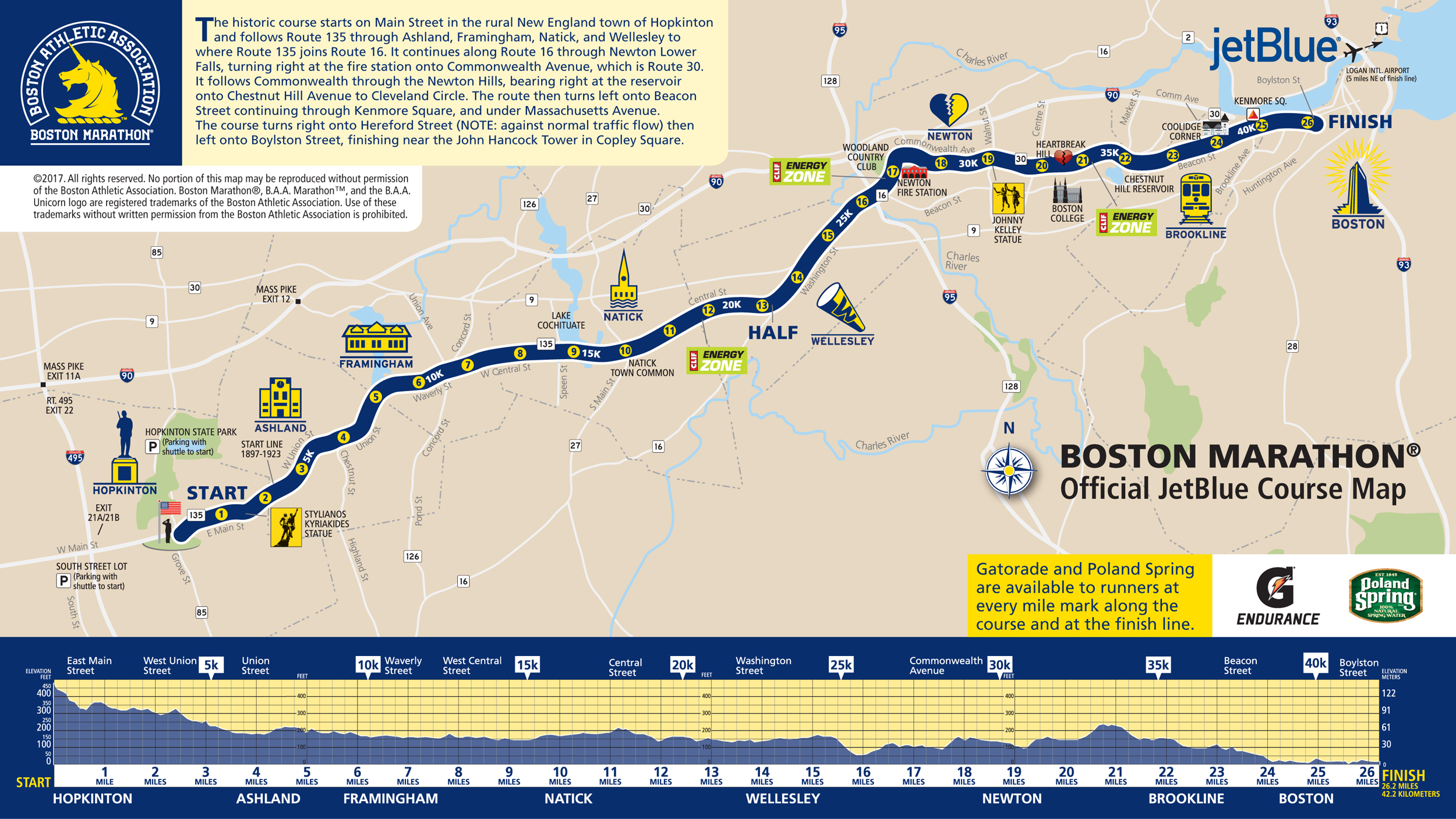
The city of Boston, Massachusetts, serves as the magnificent backdrop for this historic event, drawing tens of thousands of runners and over a million spectators. The marathon’s course, stretching 26.2 miles from the rural town of Hopkinton to the vibrant heart of Boston on Boylston Street, offers a dynamic tour through diverse New England landscapes and bustling communities. The travel aspect extends beyond just the race day; it encompasses the anticipation, the rigorous training required, and the ultimate pilgrimage to a city steeped in athletic history and cultural significance. For many, earning a spot to run in Boston is the culmination of years of dedication, making the travel investment both emotional and financial, exceptionally worthwhile.
Qualification Standards: A Global Benchmark
Unlike open-entry marathons, the Boston Marathon demands a proven level of performance. Qualification is based on age-graded time standards achieved at a certified marathon within a specific qualifying window, typically the prior 18-24 months. These “Boston Qualification” (BQ) times vary by age and gender, becoming progressively faster for younger age groups. For instance, a 30-year-old male might need to run a sub-3:00:00 marathon, while a 50-year-old female might target a sub-3:55:00.
Meeting these standards requires strategic race selection and meticulous training. Runners often travel to other marathons renowned for their flat, fast courses to attempt their BQ. The act of traveling to different destinations specifically to achieve a qualifying time for Boston is itself a significant part of the overall marathon travel experience. It’s an international pursuit, with runners from every continent striving to meet the demanding cut-offs. The prestige of the Boston Marathon ensures that the demand for entries often exceeds the number of qualified applicants, meaning that even meeting the BQ standard doesn’t guarantee entry; applicants frequently need to run several minutes under their respective BQ time to secure a bib. This competitive environment underscores the unparalleled status of the race as a travel destination for elite amateur runners.
The Registration Process: Timing is Everything
Once a runner has achieved a qualifying time, the next step in the travel journey to Boston is the registration process. The Boston Athletic Association (B.A.A.), the race organizer, opens registration in September, roughly seven months before the event. Registration operates on a rolling basis, prioritizing the fastest qualifiers first. For example, runners who have beaten their BQ time by 20 minutes might register on day one, followed by those who beat it by 10 minutes on day two, and so on. This phased approach often means that even if you meet your BQ, you might still miss out if thousands of others have run faster times. This critical window requires runners to be prepared with their qualifying information and ready to register promptly, adding another layer of strategic planning to their overall travel itinerary. Successfully navigating this process is the final hurdle before the exciting travel planning for race weekend can truly begin.
Planning Your Marathon Travel Experience
Securing a coveted bib for the Boston Marathon is just the first triumphant step; the actual travel planning for race week requires careful foresight and swift action. Given the marathon’s popularity, Boston transforms into a bustling hub, and demand for essential services like flights and accommodation skyrockets. Proactive planning ensures a stress-free and enjoyable experience, allowing runners to focus on their race.
Flights and Accommodation: Securing Your Base in Massachusetts
Flights to Boston Logan International Airport (BOS) should be booked several months in advance to avoid exorbitant prices and ensure preferred travel dates. Direct flights are often preferred to minimize travel fatigue. For accommodation, options range from luxury hotels in Back Bay near the finish line to more budget-friendly choices further afield, accessible via Boston’s efficient public transportation system, the MBTA (affectionately known as “the T”). Many runners opt to stay near the finish line or along the “T” line for easy access to various race weekend events and the post-race recovery. Hotels around Copley Square, Prudential Center, and the Theatre District are particularly sought after. Consider booking refundable options if your race entry isn’t yet confirmed. Some runners also choose to stay in nearby towns like Newton or Framingham to avoid downtown prices, though this requires careful planning of commute times on race day. The city of Boston, throughout Massachusetts, becomes a destination for runners and their support teams, making early booking of all travel components paramount.
Navigating Race Weekend Logistics
Understanding the logistical flow of race weekend is crucial for a smooth experience. Runners typically arrive in Boston several days before the marathon to acclimatize, attend the race expo, and settle in. Transportation within the city is generally excellent, but race day has specific arrangements. The B.A.A. provides transportation for runners from downtown Boston to the start line in Hopkinton via designated buses departing from Boston Common. Private transportation to the start is strongly discouraged due to road closures and limited parking. Familiarize yourself with the bus departure times and locations based on your wave start, as missing the bus means missing the race. Planning your post-race meeting point with family or friends is also vital, as Boylston Street and surrounding areas are extremely crowded. Establish a clear meeting strategy, perhaps a specific landmark or restaurant a few blocks from the finish.
Pre-Race Activities: From Expo to Athletes’ Village
The Boston Marathon Expo, held at the Hynes Convention Center, is a significant part of the travel experience. It’s where runners collect their bibs, official race shirts, and gear, as well as browse the latest running merchandise and nutritional products. This event is a hive of activity, often featuring elite athlete appearances and seminars. Plan to visit the expo early in your trip to avoid long queues. On race morning, the journey from downtown Boston to Hopkinton culminates at the Athletes’ Village. This designated area provides a comfortable space for runners to relax, stretch, use restrooms, and store gear before heading to the start corrals. The Athletes’ Village is a temporary community, offering snacks, water, and often entertainment, creating a unique camaraderie among participants. Preparing a small bag with warm layers that can be discarded at the start is also a smart strategy, as morning temperatures in Hopkinton can be chilly, even in April.
The Race Day Experience: From Hopkinton to Boylston Street
The day of the Boston Marathon is an unparalleled travel experience, a 26.2-mile journey through history, community, and personal triumph. From the quaint start in Hopkinton to the iconic finish on Boylston Street, every mile offers a unique blend of challenge and exhilaration, truly embodying the spirit of this legendary race.
The Unique Start: The Bus Ride and Athletes’ Village
Race morning begins early for Boston Marathon participants. The experience is meticulously orchestrated, beginning with the mass bus departure from Boston Common to Hopkinton. This bus ride is an integral part of the travel narrative, filled with nervous energy, quiet contemplation, and shared excitement among fellow runners. Upon arrival, participants are directed to the Athletes’ Village, a vast tent city where runners gather, use facilities, and mentally prepare. This temporary encampment becomes a vibrant community of athletes, all sharing the same dream. The atmosphere is electric, a mix of anticipation and camaraderie, as thousands of runners from around the world prepare to embark on their respective journeys. Leaving the Athletes’ Village and walking to the start corrals is a poignant moment, signifying the culmination of months, if not years, of dedicated training and travel.
Course Highlights: Wellesley Scream Tunnel and Heartbreak Hill
The Boston Marathon course is a point-to-point descent for the first half, winding through picturesque towns like Ashland, Framingham, and Natick. Spectator support is phenomenal throughout, but certain sections stand out as iconic travel experiences within the race itself. The “Scream Tunnel” at Wellesley College, around mile 13, is legendary. Here, students from Wellesley line the street, offering high-fives, motivational shouts, and famously, kisses, creating an unforgettable sensory explosion that can be both energizing and overwhelming.
As runners enter Newton around mile 16, the course shifts dramatically. This is where the infamous “Newton Hills” begin, a series of challenging ascents that test every runner’s resolve. The most famous of these is Heartbreak Hill, occurring around mile 20. This seemingly innocuous climb, only about 0.6 miles long, earns its name because it comes at a point when many runners are already fatigued, often breaking their spirit. Conquering Heartbreak Hill is a symbolic victory within the race, a mental and physical triumph that fuels the final push towards Boston. The “Newton Hills” and Heartbreak Hill are more than just geographical features; they are defining landmarks on this travel itinerary, embedded in the lore of the Boston Marathon.
Crossing the Finish Line: A Moment in Marathon History
After descending the Newton Hills, the final miles through Brookline and into Boston offer a powerful sense of nearing completion. The crowds swell, the energy becomes palpable, and the historic landmarks of Boston begin to emerge. Turning right onto Hereford Street and then left onto Boylston Street for the final straightaway is an experience that transcends mere running. The roar of the crowds is deafening, the iconic Prudential Tower and John Hancock Tower loom in the background, and the finish line banner appears in the distance. This moment, crossing the finish line on Boylston Street, is the culmination of years of training, countless miles, and the dream of running the Boston Marathon. It’s a deeply personal yet universally shared travel experience, etched into the memories of all who participate, earning them a place in a storied tradition that dates back to 1897.
Post-Marathon Travel: Recovery and Exploration
The Boston Marathon experience doesn’t end at the finish line; it seamlessly transitions into a crucial phase of recovery and celebration, making the post-race travel planning as important as the pre-race logistics. Boston, with its rich history and vibrant culture, offers numerous opportunities for runners to unwind, refuel, and explore, transforming their athletic journey into a holistic travel adventure.
Immediate Post-Race Logistics
Upon crossing the finish line on Boylston Street, runners are guided through a well-organized chute where they receive their medal, foil blanket, and refreshments. This area is strictly for runners, designed for efficient flow. Navigating the recovery area to retrieve your checked gear and then to your designated meeting point with family or friends requires patience due to the sheer volume of people. Many runners plan to meet loved ones at specific landmarks a few blocks away from the immediate finish line chaos. The journey back to your hotel, whether by foot, public transport, or taxi, will be slow but filled with the satisfying weight of your medal and the shared smiles of fellow finishers. Hydration and light nutrition are paramount in these initial hours, so having a plan for these immediate needs is vital.
Recovering in Boston: Self-Care and Relaxation
The day after the marathon is often characterized by muscle soreness and immense pride. Boston offers excellent resources for recovery. Many hotels provide special rates or amenities for marathon runners, including late check-out or access to spas. Consider booking a massage in advance, as demand will be high. Gentle walks around Boston Common or through the charming streets of Beacon Hill can aid circulation and recovery without overexertion. Indulging in Boston’s renowned culinary scene is also a highly anticipated part of the travel experience. From classic New England clam chowder and lobster rolls to diverse international cuisines, refueling becomes a delightful exploration. This phase of the trip is less about intense sightseeing and more about allowing the body to recover while soaking in the celebratory atmosphere that permeates the city.

Exploring the City: A Runner’s Reward
Once the initial soreness subsides, typically a day or two after the race, runners can truly embrace Boston as a travel destination. The city boasts a wealth of historical sites, museums, and vibrant neighborhoods. Walking the Freedom Trail, visiting the Museum of Fine Arts, exploring the North End for authentic Italian food, or catching a Boston Red Sox game at Fenway Park are popular choices. Many runners find a visit to the Boston Marathon memorial on Boylston Street to be a moving experience, offering a moment of reflection on the race’s resilience and spirit. This post-marathon exploration allows participants to fully appreciate the city that hosted their incredible feat, transforming a grueling athletic challenge into a memorable cultural and historical travel adventure. Leaving Boston with a medal around your neck and fresh memories of exploration solidifies the entire journey as one of life’s most profound travel experiences.
LifeOutOfTheBox is a participant in the Amazon Services LLC Associates Program, an affiliate advertising program designed to provide a means for sites to earn advertising fees by advertising and linking to Amazon.com. Amazon, the Amazon logo, AmazonSupply, and the AmazonSupply logo are trademarks of Amazon.com, Inc. or its affiliates. As an Amazon Associate we earn affiliate commissions from qualifying purchases.