
Boston, a city steeped in history and brimming with modern vibrancy, often conjures images of cobblestone streets, bustling markets, and intellectual hubs. For prospective travelers, a common question arises: is Boston crowded? The answer is nuanced, depending heavily on when you visit, where you go, and what you seek from your experience. While Boston is indeed a densely populated urban center, its unique character allows for both lively, energetic encounters and moments of serene discovery. Understanding its rhythm is key to navigating its allure.
Understanding Boston’s Unique Urban Density
Boston’s reputation for being a bustling city is well-deserved, a consequence of its historical evolution and contemporary appeal. Unlike many sprawling American metropolises, Boston maintains a compact footprint, a legacy of its colonial origins and intricate street planning, or lack thereof.
A Compact City with Big City Vibes
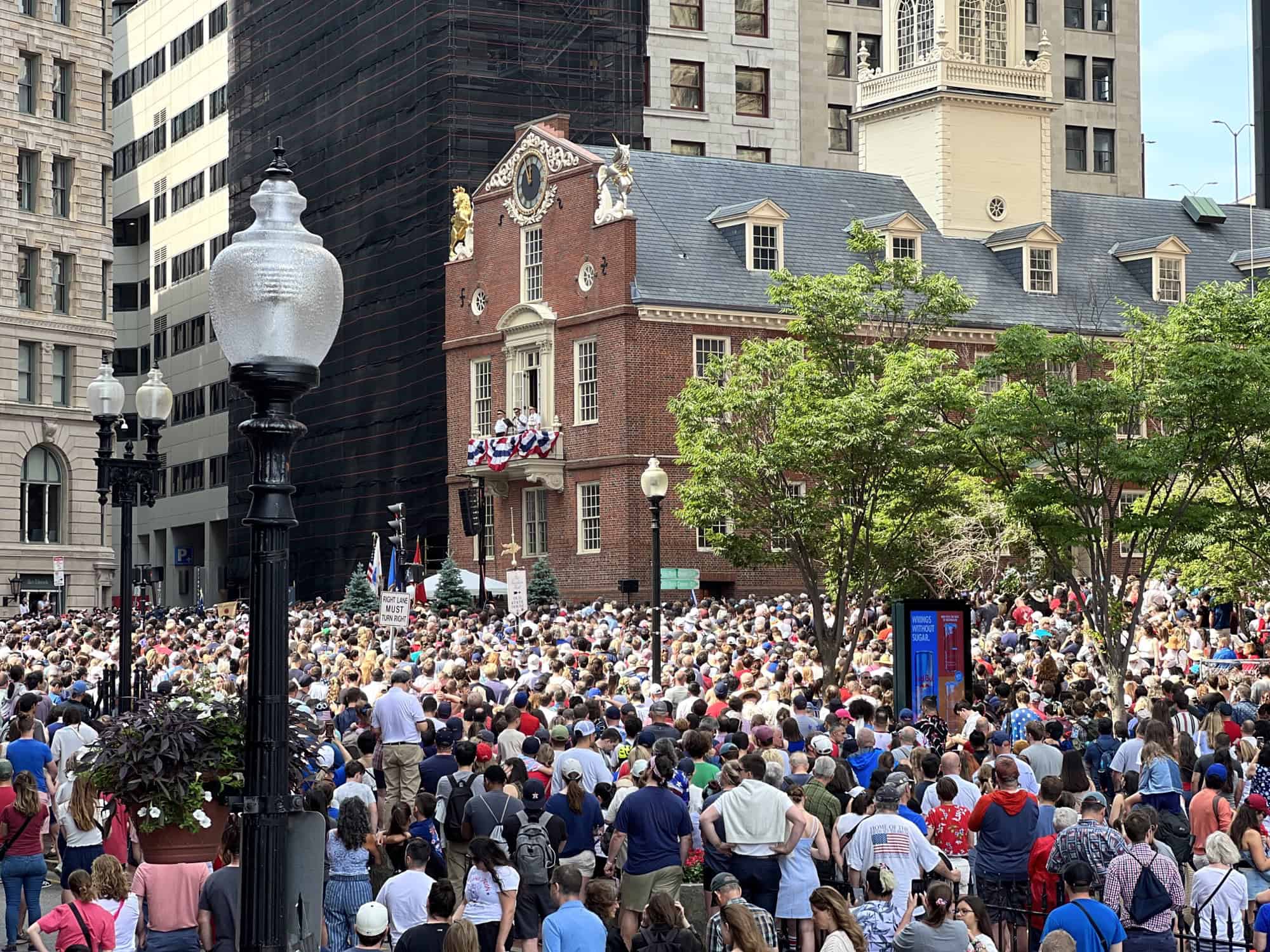
Geographically, Boston is one of the most densely populated major cities in the United States. Its land area is relatively small, yet it packs a punch with a significant population, world-class institutions, and countless attractions. The city’s narrow, winding streets, particularly in older neighborhoods like Beacon Hill and the North End, were not designed for modern vehicular traffic, leading to perpetual congestion in certain areas. This architectural legacy contributes to a feeling of closeness and intimacy, but also to a perception of “crowdedness.” What this often translates to, however, is exceptional walkability. Many of Boston’s most iconic sights are within comfortable walking distance of each other, encouraging foot traffic and creating a lively street-level experience. The charm of gas lamps, brick sidewalks, and historic architecture in districts like Back Bay often outweighs the occasional pedestrian congestion.
Population Dynamics and Visitor Influx
Beyond its resident population, Boston’s density is significantly amplified by several transient populations. It is a global hub for education, hosting numerous universities and colleges, including prestigious institutions like Harvard University in Cambridge and the Massachusetts Institute of Technology (MIT). The student population, which swells dramatically during the academic year, adds a youthful energy and considerable numbers to the public transport system and local establishments. Furthermore, Boston is a major center for business, finance, and biotechnology, drawing a substantial daily commuter workforce. Layered on top of this are the millions of domestic and international tourists who flock to the city annually, eager to explore its history, culture, and vibrant contemporary scene. This confluence of residents, students, commuters, and tourists creates a dynamic urban environment where popular spots can indeed feel very busy, particularly during peak hours and seasons.
Peak Seasons and Strategic Timing for Your Visit
The perceived crowdedness of Boston is largely cyclical, heavily influenced by the seasons and the city’s event calendar. Timing your visit strategically can dramatically alter your experience, allowing you to either immerse yourself in the lively bustle or enjoy a more relaxed exploration.
The Bustle of Fall Foliage and Academic Starts
Autumn is arguably the most beautiful and, consequently, one of the most crowded times to visit Boston. From September through October, the city and surrounding New England region explode with vibrant fall foliage, attracting “leaf peepers” from around the globe. This period also coincides with the return of students to the area’s numerous universities, kicking off the academic year with a renewed energy that permeates the city. Public spaces, restaurants, and particularly scenic routes can become very busy. If you’re planning a fall trip, expect higher prices for flights and accommodations, and prepare for longer queues at popular attractions like the Freedom Trail and museums. Booking well in advance is essential.
Summer’s Vibrancy and Tourist Hotspots
Summer, spanning from June to August, brings warm weather and a different kind of crowd. Families on vacation, international travelers, and cruise ship passengers converge on Boston to enjoy outdoor activities, harbor cruises, and historical tours. Iconic attractions such as Boston Common, the Boston Public Garden, and Faneuil Hall Marketplace are particularly popular. While students are largely absent, the tourist volume more than makes up for it. The Seaport District also comes alive with outdoor dining and events. Despite the crowds, the summer atmosphere is undeniably vibrant, offering a different, often more festive, energy to the city.
Embracing the Quieter Charm of Off-Peak Months
For those who prefer a less congested experience, the late winter and early spring months (mid-January through April, excluding St. Patrick’s Day weekend and the Boston Marathon in April) offer a more tranquil visit. While the weather can be chilly, sometimes snowy, the reduced tourist numbers mean shorter lines at attractions, more availability at sought-after restaurants, and generally lower accommodation costs. This period allows for a more intimate exploration of Boston’s museums, such as the Museum of Fine Arts or the Isabella Stewart Gardner Museum, and cozy evenings in historic pubs. The city’s internal rhythm slows, revealing a different, perhaps more authentic, side of Boston life. Even early December can be lovely before the holiday rush fully sets in, offering festive decorations without the peak holiday crowds.

Navigating Boston’s Crowds: Strategies for a Smoother Experience
While some level of crowdedness is inherent to any popular urban destination, Boston offers numerous strategies for travelers to mitigate its effects and enhance their visit. Thoughtful planning can transform potential frustrations into opportunities for discovery.
Mastering Public Transportation and Walkability
One of the best ways to navigate Boston’s density is to embrace its excellent public transportation system, the MBTA (affectionately known as “the T”). The subway and bus network efficiently connects most major attractions and neighborhoods, significantly reducing the need for a car, which can be more of a hindrance than a help due to traffic, expensive parking, and confusing street layouts. During peak commute hours (roughly 7-9 AM and 4-6 PM), trains and buses can be crowded, but the system is reliable. Beyond public transport, Boston is a profoundly walkable city. Many neighborhoods are best explored on foot, allowing you to discover hidden gems and historical markers at your own pace. For longer distances, ride-sharing services are also readily available, though subject to traffic congestion.
Exploring Beyond the Beaten Path
While iconic sites are a must-see, venturing slightly off the main tourist circuit can lead to equally rewarding experiences with fewer crowds. Instead of solely focusing on the Freedom Trail, consider exploring the vibrant arts scene and Victorian architecture of the South End. While the Boston Public Garden is beautiful, the expansive Arnold Arboretum offers a serene escape, especially during blooming seasons, and is far less frequented by tourists. The modern architecture and innovative spirit of the Seaport District offers a contrasting perspective to the historic downtown. Even within popular areas, wandering down a side street or ducking into a lesser-known shop can offer a moment of respite from the main thoroughfare.
Timing Your Visits to Popular Attractions
Strategic timing can significantly reduce wait times and improve the experience at Boston’s most popular attractions. Arrive at museums like the Museum of Science or the New England Aquarium right when they open or in the late afternoon, an hour or two before closing, to avoid the midday rush. Similarly, for historical sites like the Old North Church, the Paul Revere House, or a tour of the USS Constitution, aim for early mornings. Dining at off-peak hours can also make securing a table at popular North End Italian restaurants or Back Bay eateries much easier. Consider purchasing tickets online in advance whenever possible to bypass ticket lines entirely.
The Upside of Boston’s Energy: A Lively Travel Experience
While the term “crowded” might evoke negative connotations for some travelers, in Boston’s case, its density often translates into a vibrant, energetic, and uniquely engaging travel experience. The city’s bustling nature is integral to its charm and dynamism.
Vibrant Atmosphere and Cultural Events
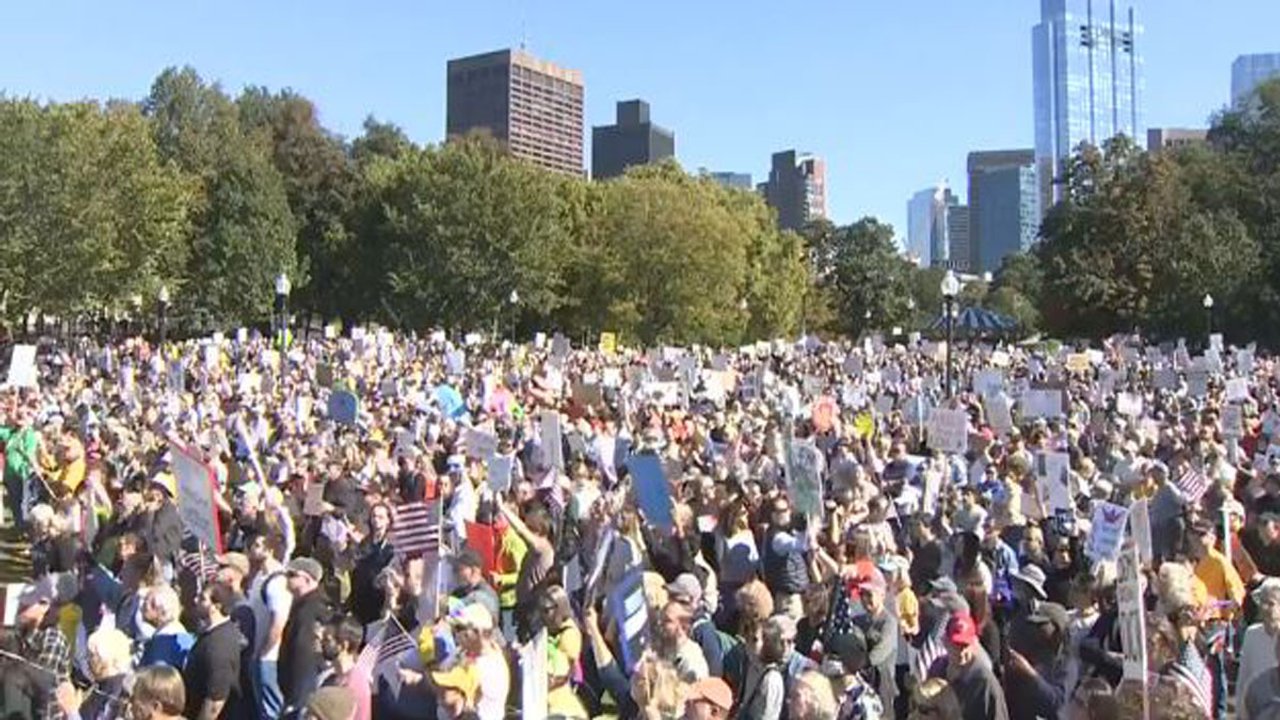
The concentrated population and high visitor numbers fuel a perpetually lively atmosphere in Boston. This energy manifests in a rich calendar of cultural events, festivals, and public gatherings throughout the year. From the festive cheer of the Holiday Market at Copley Square to the roaring crowds at a Red Sox game at Fenway Park, there’s almost always something happening. The lively street performers around Faneuil Hall Marketplace, the street art in the South End, and the dynamic academic lectures around Cambridge contribute to an exciting, stimulating environment that’s hard to replicate in less dense cities. This constant buzz ensures that new experiences and discoveries are always within reach.
Dining and Socializing Opportunities
Boston’s density supports an incredibly diverse and high-quality dining scene, from casual food trucks to Michelin-starred restaurants. The concentration of people means a greater demand for variety, leading to an abundance of culinary choices reflecting its rich history and immigrant heritage, particularly evident in the North End’s Italian eateries or the seafood shacks along the waterfront. This density also fosters a vibrant social scene, with historic pubs, trendy bars, and cozy cafes bustling with locals and visitors alike. Whether you’re sampling fresh oysters at Union Oyster House, enjoying a craft beer at Samuel Adams Brewery, or exploring the offerings at Boston Public Market, the city’s energy enhances these experiences, making them feel more authentic and communal.
A Sense of Community and Connectivity
Despite its urban density, Boston manages to retain a strong sense of community, often feeling like a collection of distinct villages rather than one sprawling metropolis. Each neighborhood—from the artistic enclave of the South End to the historic grandeur of Beacon Hill or the modern sleekness of the Seaport District—has its own unique character, local shops, and neighborhood associations. This fosters a connection among residents and offers visitors a chance to delve into local life beyond the tourist traps. The ease of walking and public transportation means these different communities are highly interconnected, allowing travelers to experience various facets of Boston life effortlessly, creating a cohesive yet diverse travel narrative. Even a stroll along the Charles River Esplanade or a visit to the top of the Prudential Center provides a vantage point to appreciate how compactly and harmoniously everything fits together, contributing to a deeply engaging and memorable trip.
LifeOutOfTheBox is a participant in the Amazon Services LLC Associates Program, an affiliate advertising program designed to provide a means for sites to earn advertising fees by advertising and linking to Amazon.com. Amazon, the Amazon logo, AmazonSupply, and the AmazonSupply logo are trademarks of Amazon.com, Inc. or its affiliates. As an Amazon Associate we earn affiliate commissions from qualifying purchases.