
Unveiling the Corporate Structure Behind Robotic Innovation
In an era where technology increasingly intertwines with our daily routines and aspirations, understanding the entities driving this change becomes a fascinating aspect of modern lifestyle. Among the pioneers in advanced robotics, Boston Dynamics stands out with its agile, dynamic machines that captivate imagination and hint at future possibilities. For many keen observers of technology, innovators, or even those considering where the next wave of lifestyle-enhancing tech investments might come from, a fundamental question often arises: Is Boston Dynamics a publicly traded company?
The Current Status: A Private Enterprise
The straightforward answer is no, Boston Dynamics is not a publicly traded company. It operates as a privately held entity, meaning its shares are not available for purchase on stock exchanges by the general public. Its journey through corporate ownership has been a testament to its groundbreaking, yet capital-intensive, research and development.
Founded in 1992 as a spin-off from the Massachusetts Institute of Technology (MIT), Boston Dynamics initially focused on humanoid and animal-inspired robotics under government research contracts. Its innovative prowess soon caught the eye of tech giants. In 2013, Google acquired Boston Dynamics as part of a broader push into robotics, a move that stirred both excitement and speculation about the future of automation. However, Google later decided to divest, and in 2017, the company was acquired by SoftBank, a Japanese multinational conglomerate known for its strategic investments in technology and telecommunications. Most recently, in 2020, South Korean automotive giant Hyundai Motor Company purchased a controlling stake from SoftBank, further cementing its private ownership status.
This sequence of high-profile private acquisitions underscores a critical aspect of Boston Dynamics’ journey: its consistent operation outside the volatile pressures of public markets. Unlike companies listed on exchanges, which face constant scrutiny over quarterly earnings and shareholder demands, private ownership often affords a company the luxury of pursuing long-term visions and investing heavily in fundamental research without immediate pressure for profitability. This distinction is crucial when considering how its innovations might ultimately shape our lifestyles.
The Lifestyle Implications of Private Ownership
The ownership structure of a pioneering technology company like Boston Dynamics has profound implications for its development trajectory and, by extension, for the kind of impact its robots will have on our future lifestyles. Free from the short-term demands of public shareholders, Boston Dynamics can focus intensely on perfecting complex, long-range technological advancements.
Fostering Unfettered Innovation
Public companies are inherently driven by quarterly reporting cycles and the need to demonstrate consistent growth and profitability to their investors. This often encourages a focus on incremental improvements and market-ready products that can quickly generate revenue. While this model drives efficiency in many sectors, it can sometimes stifle truly transformative, long-horizon innovation that requires significant upfront investment and years of development before commercial viability is clear.
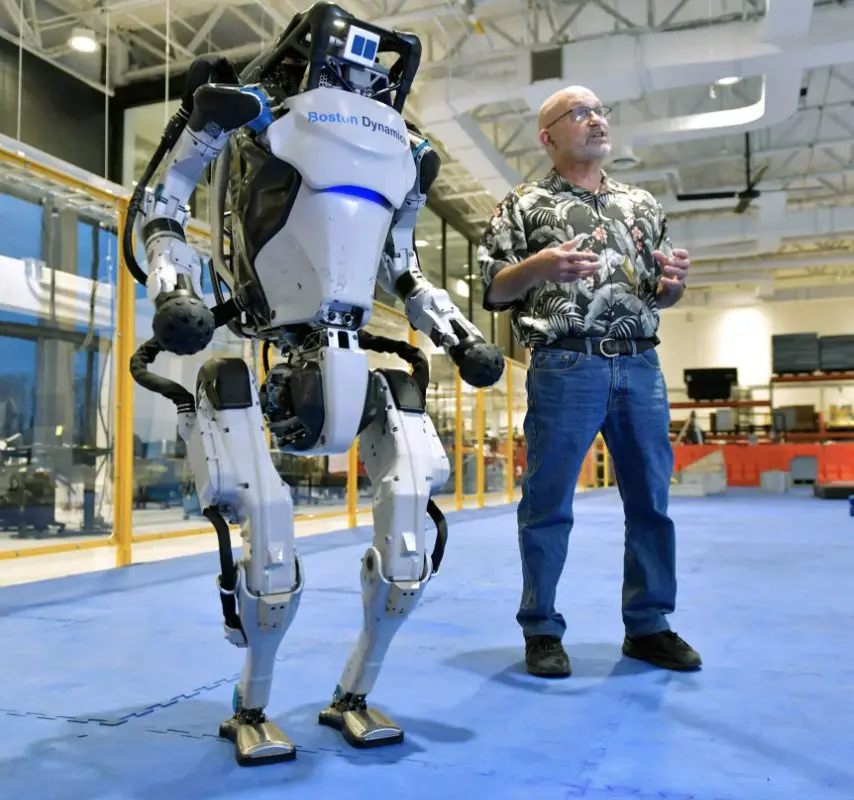
In contrast, Boston Dynamics’ private status has allowed it to pursue ambitious projects like the Atlas humanoid robot, a marvel of engineering that can perform complex gymnastic feats and navigate challenging terrains. Such a project, while incredible from an engineering perspective, has not yet yielded a clear commercial product in the traditional sense. Its value lies in pushing the boundaries of what’s possible in robotics, demonstrating advanced capabilities that will eventually feed into more practical applications. This unconstrained approach enables the development of truly revolutionary technologies that have the potential to fundamentally alter our daily lives, from advanced home assistance to logistics and even potentially future leisure activities. The long-term lifestyle impact, therefore, is potentially more profound, even if its immediate market presence is less visible.
Strategic Partnerships and Global Lifestyle Reach
The acquisition by Hyundai Motor Company represents a significant strategic alignment that extends Boston Dynamics’ reach into broader lifestyle sectors. Hyundai’s vision of smart mobility, which encompasses not just cars but also future urban planning, logistics, and even personal air vehicles, provides a rich ecosystem for Boston Dynamics’ technology. This partnership moves robotics beyond just industrial applications and firmly places it within the context of enhancing human living and movement.
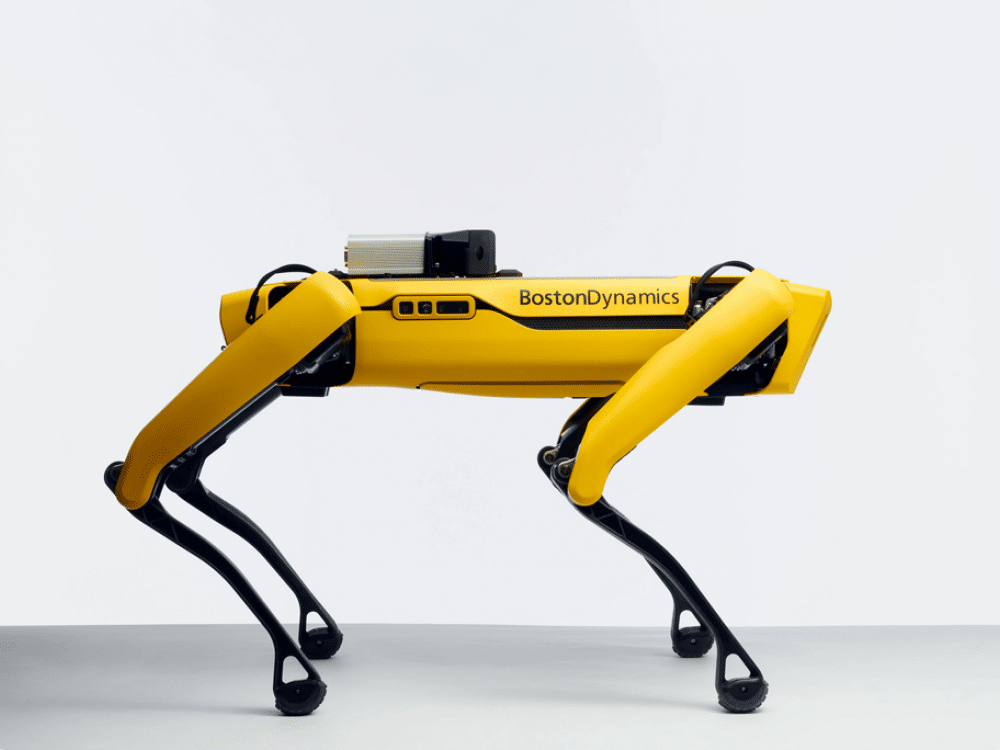
Imagine robots like Spot, the quadruped robot, or Stretch, the box-moving robot, integrated into smart city infrastructure or advanced personal services. This collaboration means that the robots could be deployed in vast supply chains, optimizing delivery services and ensuring quicker access to goods that enhance our personal lifestyles. For example, improved logistics from Stretch in a warehouse in Rotterdam could mean faster delivery of online purchases to your home. Furthermore, the expertise from Hyundai in mass production and global distribution could accelerate the integration of robotic solutions into everyday consumer experiences, transforming how we move, shop, and interact with our environments, ultimately shaping global lifestyle trends.
Robotics Shaping the Future Lifestyle Landscape
While Boston Dynamics might not be directly marketing products to individual consumers just yet, its core technologies are laying the groundwork for substantial changes across various lifestyle domains. The implications are vast, touching everything from how we travel to how we manage our homes and businesses.
Beyond the Industrial Floor: Robots in Daily Life
The advanced mobility and manipulation capabilities demonstrated by Boston Dynamics’ robots are not confined to research labs or industrial settings. Their potential applications in enriching human lifestyle are immense and diverse.
-
Travel and Hospitality: Envision a future where robots become integral to seamless travel experiences. From autonomous luggage handling at bustling airports to providing personalized concierge services at luxury establishments like the Grand Hyatt Hotel in Singapore, robots could streamline operations and elevate guest experiences. Imagine Spot performing routine security patrols in hotels or even assisting in the inspection of hard-to-reach areas at historical landmarks such as Machu Picchu, ensuring their preservation while enhancing visitor safety. These applications, while potentially subtle, contribute significantly to the luxury and efficiency aspects of a modern traveler’s lifestyle.
-
Home and Personal Assistance: The dream of a truly smart home could be greatly advanced by Boston Dynamics’ expertise. Robots capable of navigating complex environments, opening doors, and picking up objects could evolve into sophisticated personal assistants. They might aid the elderly, perform household chores, or provide security, freeing up human time for leisure, hobbies, and personal development—core tenets of an enhanced lifestyle. Imagine a future where a robot from Boston Dynamics’ lineage could fetch groceries, manage deliveries, or even provide companionship, making daily living more convenient and enjoyable.
-
Business Efficiency and Personal Time: While often seen as a business-to-business solution, robotic automation in areas like logistics directly impacts individual lifestyles. Stretch, designed for warehouse tasks, enhances the efficiency of supply chains. This efficiency translates into faster, more reliable delivery of consumer goods, ranging from everyday essentials to luxury items. When businesses operate more efficiently due to robotic assistance, it often means lower costs and more convenience for the end consumer, ultimately granting individuals more disposable income and, crucially, more free time to pursue their chosen lifestyles, whether that involves travel, recreation, or personal growth.
The Ethical and Experiential Dimensions
As robots become more prevalent, the societal conversation around their integration into daily life becomes paramount. Lifestyle choices are increasingly influenced by ethical considerations and the desire for meaningful experiences. The deployment of robots raises questions about job displacement versus new opportunities, the nature of human-robot interaction, and the boundaries of automation. For many, the adoption of robotic technology into their lifestyle hinges on these ethical discussions and how successfully companies like Boston Dynamics navigate them. The goal is not just technological advancement, but the creation of a future where technology serves to augment human capabilities and enrich experiences, contributing positively to our collective lifestyle.
Investing in the Future: A Lifestyle Choice for Visionaries
For individuals whose lifestyle includes a keen interest in technological progress and potential investment opportunities, the private nature of Boston Dynamics presents a unique situation. While direct public investment is not an option, understanding its corporate trajectory is still a vital part of a forward-thinking, tech-savvy lifestyle.
The Appeal of Private Tech Investment
The high-growth potential of cutting-edge technology companies often draws the attention of discerning investors. For those whose lifestyle is characterized by being early adopters or strategic investors in innovation, the inability to buy shares of Boston Dynamics on the public market means that participation is currently limited to venture capitalists, large institutional investors, or corporate entities like Hyundai Motor Company. This informs the “investor lifestyle” for those interested in the sector, highlighting that access to truly disruptive, early-stage technology companies often requires a different investment approach than simply buying stocks on an exchange. It emphasizes the importance of understanding the broader ecosystem of venture capital and corporate acquisitions that shape the future of technology.
Observing the Ecosystem of Innovation
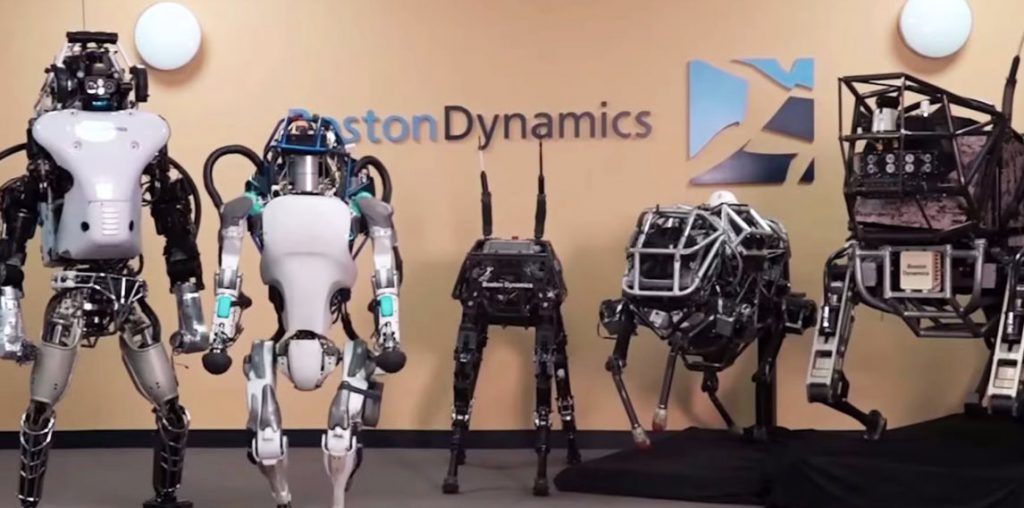
Even without direct investment, following the progress of companies like Boston Dynamics is a crucial aspect of a modern, informed lifestyle. Residing in Cambridge, Massachusetts, an innovation hub akin to Silicon Valley, Boston Dynamics embodies the spirit of relentless technological pursuit. Staying abreast of their breakthroughs allows lifestyle enthusiasts and tech aficionados to anticipate future trends, understand the direction of automation, and make more informed decisions about smart devices, career paths, and even the broader societal changes that robotics will bring. This knowledge cultivates a lifestyle that is not merely reactive to technological change but actively engaged in understanding and shaping it, contributing to a more informed and adaptive way of living in an increasingly automated world.
LifeOutOfTheBox is a participant in the Amazon Services LLC Associates Program, an affiliate advertising program designed to provide a means for sites to earn advertising fees by advertising and linking to Amazon.com. Amazon, the Amazon logo, AmazonSupply, and the AmazonSupply logo are trademarks of Amazon.com, Inc. or its affiliates. As an Amazon Associate we earn affiliate commissions from qualifying purchases.