
The Iconic Green Drape of Historic Architecture
The verdant tapestry of Boston Ivy (Parthenocissus tricuspidata) is an enduring image associated with academic prestige, venerable historic architecture, and the distinct charm of many urban landscapes. From the hallowed halls of Ivy League universities to the weathered brick facades of quintessential neighborhoods in cities like Boston, Boston Ivy weaves a story of timeless elegance and natural integration with the built environment. Originating from Japan, China, and Korea, this vigorous deciduous vine has found a beloved home across the United States and beyond, particularly noted for its striking transformation from vibrant green in spring and summer to brilliant crimson and scarlet in autumn.

Its presence on renowned landmarks often sparks curiosity, not only about its aesthetic contribution but also its biological properties. Visitors and residents alike are drawn to its clinging foliage, which provides a natural insulation, a cooling effect in summer, and a visual softness to stark architectural lines. The very name evokes a sense of tradition and academic rigor, with images of grand collegiate buildings cloaked in its leaves. Yet, beneath this picturesque exterior lies a common question that concerns those who interact with these magnificent structures and their surrounding flora: is Boston Ivy poisonous? Understanding the nature of this ubiquitous plant is essential for appreciation and safety, especially when exploring the historical and natural facets of our most cherished places.
Understanding Boston Ivy’s Botanical Profile and Toxicity
Despite its widespread use and aesthetic appeal on many landmarks and private residences, Boston Ivy does possess certain compounds that warrant caution. Its botanical classification, Parthenocissus tricuspidata, places it in the grape family (Vitaceae), distinct from true ivies like English Ivy (Hedera helix). This distinction is crucial when discussing toxicity, as the two plants are often confused but have different chemical compositions and levels of harm.
Is it Really Poisonous?
The direct answer is yes, Boston Ivy is considered mildly toxic, primarily due to the presence of calcium oxalate crystals. These sharp, needle-like crystals are found throughout the plant, but are most concentrated in its berries and, to a lesser extent, its leaves and stems. When ingested or when plant sap comes into contact with sensitive skin, these crystals can cause irritation.
For humans, symptoms of contact typically involve skin irritation, rash, redness, and itching, similar to a mild allergic reaction. This usually occurs if someone is pruning the plant without gloves or if sensitive skin brushes against broken leaves or stems. Ingestion of Boston Ivy is rare, but if the berries or leaves are consumed, symptoms can include oral irritation, burning sensations in the mouth and throat, nausea, vomiting, diarrhea, and abdominal pain. While unpleasant, severe poisoning requiring extensive medical intervention is uncommon in adults due to the intense immediate irritation, which typically deters further consumption. Children, however, are more susceptible due to their smaller body mass and innate curiosity, making supervision around berry-laden vines particularly important, especially in public spaces and near landmarks.
Pets, especially dogs and cats, are also vulnerable to the effects of Boston Ivy ingestion. Symptoms are similar to those in humans: irritation of the mouth and digestive tract, excessive drooling, difficulty swallowing, vomiting, and diarrhea. For smaller animals, the effects can be more pronounced, and prompt veterinary attention is advised if ingestion is suspected. Owners walking their pets near ivy-covered structures should exercise caution to prevent their animals from nibbling on the plant.
Distinguishing Boston Ivy from English Ivy

It is vital to differentiate Boston Ivy from English Ivy (Hedera helix), another common vine found on buildings and in gardens, as their toxicity levels and characteristics vary. English Ivy, while also containing saponins and polyacetylene compounds that can cause gastrointestinal distress and dermatitis, is often considered more problematic due to higher concentrations of toxic compounds, especially in its berries.
Here are key distinctions:
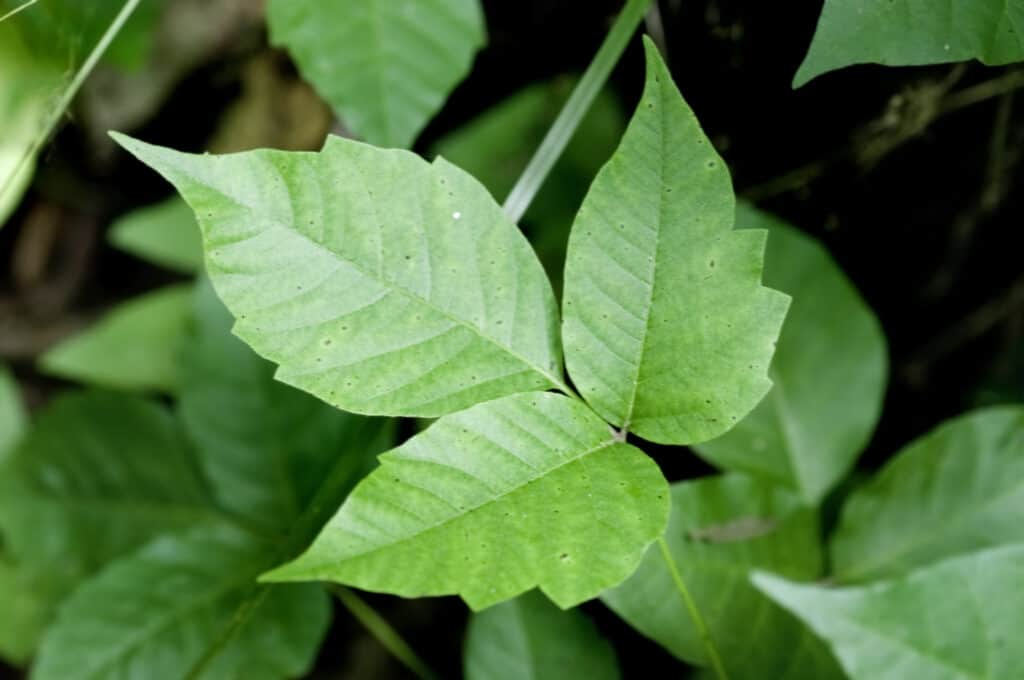
- Leaf Shape: Boston Ivy typically has three-lobed leaves that resemble a maple leaf, or sometimes unlobed, heart-shaped leaves, giving it the species name tricuspidata (three-pointed). In autumn, these leaves turn a magnificent red. English Ivy, on the other hand, usually features distinct three- to five-lobed, dark green leaves that remain evergreen.
- Attachment Method: Boston Ivy attaches to surfaces using adhesive discs (holdfasts) on its tendrils, allowing it to cling firmly to smooth walls without penetrating the mortar. English Ivy uses aerial rootlets that can penetrate cracks and crevices, potentially causing more structural damage over time, especially to older mortar.
- Berries: Both produce berries, but they differ in color and timing. Boston Ivy berries are small, dark blue to black, and ripen in late summer to autumn. English Ivy produces darker berries, usually black or dark purple, which ripen later in winter.
- Deciduous vs. Evergreen: Boston Ivy is deciduous, shedding its leaves in winter. English Ivy is evergreen, retaining its foliage year-round.
Recognizing these differences is not just a botanical exercise; it’s a practical safety measure for anyone visiting or residing near landmarks adorned with climbing vines. Knowing which plant you are encountering helps in assessing potential risks and taking appropriate precautions.
Boston Ivy’s Role in Urban Landscapes and Building Conservation
The presence of Boston Ivy on many historic buildings and architectural wonders is not merely an aesthetic choice; it also plays a significant role in urban landscapes and, paradoxically, in aspects of building conservation. Its ability to thrive in urban environments, often with poor soil and limited space, makes it a resilient choice for adding greenery and character to concrete jungles.
From an environmental perspective, Boston Ivy offers several benefits. It acts as a natural insulator, helping to keep buildings cooler in summer by shading walls and reducing solar gain, and warmer in winter by trapping a layer of air against the surface. This can contribute to energy efficiency, a considerable advantage for older, less insulated structures. Furthermore, the dense foliage can reduce noise pollution and trap airborne particulates, improving air quality in its immediate vicinity. It also provides habitat and food (berries) for various bird species, contributing to urban biodiversity.
However, the benefits must be weighed against potential drawbacks. While Boston Ivy’s adhesive discs are generally less damaging than English Ivy’s aerial roots, uncontrolled growth can still pose challenges. It can obscure architectural details, block windows, clog gutters, and, in rare cases, if moisture gets trapped behind very dense growth, it can promote dampness on certain wall materials. For buildings with fragile or deteriorated mortar, the clinging vines could exacerbate existing issues.
Institutions managing famous ivy-covered landmarks – such as the historic dormitories of Harvard University in Cambridge, Massachusetts, or even sections of the iconic wall at Fenway Park in Boston – employ careful maintenance strategies. This often involves regular pruning to keep the ivy away from windows, gutters, and rooflines, ensuring its aesthetic appeal without compromising the structural integrity or functional aspects of the building. This delicate balance highlights that while Boston Ivy is an integral part of their identity, its management is an ongoing part of landmark preservation.
Navigating Landmarks with Boston Ivy: Safety and Appreciation
For those exploring landmarks adorned with Boston Ivy, whether as a tourist or a local resident, a balanced approach combining appreciation with mindful caution is key. The plant’s visual appeal and historical significance are undeniable, contributing immensely to the character and photographic opportunities of many sites. Understanding its mild toxicity allows for safe enjoyment without undue fear.
Here are some practical tips for navigating ivy-covered landmarks:
- Observe, Don’t Touch: While a casual brush against a healthy leaf is unlikely to cause a reaction, it’s best to avoid direct and prolonged skin contact with Boston Ivy, especially with broken stems or berries, to prevent potential skin irritation. If gardening or performing maintenance, wear gloves and long sleeves.
- Never Ingest: The most significant risk comes from ingestion. Ensure that children are educated about not eating any part of the plant, particularly the dark berries which might look enticing. Keep a close eye on curious toddlers who might be tempted to put things in their mouths.
- Pet Supervision: When walking pets near ivy-clad buildings or walls, keep them on a leash and discourage them from nibbling on the leaves, stems, or berries. If you suspect your pet has ingested a significant amount, contact your veterinarian immediately.
- Appreciate from a Distance: The beauty of Boston Ivy can be fully enjoyed from a safe viewing distance. Capture its seasonal color changes and its role in enhancing the architecture without needing direct interaction.
- Hand Hygiene: After visiting areas with dense ivy growth, especially if you or your children have been in direct contact with the foliage, a quick hand wash is a good practice, much like after touching any unknown plant.
Ultimately, while Boston Ivy is indeed mildly poisonous, the risks associated with it are generally low for casual observers and can be easily mitigated with simple precautions. Its presence on our landmarks enriches our urban environments, offering a vibrant connection between nature and history. By being informed and respectful of its properties, we can continue to admire its enduring beauty and its contribution to the tapestry of our architectural heritage.
LifeOutOfTheBox is a participant in the Amazon Services LLC Associates Program, an affiliate advertising program designed to provide a means for sites to earn advertising fees by advertising and linking to Amazon.com. Amazon, the Amazon logo, AmazonSupply, and the AmazonSupply logo are trademarks of Amazon.com, Inc. or its affiliates. As an Amazon Associate we earn affiliate commissions from qualifying purchases.